 Photo: Dosseman (CC BY-SA 4.0) · Source
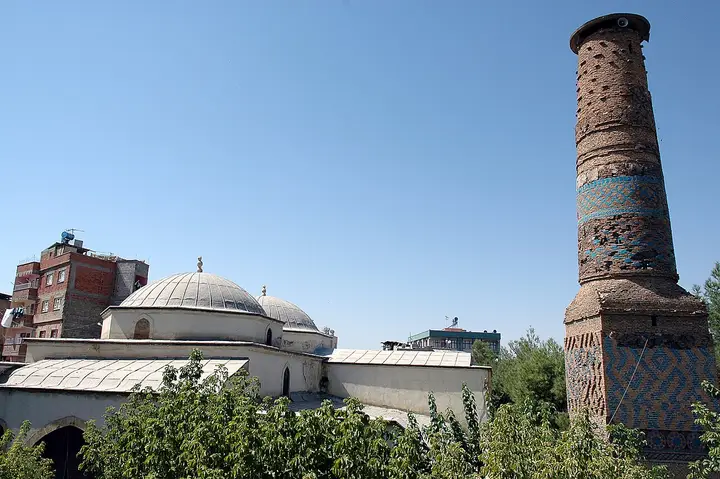
 Siirt Great Mosque (Ulu Camii)
A historic mosque built in 1129 by Muğîsüddin Mahmûd, the Iraqi Seljuk ruler, and repaired in 1260 by the atabeg Mücâhid İshak.
View on map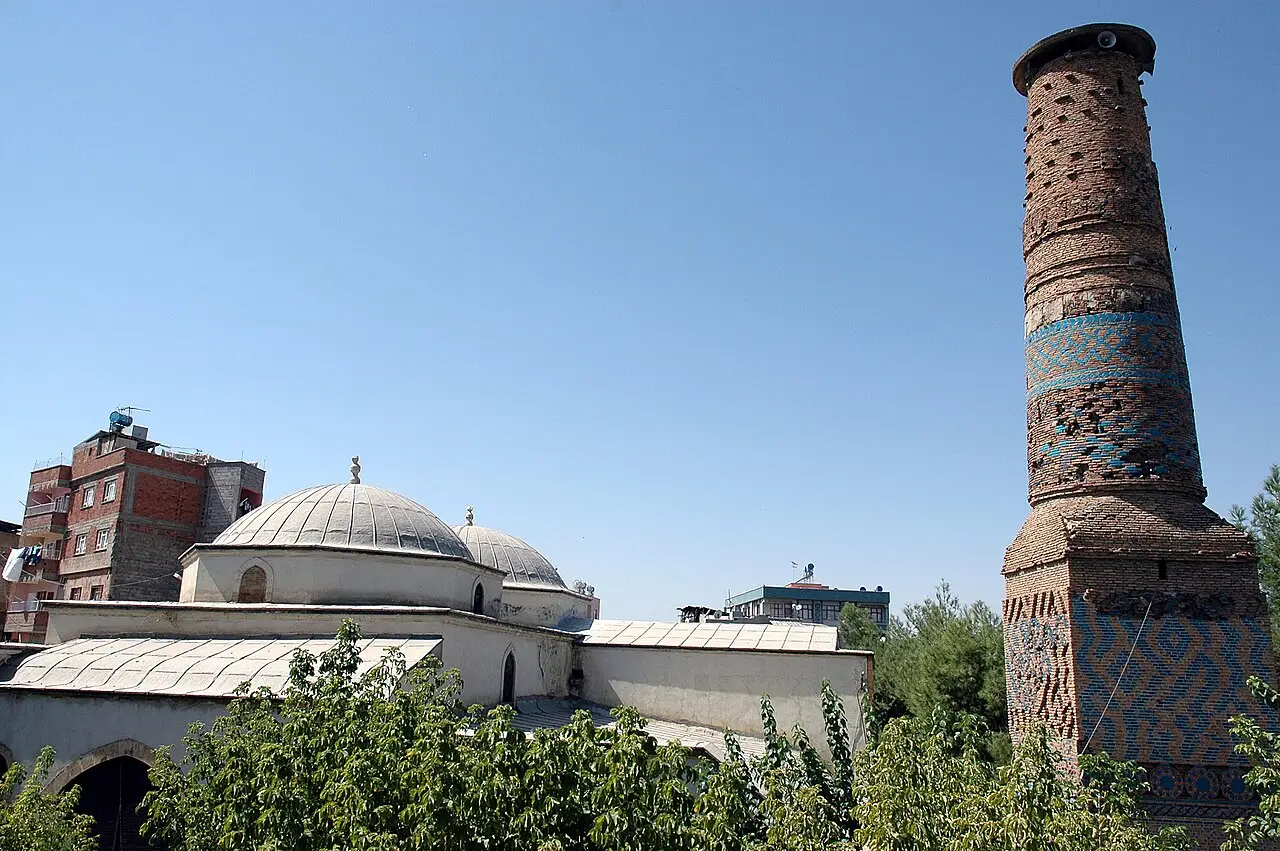 Photo: Dosseman (CC BY-SA 4.0) · Source
 6 places to visit in the central district of Siirt: Siirt Great Mosque (Ulu Camii), Cumhuriyet Avenue and Historic Bazaar and Siirt Castle Remains. Plan your trip with local food, practical tips and transport information.
Siirt Merkez is the central district of Siirt province, at an elevation of 878 metres. Xenophon, a pupil of Socrates, mentioned the Botan River in his work Anabasis, written in 400 BC, and the river gave its name to the Botan Principality in history.
Siirt, a province in the Republic period, expanded when Beytüşşebap joined in 1924 and Beşiri and Sason joined in 1926.
The original construction date of the Siirt Great Mosque (Ulu Camii) is not certain, but it is known that it was built in AH 523 (AD 1129) by Muğîsüddin Mahmûd, the Iraqi Seljuk ruler. It was repaired in AH 658 (AD 1260) by the atabeg Mücâhid İshak.
Summers in Siirt are very hot and dry, and winters are cold and rainy.
Büryan kebab is cooked by a special method in a pit and is available fresh early in the morning.
Siirt Airport opened in 1998 and is open only to domestic flights (to Istanbul and Ankara).
The 13th-century wooden pulpit of the mosque is displayed in the Ankara Museum of Ethnography. When the old clock tower built in 1905 collapsed, its clock was moved to the new tower.
Last updated:
Photo: Dosseman (CC BY-SA 4.0) · Source A historic mosque built in 1129 by Muğîsüddin Mahmûd, the Iraqi Seljuk ruler, and repaired in 1260 by the atabeg Mücâhid İshak.
View on mapThe bazaar, the historic trading centre of Siirt, has workshops for traditional coppersmithing, blanket weaving and knife-making.
View on mapThe castle remains on the hill above the city centre date to the Artuqid period. The city of Siirt can be seen from the castle.
View on mapThe tomb of Veysel Karani, who lived in the time of the Prophet Muhammad, is in Baykan district, 60 km from Siirt centre, but is one of the most important visiting points in Siirt.
View on mapA cut-stone tower opposite the Governor's Mansion (Vilayet Konağı), with clock faces on all four sides.
View on mapThe valley formed by the Botan Stream, a national park valley that also lies within the boundaries of Siirt centre.
View on mapBüryan kebab, made by slow-cooking lamb in a tandır oven for 4 to 5 hours, is the geographically indicated speciality of Siirt. It is served in the morning with fresh pide.
Rice pilaf wrapped in thin yufka dough, prepared with chicken, almonds and currants. Baked in the oven, this dish is an essential part of wedding feasts in Siirt.
Siirt cheese, made from sheep's milk and flavoured with local herbs, is an essential flavour of breakfast tables.
It is listed among Siirt dishes between Cokat and İçli Köfte.
Blanket weaving, coppersmithing and knife-making in Siirt are traditional crafts that have been practised for centuries. These handicrafts form the basis of the district's cultural identity.
Siirt is a multicultural city where Kurdish, Arab and Turkish cultures live side by side. This diversity is reflected in its cuisine, music and traditions.
The economy of Siirt is based on agriculture, livestock farming and trade. Pistachio, wheat and barley are the main crops. Siirt blankets and büryan kebab are the district's economic assets. Siirt University contributes to the economy.
The nearest airport to Siirt is Batman Airport (90 km). It is 130 km from Diyarbakır and 90 km from Batman. Intercity bus services run.
The 6 highlights of Siirt Merkez are Siirt Great Mosque (Ulu Camii), Cumhuriyet Avenue and Historic Bazaar, Siirt Castle Remains, Veysel Karani Tomb, Siirt Clock Tower and Botan Valley (Central section).
Siirt Büryan Kebabı, Perde Pilavı and Siirt Peyniri (Otlu Peynir, herbed cheese) are the standout flavours on Siirt Merkez's tables.
Siirt Merkez is known for the Siirt Blanket and its Traditional Handicrafts. The Siirt blanket, woven from the wool of the Angora goat, is a traditional handicraft that has been practised for centuries. This geographically indicated product is known for its durability and warmth.
The nearest airport to Siirt is Batman Airport (90 km). It is 130 km from Diyarbakır and 90 km from Batman. Intercity bus services run.