Historic Fabric of Tillo
Tillo's narrow streets, stone houses and historic buildings preserve its traditional fabric and offer visitors a historic atmosphere.
View on map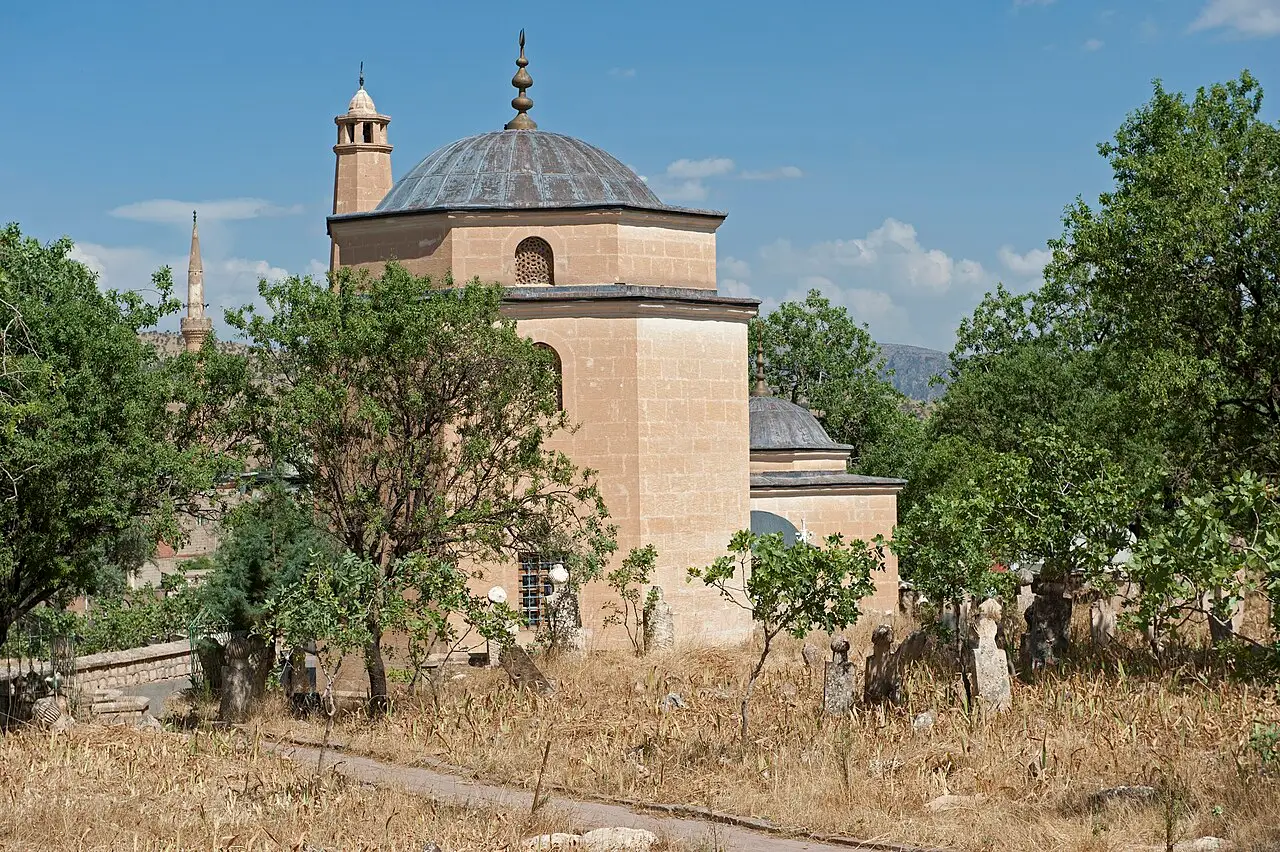 Photo: Dosseman (CC BY-SA 4.0) · Source
 9 places to visit in the Tillo district of Siirt: Hz. İbrahim Hakkı Tomb and Observatory, İsmail Fakirullah Tomb and Historic Fabric of Tillo. Plan your trip to Tillo with local food, practical tips and transport information.
Tillo, formerly known as Aydınlar, is a district of Siirt province. The district covers an area of 138 km², and the average elevation of its centre above sea level is 1,417 metres.
Tillo was one of the main centres of the madrasa culture, which held an important place in religious education in Eastern Anatolia. Many Islamic scholars, including Sheikh Mansur, Sheikh Mücahid, Gavsü’l-Memduh, İsmail Fakirullah and Erzurumlu İbrahim Hakkı, were trained in these madrasas.
The Tillo nahiye, with its centre in Tillo village, was established in 1953 and gained municipal status in 1957. In 1964 the name of the bucak was changed to Aydınlar, and on 18 May 1990 it was raised to district status. With a decision published in the Official Gazette on 7 November 2013, the district was renamed Tillo, its former name.
Tillo was one of the important madrasa centres of Eastern Anatolia. Information about the life of Fakirullah is based on İbrahim Hakkı’s work Marifetname. The İsmail Fakirullah Tomb was placed on UNESCO’s Tentative List of World Heritage Sites in 2015. The tomb remains an important place of visit today, and events are held there every year. Zemzem-ül Hassa Hatun, who lived between 1765 and 1852, is known as a saint and writer.
Tillo District became a district by Law No. 3647 on 18 May 1990. Sultan Memduh was born in Aydınlar (Tillo) district in AH 1174, AD 1761. Pistachio cultivation in Siirt is concentrated in Tillo District, and its nuts are larger than Antep pistachios.
Last updated:
Tillo's narrow streets, stone houses and historic buildings preserve its traditional fabric and offer visitors a historic atmosphere.
View on mapA stone wall with a window, about three kilometres east of the İsmail Fakirullah Tomb.
View on mapThe tomb where the 18th-century Ottoman scholar İbrahim Hakkı Erzurumlu's teacher İsmail Fakirullah was laid to rest is Tillo's most important place to visit. The remains of the observatory built by İbrahim Hakkı are also located here.
View on map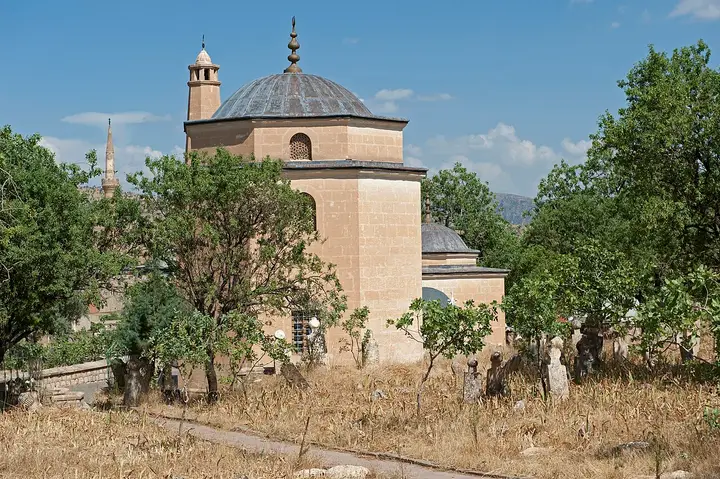 Photo: Dosseman (CC BY-SA 4.0) · Source
 The tomb of the 17th-18th century mystic İsmail Fakirullah forms the foundation of Tillo's religious identity. Madrasa remains are found around the tomb.
View on mapThe grave of a saint who lived in Tillo in the 13th century; a tomb visited in Tillo.
View on mapA domed retreat house and complex on a hill about three kilometres outside Tillo.
View on mapTillo is a settlement set on the hills above Siirt. From its high position, panoramic views of the Siirt Plain and surrounding mountains can be seen.
View on mapA national park valley formed by the Botan Creek, part of which lies within Tillo's boundaries.
View on mapA viewing terrace at the commanding point of the castle, for watching the Botan Valley view.
View on mapWhile you are in Tillo, you can also see the highlights of Siirt province. These places are in other districts; Tillo is about 5 km from the provincial centre.
Büryan kebabı, prepared by slow-cooking lamb in a tandır oven, is also served in Tillo in its traditional recipe.
Rice pilaf wrapped in yufka dough, prepared with chicken and almonds. Prepared according to recipes passed down through generations, this dish is an important part of the region's culinary culture. Its preparation with fresh, natural ingredients makes it a healthy choice.
Tillo has been known for centuries as a centre of learning and scholarship. Home to scholars such as İbrahim Hakkı Erzurumlu and İsmail Fakirullah, it is one of the important centres of the Sufi tradition.
The observatory that İbrahim Hakkı founded in Tillo in the 18th century is one of the rare centres in the Ottoman period where astronomical studies were carried out.
Tillo's economy is based on religious tourism, agriculture and livestock farming. Visits to the tombs bring tourism income to the district. Pistachio cultivation and small livestock farming are sources of livelihood.
Tillo is 5 km from Siirt city centre. It lies on the hills directly above Siirt. Minibus services run from the Siirt city centre.
The 9 highlights of Tillo: İbrahim Hakkı Tomb and Observatory, İsmail Fakirullah Tomb, Historic Fabric of Tillo, Aydınlar (Tillo) Views, Sheikh Hamza El-Kebir Tomb, Zemzem-ül Hassa Retreat, Tillo Castle Glass Viewing Terrace, Botan Valley (Tillo section) and Üstad Castle.
Büryan Kebabı and Perde Pilavı are the standout flavours on Tillo's tables.
Tillo is known for Tillo Heriresi and its tradition of learning and scholarship. It is registered with TÜRKPATENT as a geographical indication product.
Tillo is 5 km from Siirt city centre. It lies on the hills directly above Siirt. Minibus services run from the Siirt city centre.
Suggested visit length: half a day. Best time to visit: spring and autumn.