4 places to visit in the Feke district of Adana: Feke Castle (Vahka Castle), Kara Church and Göksu River. Plan your trip to Feke with local food, practical tips and transport information.

Share with friends

Feke is a district of Adana province, about 122 km from Adana. The district covers 1,218 km² and has an average elevation of 555 metres above sea level. Its altitude is 557 metres.

From ancient times to the present, Feke has been a settlement for many peoples and states. It fell to the Persians in the 6th century BC and to Alexander the Great in 333 BC. It was taken by the Ottoman state during Yavuz Sultan Selim’s Egypt campaign in 1517.

History and Culture

Feke was ruled in succession by the Persians, Alexander the Great, the Romans and the Byzantines. After the First World War, Kaymakam Şeref Bey armed the people to begin the struggle to defend Feke. Feke was liberated in March 1920 when forces under Arap Ali entered the town. The people of Feke celebrate 22 March every year as Liberation Day.

Last updated:

Places to Visit in Feke

  • 2 Historic
  • 2 Nature
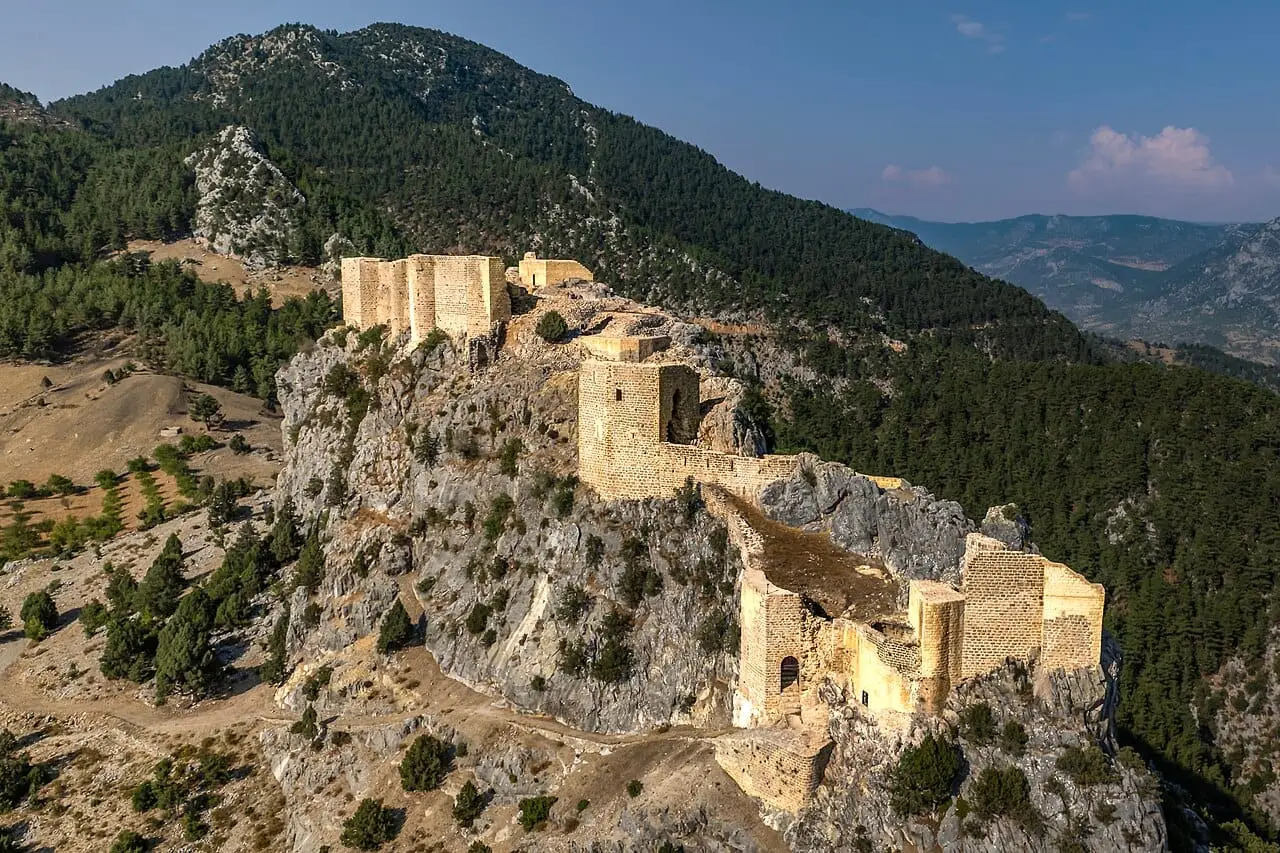
Feke Castle (Vahka Castle) - Feke Photo: Bedir.m (CC BY-SA 4.0) · Source
Historic

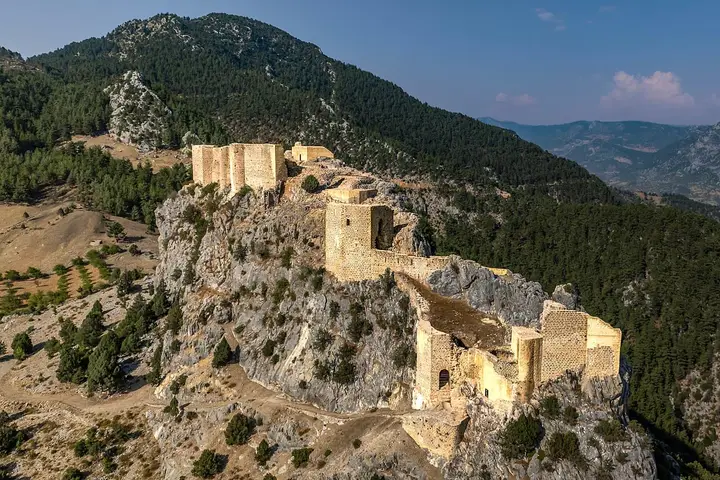
Feke Castle (Vahka Castle)

A medieval castle on the steep rock above the district, which during the Armenian Kingdom of Cilicia period controlled the Göksu valley and the mountain roads. The climb to the castle is steep, but the valley views are worth it.

View on map
Historic

Kara Church

A Byzantine-period church a few kilometres from Feke Castle, named after its dark stone walls.

View on map
Nature

Göksu River

The Göksu, one of the main tributaries of the Seyhan, flows through the district and forms a wooded valley. Picnic areas on the riverbank are ideal for cooling off in the summer months.

View on map
Nature

Feke Plateaus

The plateaus on the Taurus slopes offer the traditional life of families who migrate there in summer and the cool mountain air.

View on map

Places to Visit Around Adana Province

See all →

While you are in Feke, you can also see the highlights of Adana province. These places are in other districts.

  • Taşköprü (Stone Bridge) — A Roman bridge linking the two banks of the Seyhan River, probably built in the first half of the 2nd century AD and attributed to Emperor Hadrian.
  • Great Clock Tower — Begun in the time of Governor Ziya Paşa and completed in 1882 under Abidin Paşa, this 32-metre brick tower is the tallest clock tower in Türkiye.
  • Adana Grand Mosque — Begun by Ramazanoğlu Halil Bey in 1509 and completed by his son Piri Mehmet Paşa in 1541, the mosque is the masterpiece of the Ramazanoğulları Principality.
  • Yağ Mosque — This multi-columned building was formed when the Armenian Church of Surp Hagop was converted into a mosque in 1501 under Ramazanoğlu Halil Bey and merged with the new mosque that Piri Mehmet Paşa had built beside it; it is among the oldest mosques in the city.
  • Ramazanoğlu Mansion — According to the inscription over its door, the harem section of this mansion, south-east of the Grand Mosque, was completed by Halil Bey in April 1495. One of the oldest examples of a mansion in Türkiye, it hosted the Ottoman sultans who came to Adana, and today it is used as a cultural centre.
  • Sabancı Central Mosque — Opened for worship in 1998 on the west bank of the Seyhan River, south of Central Park, the mosque can hold 28,500 people including its open areas, making it one of the largest mosques in the region.

Practical Information for Visiting Feke

Suggested time
1–2 days
Best time to visit
May–October
Places to visit
4 places

What to Eat in Feke

Food guide →
  • Keşkek (wheat and meat porridge)

    This traditional dish is made by boiling cracked wheat and meat for hours and then pounding them together. In Feke's mountain villages it is the crowning dish of wedding and festival tables. It is served with butter.

  • Tarhana Çorbası (tarhana soup)

    Tarhana dough, prepared and dried in the summer months, is eaten as a hot soup in winter. A staple of Feke's harsh winter tables, this soup offers a rich flavour of yoghurt and spices.

  • Arabaşı Çorbası (chicken and yoghurt soup)

    This local soup is made by adding a mixture of flour and yoghurt to chicken broth and is served with shredded chicken meat. It is a staple of winter tables in the mountain villages of the Taurus.

  • Sacda Bazlama (griddle-baked flatbread)

    This traditional bread, baked on a griddle over a wood fire, is an inseparable part of Feke's plateau culture. It is eaten at breakfast with fresh butter, pekmez or honey.

Culture, Local Products and Economy of Feke

  • Karacaoğlan Culture and Arts Festival

    Held every October on Indere Village Plateau, this festival is in memory of the folk poet Karacaoğlan. It is a colourful event with folk music concerts, traditional competitions and local product exhibitions.

  • Plateau Migration Tradition

    The migration of lowland people to the Feke plateaus during the summer months is a centuries-old tradition. This seasonal migration forms an important part of the region's livestock and farming culture.

  • Historic Castle Culture

    Feke has hosted many civilisations, from the Hittites to Byzantium, and from the Armenian Kingdom to the Ottomans. This rich historical heritage forms the basis of the district's cultural identity.

Local Products

  • Mountain Honey — Mountain honey, made from the rich flora growing in Feke's forested mountains, is the most valued natural product of the region. Produced by traditional beekeeping methods, this honey is known for its thyme and pine aromas.
  • Ceviz (walnut) — Walnut trees growing in Feke's mountain villages form one of the district's important agricultural products. Eaten fresh and dried, walnuts are also often used in local desserts.
  • Pekmez (grape and mulberry molasses) — Grape and mulberry pekmez is an indispensable product in Feke's winter preparations. Boiled down and concentrated by traditional methods, pekmez is a basic ingredient of breakfast tables and desserts.

Economy

The economy of Feke rests mainly on agriculture, livestock farming and forestry. Small livestock and beekeeping dominate in the mountainous terrain, while grain, walnuts and fruit are grown in the valleys. Forestry activities also make an important contribution to the district's economy. In recent years, with the growing recognition of Feke Castle and the natural beauty of the area, cultural tourism has begun to develop.

How to Get to Feke

Feke is about 122 km from Adana city centre and is reached by road. The nearest airport is Çukurova International Airport, on the border of Tarsus district in Mersin. Regular minibus services run from Adana's intercity bus terminal to Feke. The district lies at an altitude of 620 metres at the foot of the Taurus Mountains, so road conditions should be checked in winter.

Get directions on Google Maps Getting to Adana

Feke: Frequently Asked Questions

What are the places to see in Feke?

The highlights of Feke are 4 places: Feke Castle (Vahka Castle), Kara Church, Göksu River and Feke Plateaus.

What is there to eat in Feke?

Keşkek, Tarhana Çorbası, Arabaşı Çorbası and Sacda Bazlama are the standout flavours on Feke's tables.

What is Feke famous for?

Feke is known for its Mountain Honey and the Karacaoğlan Culture and Arts Festival. Mountain honey, made from the rich flora growing in Feke's forested mountains, is the most valued natural product of the region. Produced by traditional beekeeping methods, this honey is known for its thyme and pine aromas.

How do I get to Feke?

Feke is about 122 km from Adana city centre and is reached by road. The nearest airport is Çukurova International Airport, on the border of Tarsus district in Mersin. Regular minibus services run from Adana's intercity bus terminal to Feke. The district lies at an altitude of 620 metres at the foot of the Taurus Mountains, so road conditions should be checked in winter.

How much time should I set aside for a trip to Feke?

Suggested trip length: 1–2 days. Best time to visit: May–October.

Continue Your Trip

Other Districts of Adana

Search 81 province guides and 968 district guides.