12 places to visit in the Ceyhan district of Adana: Yılankale, Sirkeli Höyük and Kurtkulağı Caravanserai. Plan your trip to Ceyhan with local food, practical tips and transport information.

Share with friends

Ceyhan is a district of Adana province, 47 km from Adana. Covering 1,426 km², it is the most populous district of Adana apart from the central districts. The average elevation of the district above sea level is 33 metres.

Ceyhan’s known history goes back 9,000 years. The Ceyhan Plain has been home to the Hittite, Assyrian, Phoenician, Egyptian, Persian, Roman and Byzantine civilisations. After the Battle of Malazgirt in 1071, the Ceyhan Plain was taken by Süleyman Şah in 1083.

The main river, the Ceyhan River, flows past the edge of the district and is 509 km long. The climate is typical Mediterranean, with hot, dry summers and mild, rainy winters.

History and Culture

Ceyhan was named Hamidiye with the permission of Abdulhamit II. Ceyhan was made a district on 19 July 1926. Ceyhan remained under the rule of the Ramazanoğulları between 1353 and 1515. Bulgur is the constant basic ingredient of Ceyhan cuisine. Hittite emperor Muwatalli II crossed into Syria through Ceyhan during the Battle of Kadesh.
Last updated:

Places to Visit in Ceyhan

  • 5 Historic
  • 2 Ancient City
  • 4 Religious
  • 1 Nature

Historic Sites 5

Yılankale - Ceyhan Photo: Wikipedia (CC BY-SA) · Source
Historic

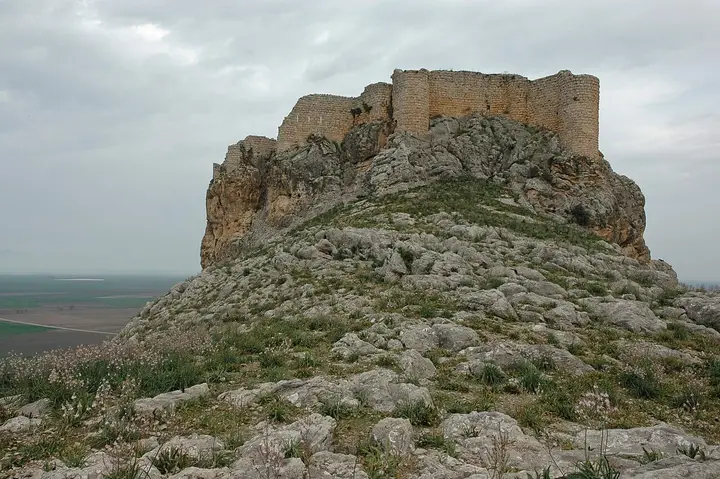
Yılankale

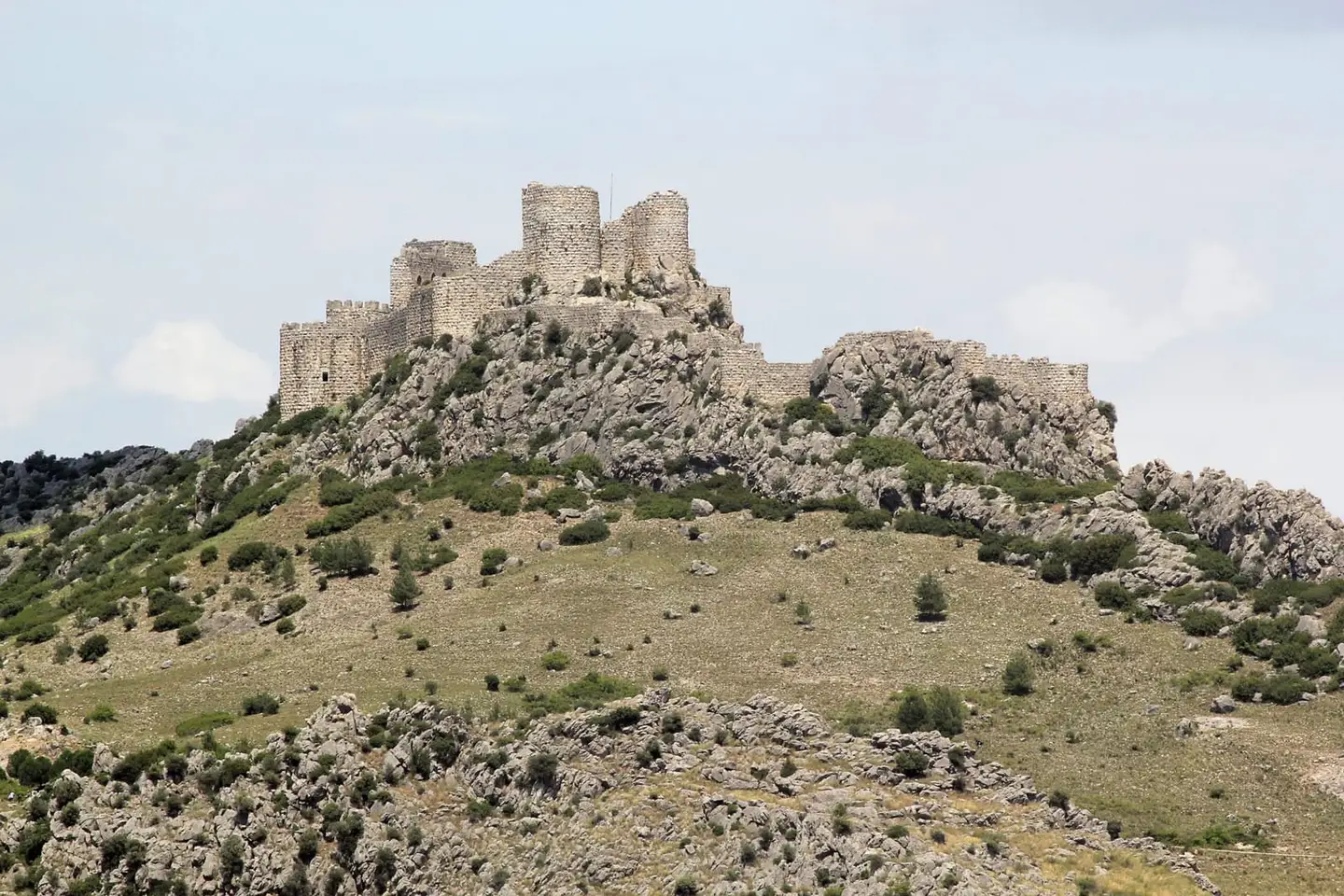
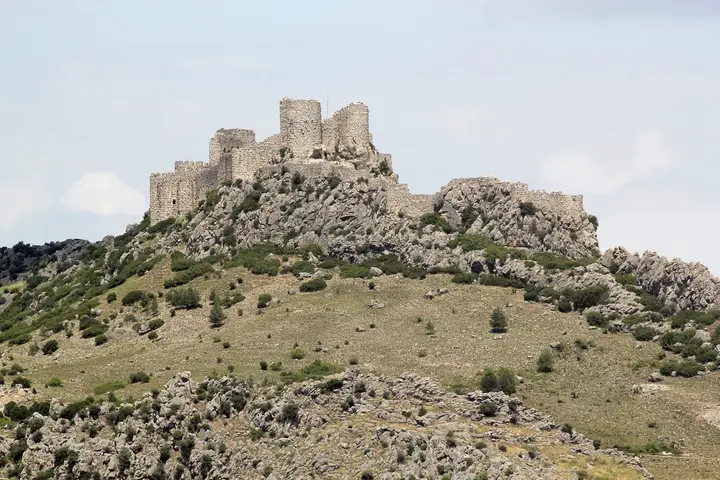
A medieval castle on a rocky hill overlooking the Ceyhan River. It protected the plain's roads during the Armenian Kingdom of Cilicia period. Its name is linked to the legend of Şahmeran, a snake-woman, and the view over the plain from the hill is magnificent.

View on map
Kurtkulağı Caravanserai - Ceyhan Photo: Zeynel Cebeci (CC BY-SA 4.0) · Source
Historic

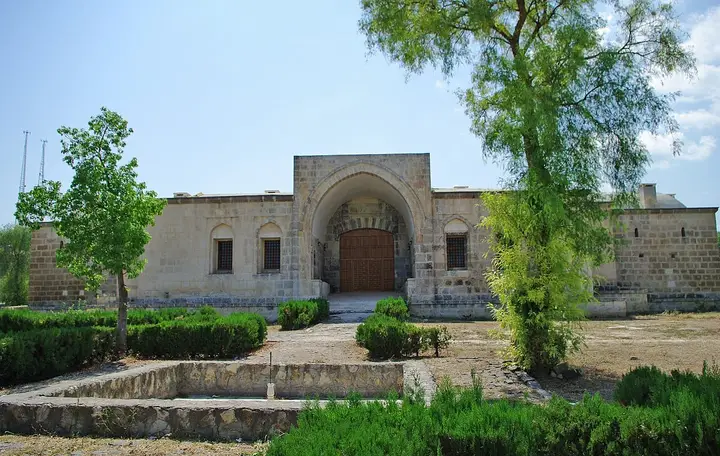
Kurtkulağı Caravanserai

Built in 1659, the caravanserai forms a stopover complex together with a mosque and a hammam. The restored building shows the Ottoman accommodation arrangements on the Baghdad road.

View on map
Tumlu Castle (Dumlukale) - Ceyhan Photo: Dosseman (CC BY-SA 4.0) · Source
Historic

Tumlu Castle (Dumlu Kale)

An Armenian-period castle built on a rocky hill rising from the middle of the plain. Access is not easy, but it is one of the impressive links in the chain of castles in Çukurova.

View on map
Historic

Yılankale (Şahmeran Castle)

A castle on a hill overlooking the Ceyhan Plain, known locally as Şahmeran Castle. It is said to have 8 towers, and Evliya Çelebi, who passed it in 1671, mentioned snakes there.

View on map
Historic

Tumlukalesi

A 12th-century castle 17 km from Ceyhan. It is built on a hill overlooking the surroundings and is said to have 8 towers.

View on map

Ancient Cities 2

Sirkeli Höyük - Ceyhan Photo: Mirko Novak, Universität Tübingen (Copyrighted free use) · Source
Ancient City

Sirkeli Höyük

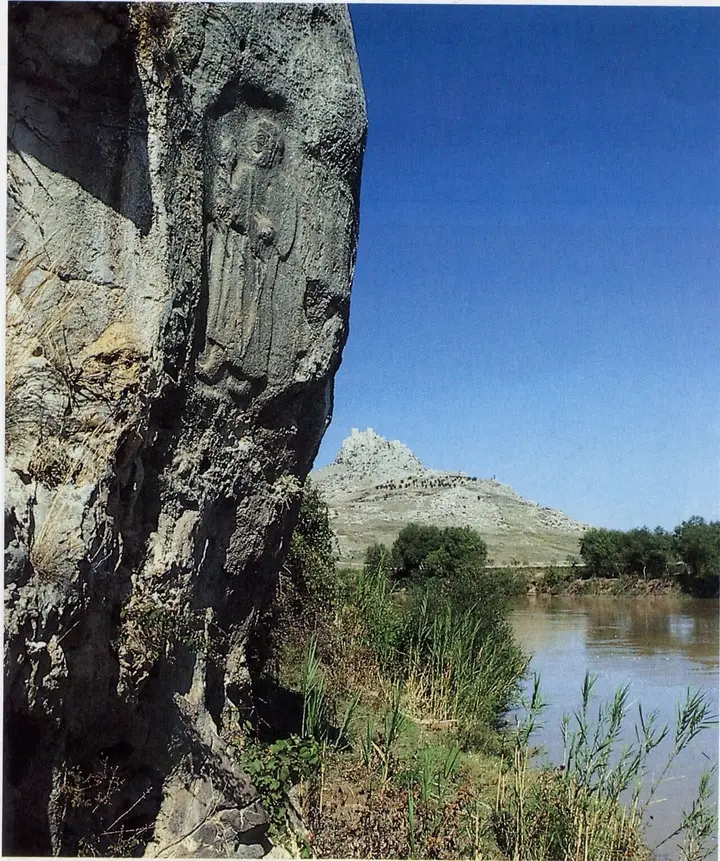
On the höyük on the bank of the Ceyhan River is a rock relief believed to belong to the Hittite king Muvatalli. Ongoing excavations are revealing the Hittite and Iron Age layers of the settlement.

View on map
Ancient City

Sirkeli Mound

A höyük 5 km from Ceyhan, believed to date from the Hittites. A relief of the Hittite king Muvattali is said to be found on the höyük.

View on map

Religious Buildings 4

Ceyhan Grand Mosque - Ceyhan Photo: Dosseman (CC BY-SA 4.0) · Source
Religious

Abdülkadir Ağa Mosque

One of the historic mosques in the district centre, this building is an example of Ceyhan's Ottoman-era religious architecture.

View on map
Religious

Kurtkulağı Tomb

In Kurtkulağı neighbourhood, a 2-domed structure which, according to one source, was built by Haydar Ağa in 1601.

View on map
Religious

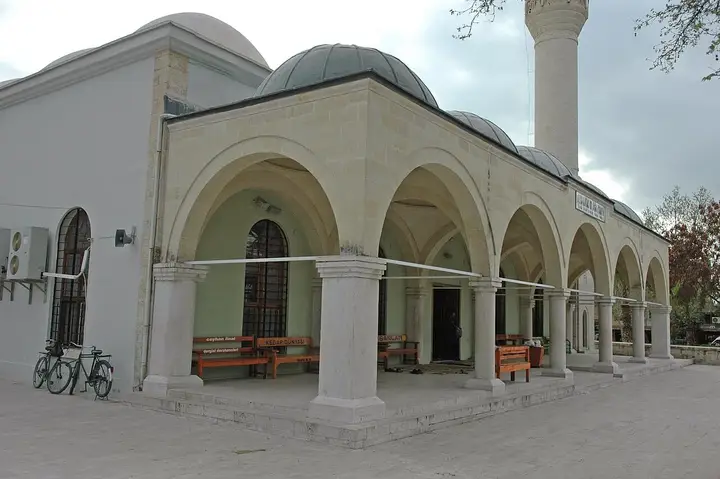
Abdulkadir Ağa Mosque (Grand Mosque)

The mosque in Ceyhan centre was built by Abdulkadir Ağa in 1868. It was badly damaged in the earthquake of 26 June 1998 and was restored to its original form by the Regional Directorate of Foundations.

View on map
Religious

Durhasandede Tomb

A small single-domed tomb from the 18th century, 25 km from Ceyhan in Durhasandede neighbourhood. Local residents and visitors from neighbouring provinces come to see it.

View on map

Natural Wonders 1

Ceyhan River - Ceyhan Photo: Katpatuka (CC BY-SA 3.0) · Source
Nature

Ceyhan River

The river that gives the district its name flows through the town and waters the plain. The riverside parks are suitable for evening walks.

View on map

Places to Visit Around Adana Province

See all →

While you are in Ceyhan, you can also see the highlights of Adana province. These places are in other districts.

  • Taşköprü (Stone Bridge) — A Roman bridge linking the two banks of the Seyhan River, probably built in the first half of the 2nd century AD and attributed to Emperor Hadrian.
  • Great Clock Tower — Begun in the time of Governor Ziya Paşa and completed in 1882 under Abidin Paşa, this 32-metre brick tower is the tallest clock tower in Türkiye.
  • Adana Grand Mosque — Begun by Ramazanoğlu Halil Bey in 1509 and completed by his son Piri Mehmet Paşa in 1541, the mosque is the masterpiece of the Ramazanoğulları Principality.
  • Yağ Mosque — This multi-columned building was formed when the Armenian Church of Surp Hagop was converted into a mosque in 1501 under Ramazanoğlu Halil Bey and merged with the new mosque that Piri Mehmet Paşa had built beside it; it is among the oldest mosques in the city.
  • Ramazanoğlu Mansion — According to the inscription over its door, the harem section of this mansion, south-east of the Grand Mosque, was completed by Halil Bey in April 1495. One of the oldest examples of a mansion in Türkiye, it hosted the Ottoman sultans who came to Adana, and today it is used as a cultural centre.
  • Sabancı Central Mosque — Opened for worship in 1998 on the west bank of the Seyhan River, south of Central Park, the mosque can hold 28,500 people including its open areas, making it one of the largest mosques in the region.

Practical Information for Visiting Ceyhan

Suggested time
1-2 days
Best time to visit
Spring and autumn
Places to visit
12 places

What to Eat in Ceyhan

Food guide →
  • Ceyhan Zeytinyağı (Ceyhan olive oil)

    Ceyhan Zeytinyağı was registered as a protected geographical indication on 19 December 2022 (TÜRKPATENT registration no. 1291). Product group: solid and liquid fats and oils, including butter. Registered by: Ceyhan Municipality.

  • Adana Kebabı

    A kebab made from minced lamb wrapped around a flat skewer and grilled over charcoal. It is also the pride of Ceyhan's restaurants.

  • Şalgam Suyu (purple carrot and turnip drink)

    A fermented drink made from purple carrots and turnips, the essential accompaniment to kebab.

  • Analı Kızlı Çorbası (chickpea and bulgur soup)

    A Çukurova dish in which içli köfte and small bulgur balls come together in a sour chickpea soup.

  • Bici Bici (cold starch pudding)

    A cooling summer dessert in which starch pudding is served with ice and rose syrup.

  • Yüzük çorbası

    A soup listed in the sources among Ceyhan's main regional dishes; no recipe is given.

Culture, Local Products and Economy of Ceyhan

  • Ceyhan Oil Wrestling

    The traditional oil wrestling matches held every year are among Ceyhan's oldest cultural events. They attract great interest with the participation of wrestlers from neighbouring provinces.

  • Çukurova Cotton Harvest Tradition

    Festivals held during the cotton-picking season are an important part of Ceyhan's farming culture. This tradition, which began in the past with the arrival of seasonal workers, has shaped the social life of the region.

  • Şahmeran Legend

    The Şahmeran legend, associated with Yılankale, tells the story of the mythical creature that is half woman and half snake. It is an important part of Ceyhan's cultural identity and is often depicted in local art.

Local Products

  • Cotton — The Ceyhan plain is one of Türkiye's most productive cotton-growing areas. Cotton grown on the fertile soils of Çukurova is the district's main agricultural product.
  • Citrus Fruit — Under the influence of the Mediterranean climate, oranges, lemons and mandarins are widely grown in Ceyhan. Citrus fruit harvested especially in the winter months is sold both on the domestic market and for export.
  • Peanuts — Peanuts grown in the sandy soils of Çukurova are one of Ceyhan's important agricultural products. They are eaten both raw and roasted, and used in the food industry.

Economy

Ceyhan's economy is based on agriculture, energy and industry. Cotton, citrus fruit, peanuts and grain are produced on the fertile Çukurova plain. The Ceyhan Terminal, where the BTC (Baku-Tbilisi-Ceyhan) oil pipeline reaches the Mediterranean, has made the district a strategic point in international energy trade. Industrial investment in the Ceyhan Petrochemical Industrial Zone has also gained momentum. Logistics is also developing thanks to the rail connection.

How to Get to Ceyhan

Ceyhan is 45 km from Adana city centre and is reached via the D-400 highway. The nearest airport is Çukurova International Airport, on the border of Tarsus district in Mersin. There are regular bus and minibus services from Adana's intercity bus terminal. The Ceyhan railway station, in service since 1912, connects to the long-distance Adana-Elazığ line through the regional Mersin-İskenderun and Mersin-İslahiye lines.

Get directions on Google Maps Getting to Adana

Ceyhan: Frequently Asked Questions

What are the places to see in Ceyhan?

The 12 highlights in Ceyhan are Yılankale, Sirkeli Höyük, Kurtkulağı Caravanserai, Tumlu Castle (Dumlu Kale), Ceyhan River, Abdülkadir Ağa Mosque, Yılankale (Şahmeran Castle), Sirkeli Mound, Tumlukalesi, Kurtkulağı Tomb, Abdulkadir Ağa Mosque (Grand Mosque) and Durhasandede Tomb.

What is there to eat in Ceyhan?

Ceyhan Zeytinyağı, Adana Kebabı, Şalgam Suyu and Analı Kızlı Çorbası are the standout dishes on Ceyhan's tables.

What is Ceyhan famous for?

Ceyhan is known for cotton and the Ceyhan Oil Wrestling. The Ceyhan plain is one of Türkiye's most productive cotton-growing areas. Cotton grown on the fertile soils of Çukurova is the district's main agricultural product.

How do I get to Ceyhan?

Ceyhan is 45 km from Adana city centre and is reached via the D-400 highway. The nearest airport is Çukurova International Airport, on the border of Tarsus district in Mersin. There are regular bus and minibus services from Adana's intercity bus terminal. The Ceyhan railway station, in service since 1912, connects to the long-distance Adana-Elazığ line through the regional Mersin-İskenderun and Mersin-İslahiye lines.

How long should I spend in Ceyhan?

Suggested visit length: 1-2 days. Best time to visit: spring and autumn.

Continue Your Trip

Other Districts of Adana

Search 81 province guides and 968 district guides.