Saimbeyli is the least populous district of Adana Province. The district, formerly called Haçin, was renamed after Saim Bey, who liberated the district from the French occupation.
The historical remains of Saimbeyli go back to the Hittite period. The region, which remained under French occupation during the War of Independence, was liberated on 18 October 1920 by Captain Doğan and Kaymakam Saim Bey.
History and Culture
Saimbeyli was liberated from the French occupation on 18 October 1920 by Captain Doğan and Kaymakam Saim Bey, and was founded as a new district in 1922. The district’s history goes back to the Roman period, and it contains many monumental works from the Roman, Byzantine and Armenian periods. The former name of the district was Haçin; travellers recorded it in various forms including Hadchin, Hadjine, Hacın and Haçin.
History and Culture
Saimbeyli Castle is thought to have been used in the Hittite, Assyrian and Roman periods. From the castle and church ruins it is understood that the Armenians controlled the region in the Middle Ages. Saimbeyli is referred to as the end point of the road connecting Cilicia to Cappadocia, and its former name was Badimon.
Highlights
By a decision of the Provincial Council that met on 30 December 1923, the name of Saim Bey of Kozan, who showed great distinction in the War of Independence, was given to the district. Saimbeyli Martyrs’ Cemetery: during the War of Independence, the tombs of 80 people who were martyred in the fighting to liberate Saimbeyli from the enemy are located here.
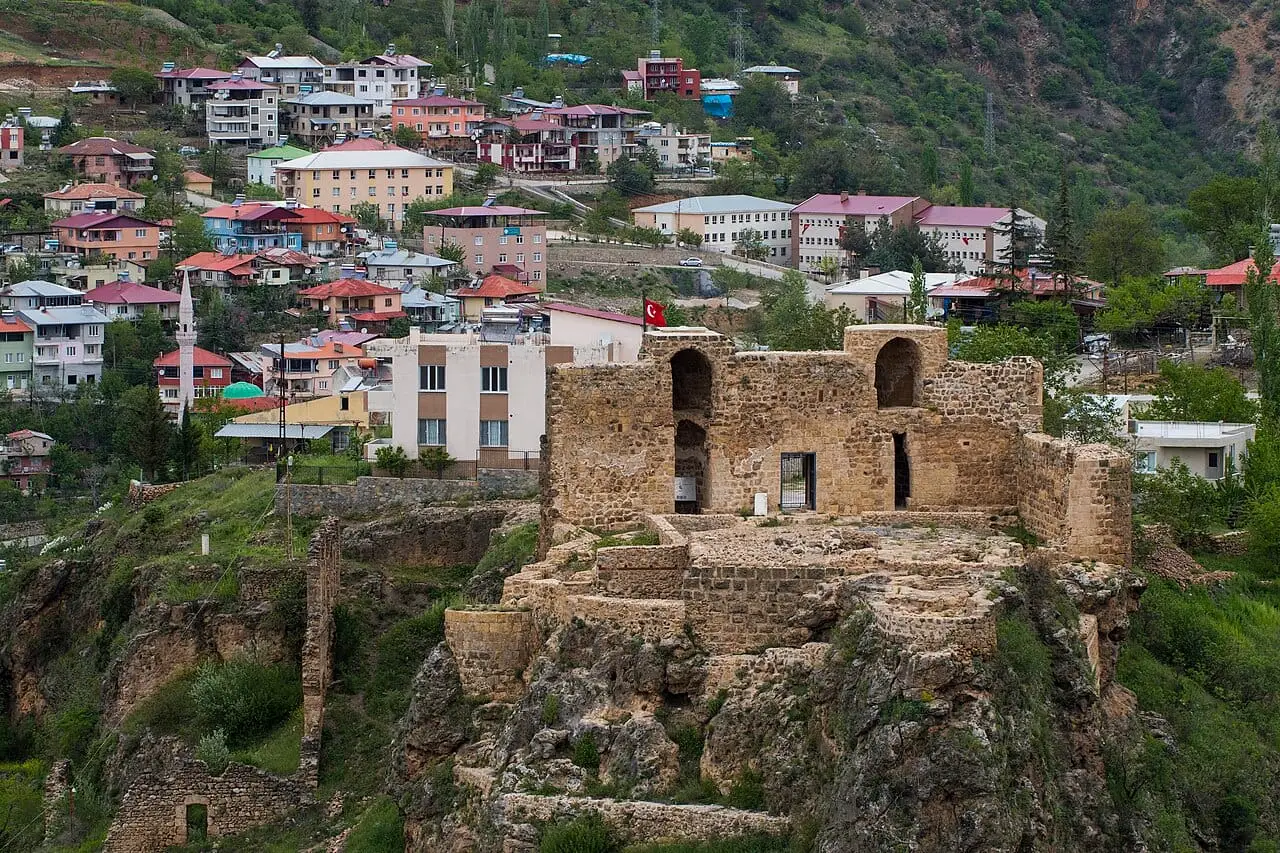
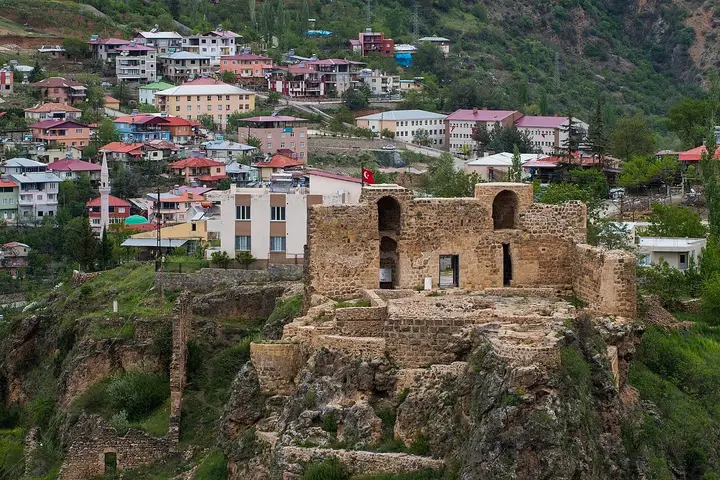 Photo: Zeynel Cebeci (CC BY-SA 4.0) · Source