8 places to visit in the Osmancık district of Çorum: Osmancık Castle, Koyunbaba Bridge and Koyunbaba Tomb. Plan your trip to Osmancık with local food, practical tips and transport information.

Share with friends

Osmancık is a district of Çorum, located in the north of the province. The district covers an area of 1,273 km², with an average elevation of 419 metres above sea level.

History

The remains of the castle’s towers and walls are preserved, and numerous tombs are found on the eastern side of the rock outcrop.

Economy and Agriculture

The most widely grown agricultural product in the district is rice, and the Osmancık-97 variety was registered in 1997. Osmancık-97 is a high-yielding variety that ripens in 130–135 days.

Culture

Osmancık is one of the rare districts where the customs and traditions of Central Anatolia can still be seen from the past to the present.

History and Culture

The town of Pimolisa, founded in the Roman period, stood where the castle is today. Koyunbaba Bridge was begun in 1484 and completed in 1489; it is 250 metres long. Roman-period rock tombs are located to the south of the castle.

Key Facts

In Osmancık, a castle belonging to the kings of Pontus was destroyed in the time of Strabo. In the time of Bayezid II, Koyunbaba Bridge was built over the Kızılırmak in the centre of Osmancık.


Last updated:

Places to Visit in Osmancık

  • 3 Historic
  • 1 Ancient City
  • 3 Religious
  • 1 Nature

Historic Sites 3

Koyunbaba Bridge - Osmancık Photo: Yesilordek (CC BY 3.0) · Source

Historic

Koyunbaba Bridge

A historic stone bridge built over the Kızılırmak in the 15th century, one of the important examples of Ottoman-period bridge architecture. The bridge takes its name from a Turkmen dervish called Koyunbaba who lived in the region.

View on map
Historic

Osmancık Kandiber Castle

A castle built on a natural rocky outcrop beside the Kızılırmak.

View on map
Historic

Baltacı Mehmet Paşa Fountain

A fountain in Osmancık, commissioned by the grand vizier Baltacı Mehmet Paşa.

View on map

Ancient Cities 1

Osmancık Castle - Osmancık Photo: Umrancoban (CC BY-SA 4.0) · Source
Ancient City

Osmancık Castle

Built on top of the Roman-era town of Pimolisa, the castle's towers and wall remnants are preserved.

View on map

Religious Buildings 3

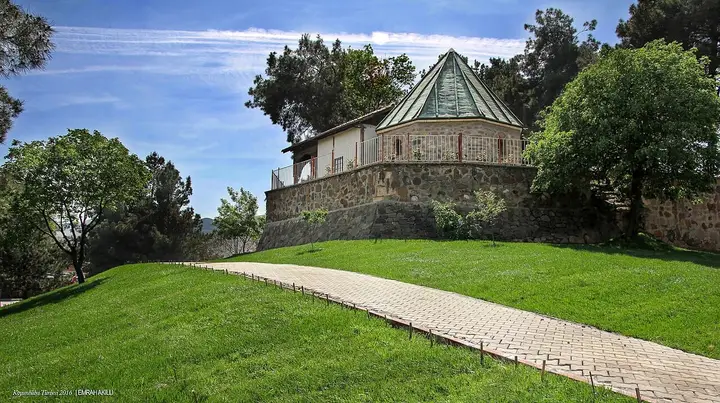
Koyunbaba Tomb - Osmancık Photo: Emrahakilli (CC BY-SA 4.0) · Source
Religious

Koyunbaba Tomb

The tomb of Seyit Ali Koyunbaba, who lived in Osmancık in the 15th century, is one of the district's most important places of pilgrimage. Koyunbaba came to Osmancık from Bursa and settled there as a shepherd dervish.

View on map
Religious

Osmancık Grand Mosque

Built in the Ottoman period, the Grand Mosque is the largest and oldest mosque in the district. It is a fine example of Ottoman provincial mosque architecture, notable for its stonework and traditional features.

View on map
Religious

Osmancık İmaret Mosque

A mosque in the centre of Osmancık, built as part of an imaret (charitable soup kitchen complex).

View on map

Natural Wonders 1

Kızılırmak Valley - Osmancık Photo: Emrahakilli (CC BY-SA 4.0) · Source
Nature

Kızılırmak Valley

The Kızılırmak River, which flows through Osmancık, forms deep valleys and fertile plains. Nature walks and photography are possible along the valley.

View on map

Places to Visit Around Çorum Province

See all →

While you are in Osmancık, you can also see the highlights of Çorum province. These places are in other districts; Osmancık is about 55 km from the provincial centre.

  • Hattuşa (Boğazköy) — The Hittite capital, 82 km south-west of Çorum and 4 km east of Boğazkale.
  • Hattuşa Great Temple and Green Stone — The Great Temple in the Lower City, measuring 65 × 42 metres and thought to have been dedicated to the Storm God and the Sun Goddess.
  • Yazılıkaya — The Hittite open-air sanctuary 2 km north-east of Hattuşa.
  • Alacahöyük — A mound 15 km north-west of Alaca, where 15 building levels from four cultural phases have been identified.
  • Şapinuva — A military and religious centre at Ortaköy, known as the second largest city of the Hittite Kingdom.
  • Boğazköy Museum — A museum at the entrance to Hattuşa displaying the tablets, seals and ceramics unearthed at the site.

Practical Information for Visiting Osmancık

Suggested time
1 day
Best time to visit
Spring and autumn
Places to visit
8 places

What to Eat in Osmancık

Food guide →
  • Osmancık Domates Kavurması (tomato stew)

    Osmancık Domates Kavurması was registered as a protected geographical indication on 3 April 2026 (TÜRKPATENT registration no. 1838). Product group: dishes and soups. Registered by: Osmancık Kaymakamlığı (District Governorship).

  • Osmancık Kaypak Yemeği (local dish)

    Osmancık Kaypak Yemeği was registered as a protected geographical indication on 7 April 2025 (TÜRKPATENT registration no. 1718). Product group: dishes and soups. Registered by: Osmancık Kaymakamlığı (District Governorship).

  • Osmancık Malak Tatlısı (dessert)

    Osmancık Malak Tatlısı was registered as a protected geographical indication on 25 June 2025 (TÜRKPATENT registration no. 1749). Product group: bakery and confectionery products, pastry, and desserts. Registered by: Osmancık Kaymakamlığı (District Governorship).

  • Osmancık Yaprak İçi Yemeği (stuffed leaf dish)

    Osmancık Yaprak İçi Yemeği was registered as a protected geographical indication on 25 June 2025 (TÜRKPATENT registration no. 1750). Product group: dishes and soups. Registered by: Osmancık Kaymakamlığı (District Governorship).

  • Osmancık Yırtmaç Yemeği (local dish)

    Osmancık Yırtmaç Yemeği was registered as a protected geographical indication on 18 November 2024 (TÜRKPATENT registration no. 1662). Product group: dishes and soups. Registered by: Osmancık Kaymakamlığı (District Governorship).

  • Osmancık rice

    Rice is the most widely grown agricultural product in the district.

Culture, Local Products and Economy of Osmancık

  • Koyunbaba Tradition

    Koyunbaba, who lived in the 15th century, is the spiritual symbol of Osmancık. It is known that the famous guitar work by the Italian composer Carlo Domeniconi takes its name from this dervish.

  • Rice Culture

    Rice farming in Osmancık is a tradition that has lasted for centuries. Rice grown on the fertile soils of the Kızılırmak valley is an inseparable part of the district's economic and cultural identity.

Local Products

  • Osmancık Ayvalı Yahnisi (stew with quince) — Osmancık Ayvalı Yahnisi was registered as a protected geographical indication on 18 June 2025 (TÜRKPATENT registration no. 1745). Product group: dishes and soups. Registered by: Osmancık Kaymakamlığı (District Governorship).
  • Osmancık Caper Pickle — Osmancık Kapari Turşusu (caper pickle) was registered as a protected geographical indication on 4 September 2024 (TÜRKPATENT registration no. 1636). Product group: processed and unprocessed fruits and vegetables and mushrooms. Registered by: Osmancık Kaymakamlığı (District Governorship).

Economy

The economy of Osmancık is based on agriculture, livestock farming and trade. Rice production is the district's most important agricultural activity. Wheat, barley and sugar beet are also grown. Vegetables and fruit are cultivated on the fertile land of the Kızılırmak valley. The district is one of the most populous in Çorum.

How to Get to Osmancık

Osmancık is 55 km from Çorum city centre. It lies on the Ankara–Samsun highway. Intercity bus services and minibus connections from Çorum are available.

Get directions on Google Maps Getting to Çorum

Osmancık: Frequently Asked Questions

What are the things to see in Osmancık?

The 8 highlights of Osmancık are Osmancık Castle, Koyunbaba Bridge, Koyunbaba Tomb, Kızılırmak Valley, Osmancık Grand Mosque, Osmancık Kandiber Castle, Osmancık İmaret Mosque and Baltacı Mehmet Paşa Fountain.

What is there to eat in Osmancık?

Osmancık Domates Kavurması, Osmancık Kaypak Yemeği, Osmancık Malak Tatlısı and Osmancık Yaprak İçi Yemeği are the standout dishes on Osmancık's tables.

What is Osmancık famous for?

Osmancık is known for Osmancık Ayvalı Yahnisi and the Koyunbaba Tradition. It is a registered protected geographical indication product on TÜRKPATENT.

How do I get to Osmancık?

Osmancık is 55 km from Çorum city centre. It lies on the Ankara–Samsun highway. Intercity bus services and minibus connections from Çorum are available.

How much time should I allow for a visit to Osmancık?

Suggested visit length: 1 day. Best time to visit: spring and autumn.

Continue Your Trip

Other Districts of Çorum

Search 81 province guides and 968 district guides.