Ulu Mosque (Grand Mosque)
A religious building from the Seljuk period in Çorum city centre.
View on map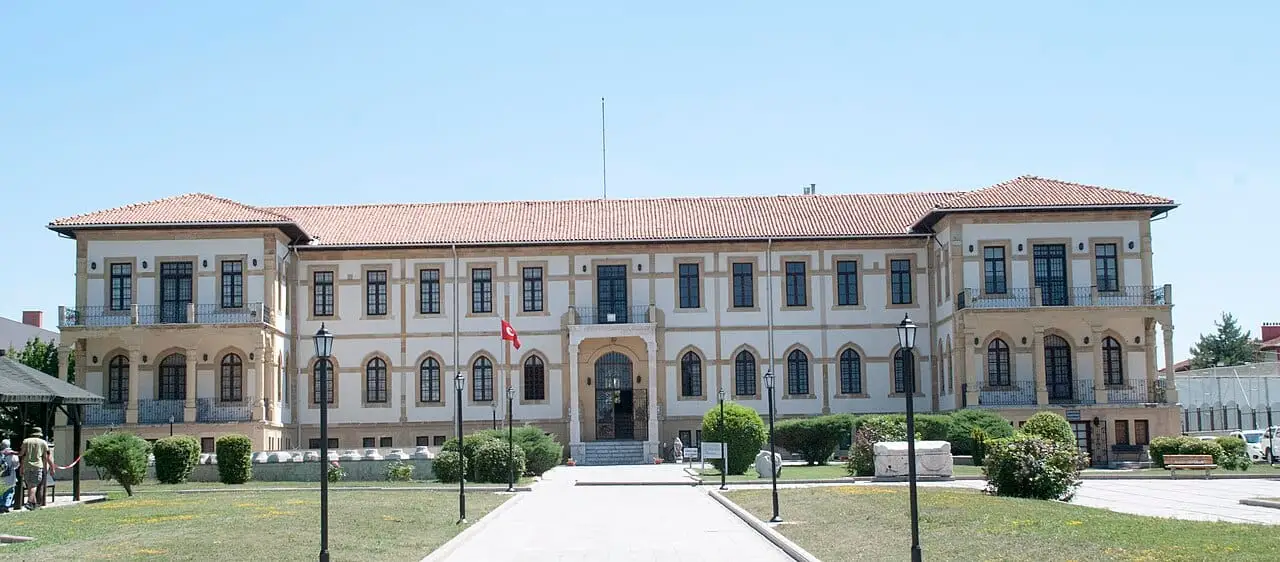 Photo: Acar54 (CC BY-SA 4.0) · Source
 6 places to visit in the central district of Çorum: Ulu Mosque (Grand Mosque), Clock Tower and Çorum Museum. Plan your trip with local food, practical tips and transport information.
Çorum is a province located between Central Anatolia and the Black Sea, founded on a plateau where the Kızılırmak and Yeşilırmak river basins meet.
The city centre preserves the Ulu Mosque from the Seljuk and Ottoman periods and the Clock Tower, built in 1894–1896.
Çorum is also the home of Türkiye’s most famous leblebi.
Çorum has a continental climate, with hot, dry summers and cold, snowy winters.
The Ulu Mosque is thought to have been commissioned during the reign of Alaaddin Keykubat III by Hayrettin, a freed slave. The inscription on the fountain in the Ulu Mosque courtyard bears the date 1758.
The Hittite capital Hattuşa (Boğazköy) lies within the borders of Çorum. Çorum is located in the northern part of Central Anatolia and the interior of the Central Black Sea region, and its mountain passes provide links to Central Anatolia.
Last updated:
A religious building from the Seljuk period in Çorum city centre.
View on map Photo: Acar54 (CC BY-SA 4.0) · Source
 The museum houses archaeological finds from the Hittite, Phrygian, Roman and Byzantine periods, and presents the rich history of Çorum. Its collection includes Hittite cuneiform tablets, sculptures and ceramics.
View on mapThe castle on the hill in the city centre was built in the Seljuk period and repaired in the Ottoman period. From the castle, there is a panoramic view of the city.
View on mapThe museum displays ethnographic objects reflecting traditional life in Çorum, including handicrafts, costumes and everyday items. The section explaining the process of making leblebi (roasted chickpeas) is of particular interest.
View on mapA grand mosque located in Çöplü Neighbourhood, within the Merkez district.
View on mapÇorum's world-famous leblebi is made by roasting chickpeas using special techniques. Leblebi comes in several varieties, including yellow, white and chocolate, and is the gastronomic emblem of the city.
Small pieces of dough filled with minced meat are boiled and served with a yoghurt and garlic sauce. Çorum mantısı is known for its thin dough and generous filling.
Made by soaking stale bread in meat broth and butter. It is one of Çorum's distinctive traditional flavours.
Vine leaves filled with rice, minced meat and spices are rolled and cooked. It is one of the best-known dishes of Çorum cuisine.
Çorum is home to Hattuşa, the capital of the Hittite Empire. The Hittites, who established the strongest state in Anatolia in the 2nd millennium BC, form the basis of Çorum's cultural identity.
Leblebi production in Çorum is a tradition that has lasted for centuries. Methods of roasting leblebi are passed down from generation to generation and are an inseparable part of the city's economic identity.
The economy of Çorum Merkez is based on industry, agriculture and trade. Leblebi production is the city's best-known economic activity. Brick and tile manufacturing, flour mills and food processing plants are important sectors. Wheat, sugar beet and sunflower are grown in agriculture. Hitit University contributes to the city's educational and economic life.
Çorum is 240 km from Ankara and 175 km from Samsun. Intercity bus services connect it with all major cities. The nearest airport is Merzifon Airport (90 km).
The 6 highlights of Çorum Merkez are the Ulu Mosque, Clock Tower, Çorum Museum, Çorum Castle, Çorum Ethnography Museum and Muradi Rabi Grand Mosque.
Çorum Leblebisi, Çorum Mantısı, Banduma and İskilip Dolması are the standout dishes on Çorum Merkez's tables.
Çorum Merkez is known for Çorum Leblebisi and the Legacy of the Hittite Civilisation. Çorum is Türkiye's leblebi production capital. Leblebi prepared with traditional roasting methods is sold both domestically and abroad.
Çorum is 240 km from Ankara and 175 km from Samsun. Intercity bus services connect it with all major cities. The nearest airport is Merzifon Airport (90 km).