Ziraat Botanik Tea Garden
A place where tea cultivation is presented from historical and botanical perspectives.
View on map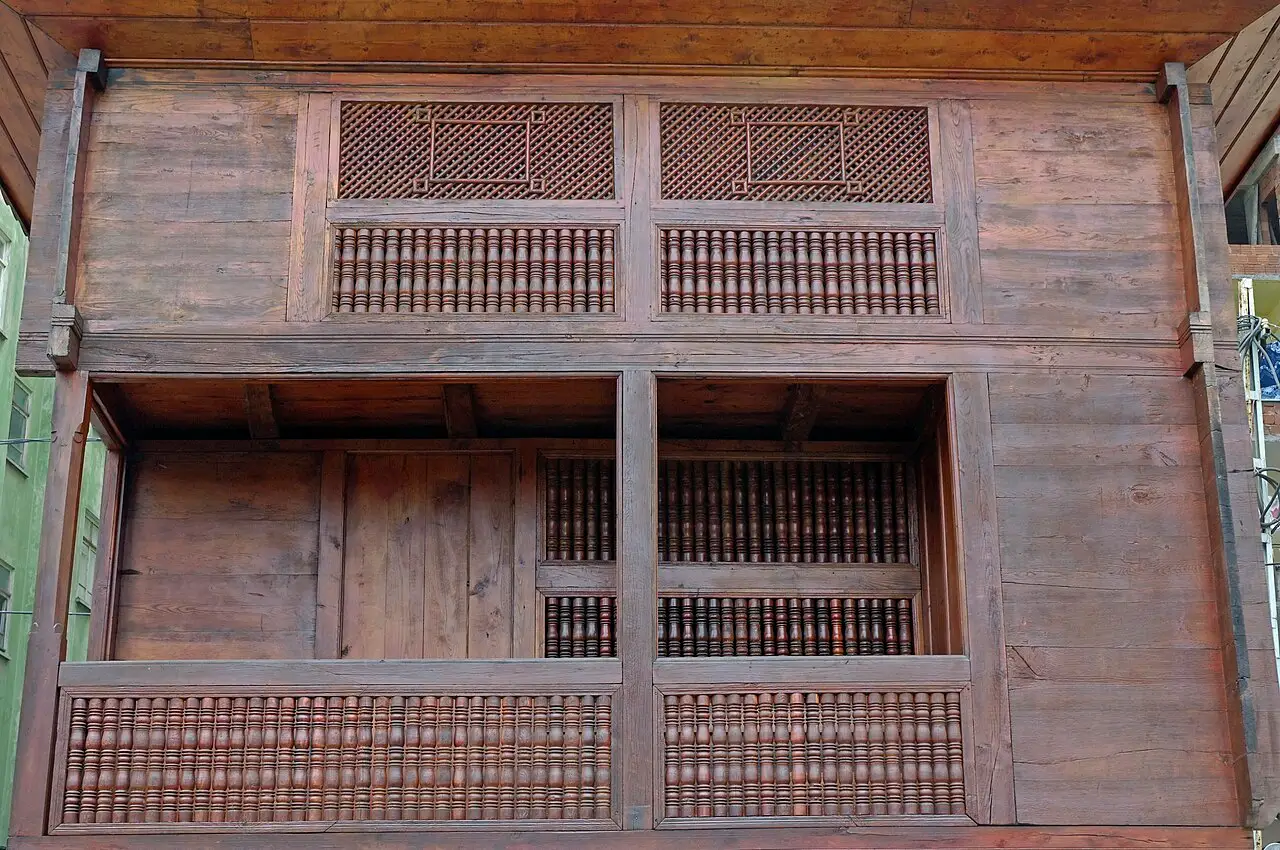 Photo: Dosseman (CC BY-SA 4.0) · Source
 4 places to visit in the central district of Rize: Ziraat Botanik Tea Garden, Rize Museum and Rize Castle. Plan your trip with local food, practical tips and transport information.
It was conquered by Fatih Sultan Mehmet in 1470 and was part of the Lazistan Sanjak during the Ottoman period.
Tea cultivation was given legal protection in 1924 by Law No. 407, passed by the Grand National Assembly. Gardens were established with seeds brought from Batum in 1937 and 1940, the first crop was harvested in 1938, and the first tea factory opened in 1947.
Rize was attached to the Trabzon Empire in 1204 and was conquered by Fatih Sultan Mehmet in 1470. In the second half of the 19th century Rize became the centre of the Lazistan Sanjak, and in the Republican period it became the provincial centre. After the Russian occupation during the First World War, Rize developed as tea cultivation spread. The Tuzcuoğulları family launched the Tuzcuoğlu Rebellion in 1832.
Last updated:
A place where tea cultivation is presented from historical and botanical perspectives.
View on map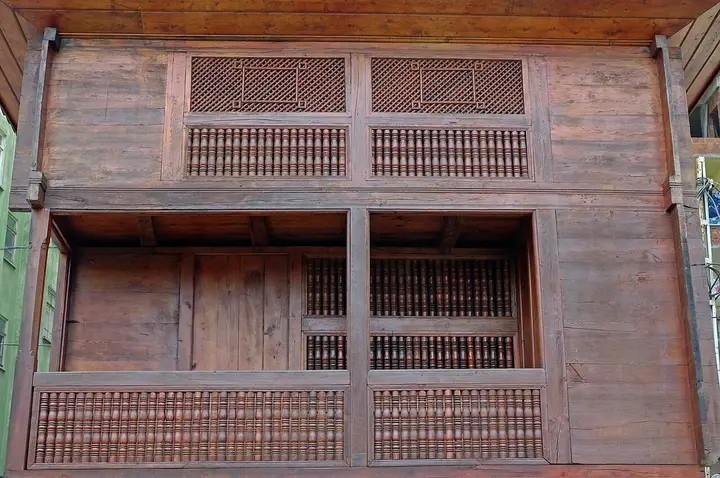 Photo: Dosseman (CC BY-SA 4.0) · Source
 The castle on the hill above the city centre dates from the Genoese period. From the castle, which was restored in the Ottoman period, there are views of Rize city centre and the Black Sea.
View on mapThe green tea gardens covering the slopes of Rize are the symbol of the city. During the tea-picking season (May–October), the tea harvest can be watched in the gardens and fresh tea can be tasted.
View on mapA Black Sea pide made with buttered dough, baked in a stone oven in minced meat, cheese and egg varieties. Rize pide is known for its thin dough and plenty of butter.
Prepared with cornmeal and Rize tulum cheese melted in butter, muhlama is the best-known flavour of the Black Sea.
Prepared by wrapping kale leaves around rice and minced meat and cooking them. This dish, which warms you on cold winter days, is the region's comfort food.
Rize has been Türkiye's tea capital since the 1940s. The traditions of tea picking, processing and brewing form the foundation of the city's cultural identity. The tea glass is the symbol of Rize.
In Rize, horon is an indispensable dance at weddings and festivals. Danced to the tulum (gaida), the horon is the most vivid expression of Black Sea culture.
Rize's economy is based on tea production and trade. The head office of ÇAYKUR is in Rize. Tea factories provide significant employment in the district. Tourism and fishing are also sources of income. Recep Tayyip Erdoğan University contributes to the economy.
Rize-Artvin Airport is 40 km away. Trabzon is 75 km away and Artvin 160 km. The coastal road (E-010) passes through the district.
The four highlights of Rize city centre are Ziraat Botanik Tea Garden, Rize Museum, Rize Castle and Rize Tea Gardens.
Rize Pidesi, Muhlama (Kuymak) and Karalahana Sarması are the standout flavours on Rize city centre's tables.
Rize city centre is known for Rize Tea and tea culture. Rize, the tea-producing centre of Türkiye, produces more than 200,000 tonnes of fresh tea a year. Rize tea, with its distinctive aroma and colour, is the symbol of Turkish tea culture.
Rize-Artvin Airport is 40 km away. Trabzon is 75 km away and Artvin 160 km. The coastal road (E-010) passes through the district.