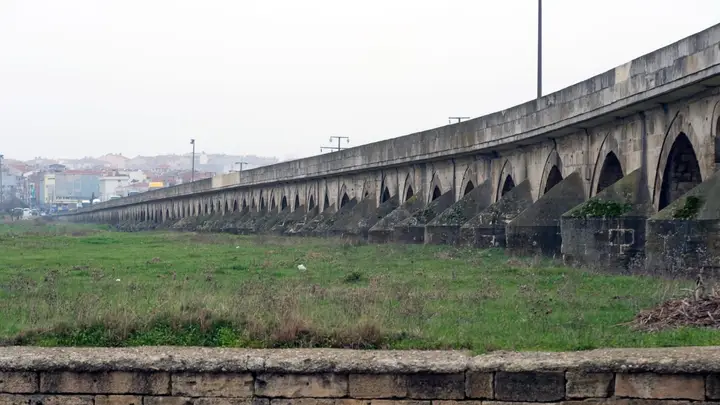
 Photo: Wikipedia (CC BY-SA) · Source
 Uzunköprü (Tarihi Taş Köprü)
A historic structure built by Sultan Murad II between 1427 and 1443, known as the longest stone bridge in the world.
View on map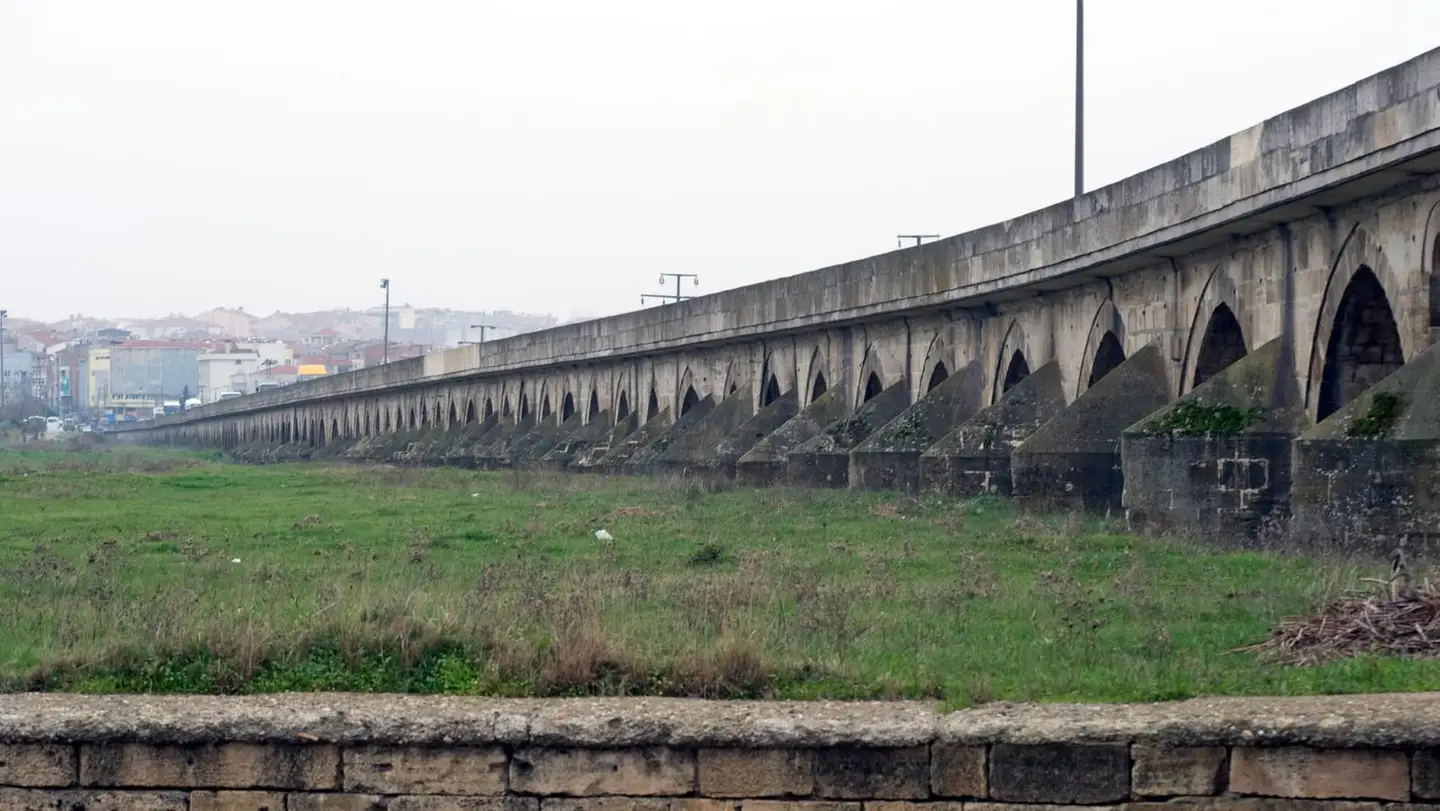 Photo: Wikipedia (CC BY-SA) · Source
 7 places to visit in the Uzunköprü district of Edirne: Uzunköprü (Tarihi Taş Köprü), Ergene Nehri Kıyısı and Uzunköprü Mosque. Plan your trip to Uzunköprü with local food, practical tips and transport information.
Uzunköprü is a district of Edirne. It lies on the bank of the Ergene River and takes its name from the longest stone bridge in the world. The district covers 1,185 km², its average elevation above sea level is 32 metres, and its population is 59,085.
Uzunköprü was the first Turkish city founded in Rumelia by the Ottoman State, established by Sultan Murad II in 1427 under the name Ergene. The stone bridge, whose construction began in 1424, was completed in 3 years, but Murad II found it insufficient and had it entirely demolished and rebuilt; the bridge built between 1427 and 1443 has stood to this day. To meet the needs of the workers building the bridge and the soldiers guarding the region, a mosque, imaret, caravanserai, madrasa, bath and windmills were built.
Uzunköprü experienced four separate occupations within a period of a century, from the end of the 19th century to the beginning of the 20th century.
Uzunköprü’s economy is based on agriculture and agricultural industry. The district lies in the Ergene basin and has fertile soils. Of its land, 80% is farmed, and the district grows mostly wheat, paddy, sunflowers and sugar beet.
The town was founded by Sultan Murad II in 1427 under the name Ergene. The national liberation day of 18 November is celebrated in Uzunköprü every year with ceremonies.
Last updated:
Photo: Wikipedia (CC BY-SA) · Source A historic structure built by Sultan Murad II between 1427 and 1443, known as the longest stone bridge in the world.
View on mapThe river, the main source of the district's natural geography, has played an important role throughout history.
View on mapA mosque built by Sultan Murad II in the same period as the historic bridge, reflecting the early Ottoman architectural style. As part of the bridge complex, the mosque is notable for its stonework and plain architecture.
View on map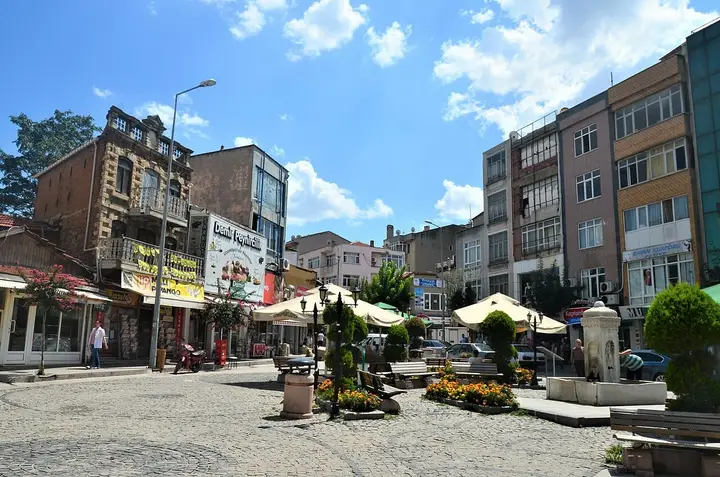 Photo: CeeGee (CC BY-SA 4.0) · Source
 The traditional bazaar in the district centre continues Thrace's trading tradition. Where local products, handicrafts and traditional foods are sold, the bazaar offers a shopping and cultural experience.
View on mapA stone bridge over the Ergene River. According to one source, the district takes its name from this bridge, and it is known as the longest stone bridge in the world.
View on mapA monument erected at the left-hand end of the bridge, facing the district.
View on mapWhile you are in Uzunköprü, you can also see the highlights of Edirne province. These places are in other districts; Uzunköprü is about 65 km from the provincial centre.
Uzunköprü Köftesi was registered as a geographical indication on 22 September 2025 (TÜRKPATENT registration no. 1777). Product group: dishes and soups. Registered by: Uzunköprü Chamber of Commerce and Industry.
Thinly sliced veal liver, dusted with flour and fried in hot oil. Uzunköprü's liver specialists serve this signature flavour of Edirne using the traditional recipe.
Meatballs made from minced beef mixed with stale bread, onion and spices, grilled over charcoal. Uzunköprü's köfte makers have been preserving this traditional flavour of the region for years.
A traditional dessert made by cooking fresh white cheese with sugar, specific to the Thrace region. The helva, served hot at Uzunköprü on festivals and special days, is offered to guests.
Built in 1427, Uzunköprü is the longest stone bridge in the world, having stood for nearly 600 years. This structure, which defines the district's name, identity and cultural heritage, is a masterpiece of Ottoman engineering.
Thanks to its historic bridge, Uzunköprü has been one of Thrace's important trading centres for centuries. Occupying a key position on the trade route between the Balkans and Anatolia, the district continues this tradition today.
Uzunköprü is the most populous district of Edirne. Its economy is based on agriculture, trade and small industry. Sunflowers, wheat and paddy are the main agricultural products. Oil factories and food-processing plants provide significant employment. Cultural tourism is developing thanks to the historic bridge.
Uzunköprü is 65 km from Edirne city centre. Located on the D-550 highway, the district can be reached by road from Edirne and Istanbul. It also has a rail link, lying on the Istanbul–Edirne railway line.
The 7 highlights of Uzunköprü are: Uzunköprü (Historic Stone Bridge), Ergene River Bank, Uzunköprü Mosque, Uzunköprü Bazaar, Uzunköprü (Ergene) Bridge, Muradiye Mosque and Hürriyet Monument (Hürriyet Fountain).
Uzunköprü Köftesi, Edirne Tava Ciğeri, Trakya Köftesi and Peynir Helvası are the standout flavours on Uzunköprü's tables.
Uzunköprü is known for sunflowers and the World's Longest Stone Bridge. Sunflowers grown over wide areas of the Uzunköprü plain are the district's main agricultural product, processed in oil factories into sunflower oil.
Uzunköprü is 65 km from Edirne city centre. Located on the D-550 highway, the district can be reached by road from Edirne and Istanbul. It also has a rail link, lying on the Istanbul–Edirne railway line.
Suggested visit length: 1 day. Best time to visit: spring and autumn.