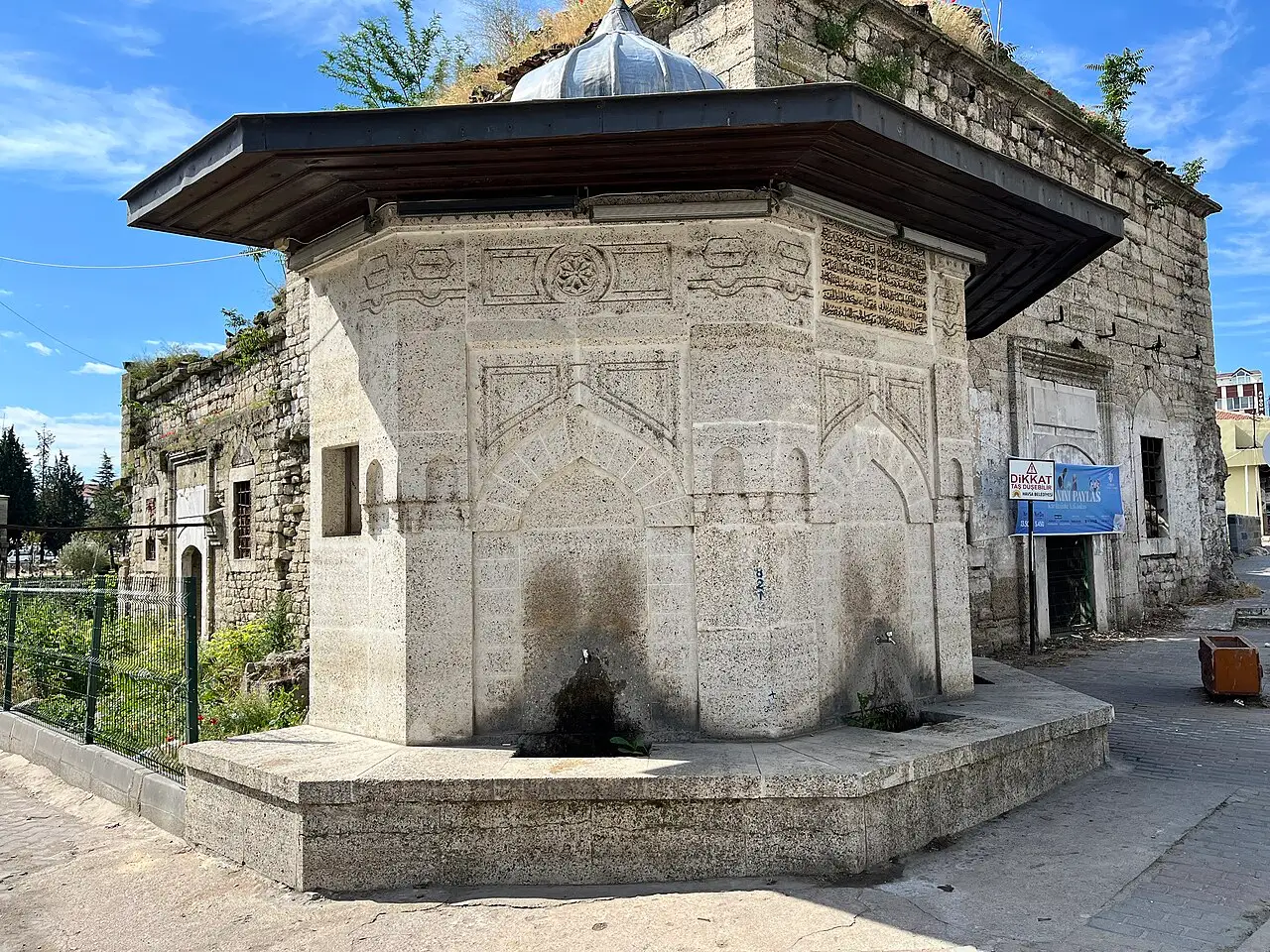
9 places to visit in the Havsa district of Edirne: Sokollu Mehmet Paşa Mosque, Havsa Hammam and Havsa Fountains. Plan your trip to Havsa with local food, practical tips and transport information.

Share with friends

Havsa is a district in the northern half of Edirne province, on the Konya plateau. The district covers an area of 545 km², has an average altitude of 77 metres above sea level, and has a population of 17,302. Havsa was founded by the ancient Romans and remained in Byzantine hands.

History

In 1331 the Turks brought it into Turkish territory through I. Murat and gave the town the name ‘Hosa’. The district name came about when Hafıza Sultan, one of the Sultan’s consorts, settled in the district, and it was first called ‘Hafse’ and later the name ‘Havsa’ emerged.

Geography

The land is generally flat plain made up of farmland, and the climate is continental throughout the year.

History and Culture

It is stated that Havsa district was founded by the Romans. The district developed when Sokollu Mehmet Paşa gave it importance. Havsa gained district status for the third time in 1954, after becoming a subdistrict following the Balkan and First World War periods. The Osmanlı village was founded in 1677.

Last updated:

Places to Visit in Havsa

  • 3 Historic
  • 2 Religious
  • 2 Nature
  • 1 Attraction
  • 1 Cultural

Historic Sites 3

Historic

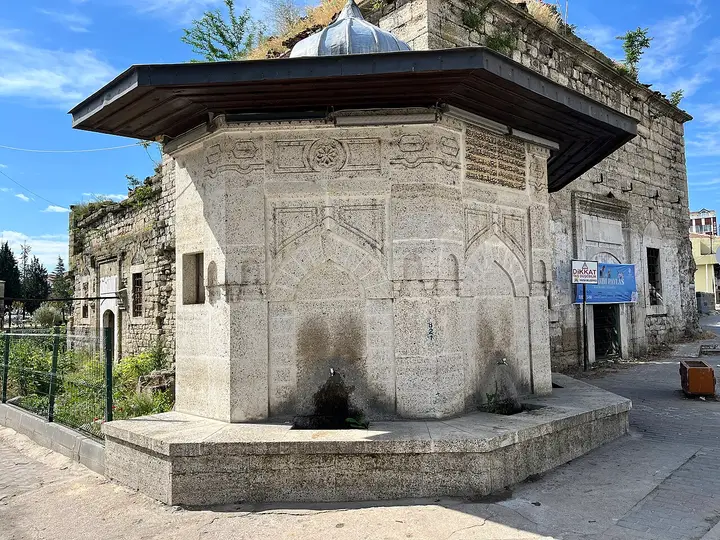
Havsa Fountains

Ottoman-period fountains in the district centre and villages, with stonework and inscriptions that give them historical value. As fine examples of water architecture, the fountains shed light on the social life of past periods.

View on map
Historic

Kurt Bey Monument

Mentioned on Wikipedia as the monument of Kurt Bey, said to have been one of the Bektashi dervishes.

View on map
Historic

Sokollu Hammam

According to Wikipedia, a hammam in ruins.

View on map

Religious Buildings 2

Religious

Sokollu Mehmet Paşa Mosque

A historic mosque designed by Mimar Sinan in 1531 and commissioned by Kazım Paşa, son of Sokollu Mehmet Paşa.

View on map
Religious

Sokollu Mosque

A mosque mentioned among Havsa's historic monuments on Wikipedia; it is said to have been commissioned by Sokollu Mehmet Paşa in 1531.

View on map

Natural Wonders 2

Nature

Views of the Thracian Plains

The flat Thracian plains surrounding Havsa turn into a sea of yellow flowers, especially in the sunflower season. In July and August, sunflower fields stretching to the horizon offer unique scenery for photographers.

View on map
Nature

Doğruk Hill

The highest of the district's low hills.

View on map

Attractions 1

Attraction

Osmanlı Village

An Ottoman village attached to Havsa, which has attracted visitors in recent years because of its meatballs.

View on map

Cultural Venues 1

Havsa Hammam - Havsa Photo: Sadrettin (CC BY-SA 4.0) · Source
Cultural

Havsa Hammam

A historic hammam from the Sokollu period, now in ruins.

View on map

Places to Visit Around Edirne Province

See all →

While you are in Havsa, you can also see the highlights of Edirne province. These places are in other districts; Havsa is about 35 km from the provincial centre.

  • Selimiye Mosque and Complex — Built by Mimar Sinan at the age of 80 for Selim II, begun in 1568 and opened for worship on 14 March 1575, the mosque is Sinan's 'masterpiece', with a dome more than 43 metres across and four 70.89-metre minarets with three balconies each.
  • Old Mosque (Eski Cami) — A nine-domed mosque begun by Süleyman Çelebi in 1403 and completed by Mehmed I in 1414; it is the first monumental building in Edirne to survive to the present day.
  • Üç Şerefeli Mosque — Built in the reign of Murad II, its plan with a courtyard and a broad dome is regarded as the forerunner of the classical Ottoman mosque.
  • Bayezid II Complex — A complex on the bank of the Tunca built by Mimar Hayreddin in 1484–1488, made up of a mosque, a darüşşifa (hospital), a medical madrasa, a soup kitchen and a hammam.
  • Edirne Health Museum — A museum in the darüşşifa (hospital) of the Bayezid II Complex that recreates the spaces where patients were treated with music, the sound of water and scents; it won the Council of Europe's European Museum Award in 2004.
  • Kırkpınar Wrestling Arena (Sarayiçi) — The wrestling arena at Sarayiçi where the Kırkpınar Oil Wrestling Festival has been held since 1924. The winner of the three-day tournament, held every year in late June or early July, receives the title of 'başpehlivan' (chief wrestler).

Practical Information for Visiting Havsa

Suggested time
Half a day
Best time to visit
July–August (sunflower season)
Places to visit
9 places

What to Eat in Havsa

Food guide →
  • Trakya Ciğer Tava (Thracian fried liver)

    Thinly sliced beef liver, dusted in flour and fried in hot oil. Ciğer tava, the most famous delicacy of the Edirne region, is served with fried peppers.

  • Ayçiçeği Helvası (sunflower-seed halva)

    A sweet specific to Thrace, made from the seeds of sunflowers, which are widely grown in the region. The halva, made with a traditional recipe, is served with tea.

  • Trakya Köftesi (Thracian meatballs)

    Meatballs made by adding stale bread, onion and spices to minced beef, which are grilled. They are served with traditional recipes in Havsa's butchers and restaurants.

  • Osmanlı village köftesi (Ottoman village meatballs)

    In the Ottoman village attached to Havsa, köfte is served with village bread.

Culture, Local Products and Economy of Havsa

  • Ottoman Külliye Tradition

    The külliye (complex) commissioned by Sokollu Mehmet Paşa, with its mosque, hammam and fountains, shows Havsa's importance in the Ottoman period. The district served as a waystation on the İstanbul–Edirne route.

  • Thracian Farming Culture

    The farming tradition maintained in Havsa for centuries forms the foundation of the district's cultural identity. Harvest seasons and agricultural festivals are important parts of social life.

Local Products

  • Sunflower — Havsa has one of the most productive sunflower-growing areas in Thrace. Sunflowers grown on the wide plains are used as raw material for the oil industry.
  • Wheat — Wheat grown on the fertile soils of the Thracian plain is one of Havsa's important agricultural products. High-quality wheat is produced for the flour industry.

Economy

The economy of Havsa is largely based on agriculture. Sunflower, wheat and rice are the main agricultural products. Oil factories and flour mills form the basis of agro-industry. Livestock farming is also an important source of livelihood.

How to Get to Havsa

Havsa is 35 km from Edirne city centre. Located on the D-100 highway, the district can easily be reached by road from Edirne and İstanbul. Intercity bus services are available.

Get directions on Google Maps Getting to Edirne

Havsa: Frequently Asked Questions

What are the places to see in Havsa?

The 9 highlights of Havsa are the Sokollu Mehmet Paşa Mosque, Havsa Hammam, Havsa Fountains, Views of the Thracian Plains, Sokollu Mosque, Kurt Bey Monument, Sokollu Hammam, Doğruk Hill and the Ottoman village.

What is there to eat in Havsa?

Trakya Ciğer Tava, Ayçiçeği Helvası, Trakya Köftesi and Ottoman village meatballs are the standout flavours at Havsa's tables.

What is Havsa famous for?

Havsa is known for its Sunflower and its Ottoman Külliye Tradition. Havsa has one of the most productive sunflower-growing areas in Thrace. Sunflowers grown on the wide plains are used as raw material for the oil industry.

How do I get to Havsa?

Havsa is 35 km from Edirne city centre. Located on the D-100 highway, the district can easily be reached by road from Edirne and İstanbul. Intercity bus services are available.

How much time should I set aside for a visit to Havsa?

Suggested visit length: half a day. Best time to visit: July–August (sunflower season).

Continue Your Trip

Other Districts of Edirne

Search 81 province guides and 968 district guides.