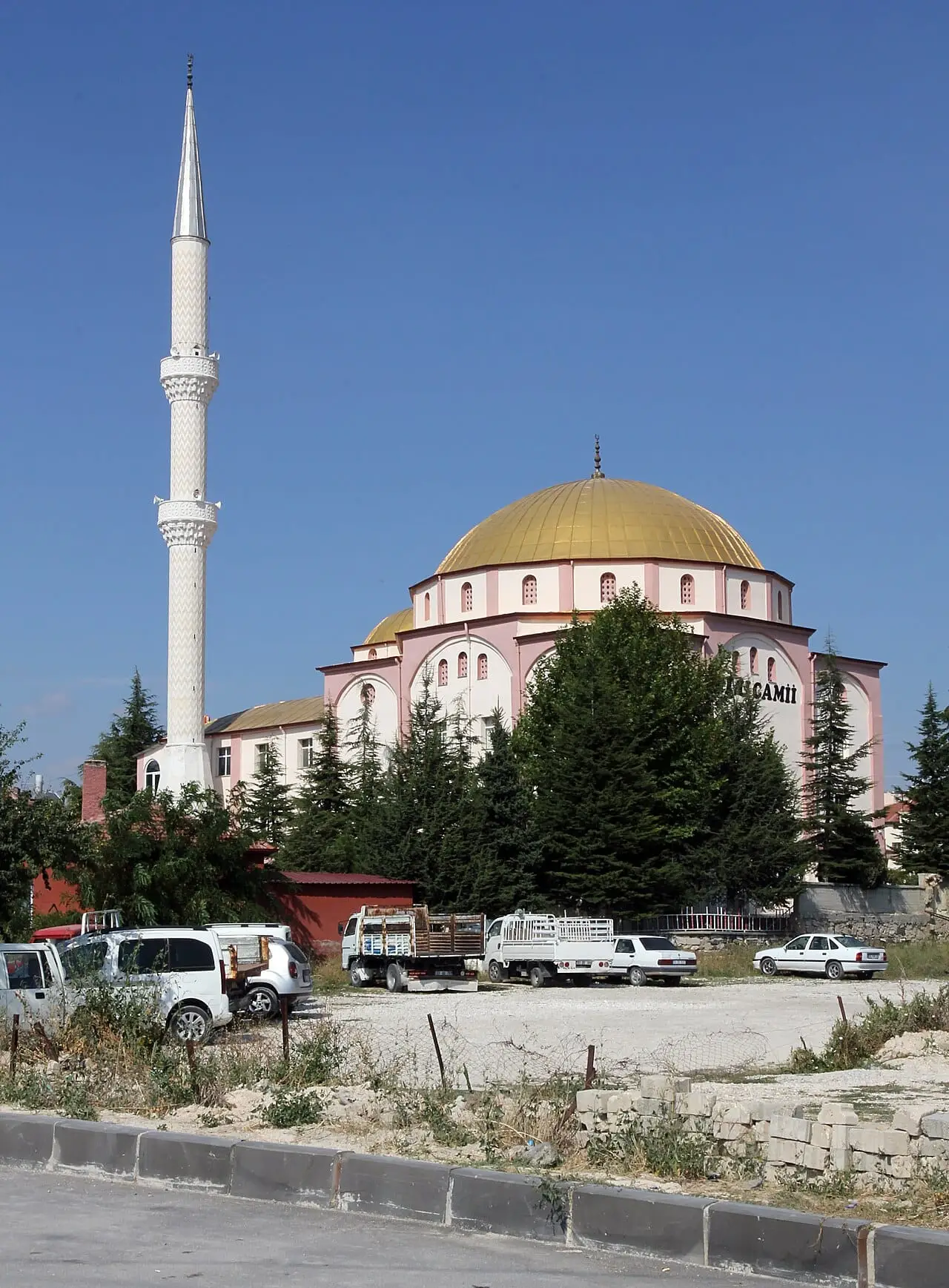
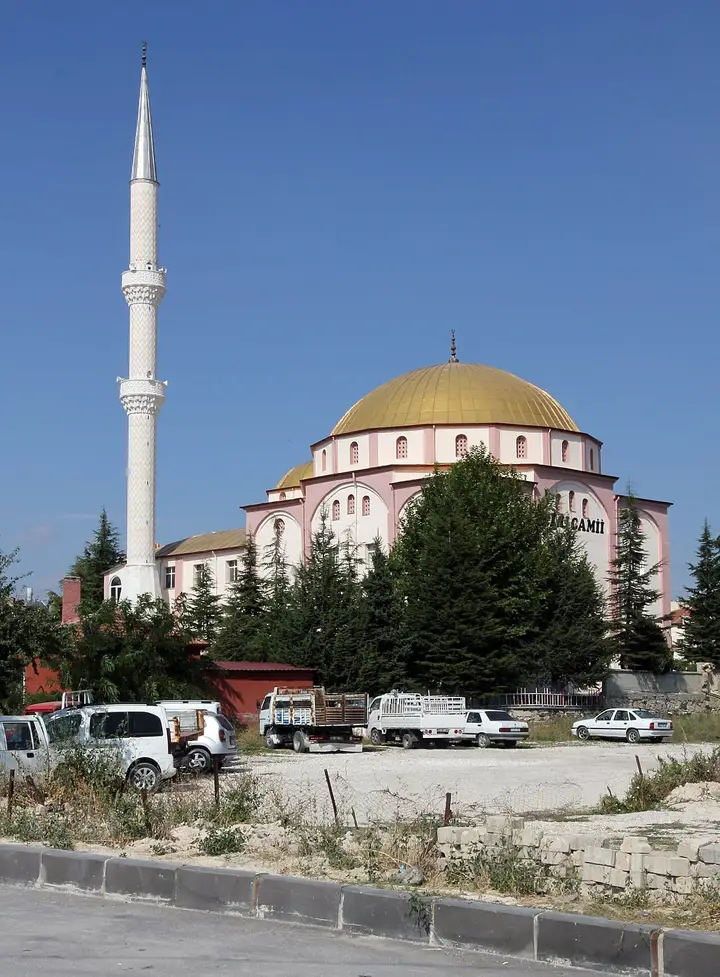
İscehisar is a district of Afyonkarahisar province. Its area is 489 km², its altitude 1,079 m and its population 25,220. One of its oldest known names is Dokimeion, used since the Hellenistic period. In the Republican period, İscehisar developed rapidly; it became a municipality in 1952 and a district in 1987.
Ancient Period
Dokimeion was founded in 321 BC by Antigonos Dokimos as a garrison town to house Macedonian soldiers. Named Docimeium in the Roman period, the city reached its most brilliant era and became famous for its marble quarries. The use of Dokimeion marble in the rebuilding of Rome and in the Vatican shows the world-wide value of the city’s marble. In the Byzantine period the city became famous for the marble it supplied for the construction of Hagia Sophia.
Turkish and Ottoman Period
Because the Turks found the city deserted, it was called “İssizcekarahisar”, which later became “İscehisar”. İscehisar passed under the rule of the Germiyanoğulları Principality in 1341 and was incorporated into Ottoman territory in 1429.
Geography
One of the districts at the easternmost point of the Aegean Region, İscehisar lies at the 23rd kilometre of the Afyonkarahisar–Ankara road. The district centre is built on 7 hills, and the İscehisar Stream divides the district in two. The average elevation of the district above sea level is 1,079 metres.
Economy and Marble Industry
The Dokimeion marble quarried in the district is considered 1st-class in the world marble literature. There are more than 650 marble factories of various sizes in the district.
Tourism
In terms of tourism, İscehisar is very rich, as it lies in the Phrygian Valley.
History and Culture
İscehisar passed under the rule of the Germiyanoğulları Principality in 1341. One of İscehisar’s earliest known names is Dokimeion, a name used since the Hellenistic period. According to the district’s promotional material from its municipality, the district contains many works from the Roman, Hittite, Phrygian and Turkish-Islamic periods.