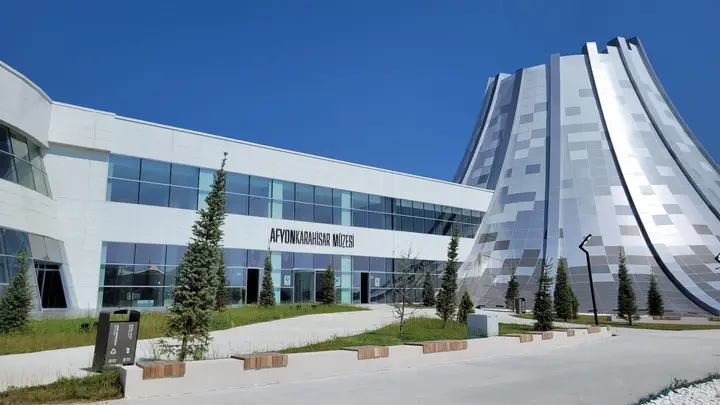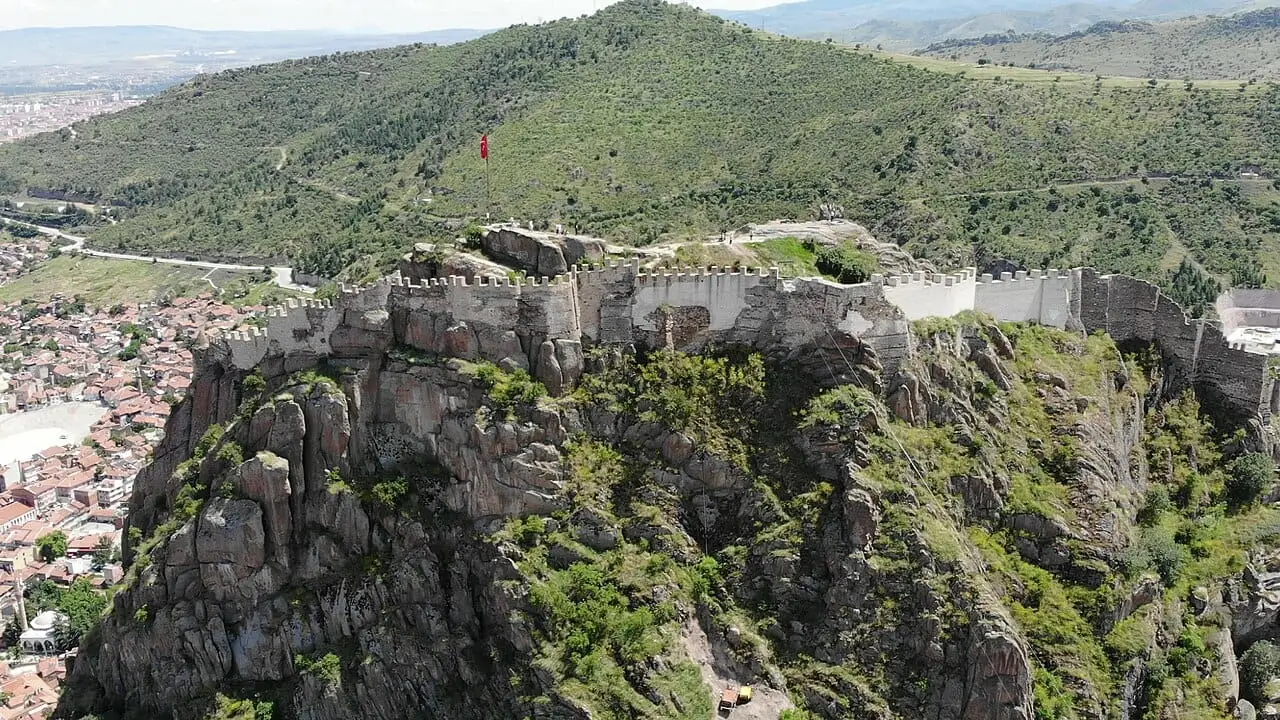
10 places to visit in the central district of Afyonkarahisar: Mevlevihane Museum, Zafer Museum and Karahisar Castle. Plan your trip with local food, practical tips and transport information.

Share with friends

Afyonkarahisar (Merkez district) is a city founded at the meeting point of the Aegean, Central Anatolian and Mediterranean regions in Inner Western Anatolia. The symbol of the city is the castle on a 226-metre rock on top of an extinct volcano. The city’s present name was given by Selim II, after the poppy (afyon) grown in the region.

Religious and Cultural Heritage

In 1316, Ulu Ârif Çelebi founded the Mevlevihane, and with the complex of Gedik Ahmed Paşa, vizier of the Fatih period, the city preserves its Seljuk–Ottoman urban fabric to the present day.

Turkish War of Independence

The city was liberated on 27 August, and the final plans for the Başkomutanlık Meydan Muharebesi (Commander-in-Chief Battle of the Field) were made in the building that is now the Zafer Museum.

Thermal Tourism

Afyonkarahisar is the province in Türkiye with the highest thermal bed capacity.

History and Culture

A stone monument was built on Kocatepe in 1953 by the Ministry of National Defence. The Victory Week celebrations held every year from 26 to 30 August begin with the ceremony at Kocatepe.

Last updated:

Places to Visit in Afyonkarahisar Central District

  • 4 Historic
  • 1 Religious
  • 1 Museum
  • 3 Attraction
  • 1 Cultural

Historic Sites 4

Karahisar Castle - Merkez Photo: Nabbegat (CC BY-SA 4.0) · Source
Historic

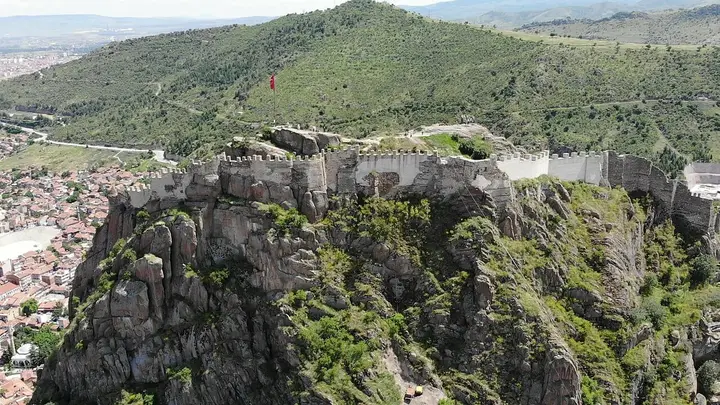
Karahisar Castle

Dating to around 1350 BC and giving the city its name, this castle is built on a 226-metre volcanic rock mass. Used in the Hittite, Phrygian, Roman, Byzantine, Seljuk and Ottoman periods, it is reached by a 700-step staircase, and the whole city can be seen from the top.

View on map
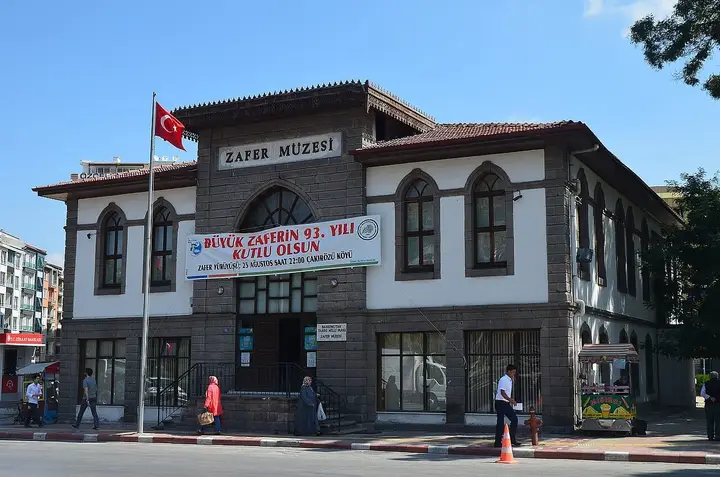
Zafer Museum (Commander-in-Chief's Headquarters) - Merkez Photo: CeeGee (CC BY-SA 4.0) · Source
Historic

Zafer Museum (Commander-in-Chief's Headquarters)

The headquarters building from which Mustafa Kemal Atatürk planned the Great Offensive during the War of Independence now serves as a museum. This historic site, where the Great Offensive that began on 26 August 1922 was planned, displays documents and photographs from the war period.

View on map
Historic

Mevlevi Museum (Mevlevihane)

Built in the Ottoman period, this Mevlevihane reflects the importance of Afyon in Sufi culture. Restored and converted into a museum, the building displays works belonging to Mevlevi dervishes, sema costumes and manuscripts.

View on map
Historic

Kocatepe Atatürk Monument and Inscription

The monument on Kocatepe, at an elevation of 1,874 m, within the boundaries of Büyük Kalecik town.

View on map

Religious Buildings 1

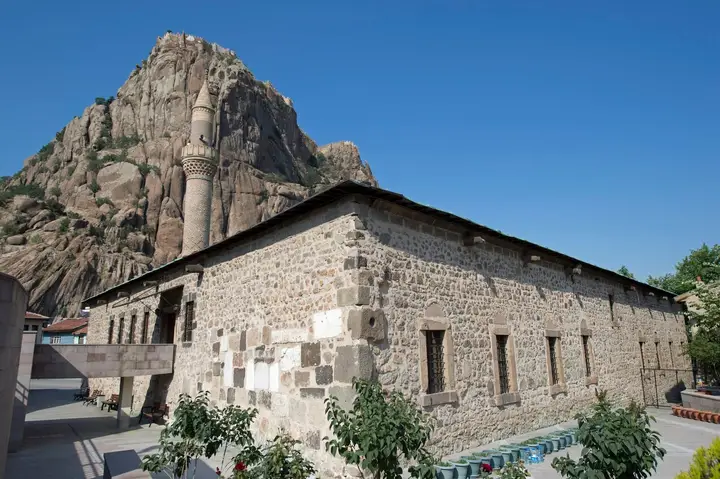
Afyon Grand Mosque - Merkez Photo: Wikipedia (CC BY-SA) · Source
Religious

Afyon Grand Mosque

Built in 1272 under the Seljuk Sultan II. Gıyaseddin Keyhüsrev by Sahip Ata Fahreddin Ali, this mosque, with its flat roof resting on 40 wooden columns, is one of the oldest wooden-columned mosques in Anatolia. It contains some of the finest examples of Seljuk woodworking.

View on map

Museums 1

Museum

Zafer Museum

The building where the final plans for the Başkomutanlık Meydan Muharebesi (Commander-in-Chief Battle of the Field) were made.

View on map

Attractions 3

Afyon Archaeology Museum - Merkez Photo: Wikipedia (CC BY-SA) · Source
Attraction

Afyon Archaeology Museum

Founded in 1933, this museum displays archaeological works from the Phrygian, Roman and Byzantine periods. Its collection includes Phrygian-period rock monuments, Roman sculptures and Ottoman-period ethnographic works.

View on map
Attraction

Ömer-Gecek Hot Springs

Located 22 km north of Afyonkarahisar, these thermal facilities, with waters at 60–98°C, are one of Türkiye's most important spa centres. The waters are known to help with rheumatism, skin conditions and respiratory ailments and are served in modern thermal hotels.

View on map
Attraction

Gazlıgöl Hot Springs

Gazlıgöl, 25 km from Afyonkarahisar, is one of the rare spa centres in Türkiye with naturally carbonated thermal waters. It is especially favoured for the treatment of circulatory and skin conditions.

View on map

Cultural Venues 1

Cultural

Mevlevihane Museum

The Mevlevihane founded in 1316 by Ulu Ârif Çelebi.

View on map

What to Eat in Afyonkarahisar Central District

Food guide →
  • Afyon Sucuğu

    This sausage, the protected geographical indication product of Afyonkarahisar, is made with regional spices and in particular poppy oil. Dried in natural casings, it is the most beloved flavour at breakfast tables.

  • Afyon Kaymağı

    Produced from buffalo milk by traditional methods, Afyon kaymağı is famous for its thick, creamy texture. Served with honey or with kaymaklı ekmek kadayıfı, this cream is a symbol of the city's gastronomic identity.

  • Kaymaklı Ekmek Kadayıfı (bread kadayıf with clotted cream)

    Prepared bread kadayıf, topped generously with Afyon kaymağı, this dessert is the city's most famous delicacy. The harmony of syrupy kadayıf and cold kaymak leaves an unforgettable taste.

  • Haşhaşlı Çörek (poppy seed pastry)

    Made with seeds from poppy, the signature plant of Afyonkarahisar, this pastry is baked in the city's bakeries using a traditional recipe. It is eaten at breakfast or at teatime.

Culture, Local Products and Economy of Afyonkarahisar Central District

  • Thermal Tourism Capital

    Afyonkarahisar is known as the thermal tourism capital of Türkiye, with thermal springs such as Ömer-Gecek, Gazlıgöl, Heybeli and Hüdai. These springs, which have hosted people seeking healing for thousands of years, now offer services through modern thermal facilities.

  • Legacy of the War of Independence

    Afyonkarahisar holds a special place in Turkish independence history as the place where the Great Offensive of the War of Independence was planned and launched. The Great Offensive Day of 26 August is celebrated with enthusiasm every year.

  • Phrygian Civilisation Heritage

    Afyonkarahisar lies at the centre of ancient Phrygia. The rock monuments, tumuli and settlement remains in the Phrygian Valley bear the traces of this ancient civilisation.

Local Products

  • Poppy and Poppy Oil — Afyonkarahisar is one of the world's largest centres for poppy cultivation for medicinal purposes. Poppy seeds are used in the food industry, the oil in cooking and the pharmaceutical industry.
  • Marble — Afyonkarahisar is one of Türkiye's most important marble production centres. The white and coloured marbles extracted in the region are used in construction and decoration worldwide.
  • Manda Kaymağı (buffalo clotted cream) — Clotted cream produced from buffalo milk by traditional methods is Afyonkarahisar's most famous local product. It is known across Türkiye for its thick consistency and rich flavour.

Economy

The economy of Afyonkarahisar Merkez district has a diversified structure. Thermal tourism is the most important source of income, hosting hundreds of thousands of visitors a year. Marble mining and processing is an important industrial branch. Poppy cultivation and processing are carried out as a traditional practice. The food industry, particularly sausage and kaymak production, is an inseparable part of the city's economic identity. The city is also one of the major transport junctions of Western Türkiye, with rail, road and air links.

How to Get to Afyonkarahisar Central District

Afyonkarahisar is 450 km from Istanbul and 250 km from Ankara. Afyon-Çobanlar Airport is 30 km from the city. The city is one of Türkiye's most important railway junctions, with train services towards Istanbul, Ankara, Izmir and Konya. Intercity bus services connect it with all major cities.

Get directions on Google Maps Getting to Afyonkarahisar

Afyonkarahisar Central District: Frequently Asked Questions

What are the places to see in Afyonkarahisar Merkez?

The highlights of Afyonkarahisar Merkez are 10 sites: Mevlevihane Museum, Zafer Museum, Karahisar Castle, Afyon Grand Mosque, Afyon Archaeology Museum, Zafer Museum (Commander-in-Chief's Headquarters), Ömer-Gecek Hot Springs, Mevlevi Museum (Mevlevihane), Gazlıgöl Hot Springs and Kocatepe Atatürk Monument and Inscription.

What to eat in Afyonkarahisar Merkez?

Afyon Sucuğu, Afyon Kaymağı, Kaymaklı Ekmek Kadayıfı and Haşhaşlı Çörek are the standout flavours at Afyonkarahisar Merkez tables.

What is Afyonkarahisar Merkez famous for?

Afyonkarahisar Merkez is known for poppy and poppy oil and as the Thermal Tourism Capital. Afyonkarahisar is one of the world's largest centres for poppy cultivation for medicinal purposes. Poppy seeds are used in the food industry, the oil in cooking and the pharmaceutical industry.

How do I get to Afyonkarahisar Merkez?

Afyonkarahisar is 450 km from Istanbul and 250 km from Ankara. Afyon-Çobanlar Airport is 30 km from the city. The city is one of Türkiye's most important railway junctions, with train services towards Istanbul, Ankara, Izmir and Konya. Intercity bus services connect it with all major cities.

Continue Your Trip

Other Districts of Afyonkarahisar

Search 81 province guides and 968 district guides.