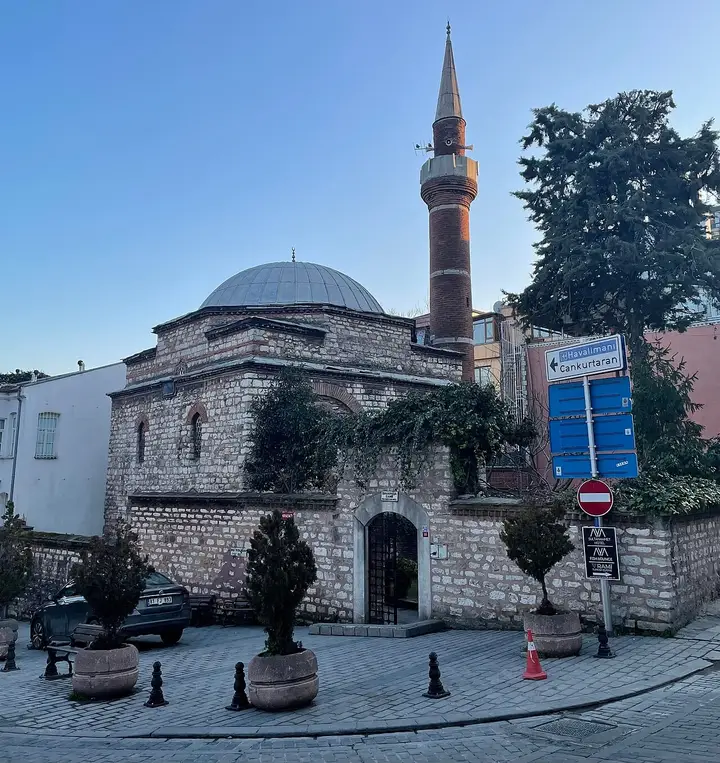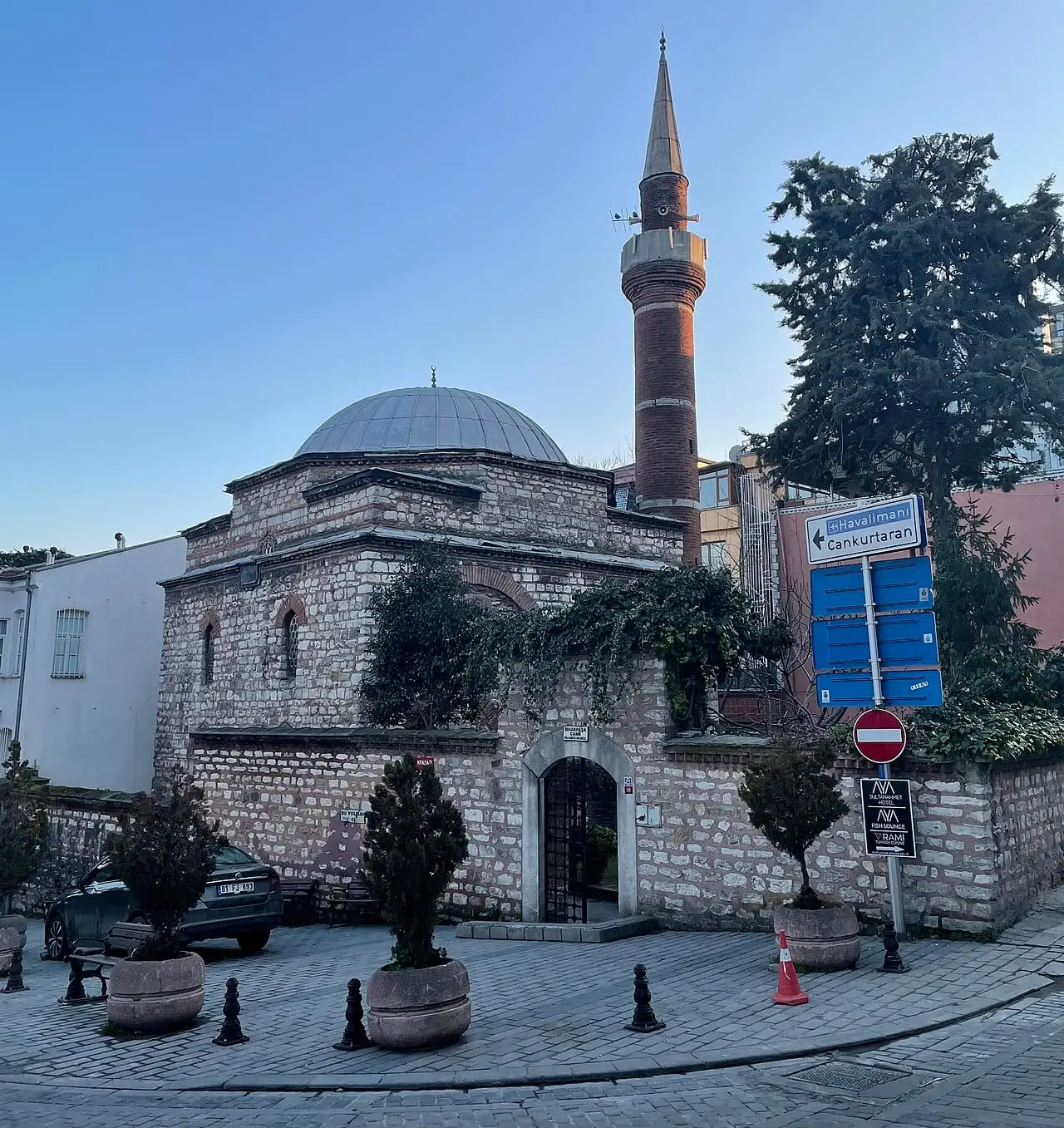
11 places to visit in the İnegöl district of Bursa: Oylat Cave, İnegöl Oylat Cave and Oylat Hot Springs. Plan your trip to İnegöl with local food, practical tips and transport information.
İnegöl is a district of Bursa Province in the Marmara Region. According to 2024 figures, İnegöl has a population of 302,251, making it the largest district of Bursa outside the city centre and the second-largest city in Southern Marmara by population.
History
The earliest settlement in İnegöl’s city centre is the Cumatepe mound. A rescue excavation carried out by Bursa Museum in 1999 established that Cumatepe had been settled since the Late Chalcolithic Age. Cumatepe is a large mound 450 m in diameter and was one of the stops on the overland trade route between Mesopotamia and Troy in the Bronze Age.
Local Food
The best-known dish in İnegöl is İnegöl köfte. İnegöl Köfte, now a brand, has become the symbol of the city. Alongside İnegöl Köfte, İnegöl Piyazı and İnegöl Şırası are served.
Economy
Agriculture is one of the main pillars of İnegöl’s economic life. Field crops, vegetables and fruit are grown, and produce is also sold abroad. Forest products industry is another important source of income in İnegöl. From the 1950s, furniture manufacturing moved to small workshops, and after the 1980s, rapid growth in industry took place thanks to the Organised Industrial Zone.
Tourism
The cornerstone of İnegöl’s tourism is the Oylat Hot Springs. Oylat Cave is also known as the Bursa Cave and, at 665 metres long, is the third-largest cave in Türkiye. The cave contains abundant stalactites, stalagmites, columns, walls and flowstone curtains.
History and Culture
İnegöl City Museum is known as the first and only district museum in Türkiye. The most recent mass migration to the district took place in 1990, when Turks fleeing pressure in Bulgaria arrived. The district governor’s office building entered service in 1987.
Last updated: