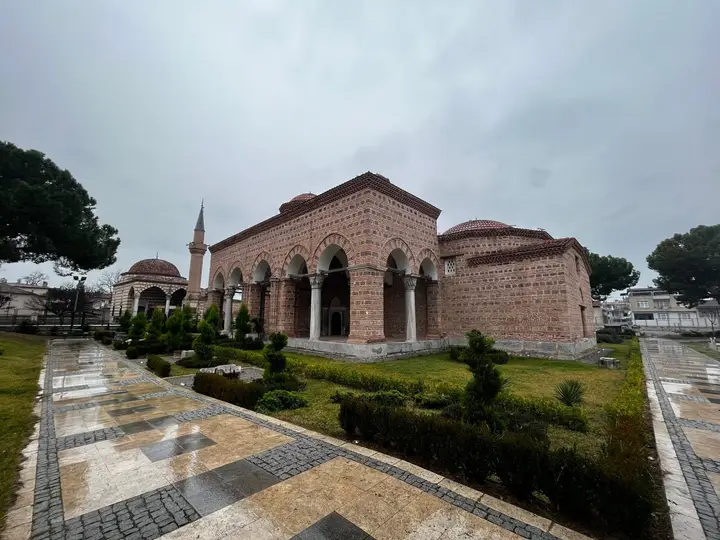
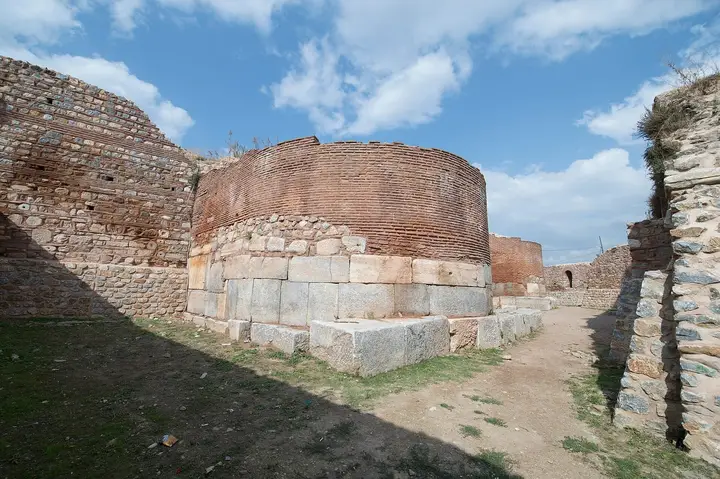
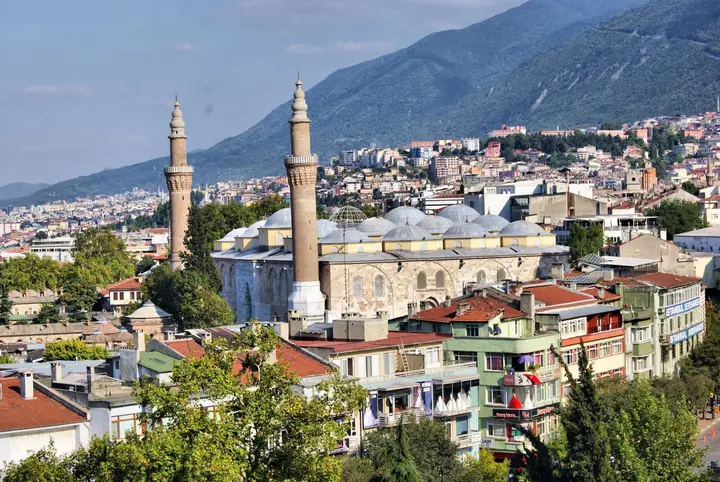
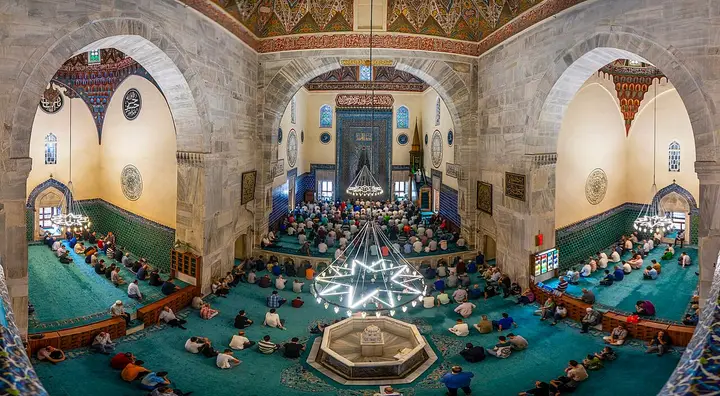
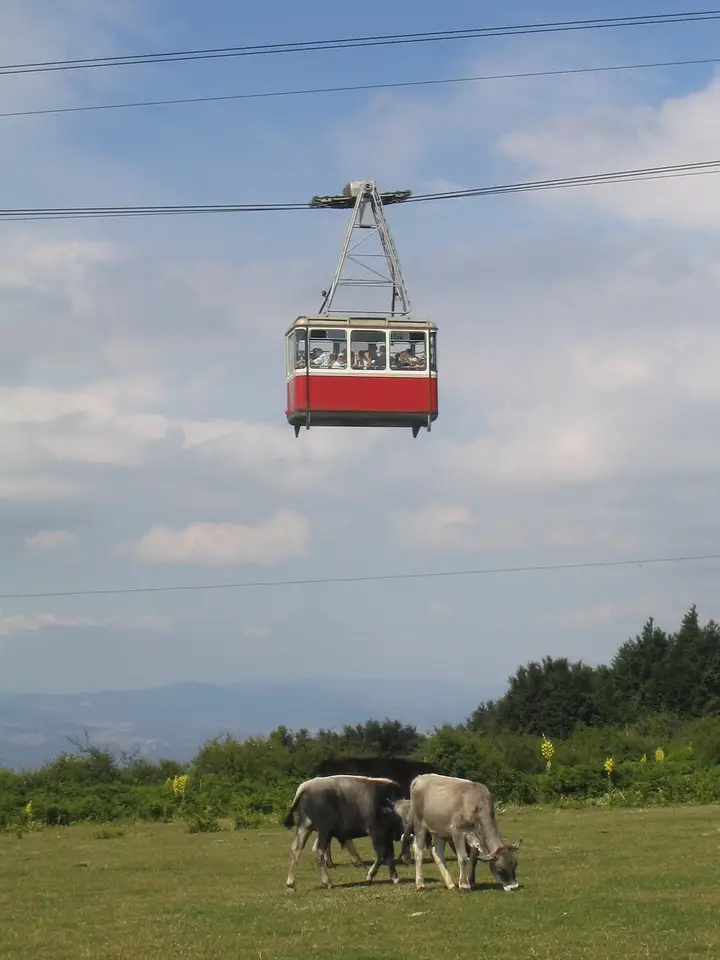
Bursa, the first capital of the Ottoman state, brings together the Grand Mosque, the Green Mosque and Tomb, Muradiye, Koza Han and Cumalıkızık of the UNESCO World Heritage site "The Birth of the Ottoman Empire" (inscribed in 2014); Uludağ, at 2,543 metres, and the longest cable car in Türkiye; and İznik, which hosted the first council in 325, along with Gölyazı and Tirilye. It is the home of İskender kebap and İnegöl köfte.

Share with friends

Last updated:

Places to Visit in Bursa

28 places worth seeing in Bursa, from historic monuments to natural wonders, grouped by type. Open any of them on the map with a single click.

  • 14 Historic
  • 2 Ancient City
  • 5 Religious
  • 2 Museum
  • 4 Nature
  • 1 Attraction

Historic Sites 14

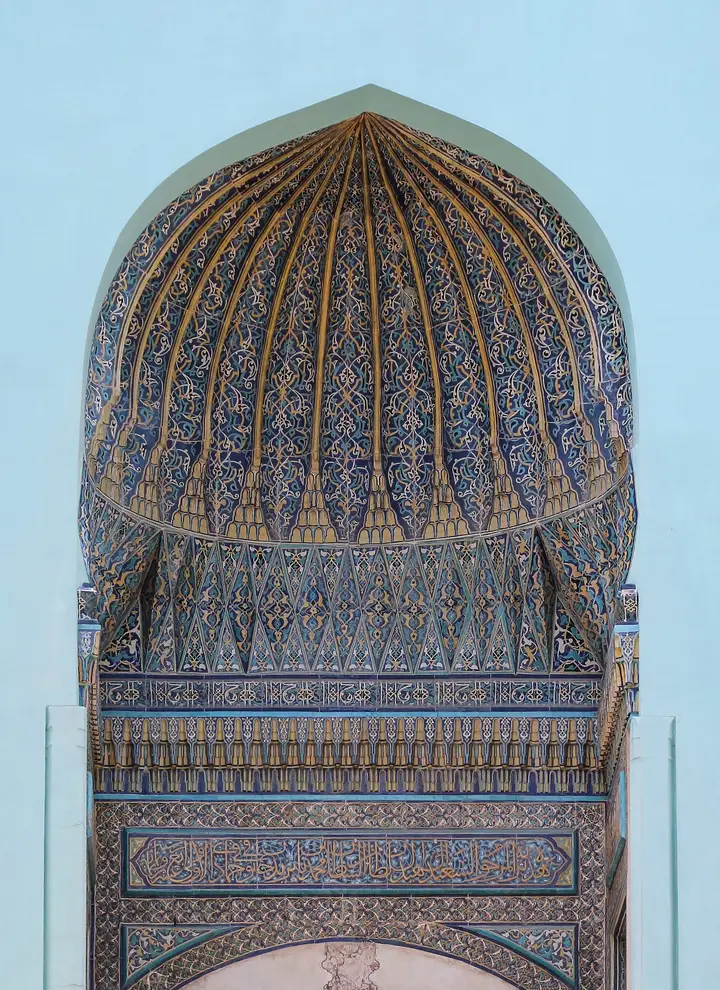
The tiled mihrab of the Green Tomb Photo: Bernard Gagnon (CC BY-SA 3.0) · Source
Historic

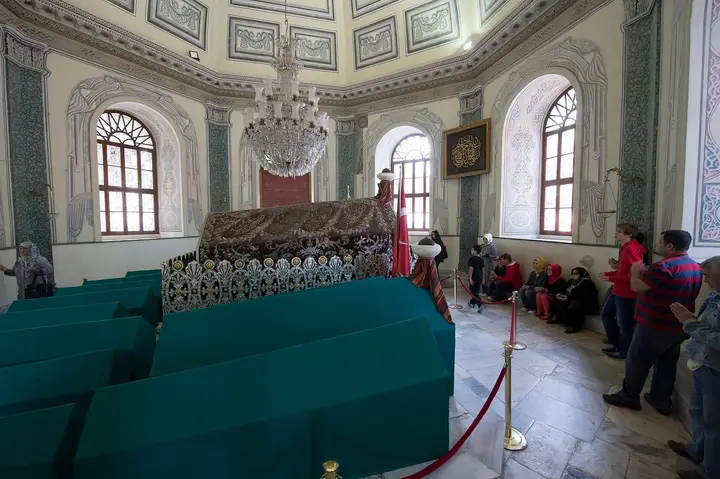
Green Tomb (Yeşil Türbe)

A tomb that Sultan Mehmed I Çelebi had built during his lifetime in 1421, its exterior covered in turquoise tiles; the tiled mihrab inside is among the masterpieces of İznik tilemaking. It contains nine sarcophagi belonging to the sultan and to his sons and daughters.

View on map
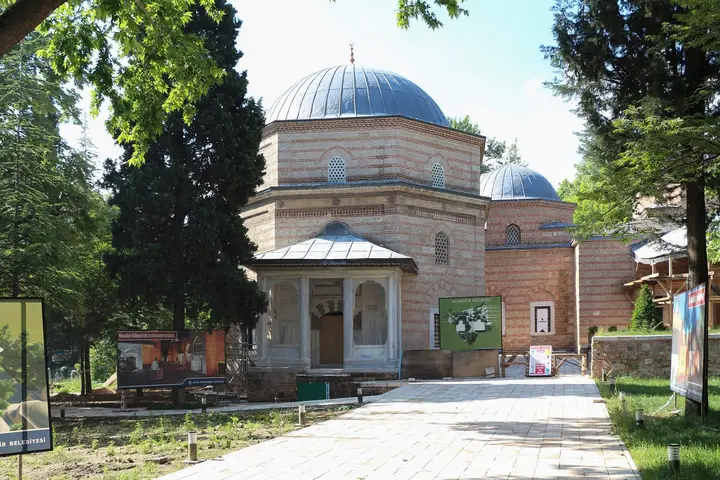
Muradiye Complex Photo: Wikimedia Commons (CC BY-SA) · Source
Historic

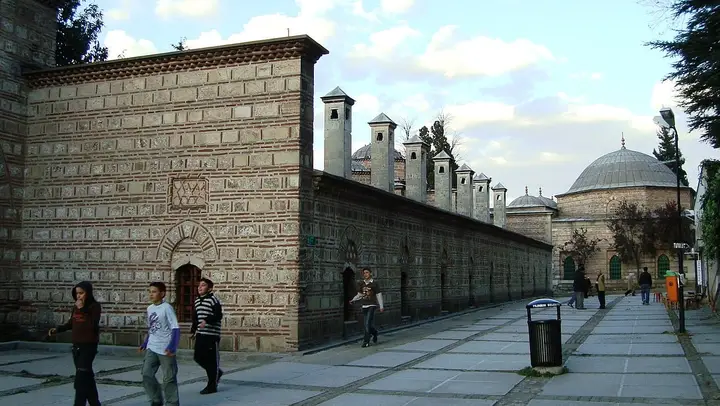
Muradiye Complex

A complex of mosque, madrasa, hammam and imaret (soup kitchen) built by Murad II in 1425–1426; with the 12 tombs added later, it is the burial place of more members of the dynasty than anywhere except Istanbul. It is a component of the UNESCO World Heritage site.

View on map
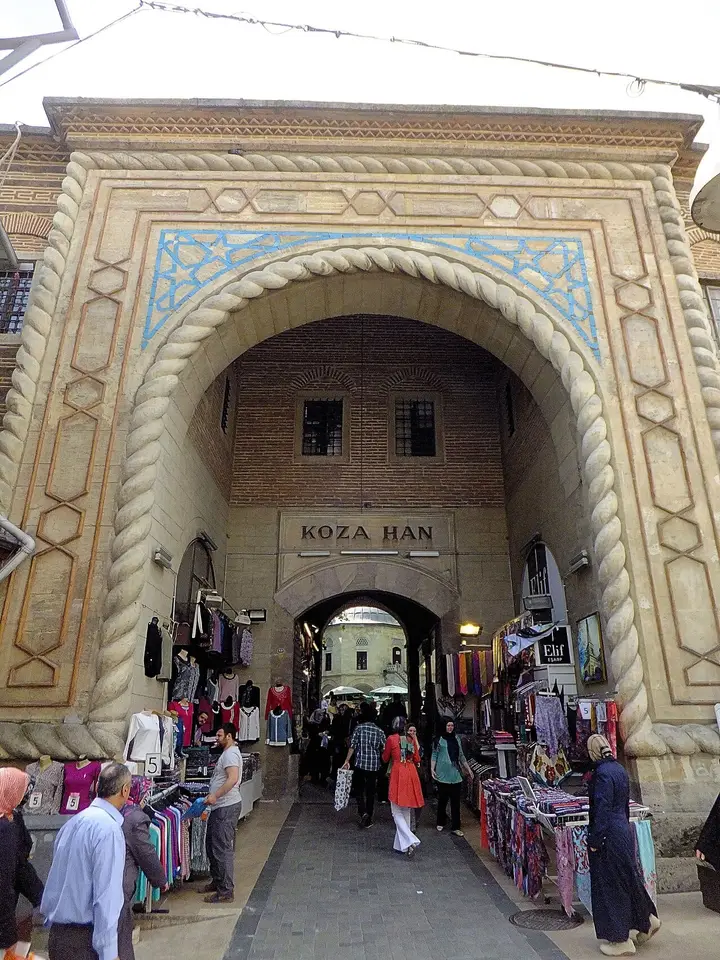
Koza Han courtyard Photo: R Prazeres (CC BY-SA 4.0) · Source
Historic

Koza Han

A caravanserai in the Khans District, between the Grand Mosque and the Orhan Mosque, commissioned by Bayezid II at the end of the 15th century from the architect Abdül Ula bin Pulat Şah; it takes its name from the silk cocoon trade and still carries on that function today. The masjid-pavilion with a fountain in its courtyard is one of the symbols of Bursa.

View on map
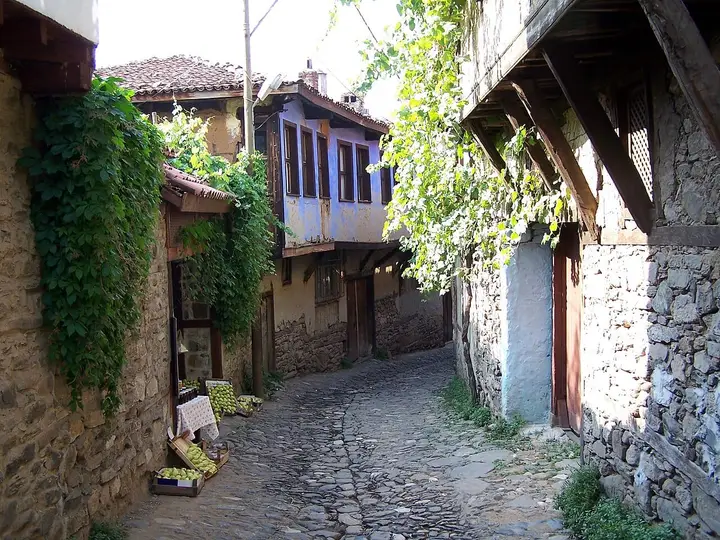
Cobbled street in Cumalıkızık Photo: Darwinek (CC BY-SA 3.0) · Source
Historic

Cumalıkızık

A village 11 km from Bursa on the northern foothills of Uludağ, founded in the 1300s as a waqf (endowment) village and preserving early Ottoman rural architecture; it became a UNESCO World Heritage site together with Bursa in 2014. It is famous for its stone and timber houses, narrow streets and village breakfast.

View on map
Interior of Osman Gazi's Tomb Photo: Dosseman (CC BY-SA 4.0) · Source
Historic

Tombs of Osman Gazi and Orhan Gazi

The tombs of Osman Gazi, founder of the Ottoman state, and his son Orhan Gazi, in Tophane on the site of Byzantine-era buildings; they were rebuilt in the reign of Sultan Abdülaziz after the earthquake of 1855.

View on map
Tophane Clock Tower Photo: Sirayeti (CC BY-SA 4.0) · Source
Historic

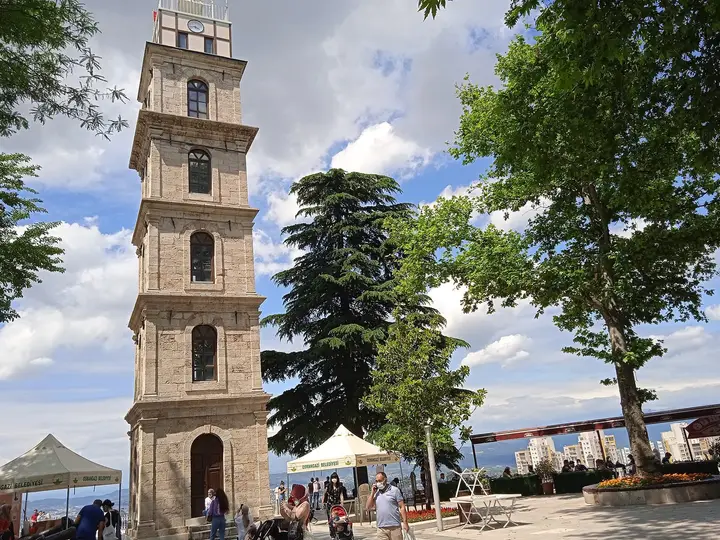
Tophane Clock Tower

A 33-metre, six-storey tower behind the tombs of Osman and Orhan Gazi, built in 1904–1905 in honour of Abdülhamid II's accession to the throne; because of its view over the city it was also used as a fire tower.

View on map
Yıldırım Complex Photo: Haluk Cömertel (CC BY 3.0) · Source
Historic

Yıldırım Complex

A complex built by Bayezid I on a steep hill at the end of the 14th century; it consists of a mosque, madrasa, hammam, tomb and the darüşşifa (hospital), the first hospital building in Ottoman architecture. It is a component of the UNESCO site.

View on map
Domes of the Eski Kaplıca Photo: Carl Ha (CC BY-SA 4.0) · Source
Historic

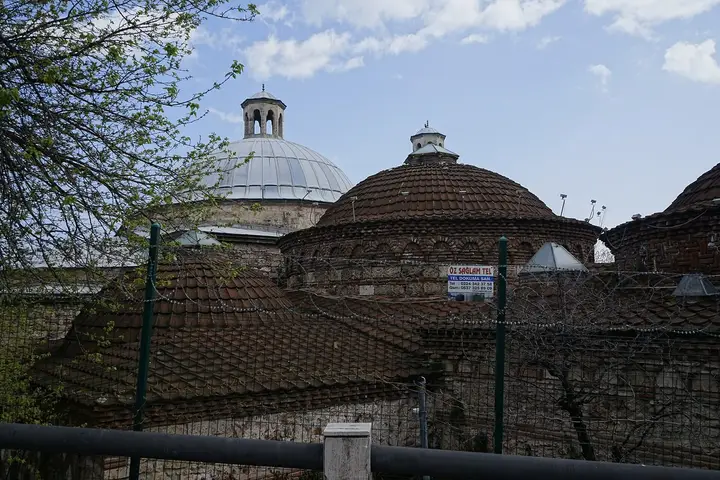
Eski Kaplıca (Old Hot Spring Bathhouse)

A double hammam in Çekirge, built in the reign of Murad I (1371 at the earliest) on the site of a Byzantine bath; it is in the UNESCO site as part of the Hüdavendigar Complex and still operates as a thermal bath.

View on map
Irgandı Bridge Photo: Haluk Cömertel (CC BY 3.0) · Source
Historic

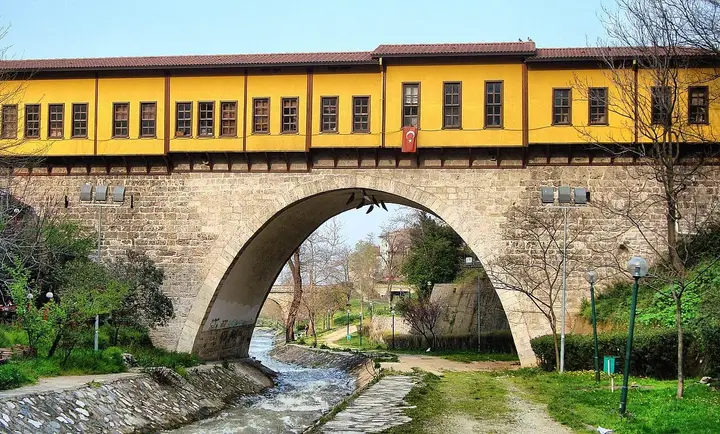
Irgandı Bridge

A bridge lined with shops, built in 1442 by Hacı Muslihiddin; it was bombed during the War of Independence and was restored and reopened in 2004 with craft workshops.

View on map
Hisar Gate of Bursa Castle Photo: Wikimedia Commons (CC BY-SA) · Source
Historic

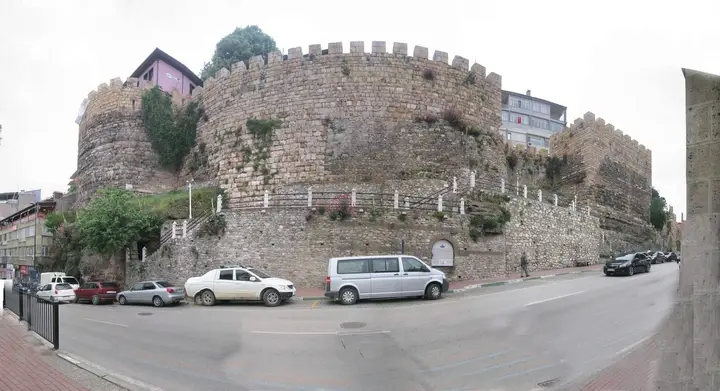
Bursa Castle (Hisar)

The surviving sections of the walls left from the Byzantine period, which Orhan Gazi captured in 1326; they surround the Hisar quarter overlooking the city centre.

View on map
Houses reflected in the lake at Gölyazı Photo: Wikimedia Commons (CC BY-SA) · Source
Historic

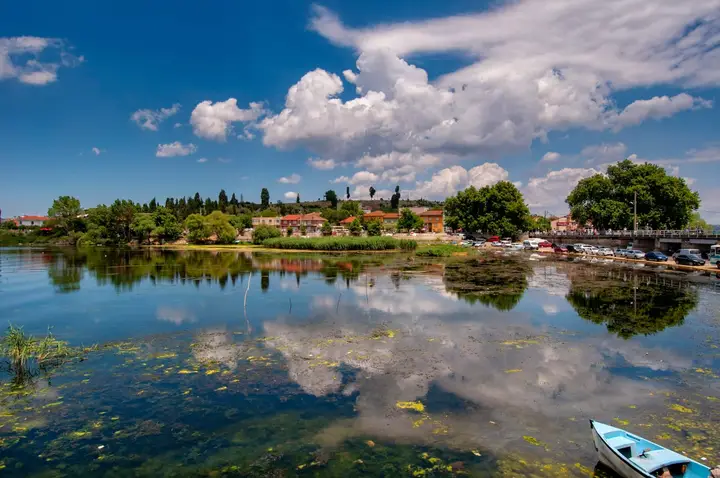
Gölyazı

A fishing village on a small peninsula jutting into Lake Uluabat, built over the ancient Apollonia ad Rhyndacum; a stone bridge leads to the part that becomes an island when the lake rises. It is famous for its historic Greek houses and its sunsets.

View on map
Byzantine church in Tirilye Photo: Haluk Cömertel (CC BY 3.0) · Source
Historic

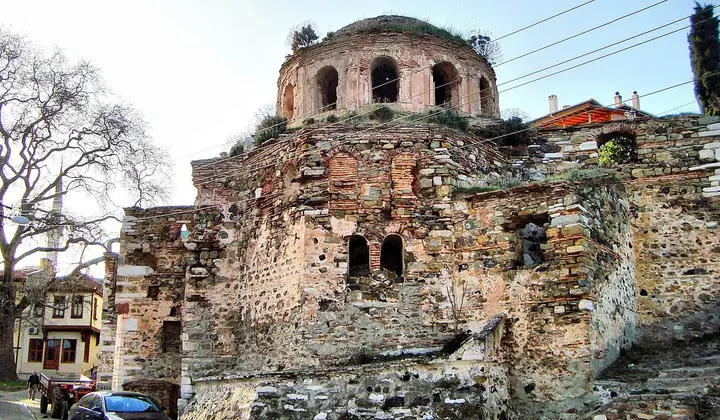
Tirilye (Zeytinbağı)

A coastal village 11 km west of Mudanya, a Greek town that grew rich on olives and olive oil until the population exchange; it has a well-preserved fabric of Byzantine churches and stone houses.

View on map
Historic

Misi (Gümüştepe)

A village 12 km from Bursa in the valley of the Nilüfer Stream, declared a conservation site in 1989 for its 17th–18th-century buildings; it is famous for its vine leaves, Muscat grapes and molasses (pekmez).

View on map
Nilüfer Hatun Imaret Photo: Wikimedia Commons (CC BY-SA) · Source
Historic

Nilüfer Hatun Imaret

An imaret (soup kitchen) built in İznik in 1388 in the name of Nilüfer Hatun, mother of Murad I; it is now used as the İznik Museum.

View on map

Ancient Cities 2

İznik walls near the Lefke Gate Photo: Dosseman (CC BY-SA 4.0) · Source
Ancient City

İznik City Walls

Walls dating from the Roman and Byzantine periods that enclose the town with the Lefke, Istanbul, Yenişehir and Lake gates; İznik (Nicaea) was the capital of the Anatolian Seljuks from 1075 to 1086 and became an Ottoman town with Orhan Gazi's conquest in 1331.

View on map
Ancient City

First Council of Nicaea and the Basilica

The First Council of Nicaea, convened in 325 with the participation of Emperor Constantine I, is one of the turning points in the history of Christianity. On 27 November 2025, Pope Leo XIV and Ecumenical Patriarch Bartholomew I held a service for the 1,700th anniversary of the council near the ruins of the Basilica of St Neophytos on the lakeshore.

View on map

Religious Buildings 5

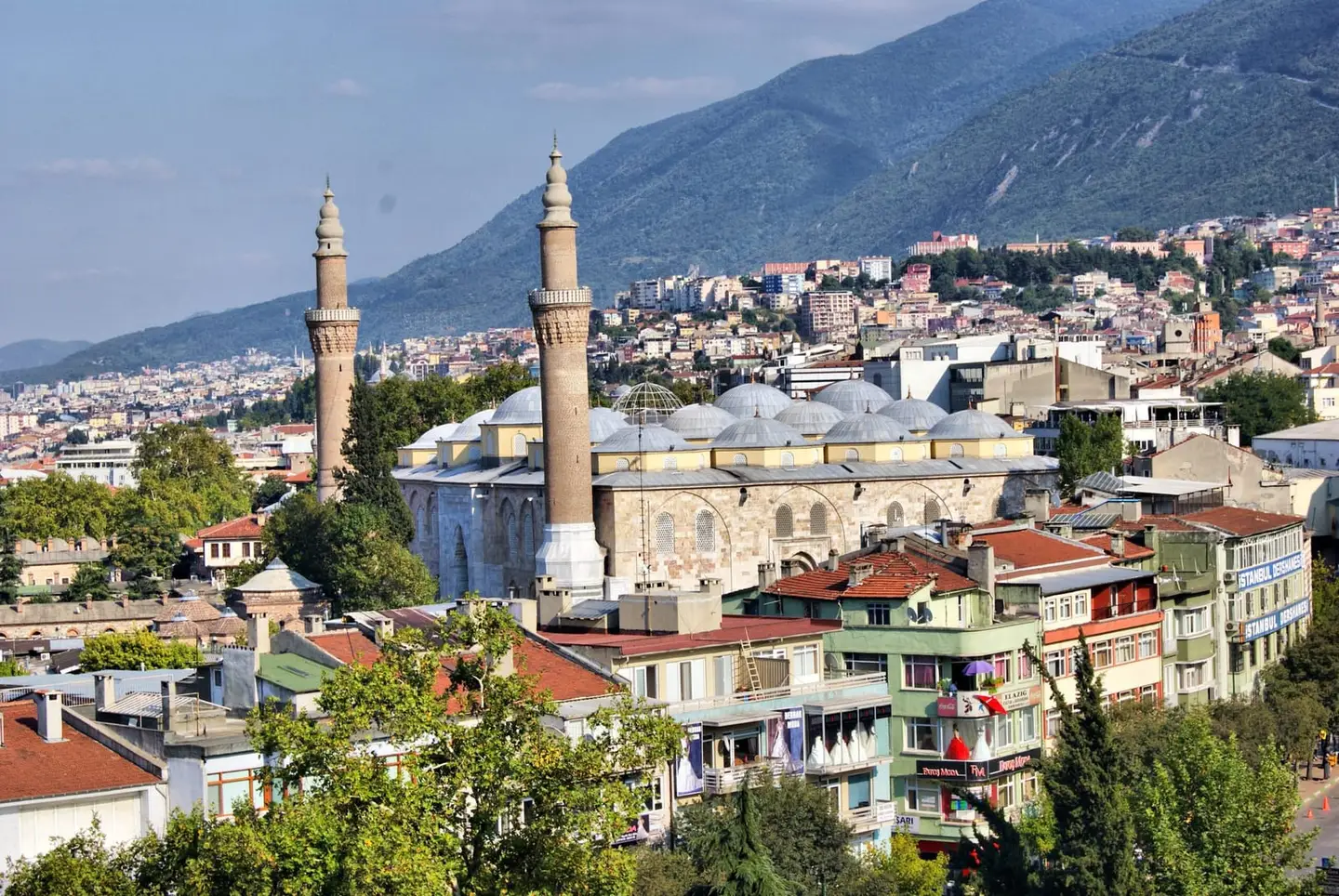
Bursa Grand Mosque and Uludağ Photo: Wikimedia Commons (CC BY-SA) · Source
Religious

Grand Mosque (Ulu Cami)

A 20-domed mosque built between 1396 and 1400 by Bayezid I after his victory at Nicopolis; it is the most monumental example of the multi-pillared mosque plan and has the widest inner congregation hall of any mosque in Türkiye. It is famous for its minbar made in the kündekari technique, its 192 calligraphic panels and the ablution fountain beneath its dome.

View on map
Interior of the Green Mosque Photo: Turpcan (CC BY-SA 4.0) · Source
Religious

Green Mosque (Yeşil Cami)

A mosque with zaviye rooms (a mosque-cum-lodge) commissioned by Sultan Mehmed I Çelebi, designed by Hacı İvaz Paşa and completed in December 1419; it holds the finest examples of 15th-century Ottoman tilework. It is part of the Green Complex in the UNESCO World Heritage site.

View on map
Emir Sultan Mosque Photo: Wikimedia Commons (CC BY-SA) · Source
Religious

Emir Sultan Mosque

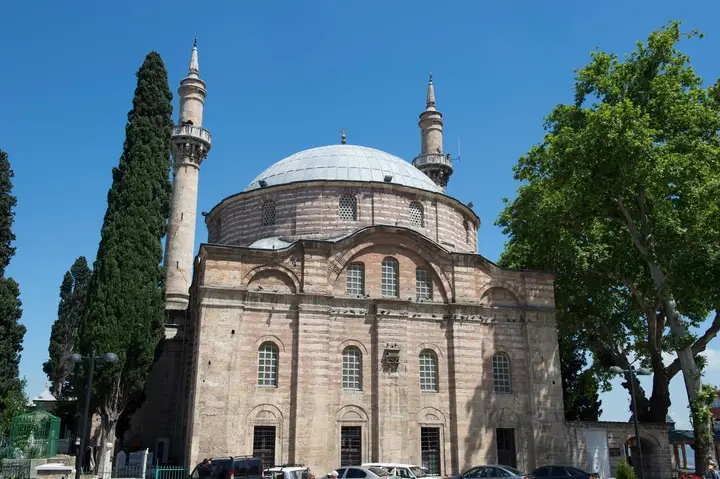
A mosque built in the name of Emir Sultan, husband of Hundi Fatma Hatun, daughter of Bayezid I (Yıldırım); when it collapsed in the earthquake of 1795, it was rebuilt by Selim III in 1804 on the same plan. With its tomb and cemetery among the cypresses, it is one of the most visited places in Bursa.

View on map
İznik Hagia Sophia Photo: Elelicht (CC BY-SA 3.0) · Source
Religious

İznik Hagia Sophia Mosque

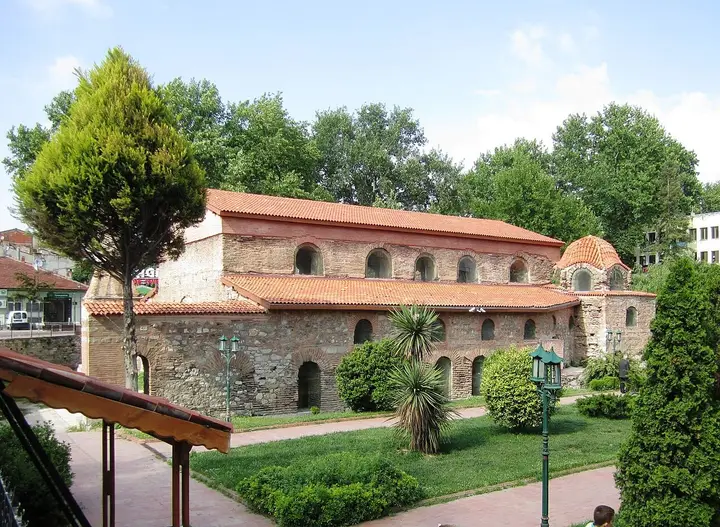
A Byzantine basilica at the point where the roads from the town's four gates meet; the Seventh Ecumenical Council of 787 is thought to have met here. It was converted into a mosque in 1331 and Mimar Sinan made additions; it served as a museum from 1935 to 2011.

View on map
İznik Green Mosque Photo: Acar54 (CC BY 2.5) · Source
Religious

İznik Green Mosque

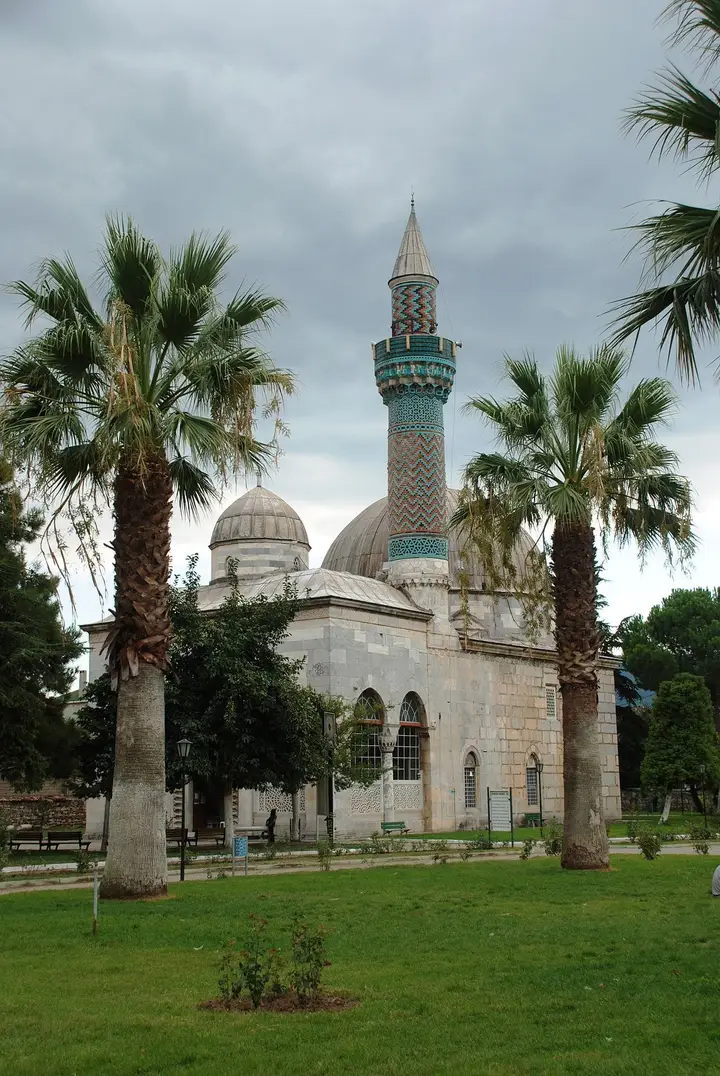
An early Ottoman mosque, the symbol of İznik with its tiled minaret, built between 1378 and 1392 by Çandarlı Kara Halil Hayreddin Paşa.

View on map

Museums 2

Museum

Karagöz Museum

Türkiye's first Karagöz museum, opened in 2007 in Çekirge opposite the memorial tomb of Karagöz and Hacivat; it displays shadow-puppet figures, documents and puppets from around the world.

View on map
Mudanya Armistice House
Museum

Mudanya Armistice House

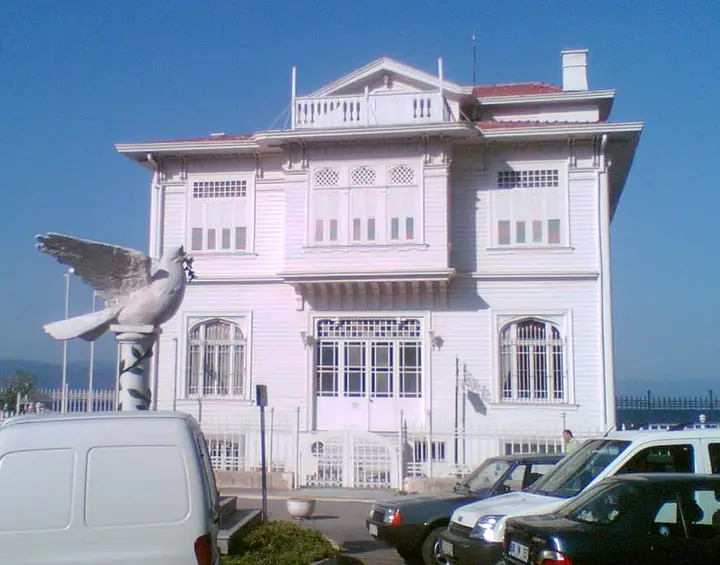
The mansion where the Armistice of Mudanya, which ended the War of Independence and led to the legal end of the Ottoman Empire, was signed on 11 October 1922; it is now a museum.

View on map

Natural Wonders 4

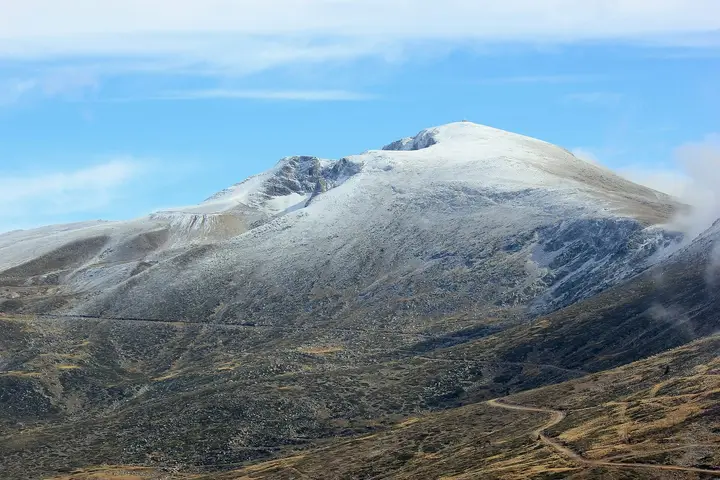
The summit of Uludağ Photo: Julian Nyča (CC BY-SA 4.0) · Source
Nature

Uludağ National Park and Ski Resort

At 2,543 metres, the highest mountain in the Marmara Region and the best-known ski resort in Türkiye; it was declared a national park in 1961. In antiquity it was known as Mysian Olympus; Keşiş Tepe, once thought to be the summit, is 2,486 metres.

View on map
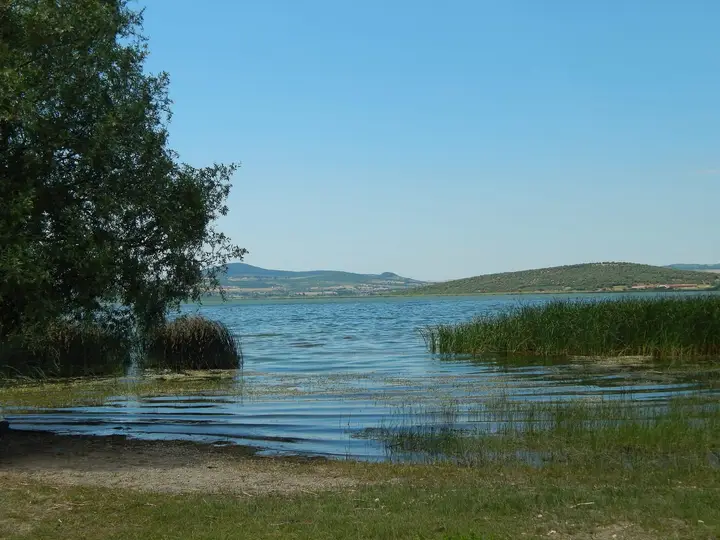
Lake Uluabat Photo: Wikimedia Commons (CC BY-SA) · Source
Nature

Lake Uluabat

A shallow freshwater lake 30 km west of Bursa, declared a Ramsar site in 1998; with its 11 islands and rich fish and bird populations, it is one of the most productive lakes in Türkiye.

View on map
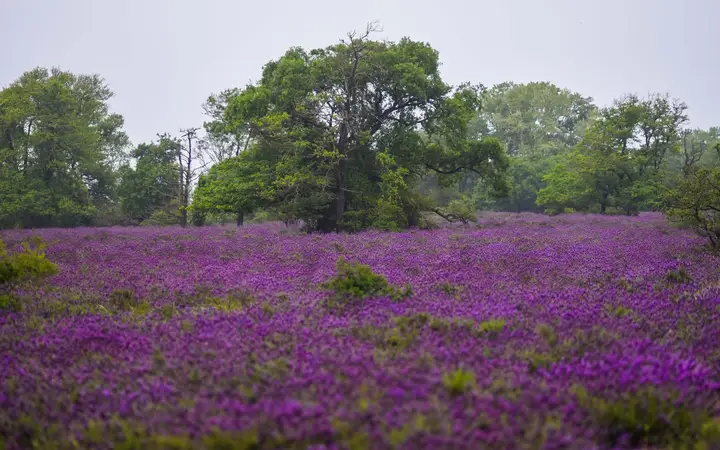
Karacabey floodplain forest Photo: Wikimedia Commons (CC BY-SA) · Source
Nature

Karacabey Floodplain Forest

A wetland forest ecosystem at Karacabey, where the Susurluk Stream flows into the sea.

View on map
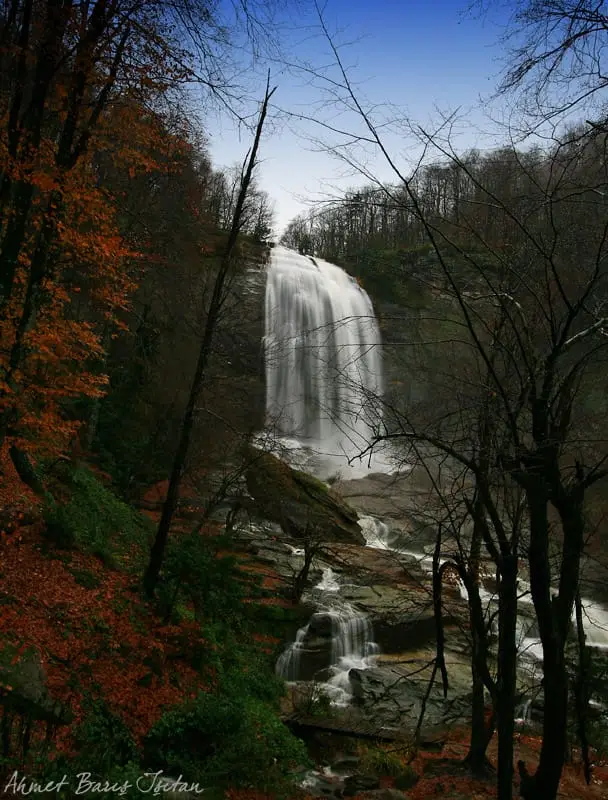
Suuçtu Waterfall
Nature

Suuçtu Waterfall

A waterfall that tumbles from a height in the forest at Mustafakemalpaşa, set in a nature park.

View on map

Attractions 1

Bursa cable car cabin Photo: Andrew Kvalheim (CC BY-SA 4.0) · Source
Attraction

Bursa Cable Car

Türkiye's first cable car, opened on 29 October 1963; at 9 km of horizontal length it is the longest cable car line in the country. It climbs from Teferrüç via Kadıyayla and Sarıalan to the hotel area of Uludağ, and was renovated in 2014.

View on map

Getting to Know Bursa

Bursa lies on the northern slopes of Uludağ, overlooking the fertile plain watered by the Nilüfer Stream. Prusa, the city of ancient Bithynia, was taken after the Byzantine period by Orhan Bey, son of Osman Bey, on 6 April 1326, at the end of the long siege that Osman Bey had begun in 1317. It became the seat of the principality in 1335 and remained the first capital of the Ottoman state until the conquest of Edirne (1363). Even after it ceased to be the capital, the city remained the spiritual centre of the Ottomans: the first six sultans are all buried in Bursa.

The most important examples of early Ottoman architecture are found here. Each sultan founded his own complex and so created a district of the city: the complexes of Orhan Gazi, Hüdavendigar (Murad I), Yıldırım (Bayezid I), Yeşil (Mehmed I) and Muradiye (Murad II), the Khans District and the village of Cumalıkızık at the foot of Uludağ were inscribed on the UNESCO World Heritage List in 2014 as “Bursa and Cumalıkızık: the Birth of the Ottoman Empire”.

For centuries Bursa was the centre of the silk trade; Koza Han takes its name from the silk cocoon trade. Today it is the fourth-largest province in Türkiye and one of its biggest exporters. During the War of Independence the city was occupied on 8 July 1920 and liberated on 11 September 1922; the armistice that ended the war was also signed at Mudanya on 11 October 1922.

When to Go

Bursa has a Marmara climate, with mild summers and cool, rainy winters. Averages for 1927–2025 from the Turkish State Meteorological Service:

Month Avg. high Avg. low Rainfall Rainy days
January 9.6 °C 1.8 °C 89 mm 15
February 10.9 °C 2.2 °C 75 mm 13
March 13.9 °C 3.6 °C 70 mm 12
April 19.0 °C 7.2 °C 62 mm 11
May 23.9 °C 11.4 °C 50 mm 9
June 28.4 °C 15.0 °C 35 mm 6
July 31.0 °C 17.3 °C 22 mm 3
August 31.1 °C 17.4 °C 18 mm 3
September 27.3 °C 13.8 °C 43 mm 5
October 22.0 °C 10.2 °C 66 mm 9
November 16.7 °C 6.5 °C 78 mm 11
December 11.7 °C 3.6 °C 99 mm 14

April to June and September to October are ideal for sightseeing in the city; December to March is ideal for skiing. Snow on Uludağ can reach depths of metres in winter, and the ski season generally runs from December to March. In summer the Uludağ highlands are a cool escape. Between November and March, Bursa’s hot springs offer a pleasure of their own.

How to Get to Bursa

By sea: There are sea bus services from Istanbul to Mudanya and Güzelyalı, and ferries to Yalova; Bursa is reached in about 1.5–2 hours.

By road: Via the Istanbul–Izmir Motorway and the Osmangazi Bridge, Bursa is about 1.5–2 hours from Istanbul.

By air: Bursa Yenişehir Airport, 50 km east of the city, handles domestic flights; the Istanbul airports can also be used.

Getting around: The Bursaray metro and the T1 tram run around the city centre; the cable car from Teferrüç climbs along its 9 km line to the hotel area on Uludağ.

Bursa Area by Area

  • Osmangazi (historic centre): Grand Mosque, Koza Han and the Khans District, the Grand Bazaar (Kapalıçarşı), Irgandı Bridge, Hisar (the castle), the tombs of Osman and Orhan Gazi in Tophane, the Muradiye Complex, the Hüdavendigar Complex and Eski Kaplıca in Çekirge, and the Karagöz Museum.
  • Yıldırım: the Green Mosque and Green Tomb, the Yıldırım Complex, Emir Sultan Mosque, the Teferrüç cable car station and Cumalıkızık, 11 km away.
  • Uludağ: the national park, ski resort and highland pastures.
  • Nilüfer: Gölyazı and Misi (Gümüştepe) on the shore of Lake Uluabat.
  • İznik: the Roman walls, Hagia Sophia Mosque, the Green Mosque, the Roman theatre and tile workshops.
  • Mudanya and Tirilye: the Armistice House, and Tirilye’s Greek houses and olive groves.
  • İnegöl, Karacabey, Mustafakemalpaşa: İnegöl köfte, the Karacabey floodplain forest and stud farm, and Suuçtu Waterfall.

Suggested Itineraries

Day 1 – The birth of the Ottomans: Start the morning at the Grand Mosque, then have tea in the courtyard of Koza Han and visit the Grand Bazaar; have İskender for lunch. In the afternoon, Irgandı Bridge, the tombs of Osman and Orhan Gazi and the Clock Tower in Tophane, and in the evening the Muradiye Complex.

Day 2 – The Green Complex and Cumalıkızık: In the morning, the tiles of the Green Mosque and Green Tomb, and Emir Sultan; in the afternoon, a village breakfast and the narrow streets of Cumalıkızık.

Day 3 – Uludağ or İznik: Take the cable car up to Uludağ; or visit the walls, Hagia Sophia and tile workshops in İznik, and watch the sunset at Gölyazı on the way back.

Bursa Cuisine

The symbol of Bursa is İskender kebap, created in 1867 by İskender Efendi, who served vertical döner on pide with butter, tomato sauce and yoghurt (registered as Bursa döner kebabı). The main ones among the 37 geographical indications registered with TÜRKPATENT are İnegöl köfte (İnegöl meatballs), Bursa pideli köfte (meatballs on pide), Bursa kestane şekeri (candied chestnuts), Bursa cevizli lokum (Bursa Turkish delight with walnuts), Bursa süt helvası (milk halva), Mustafakemalpaşa peynir tatlısı (cheese dessert in syrup), Gemlik zeytini (Gemlik olives), Bursa siyah inciri (Bursa black figs), Bursa şeftalisi (Bursa peaches), Keles kirazı (Keles cherries), İnegöl sütlü kadayıfı (İnegöl milk kadayıf), Bursa tahinli pide (tahini pide) and Zeyniler hınkalı (Zeyniler dumplings). Among crafts and products, Bursa ipeği (Bursa silk), Bursa havlusu (Bursa towels), Bursa bıçağı (Bursa knives) and İznik çinisi (İznik tiles) are registered.

Practical Tips

  • The Grand Mosque, Koza Han, the Grand Bazaar and Irgandı Bridge are within walking distance of each other; explore the historic centre on foot.
  • The cable car may suspend services in windy weather; check that it is running before you head up to Uludağ.
  • Cumalıkızık gets very crowded for weekend breakfast; go on a weekday or early in the morning.
  • The historic hot springs in Çekirge have separate sections for women and men.
Districts of Bursa

Bursa province has 17 districts. Explore the places to visit, local dishes and transport in each one.

What to Eat in Bursa

All dishes →
  • İskender Kebap (döner on pide with butter and yoghurt)

    Developed by İskender Efendi in 1867, this is döner served on pide with butter, tomato sauce and yoghurt, registered as Bursa döner kebabı.

  • İnegöl Köfte (İnegöl grilled meatballs)

    Lightly spiced, grilled meatballs with a registered geographical indication.

  • Bursa Pideli Köfte (meatballs on pide)

    Registered meatballs served on pide with butter and yoghurt.

  • Bursa Kestane Şekeri (candied chestnuts)

    A confection with a registered geographical indication.

  • Mustafakemalpaşa Peynir Tatlısı (cheese dessert in syrup)

    A syrupy dessert with a registered geographical indication.

  • Cantık (minced-meat pide)

    A registered Bursa pide with a minced-meat filling.

What to eat in Bursa: the full food guide

Bursa: Frequently Asked Questions

What are the best places to visit in Bursa?

The Grand Mosque, the Green Mosque and Green Tomb, the Muradiye Complex, Koza Han, Cumalıkızık, the tombs of Osman and Orhan Gazi, the Tophane Clock Tower, Irgandı Bridge, Eski Kaplıca, and Uludağ with its cable car; across the province, İznik, Gölyazı, Tirilye and Mudanya are the main stops.

Does Bursa have a UNESCO World Heritage site?

Yes. 'Bursa and Cumalıkızık: the Birth of the Ottoman Empire' was added to the UNESCO World Heritage List in 2014; the Khans District, the Hüdavendigar, Yıldırım, Green and Muradiye complexes, Eski Kaplıca and Cumalıkızık are components of the site.

Was Bursa the capital of the Ottoman Empire?

Yes. Bursa was captured by Orhan Bey in 1326, became the seat of the principality in 1335 and remained the first Ottoman capital until the conquest of Edirne.

How long is the Bursa cable car?

Opened in 1963, the Bursa cable car is the longest in Türkiye at 9 km of horizontal length; it climbs from Teferrüç to the hotel area of Uludağ.

What is Bursa famous for?

İskender kebap, İnegöl köfte, pideli köfte, kestane şekeri, cantık, Mustafakemalpaşa peynir tatlısı, Gemlik olives, and Bursa silk and towels; the province has 37 registered geographical indications.

How do I get from Istanbul to Bursa?

Take the sea bus to Mudanya, or the ferry to Yalova and then continue by road, or drive along the Istanbul–Izmir Motorway; the journey takes about 1.5–2 hours.

More from the Bursa Guide

Other Provinces in the Marmara Region

Sources

The information in this guide has been compiled from and checked against the sources below (last checked: 7 October 2026). If you spot an error, please let us know.

  1. Vikipedi – Bursa
  2. Meteoroloji Genel Müdürlüğü – Bursa il istatistikleri
  3. Vikipedi – Bursa ve Cumalıkızık: Osmanlı İmparatorluğu'nun Doğuşu
  4. UNESCO – Bursa and Cumalıkızık
  5. Vikipedi – Bursa Ulu Camii
  6. Vikipedi – Yeşil Cami (Bursa)
  7. Vikipedi – Yeşil Türbe
  8. Vikipedi – Muradiye Külliyesi
  9. Vikipedi – Koza Han
  10. Vikipedi – Cumalıkızık
  11. Vikipedi – Yıldırım Külliyesi
  12. Vikipedi – Emir Sultan Camii
  13. Vikipedi – Eski Kaplıca
  14. Vikipedi – Irgandı Köprüsü
  15. Vikipedi – Tophane Saat Kulesi (Bursa)
  16. Vikipedi – Karagöz Müzesi
  17. Vikipedi – Uludağ
  18. Vikipedi – Bursa Teleferik
  19. Vikipedi – İznik
  20. Vikipedi – Ayasofya (İznik)
  21. Vikipedi – Gölyazı, Nilüfer
  22. Vikipedi – Uluabat Gölü
  23. Vikipedi – Tirilye
  24. Vikipedi – Mudanya Mütarekesi
  25. Vikipedi – Gümüştepe, Nilüfer
  26. Vikipedi – İskender kebap
  27. Vikipedi – İnegöl köfte
  28. Vikipedi – Bursa Yenişehir Havalimanı
  29. Vikipedi – Türkiye'de tescilli coğrafi işaretler listesi

Search 81 province guides and 968 district guides.