Getting to Know Düzce
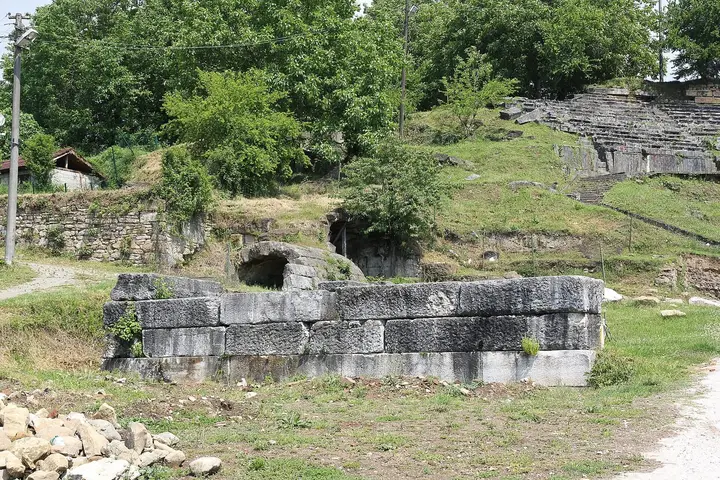
Düzce lies in the Western Black Sea region, on a broad and fertile plain watered by the Melen Stream. In antiquity the area was part of the Kingdom of Bithynia: Prusias ad Hypium (formerly called Kieros), in today’s Konuralp neighbourhood, was taken and developed by Prusias I, King of Bithynia, in the 3rd century BC and enjoyed its most brilliant period in the 1st–3rd centuries AD; Diospolis, on the coast, is today’s Akçakoca. The region became part of Ottoman territory through the campaigns of Konuralp Bey, a commander of Orhan Gazi, in 1323; the district of Akçakoca takes its name from Akçakoca Bey, likewise an Ottoman raider lord.
Düzce’s recent history was deeply marked by the 7.2-magnitude earthquake of 12 November 1999, in which 845 people lost their lives. After the earthquake, Düzce, which had been a district of Bolu, became the 81st province of Türkiye in the same year and received the licence-plate code 81.
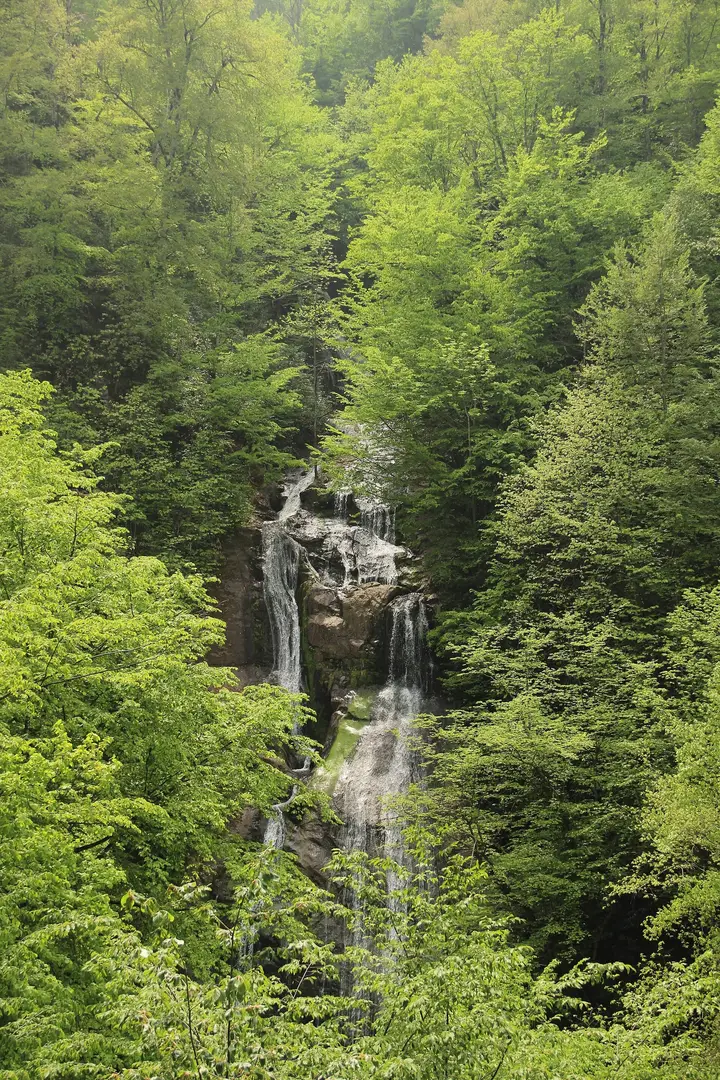
Today Düzce is one of Türkiye’s important hazelnut growing areas; Akçakoca yellow hazelnuts and Düzce chestnuts are registered products. With the forested Elmacık and Kardüz plateaus and its waterfalls, it offers a nature escape close to Istanbul and Ankara.
When to Go
Düzce has a Black Sea climate that is rainy in every season, with warm summers and cool winters. Averages for 1959–2025 from the Turkish State Meteorological Service:
| Month |
Avg. high |
Avg. low |
Rainfall |
Rainy days |
| January |
8.5 °C |
0.6 °C |
90 mm |
15 |
| February |
10.5 °C |
1.5 °C |
71 mm |
13 |
| March |
13.8 °C |
3.5 °C |
74 mm |
14 |
| April |
19.0 °C |
7.3 °C |
60 mm |
12 |
| May |
23.4 °C |
11.3 °C |
62 mm |
12 |
| June |
27.2 °C |
14.8 °C |
69 mm |
10 |
| July |
29.2 °C |
17.0 °C |
47 mm |
6 |
| August |
29.3 °C |
17.1 °C |
50 mm |
6 |
| September |
26.1 °C |
13.5 °C |
52 mm |
8 |
| October |
20.9 °C |
9.9 °C |
81 mm |
11 |
| November |
15.8 °C |
5.4 °C |
79 mm |
12 |
| December |
10.5 °C |
2.6 °C |
101 mm |
15 |
July and August are best for the sea, and May to September for the waterfalls and highland pastures. The hazelnut harvest takes place from mid-August onwards. In autumn the forests change colour, but rainfall increases markedly.
How to Get to Düzce
By road: Düzce lies between Istanbul and Ankara on the Anatolian Motorway (TEM) and the D-100; it is about 2.5 hours from Istanbul and about 2.5 hours from Ankara. Akçakoca is on the coast, about 40 km from the provincial centre.
By air: There is no airport in Düzce; Istanbul Sabiha Gökçen and Zonguldak airports can be used.
Düzce Area by Area
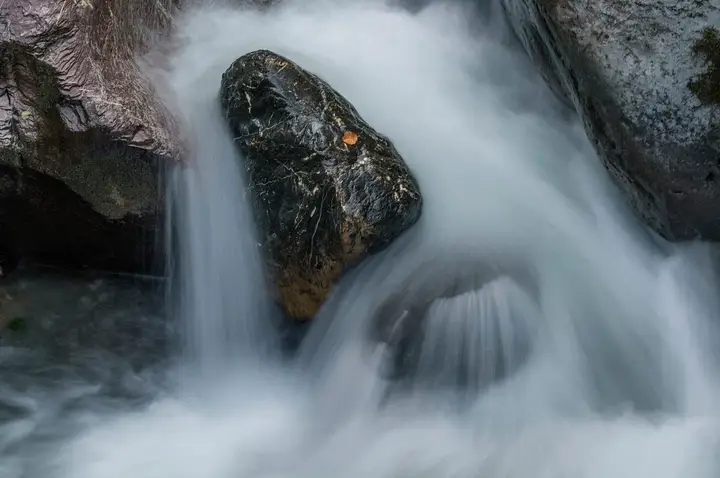
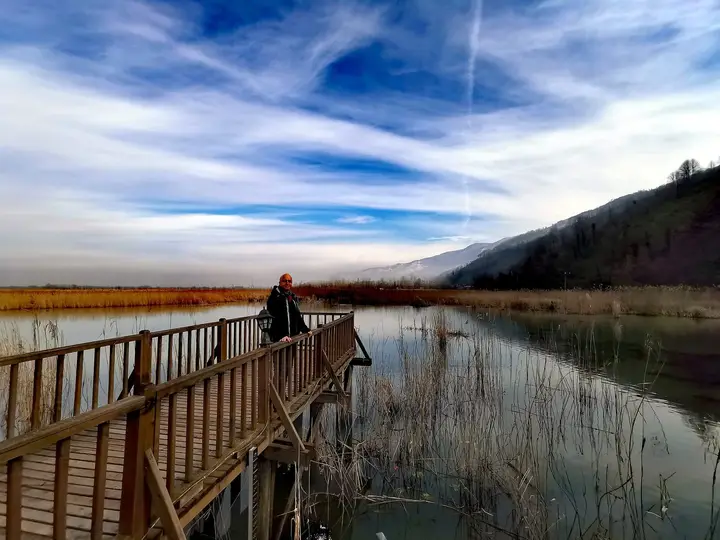
- Merkez (central district): the ancient city and museum of Konuralp, Samandere Waterfall (26 km), the Aydınpınar Waterfalls (10 km) and Lake Efteni (10 km).
- Akçakoca: the Genoese Castle, the 35-km beach, the registered yellow hazelnut, Kaplandede chestnut and mancarlı pide.
- Gölyaka: Güzeldere Waterfall and the Kardüz Plateau.
- Yığılca and Kaynaşlı: forest villages and highland pastures; Kaynaşlı is at the start of the Bolu Mountain pass.
Suggested Itineraries
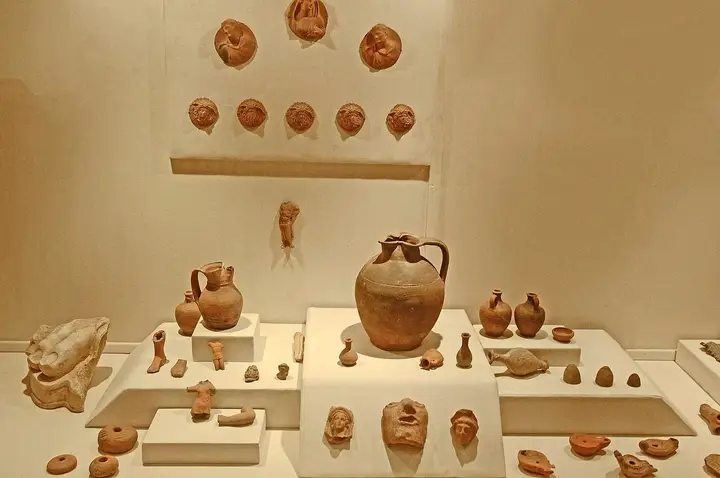
Day 1 – The ancient city and waterfalls: In the morning, the Orpheus mosaic and the copy of the Tyche statue in the Konuralp Museum, then the ancient theatre and walls; in the afternoon, Samandere Waterfall. Düzce köftesi in the evening.
Day 2 – Lakes and highland pastures: Birdwatching at Lake Efteni in the morning, then Güzeldere Waterfall; in summer, go up to the Kardüz Plateau.
Beach day: The Genoese Castle and the beach at Akçakoca; Akçakoca ekşilisi and the melengücceği dessert for the meal.
Düzce Cuisine
The main ones among the 17 geographical indications registered with TÜRKPATENT are Düzce köftesi, Düzce acıkası, Düzce fındıklı tahin helvası (hazelnut tahini halva), Düzce kestanesi (chestnut) and kestane balı (chestnut honey), Düzce kestane kabağı (Düzce chestnut squash), Düzce şeker kamışı pekmezi (sugar cane molasses), Düzce şırası (grape must), Akçakoca ekşilisi (sour stew), Akçakoca mancarlı pidesi (pide with mancar greens), Akçakoca melengücceği tatlısı (melengücceği dessert), Akçakoca sarı fındığı (yellow hazelnut), Akçakoca Kaplandede kestanesi (Kaplandede chestnut), Çilimli gözlemesi (Çilimli gözleme), Konuralp pirinci (Konuralp rice) and yufkalı Konuralp pilavı (Konuralp pilaf with yufka). Among handicrafts, the Düzce bıçağı (Düzce knife) is registered.
Practical Tips
- Currents and waves are common on Akçakoca beach; swim only in areas with lifeguards.
- The paths to the waterfalls are slippery after rain; wear suitable shoes.
- Part of the road to the Kardüz Plateau is gravel; it may close in winter.
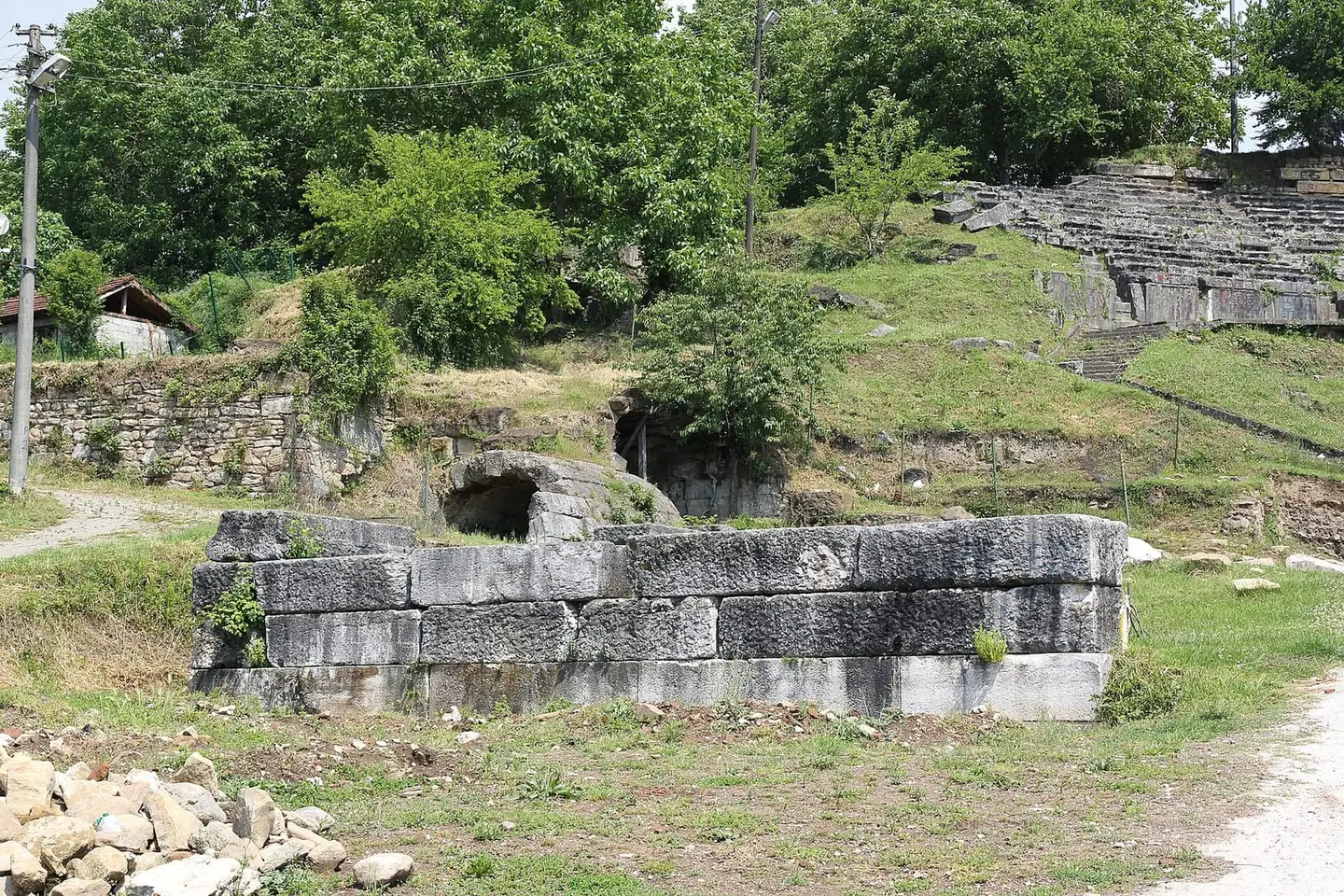
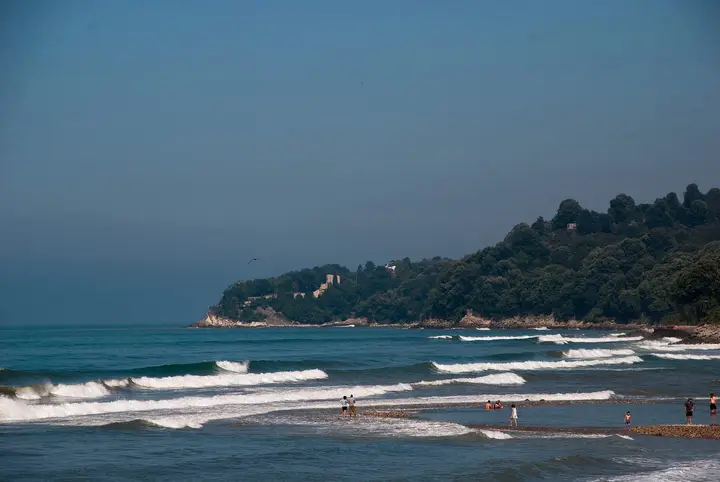 Photo: Acar54 (CC BY-SA 3.0) · Source