Getting to Know Kırklareli
Kırklareli lies in north-eastern Thrace, on the Bulgarian border and the Black Sea coast. The Istranca (Yıldız) Mountains covering the north of the province are home to one of the richest deciduous forests in Europe, while in the south stretch the broad farming plains of the Ergene basin. The Aşağıpınar mound, 3 km from the city, is one of the settlements that best reflects the Neolithic cultures of Thrace.
The city’s old name is Kırkkilise (Greek Saranta Ekklisies); it passed to the Ottomans in 1363 under Murad I. The mosque, hammam and arasta of the Hızırbey Complex (1383–1384) are among the first Ottoman building groups in the Balkans. The Sokollu Mehmed Paşa Complex at Lüleburgaz (1569–1570) is one of the outstanding examples of Mimar Sinan’s way-station complexes. Having changed hands in the Balkan Wars and the First World War, Kırklareli returned to Turkish rule in 1922 after the War of Independence. In the Republican period, migrants from the Balkans shaped the culture of the province markedly.
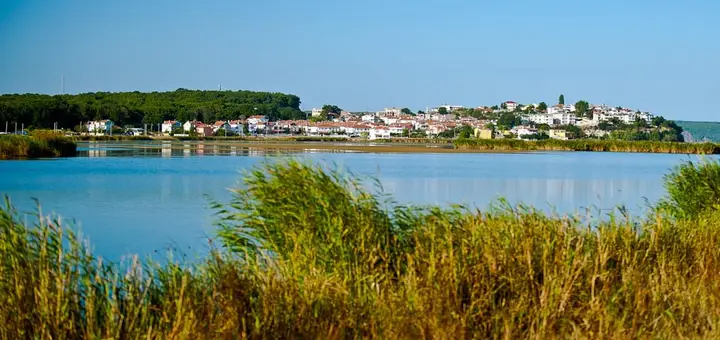
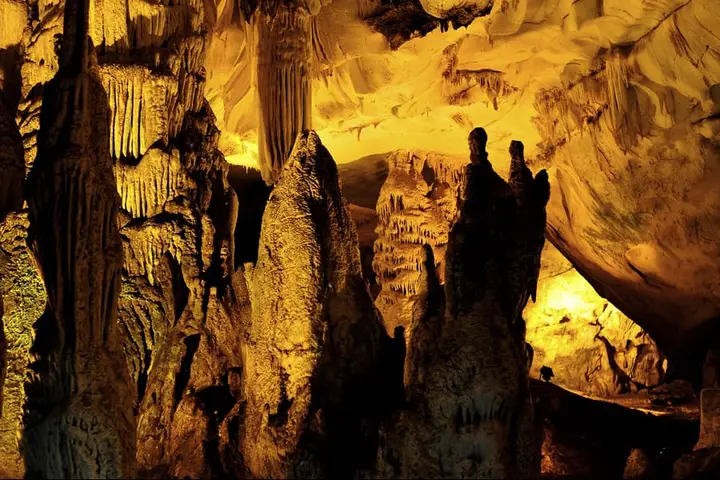
The province’s natural treasure is İğneada on the Bulgarian border, where floodplain forests (longoz), lakes, dunes and beaches are found together; İğneada Longoz Forests National Park was established in 2007. Dupnisa Cave and the Demirköy (Fatih) Foundry, one of the first Ottoman iron foundries, both at Demirköy, are also among the province’s distinctive stops.
When to Go
Kırklareli shows features of transition between the Black Sea and continental climates: winters are cold and rainy, summers mild and hot. Averages for 1959–2025 from the Turkish State Meteorological Service (provincial centre):
| Month |
Avg. high |
Avg. low |
Rainfall |
Rainy days |
| January |
6.9 °C |
0.2 °C |
64 mm |
11 |
| February |
8.7 °C |
1.0 °C |
50 mm |
9 |
| March |
12.3 °C |
3.1 °C |
49 mm |
9 |
| April |
18.0 °C |
7.2 °C |
45 mm |
10 |
| May |
23.5 °C |
11.6 °C |
50 mm |
10 |
| June |
28.1 °C |
15.6 °C |
51 mm |
8 |
| July |
30.8 °C |
17.9 °C |
27 mm |
5 |
| August |
30.7 °C |
17.8 °C |
21 mm |
4 |
| September |
26.3 °C |
14.2 °C |
33 mm |
5 |
| October |
20.0 °C |
9.9 °C |
52 mm |
7 |
| November |
13.9 °C |
6.0 °C |
66 mm |
9 |
| December |
8.9 °C |
2.4 °C |
70 mm |
11 |
June to September is ideal for İğneada and Kıyıköy, and May to October for the forests and the cave. The longoz forests are at their most beautiful flooded in spring and in the colours of autumn. Hıdrellez (5–6 May) and the grape harvest in August are the liveliest times in the province.
How to Get to Kırklareli
By road: Kırklareli is about 210 km (2.5–3 hours) from Istanbul and about 60 km from Edirne; it is reached from the TEM motorway via Lüleburgaz or Babaeski. Demirköy and İğneada are reached from Kırklareli by a forest road; Kıyıköy is reached via Vize.
By train: The Istanbul–Edirne (Kapıkule) line passes through Lüleburgaz, Babaeski and Pehlivanköy.
By air: There is no airport in the province; the nearest airports are Tekirdağ Çorlu and Istanbul Airport.
Kırklareli Area by Area
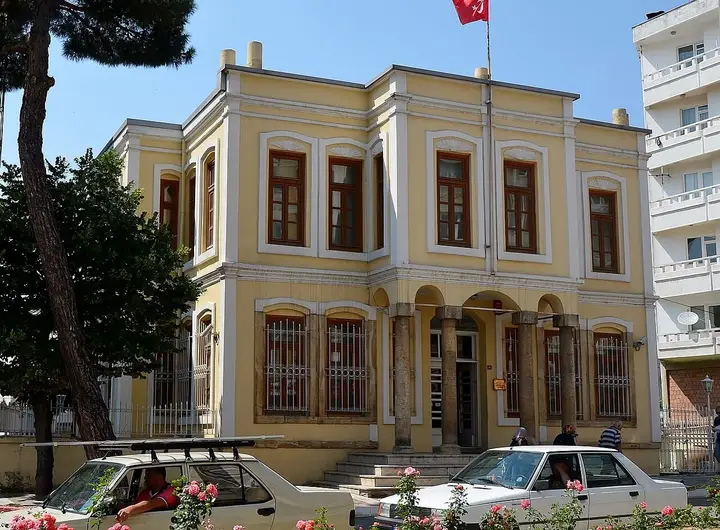
- Central district: the Hızırbey Complex and Arasta, the Kırklareli Museum, the historic houses of the Yayla neighbourhood and the Aşağıpınar mound.
- Demirköy and İğneada: İğneada Longoz Forests National Park, Dupnisa Cave, the Demirköy Foundry, lakes Mert and Saka, and Black Sea beaches.
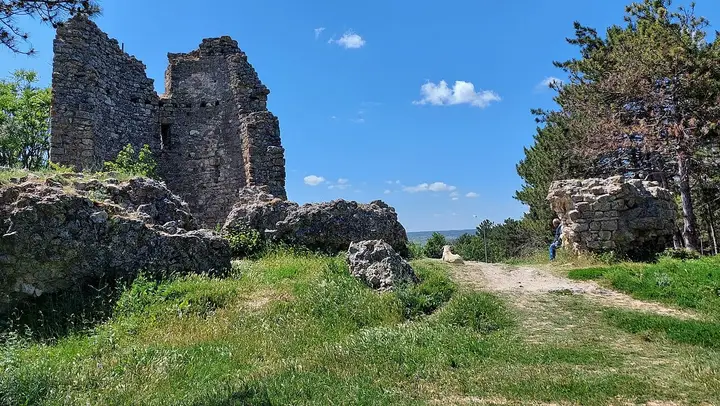
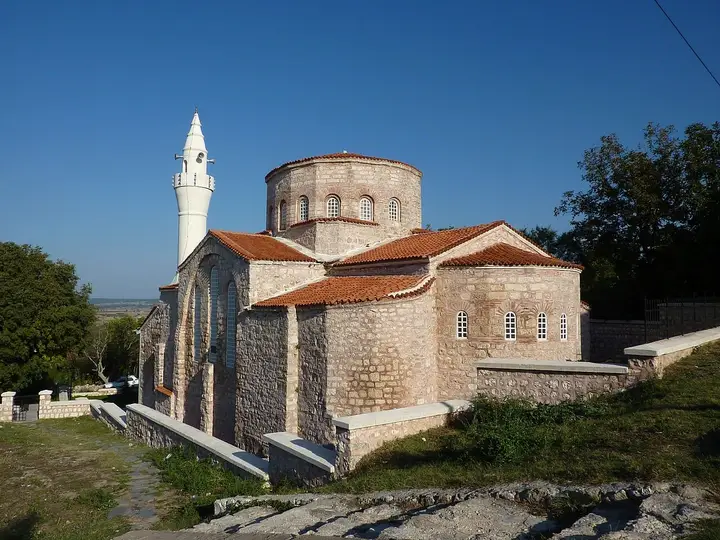
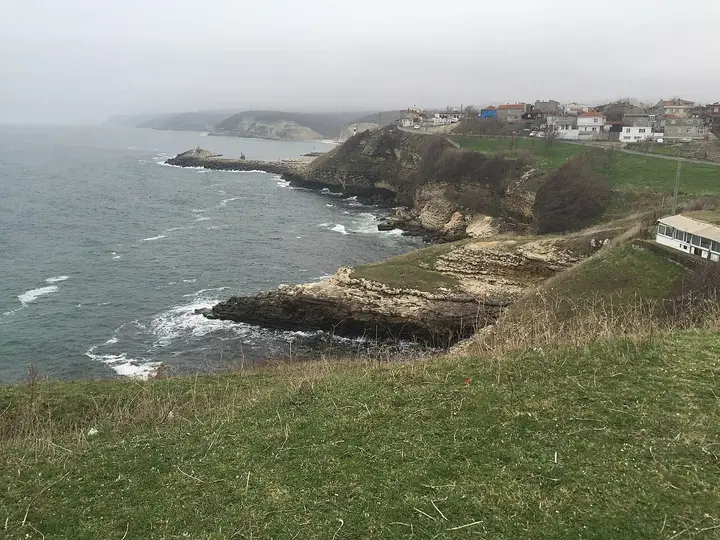
- Vize and Kıyıköy: Vize Castle, the Gazi Süleyman Paşa Mosque (Little Hagia Sophia), Thracian tumuli; and, on the Black Sea coast, Kıyıköy’s castle, rock-cut monastery and beaches.
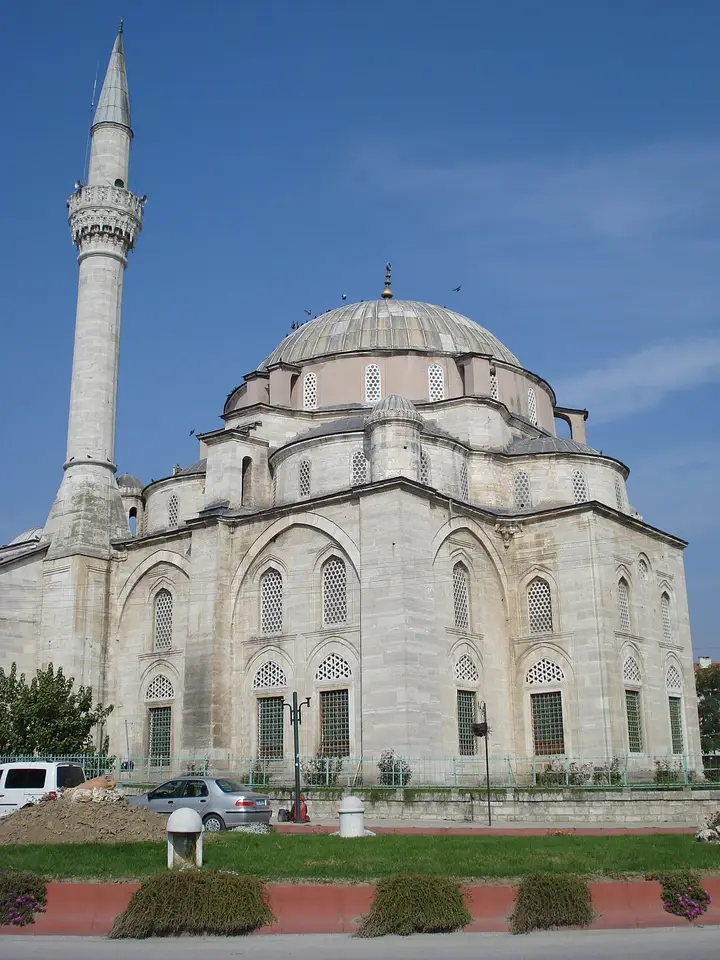
- Lüleburgaz and Babaeski: the Sokollu Mehmed Paşa Complex and arasta, and Mimar Sinan’s Cedid Ali Paşa Mosque at Babaeski.
- Pınarhisar, Kofçaz and Pehlivanköy: wooded villages and rural life.
Suggested Itineraries
Day 1 – The centre and Lüleburgaz: The Hızırbey Arasta and the Kırklareli Museum in Kırklareli; Kırklareli köfte and hardaliye for lunch. In the afternoon, the Sokollu Complex at Lüleburgaz and the Cedid Ali Paşa Mosque at Babaeski.
Day 2 – Istranca and İğneada: The Demirköy Foundry and Dupnisa Cave; then a walk in the longoz forests at İğneada and sunset on the beach.
Day 3 – Vize and Kıyıköy: The Little Hagia Sophia and castle at Vize; at Kıyıköy, the rock-cut monastery, the mouths of the Pabuçdere and Kazandere, and fish.
Kırklareli Cuisine
Kırklareli cuisine is a blend of Balkan migrant and Thracian cooking. Its symbol is Kırklareli hardaliye, a non-alcoholic fermented drink made with black grapes, mustard seed and sour-cherry leaves. Other delicacies with a registered geographical indication are Kırklareli köftesi (Kırklareli meatballs), Ahmetbey köftesi (Ahmetbey meatballs), brakana tatlısı (brakana dessert), Kırklareli beyaz peyniri (white cheese), Kırklareli eski kaşar peyniri (aged kaşar cheese), Kırklareli kıvırcık kuzu eti (Kıvırcık lamb), Kırklareli meşe balı (oak honey) and Babaeski sarımsağı (Babaeski garlic). Mussels and Black Sea fish are common at Kıyıköy, and pırasa böreği (leek börek) and kaçamak (cornmeal dish) in the Istranca villages.
Handicrafts
Among Kırklareli’s traditional textiles, Poyralı dokuması (Poyralı weaving) has a registered geographical indication.
Practical Tips
- İğneada and Kıyıköy fill up with visitors from Istanbul at weekends; book accommodation in advance.
- When walking in the longoz forests, carry mosquito repellent and stay on the marked trails.
- The wet section of Dupnisa Cave may not be open all year because of the protection of bats; check the visiting period.
- Hardaliye is drunk fresh; buy it from local producers, kept cold.
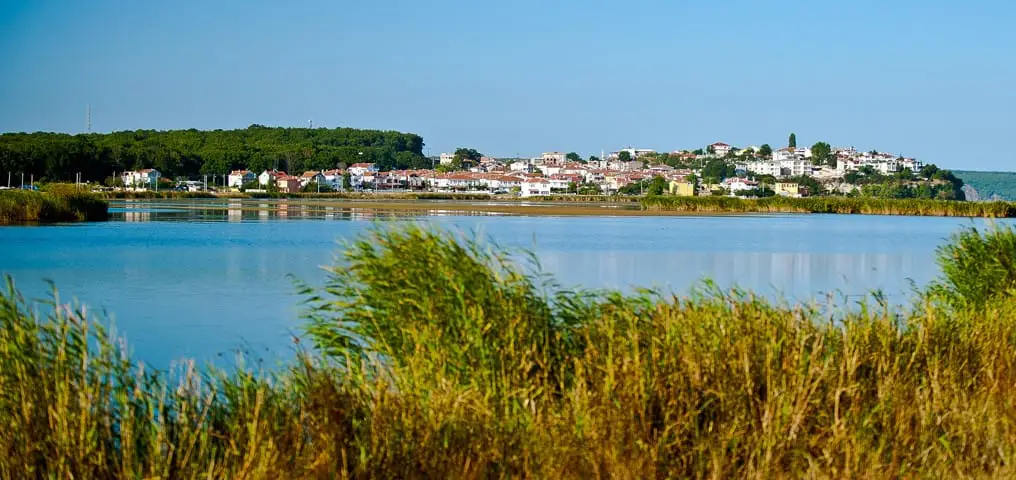
 Photo: Sadrettin (CC BY-SA 4.0) · Source