Getting to Know Çanakkale
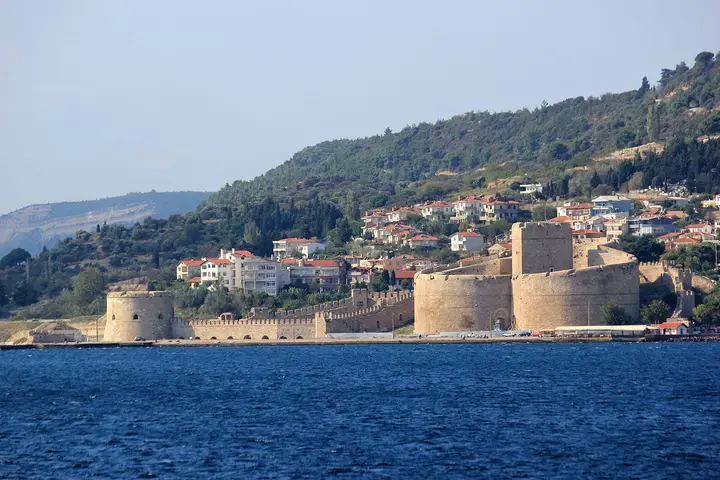
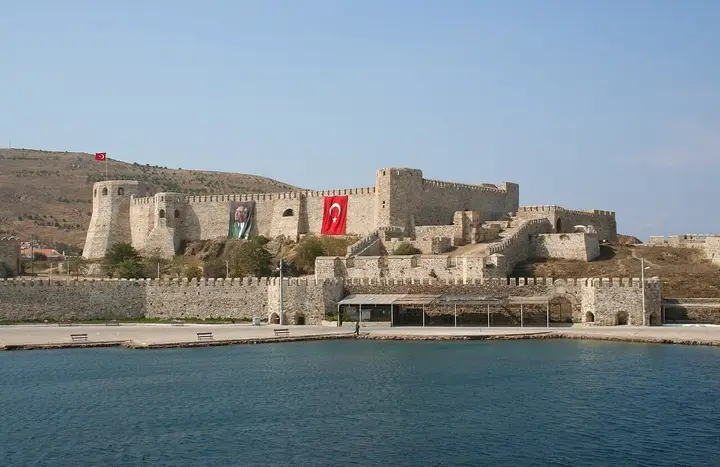
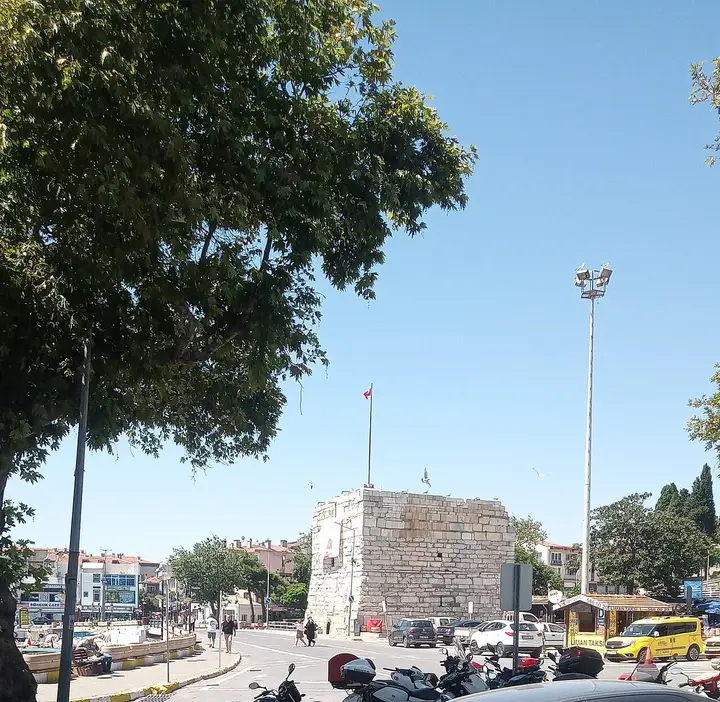
Çanakkale is the only province that straddles both shores of the Dardanelles, which separate Europe from Asia: the Gallipoli Peninsula is in Europe, and the Biga Peninsula (ancient Troad) is in Asia. At its narrowest point the strait narrows to about 1,250 metres; in 1462 Mehmed the Conqueror “locked” the strait by building the castles of Kilitbahir and Çimenlik (Kale-i Sultaniye) on its two shores at this point.
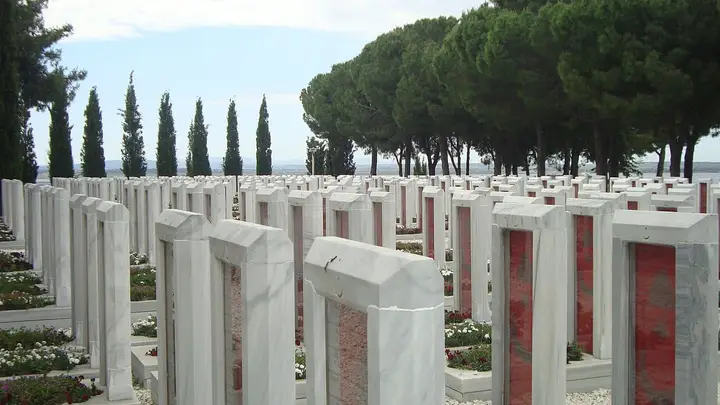
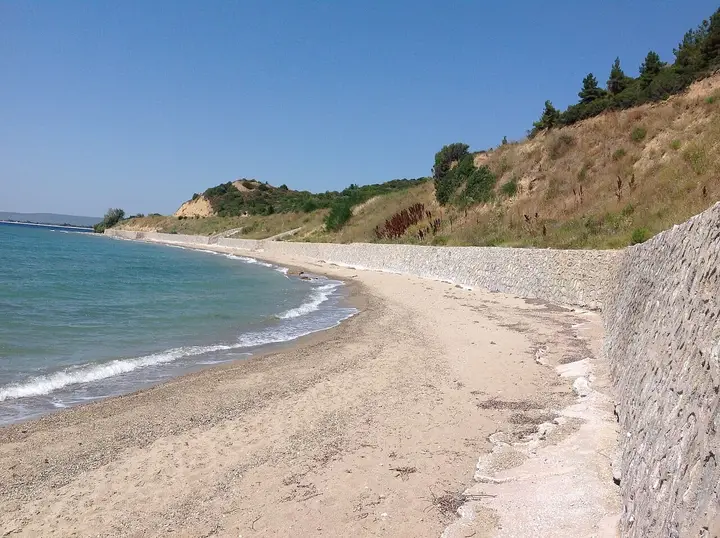
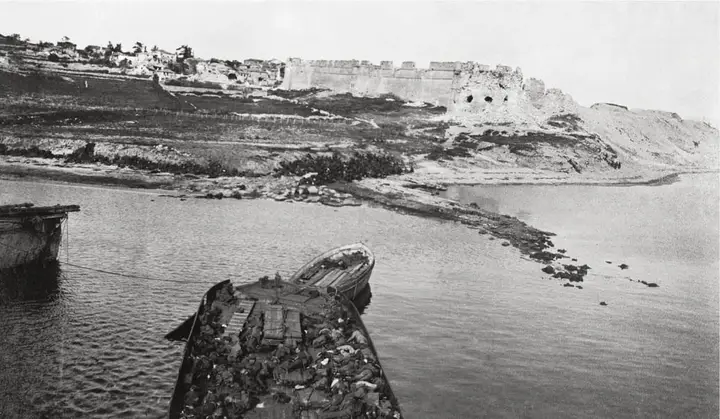
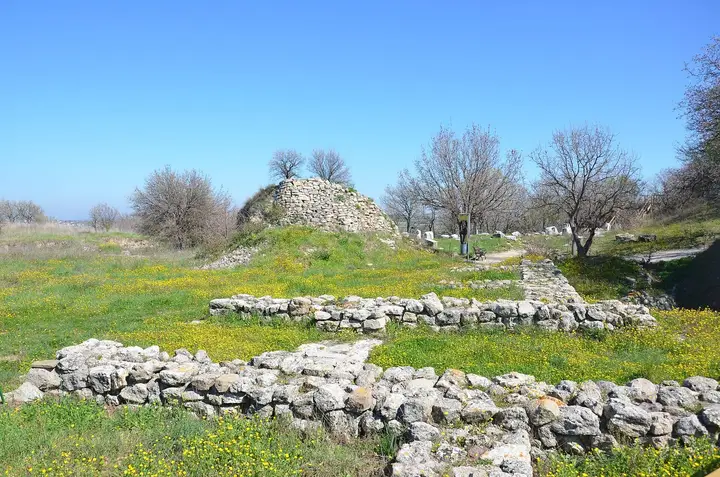
The province is the setting of two of the best-known wars in human history. Troy, at the foot of the Kaz Mountains, is the city of the Trojan War told in Homer’s Iliad; the nine-layered mound, brought to light by Heinrich Schliemann’s excavations in 1871, was added to the UNESCO World Heritage List in 1998. In 1915 the Çanakkale Wars were fought here: on 18 March 1915 the Allied fleet failed to pass the strait, and the land battles that began on 25 April lasted for months on the Gallipoli Peninsula. Today the south of the peninsula is the 33,000-hectare Gallipoli Historical Site of the Çanakkale Battles.
The 1915 Çanakkale Bridge, opened in 2022, has a main span of 2,023 metres, the longest of any suspension bridge in the world, and connects Lapseki with Gelibolu.
When to Go
Çanakkale has a mild climate, a transition between the Mediterranean and Marmara; the strait wind (poyraz) blows all year. Averages for 1929–2025 from the Turkish State Meteorological Service:
| Month |
Avg. high |
Avg. low |
Rainfall |
Rainy days |
| January |
9.7 °C |
3.3 °C |
91 mm |
12 |
| February |
10.3 °C |
3.5 °C |
71 mm |
10 |
| March |
12.6 °C |
4.8 °C |
65 mm |
10 |
| April |
17.3 °C |
8.4 °C |
45 mm |
8 |
| May |
22.7 °C |
12.8 °C |
30 mm |
6 |
| June |
27.9 °C |
16.7 °C |
25 mm |
4 |
| July |
30.9 °C |
19.5 °C |
14 mm |
2 |
| August |
30.8 °C |
19.7 °C |
11 mm |
1 |
| September |
26.5 °C |
16.2 °C |
24 mm |
3 |
| October |
20.9 °C |
12.2 °C |
54 mm |
6 |
| November |
16.1 °C |
8.7 °C |
85 mm |
9 |
| December |
11.9 °C |
5.5 °C |
105 mm |
12 |
April–June and September–October are best for historical sightseeing, and June–September for the islands and the sea. The Gallipoli Peninsula is very crowded during the commemorations on 18 March and 25 April. On Bozcaada the grape harvest takes place from late August to September.
How to Get to Çanakkale
By road: From Istanbul via the Malkara–Çanakkale Motorway and the 1915 Çanakkale Bridge, or via Tekirdağ and Gelibolu. Çanakkale–Eceabat, Çanakkale–Kilitbahir and Lapseki–Gelibolu ferries also operate between the two shores of the strait.
By air: Çanakkale Airport is 5 km from the city centre. For Assos and Ayvacık, Koca Seyit Airport in Edremit is closer.
The islands: Gökçeada is reached by ferry from Kabatepe, and Bozcaada by ferry from Yükyeri Pier at Geyikli.
Çanakkale Area by Area
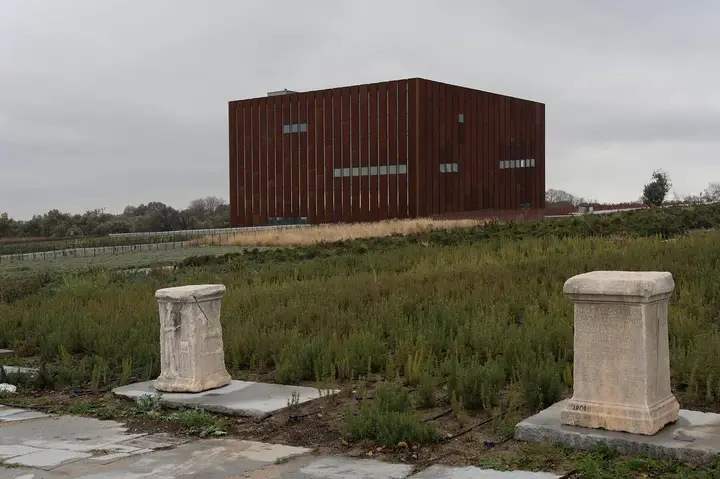
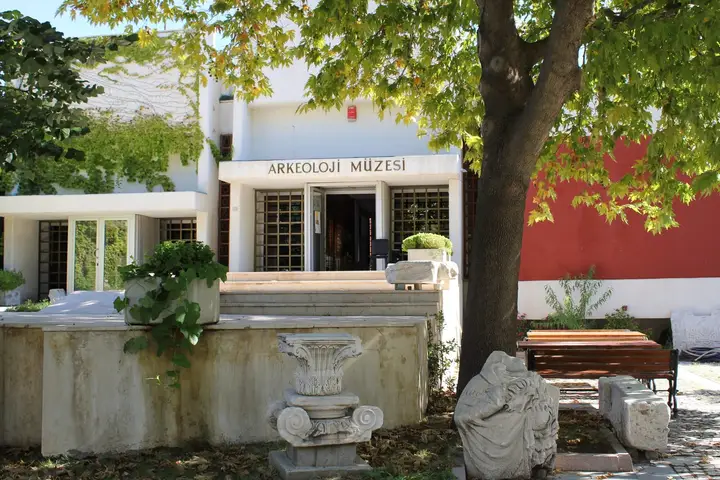
- Merkez: Çimenlik Castle and the Naval Museum, the Çanakkale Archaeology Museum and the waterfront; Troy and the Troy Museum, 30 km to the south.
- Eceabat (Gallipoli Peninsula): the Martyrs’ Memorial, the 57th Regiment Cemetery, Conkbayırı, Anzac Cove, and the castles of Seddülbahir and Kilitbahir.
- Gelibolu: the Piri Reis Museum, the old harbour and the castle.
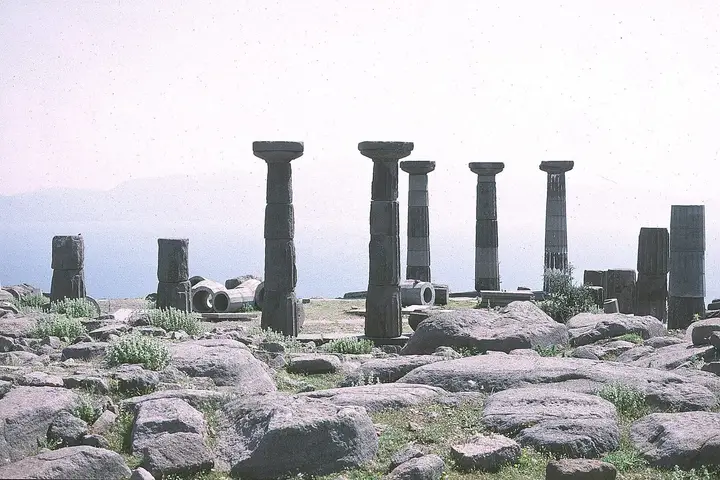
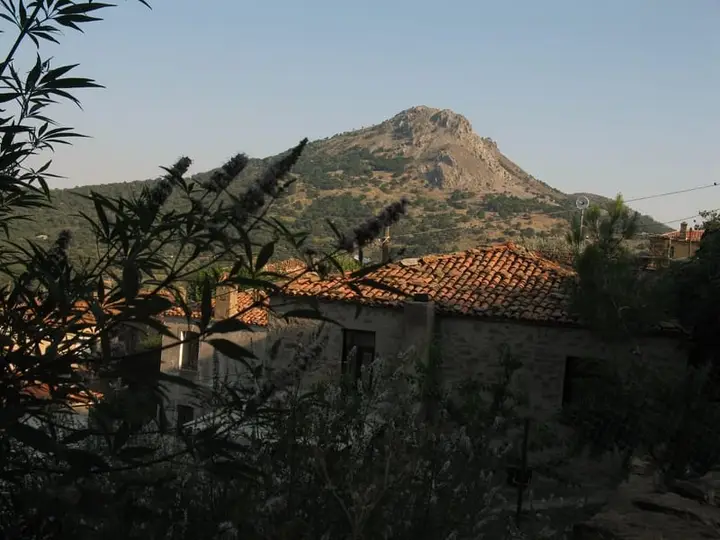
- Ayvacık: Assos (Behramkale), Babakale and the western slopes of the Kaz Mountains.
- Ezine: the ancient city of Alexandreia Troas and Ezine cheese; the ferry to Bozcaada from Geyikli.
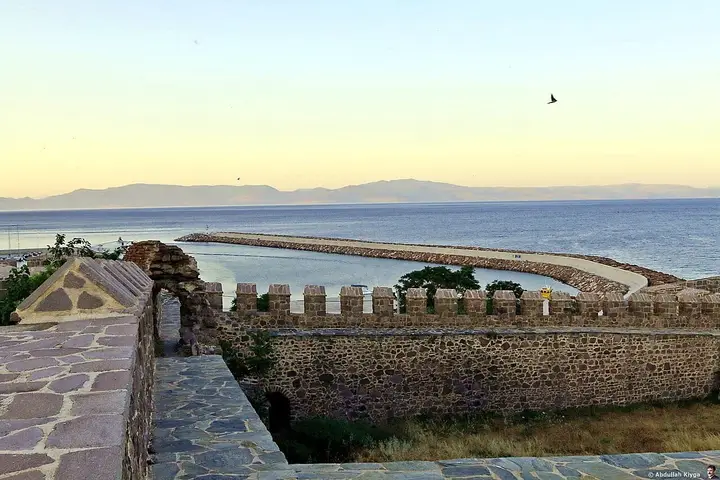
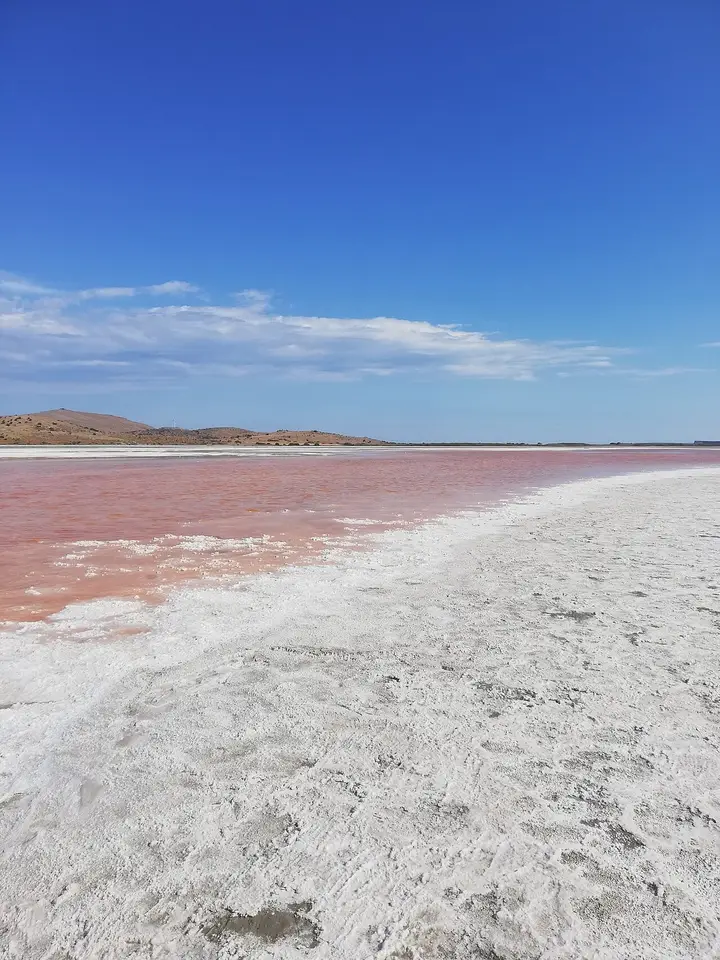
- Gökçeada and Bozcaada: the two Aegean islands; Gökçeada’s Greek villages and Salt Lake, and Bozcaada’s castle, vineyards and Ayazma beach.
- Biga and Lapseki: the ancient city of Parion and Lapseki peaches.
Suggested Itineraries
Day 1 – The Gallipoli Peninsula: From Eceabat, the Kabatepe Information Centre, Anzac Cove, the 57th Regiment Cemetery and Conkbayırı; in the afternoon Seddülbahir and the Martyrs’ Memorial, and Kilitbahir Castle on the way back.
Day 2 – Troy and Assos: In the morning the Troy Museum and the Troy archaeological site; in the afternoon sunset at Assos, from the Temple of Athena with a view of Lesbos.
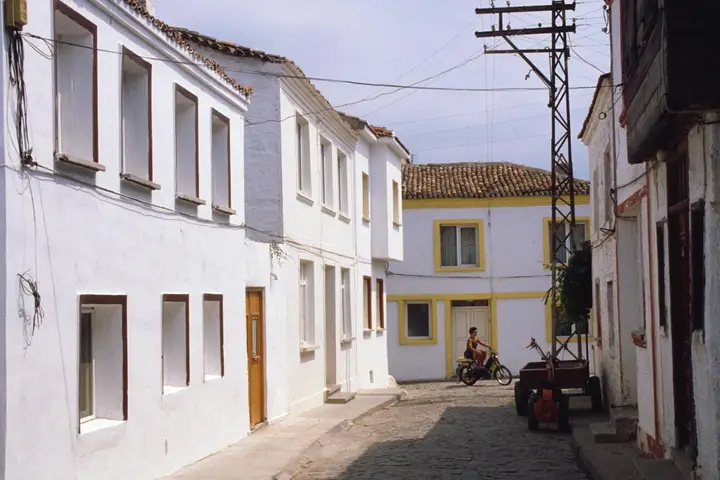
Day 3 – The islands: On Bozcaada the castle, the vineyards and Ayazma; or on Gökçeada Tepeköy, Zeytinliköy and Aydıncık beach.
Çanakkale Cuisine
Foremost among Çanakkale’s registered specialities are the thin cheese halva Gelibolu peynir helvası, Ezine peyniri (Ezine cheese), made from cow’s, sheep’s and goat’s milk, and Biga peynir tatlısı (Biga cheese dessert). Other geographical indications are Bayramiç elması (Bayramiç apples), Bayramiç tahin helvası (Bayramiç tahini halva), the olive oils of Bayramiç and Geyikli, Lapseki şeftalisi (Lapseki peaches), Bozcaada çavuş üzümü (Bozcaada çavuş grapes), Çanakkale domatesi (Çanakkale tomatoes), Yenice kırmızı biberi (Yenice red pepper), Biga pirinci (Biga rice), Işıkeli nohut kahvesi (Işıkeli chickpea coffee), Çanakkale meşe balı (Çanakkale oak honey) and Çanakkale el halısı (Çanakkale handmade carpet). Gelibolu sardines and the fish of the Strait are also indispensable on the table.
Practical Tips
- The Gallipoli Peninsula is very large; to see the cemeteries in a single day, plan a guided tour or a vehicle.
- The poyraz wind often blows in the strait, and ferries and crossings to the islands can be disrupted in bad weather.
- On summer weekends the vehicle queue for Bozcaada and Gökçeada is long; consider crossing without a vehicle.
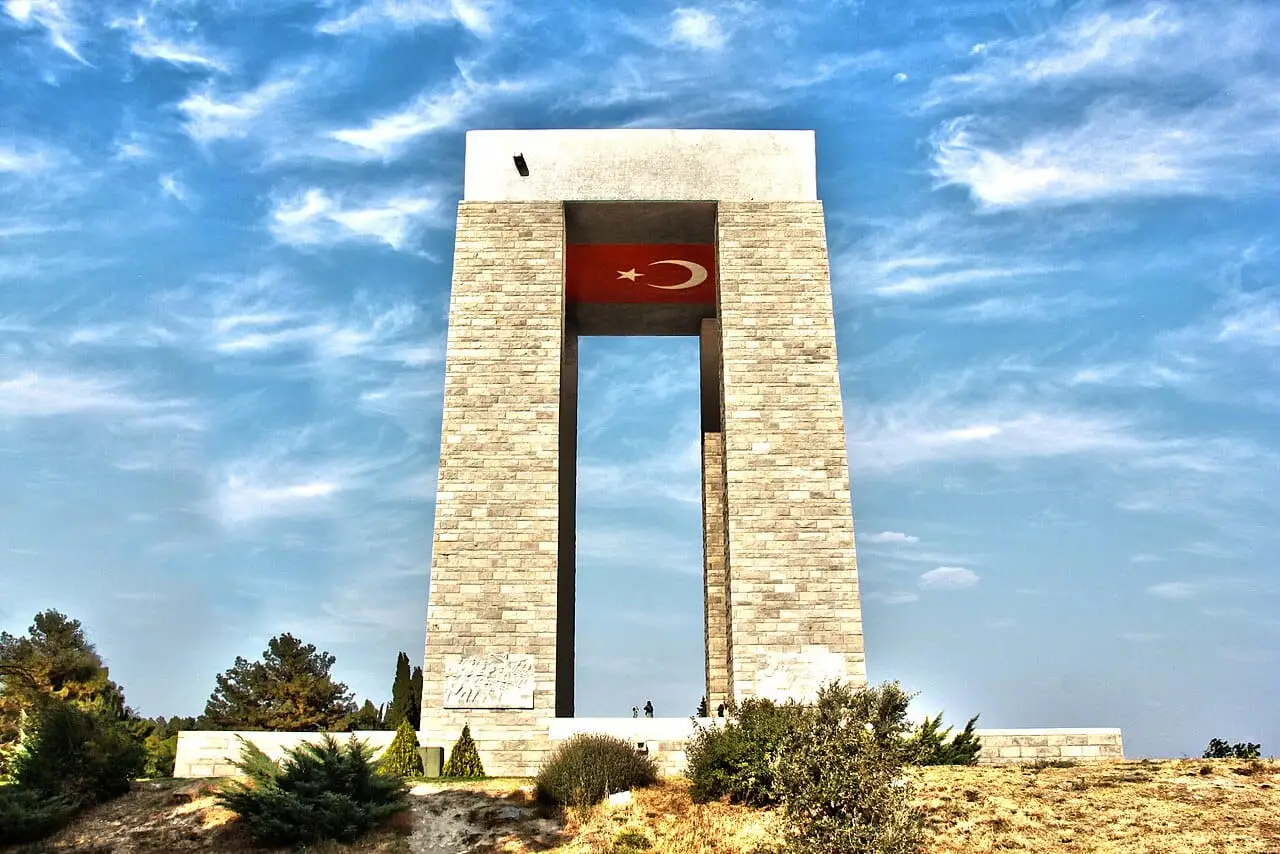
 Photo: Rıfat Ağar (CC BY-SA 4.0) · Source