Lampsakos Ancient City Ruins (Lampsakos Antik Kenti Kalıntıları)
A trading city famous for its wine, founded in antiquity by settlers from Miletus. It has existed for 2,500 years.
View on map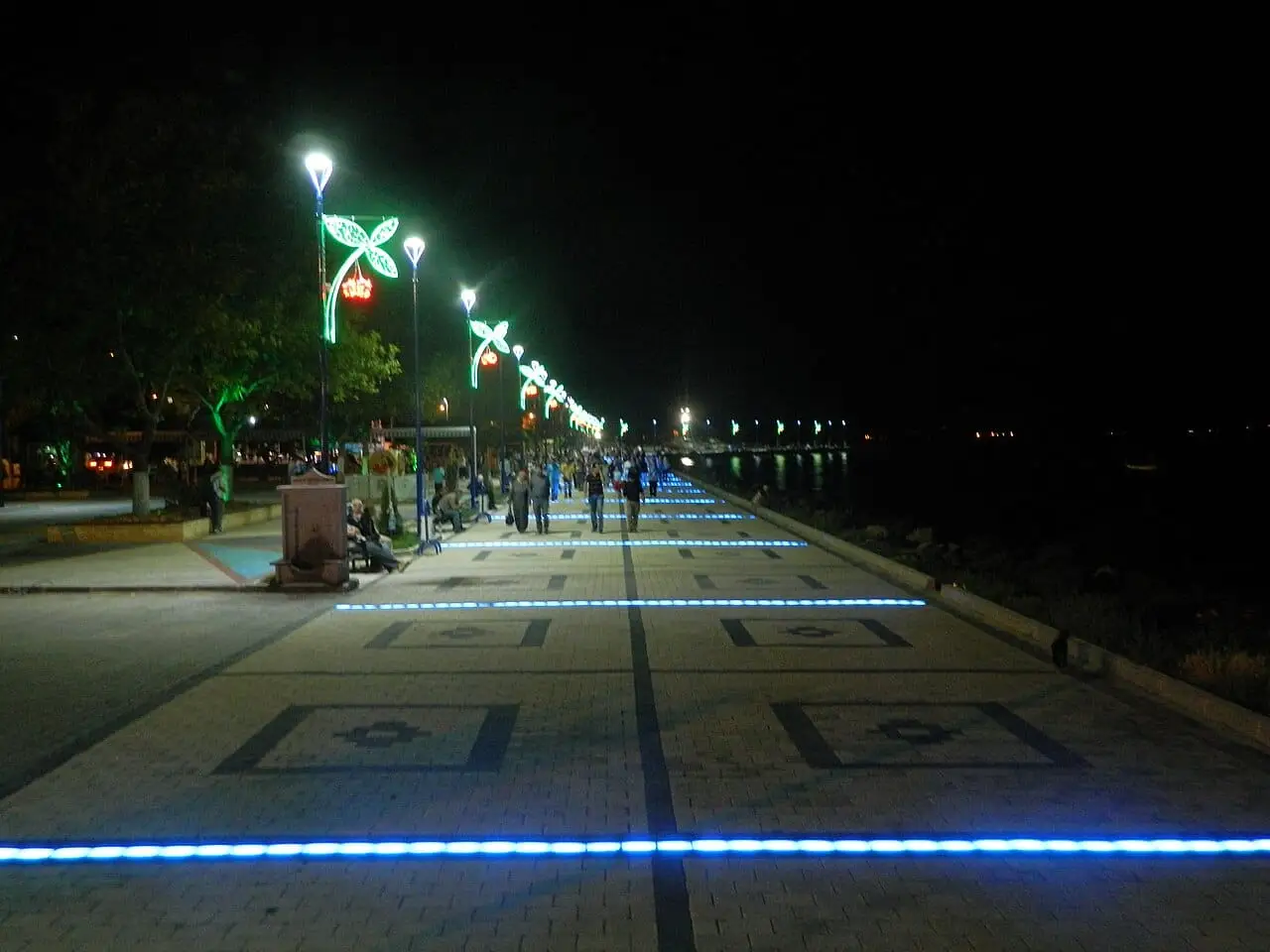 Photo: Kursad17 (CC BY-SA 3.0) · Source
 7 places to visit in the Lapseki district of Çanakkale: Lampsakos Ancient City Ruins (Lampsakos Antik Kenti Kalıntıları), Lapseki Seafront (Lapseki Sahili) and Lapseki Çarşı Mosque (Lapseki Çarşı Camii). Plan your trip to Lapseki with local food, practical tips and transport information.
Lapseki is a district on the Anatolian side of Çanakkale Province. The district covers 821 km² and has an average elevation of 13 metres above sea level. Regular ferry services run between Lapseki and Gelibolu. Lapseki is famous for its cherries, and the Lapseki Cherry Festival is held every year.
Lapseki has existed for about 2,500 years, but the origin of its name is not known. According to the first legend, before the Hellenic migrations to Anatolia, the place was known as Pityausa. The 16th-century traveller Evliya Çelebi stated that the name Lapseki comes from Löpseki, meaning “fig-filled terrace”.
Lampsakos, a very old settlement which in antiquity existed under the name Pityausa, later fell into the hands of the Phocaeans and the Milesians. During this period, Lampsakos’s wine in particular was very famous. So much so that the Persian Shahs Darius I and Xerxes I used to have wine brought from here.
During Alexander the Great’s Asian campaign, he passed in front of Lampsakos and continued on his way towards Biga.
In antiquity, Lampsakos came directly under the influence of the Greek city-states and, in the classical period, was the scene of the Athenian-Spartan wars. There are two legends about the origin of the name Lapseki; the first relates to Lampseke, the daughter of King Mandrom, who saved the Phocaean migrants. In the Roman period, the people of Lampsakos were the first among Anatolian cities to send delegations to Rome to ask for help. During Alexander the Great’s Asian campaign he visited Lampsakos and continued to remain under his protection.
Last updated:
A trading city famous for its wine, founded in antiquity by settlers from Miletus. It has existed for 2,500 years.
View on map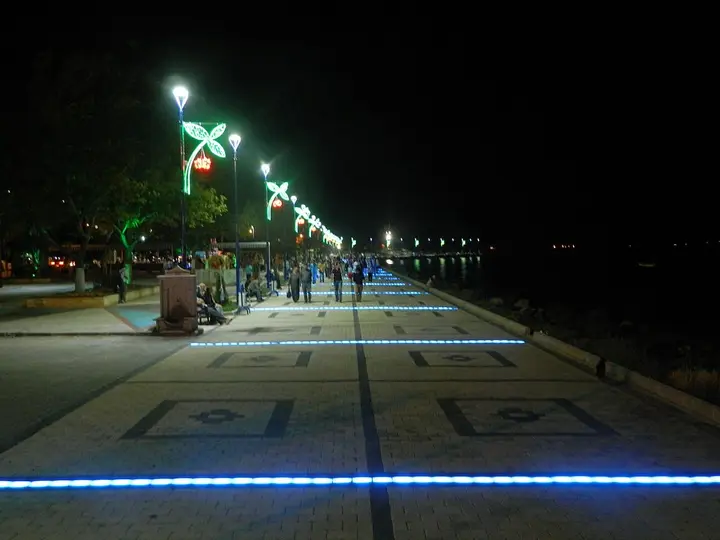 Photo: Kursad17 (CC BY-SA 3.0) · Source
 The coastal area on the Anatolian side of the Dardanelles.
View on mapA mosque built in the Ottoman period, one of the oldest buildings in the district centre. Its stonework and domed structure reflect traditional Ottoman architecture.
View on map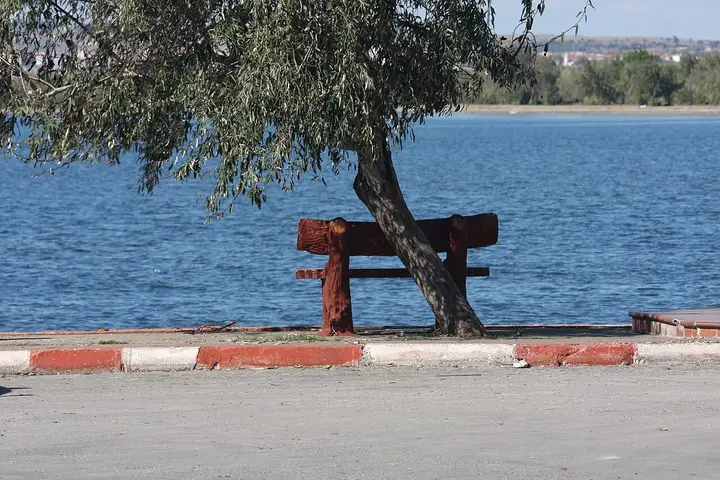 Photo: Şemsi Saracoğlu (CC BY 3.0) · Source
 Çardak Beach, north of Lapseki, has shallow water and a sandy shore, making it a suitable swimming area for families. It is frequently visited by local people in the summer months.
View on mapIn antiquity, Lapseki was called Pityausa, and later became Lampsakos. Founded by Greek colonists from Phocaea and Miletus, it became one of the major trading centres of its era.
View on mapA giant statue taking its name from Lapseki's historic name, it is one of the symbols of the district and of Çanakkale.
View on mapTraditional festivities held in Lapseki on the first Sunday after 6 May, an important part of the region's cultural heritage.
View on mapWhile you are in Lapseki, you can also see the highlights of Çanakkale province. These places are in other districts; Lapseki is about 35 km from the provincial centre.
Fresh fish from the Çanakkale Strait, coated in cornmeal and fried. Served fresh in restaurants along Lapseki's seafront.
Made by mixing fresh cheese with flour and sugar and cooking it in a pan. It is one of the best-known sweets of the Çanakkale region, and can be tasted in its most authentic form at local markets and family restaurants.
Made by cooking fresh artichokes with olive oil, carrot and peas. It is one of the classic flavours of Aegean cuisine. Prepared by local people for special occasions, this dish is a symbol of hospitality.
Lapseki carries the heritage of the ancient city of Lampsakos. The city, home of the philosopher Anaxagoras and one of the main centres of the cult of Priapus, god of fertility, has a rich history.
The Lapseki Peach Festival, held every summer, celebrates the peach harvest. During the festival, local product stalls, concerts and cultural events are organised.
Lapseki's economy is based on agriculture and fishing. Peach growing is the district's most important agricultural activity; Lapseki peaches are in high demand in the national market. Cherry, olive and vegetable production also take place. Fishing in the Çanakkale Strait is one of the traditional livelihoods.
Lapseki is 35 km from Çanakkale city centre. It lies on the Çanakkale-Istanbul road. Ferry services run from Gelibolu to Lapseki. Road connection is also provided by the 1915 Çanakkale Bridge.
The highlights of Lapseki are 7 places: Lampsakos Ancient City Ruins, Lapseki Seafront, Lapseki Çarşı Mosque, Çardak Beach, Lampsakos Ancient City, Lampsakos Statue and Hıdırellez Festivities.
Balık Tava, Peynir Helvası and Zeytinyağlı Enginar are the standout dishes on Lapseki's tables.
Lapseki is known for Lapseki Peach and the Ancient Lampsakos Heritage. Registered with TÜRKPATENT as a protected designation of origin product.
Lapseki is 35 km from Çanakkale city centre. It lies on the Çanakkale-Istanbul road. Ferry services run from Gelibolu to Lapseki. Road connection is also provided by the 1915 Çanakkale Bridge.
Recommended trip length: 1 day. Best time to visit: summer.