Çan Castle Ruins
Byzantine-period castle ruins on the hill above the town centre. From the castle there are views over the Çan plain and the surrounding mountains.
View on map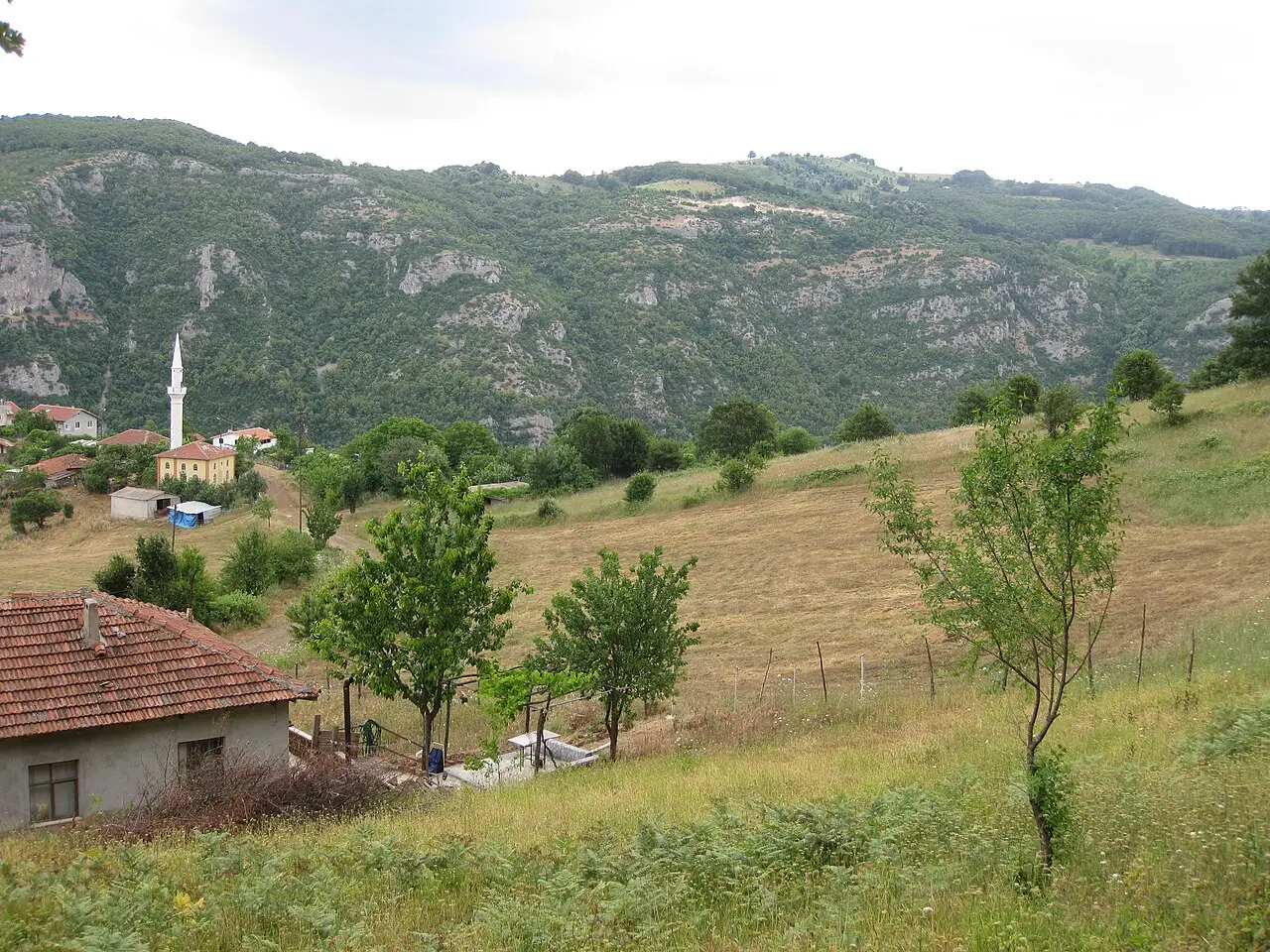 Photo: Arif Cemal Özcan (CC BY-SA 4.0) · Source
 10 places to visit in the Çan district of Çanakkale: Çan Thermal Park, Etili Höyük and Çan Castle Ruins. Plan your trip to Çan with local food, practical tips and transport information.
Although there is no certain information about the founding date of Çan, historical sources show that in ancient times it was called Gergithes. Çan was attached to Biga as a bucak (sub-district) in 1897 and became a district centre on 1 August 1945. Çan, which suffered Greek occupation and heavy destruction in 1921 during the War of Independence, was liberated from occupation on 23 September 1922.
Until the 1950s the district lived entirely on agriculture and livestock farming, but it developed socio-economically with the later establishment of the Çanakkale Ceramic Factories. The Kale Group was founded in the district and is today one of Türkiye’s largest and most established industrial groups; the group, founded by industrialist İbrahim Bodur, employs nearly 5,000 people directly. The Çan 18 Mart Thermal Power Plant is, according to some sources, the cleanest and most environmentally friendly thermal power plant in Türkiye, and it was built using fluidised bed technology.
The district is very rich in geothermal waters, and the Çan Municipality Thermal Hotel and Residences, whose construction began in 2012, bring significant economic benefits.
Çan was attached to Biga as a bucak in 1897 and became a district centre on 1 August 1945. Çan was liberated from Greek occupation on 23 September 1922. The Etili bucak, which was attached to Bayramiç district, became a bucak attached to Çan district. According to the source, the motorway of the Çanakkale 1915 Bridge will pass through the boundaries of Çan. The district developed socio-economically with the subsequent establishment of the Çanakkale Ceramic Factories.
Last updated:
Byzantine-period castle ruins on the hill above the town centre. From the castle there are views over the Çan plain and the surrounding mountains.
View on mapAn ancient settlement within the district boundaries, mentioned in historical sources as the place where a beauty contest was held.
View on mapThe ancient city of Kallikolone near Etili is said to be the place where a beauty contest was held among three goddesses.
View on mapA mosque built in the Ottoman period, it is one of the oldest buildings in the town centre. It stands out for its stonework and domed structure.
View on mapThermal springs close to the town centre, with mineral-rich water. The baths are believed to help rheumatism and skin complaints and are favoured for health tourism.
View on mapThe Karakoca, Bahadırlı and Helvacı plains are cited as the district's most important plains.
View on mapThe thermal hotel and residences in Çan have been completed and opened to visitors.
View on mapThe largest amusement park in Çanakkale, and one of the district's tourism and recreation areas.
View on mapThe 18 Mart Thermal Power Plant in Çan is, according to some sources, the cleanest and most environmentally friendly thermal power plant in Türkiye.
View on mapWhile you are in Çan, you can also see the highlights of Çanakkale province. These places are in other districts; Çan is about 50 km from the provincial centre.
Çanakkale Oak Honey was registered as a protected designation of origin on 12 May 2026 (TÜRKPATENT registration no. 1856). Product group: honey. Registered by: Çanakkale Beekeepers' Union Commercial Enterprise.
Minced beef kneaded with onion and spices, then grilled. It is among the traditional meat dishes of Çan.
Prepared by cooking cracked wheat and meat for a long time and then pounding them together. It is the traditional dish of weddings and festive meals. Keşkek, an essential part of wedding feasts, is prepared in a communal spirit.
Prepared by mixing fresh cheese with flour and sugar and cooking it in a pan. It is one of the best-known desserts of the Çanakkale region. Prepared by local people on special occasions, this delicacy is a symbol of hospitality.
Çan is one of the important centres of ceramic production in Çanakkale. Traditional pottery and ceramic art have been practised for centuries.
Lignite coal mining has continued in Çan for many years. Mining is a major sector that shapes the economic and social life of the district.
The economy of Çan is based on mining, agriculture and ceramic production. Lignite mining is the district's most important economic activity; the Çan Thermal Power Plant supplies energy to the region. Wheat, sunflowers and vegetables are grown in agriculture. Ceramic production has an important place in the traditional craft sector.
Çan lies 50 km from Çanakkale city centre. It is on the Çanakkale-Biga highway. There are regular bus and minibus services from the Çanakkale intercity bus terminal.
The top 10 places in Çan are: Çan Thermal Park, Etili Höyük, Çan Castle Ruins, Çan Hot Springs, Çan Çarşı Mosque, Çan Thermal Hotel and Residences, Ağı Mountain, the Karakoca, Bahadırlı and Helvacı Plains, the Ancient Kallikolone City near Etili and the Çan 18 Mart Thermal Power Plant.
Çanakkale Oak Honey, Çan Köftesi (meatballs), Keşkek (wheat and meat porridge) and Peynir Helvası (cheese halva) are the standout dishes on Çan's tables.
Çan is known for Çanakkale Tomato and its Ceramics Tradition. It is a protected designation of origin product registered with TÜRKPATENT.
Çan lies 50 km from Çanakkale city centre. It is on the Çanakkale-Biga highway. There are regular bus and minibus services from the Çanakkale intercity bus terminal.
Suggested length of visit: 1 day. Best time to visit: spring and autumn.