Çimenlik Castle
A castle built by Fatih Sultan Mehmet in 1462 to control the Dardanelles.
View on map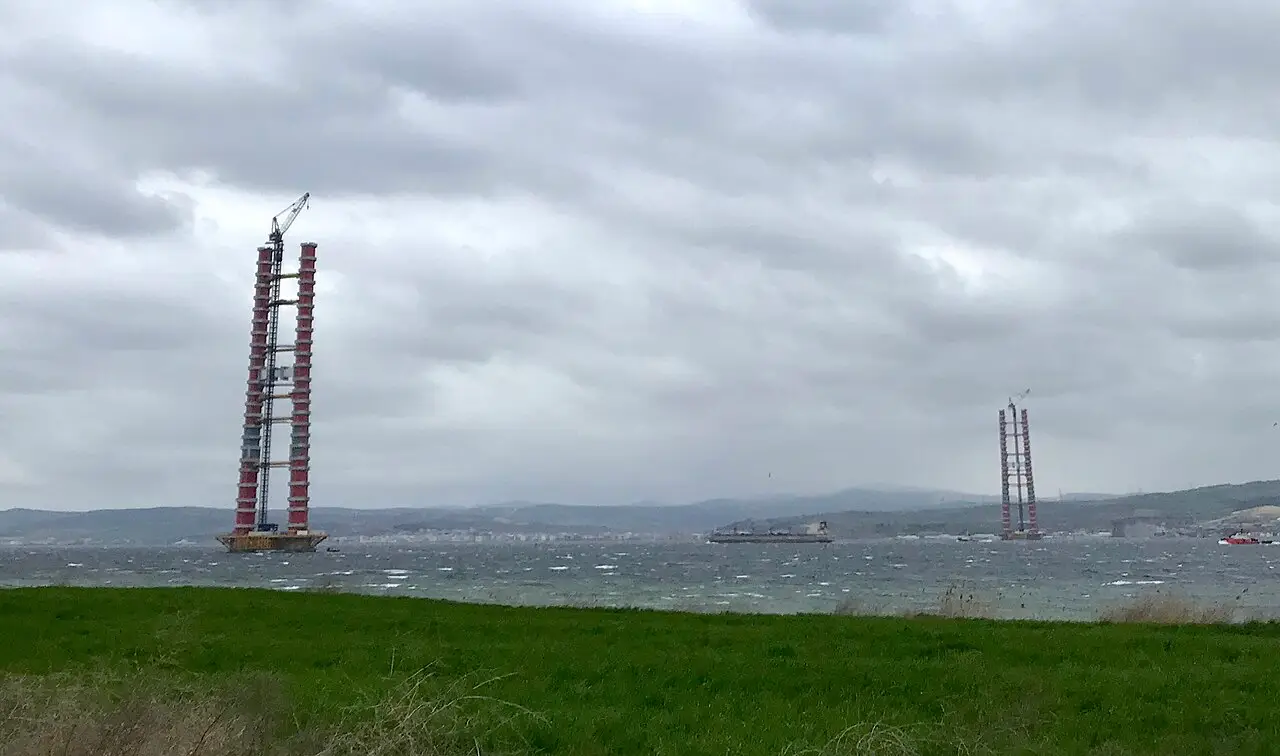 Photo: Homonihilis (CC BY-SA 4.0) · Source
 5 places to visit in the central district of Çanakkale: Çimenlik Castle, Troy Ancient City and 1915 Çanakkale Bridge. Plan your trip with local food, practical tips and transport information.
Çanakkale is the only province that spans both shores of the Dardanelles, which separate Europe and Asia. At its narrowest point the Strait narrows to about 1,250 metres. In 1462, Fatih Sultan Mehmet had the castles of Kilitbahir and Çimenlik (Kale-i Sultaniye) built, and so locked the Strait.
Çanakkale is the setting of two of the best-known wars in human history. Troy, on the slopes of Mount Ida, is the city of the Trojan War described in Homer’s Iliad. Troy, a nine-layered mound uncovered by the excavations of Heinrich Schliemann in 1871, was added to the UNESCO World Heritage List in 1998. The Battles of Çanakkale took place here in 1915.
The 1915 Çanakkale Bridge, opened in 2022, has the world’s longest central span of any suspension bridge, at 2,023 metres.
Çanakkale has a temperate Mediterranean-Marmara transitional climate, and the Strait’s north-easterly wind (poyraz) is felt throughout the year.
One of the two castles built at the narrowest point of the Strait in 1462-63 was constructed to defend Istanbul. The Troy Museum tells the story of Troy and its cultures, and its archaeological history, through objects excavated from the site.
Last updated:
A castle built by Fatih Sultan Mehmet in 1462 to control the Dardanelles.
View on mapLocated on the slopes of Mount Ida, this is the site of the Trojan War described in Homer's Iliad. It was added to the UNESCO World Heritage List in 1998.
View on map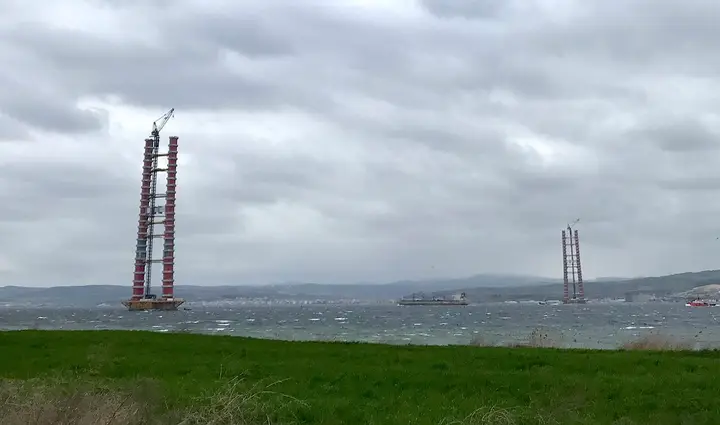 Photo: Homonihilis (CC BY-SA 4.0) · Source
 Opened in 2022, it is the world's longest suspension bridge by its central span of 2,023 metres.
View on mapA maritime museum in Fevzipaşa Neighbourhood, registered under the Merkez address.
View on mapCheese halva, prepared by mixing fresh cheese with flour and sugar and cooking it in a pan, is Çanakkale's best-known dessert. It is also eaten at breakfast tables.
Fresh sardines from the Dardanelles are coated in cornmeal and fried. They are served with rocket and lemon at seaside restaurants.
A börek made with the famous Ezine cheese of Çanakkale, baked with plenty of cheese between thin layers of yufka pastry.
The Battles of Çanakkale in 1915 are among the cornerstones of Turkish national identity. The commemoration ceremonies held every year on 18 March attract thousands of visitors.
The legend of the Trojan War, the subject of Homer's epic Iliad, is an inseparable part of Çanakkale's cultural identity. A replica of the Trojan Horse is the symbol of the city.
The economy of the Merkez district of Çanakkale is based on tourism, agriculture, fishing and trade. The Troy Ancient City and the Çanakkale battlefields attract millions of tourists every year. Fishing along the Strait is an important source of livelihood. Çanakkale Onsekiz Mart University contributes to the city's educational and economic life. The 1915 Çanakkale Bridge has increased the region's transport and trade potential.
Çanakkale is reached from Istanbul by the 1915 Çanakkale Bridge or by ferry. Çanakkale Airport serves domestic flights. Intercity bus services connect with all major cities. Ferry services operate between the two shores of the Strait.
The top 5 places in Çanakkale Merkez are: Çimenlik Castle, Troy Ancient City, 1915 Çanakkale Bridge, Troy Museum and Çanakkale Maritime Museum.
Peynir Helvası (cheese halva), Sardalya Tava (fried sardines) and Ezine Cheese Börek are the standout dishes on Çanakkale Merkez's tables.
Çanakkale Merkez is known for Çanakkale Ceramics and the Legacy of the Battles of Çanakkale. Çanakkale was an important ceramic production centre in the 18th and 19th centuries. Traditional Çanakkale ceramics, with their coloured glazes and figurative designs, are sought after by collectors.
Çanakkale is reached from Istanbul by the 1915 Çanakkale Bridge or by ferry. Çanakkale Airport serves domestic flights. Intercity bus services connect with all major cities. Ferry services operate between the two shores of the Strait.