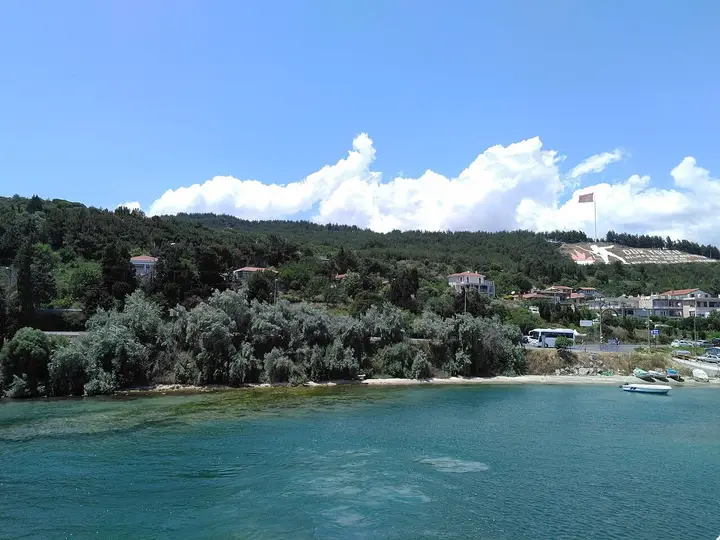
 Photo: Biryoda (CC BY-SA 4.0) · Source
 Gelibolu Castle
A castle built by Sultan Bayezid I, it is a structure that can still be seen in Gelibolu.
View on map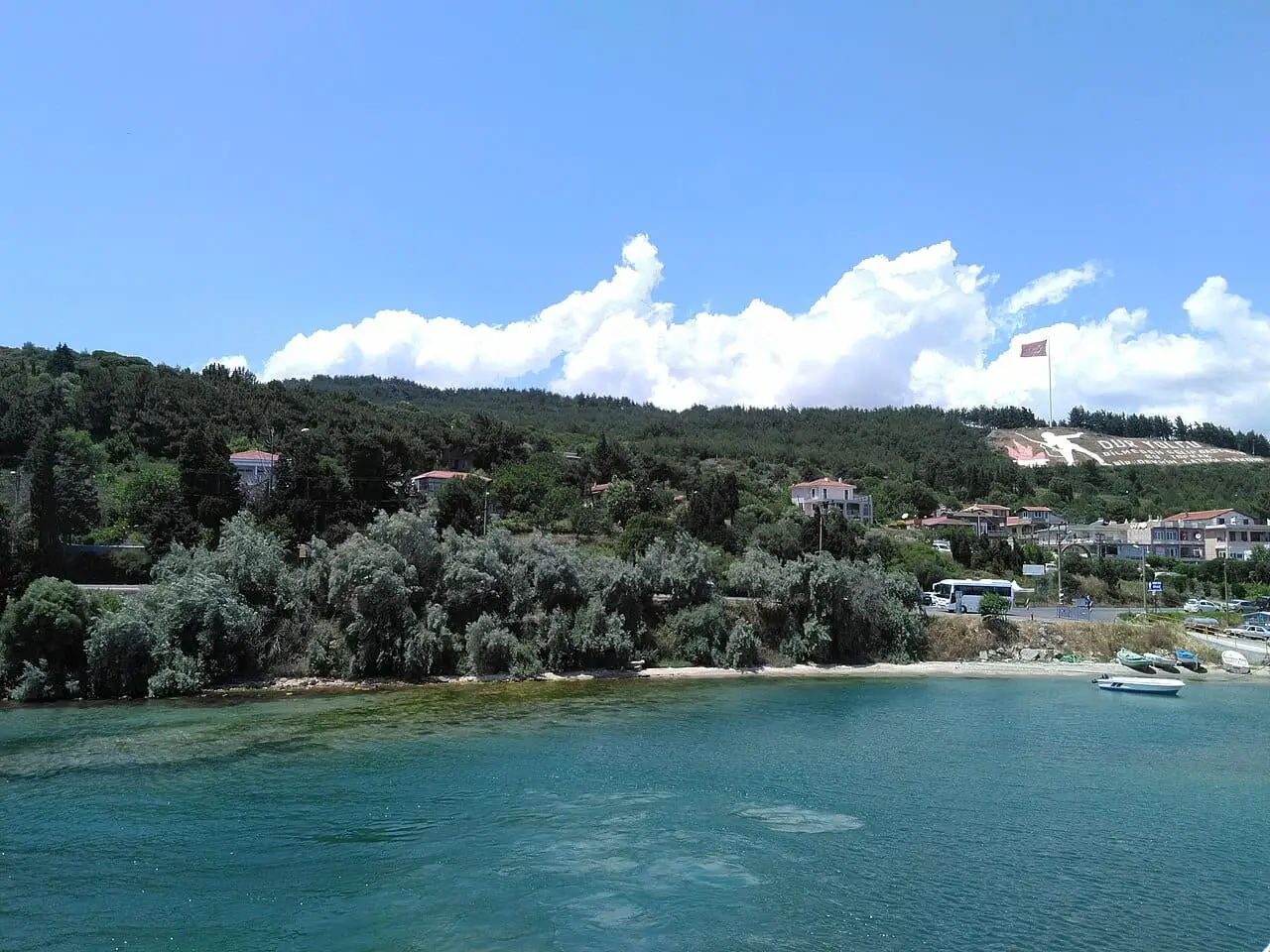 Photo: Biryoda (CC BY-SA 4.0) · Source
 9 places to visit in the Gelibolu district of Çanakkale: Gelibolu Castle, Gelibolu Harbour and Gelibolu Peninsula Historical National Park. Plan your trip to Gelibolu with local food, practical tips and transport information.
Gelibolu is the settlement that is the centre of Gelibolu district in Çanakkale. It lies on the European side of the Dardanelles, on the southern shore of the peninsula that bears its name in Eastern Thrace. The district covers an area of 823 km² and its average elevation above sea level is 34 metres.
Its name comes from Kallipolis, meaning “beautiful city” in Greek. The Macedonian city of Kallipolis was founded in the 5th century BC. In antiquity the region was called Crithote. One month after the destructive earthquake of 1354, the Ottomans besieged and conquered Gelibolu. Gelibolu became the first Ottoman castle in Europe. Sultan Bayezid I had a castle and tower built in Gelibolu.
During the Crimean War in 1854, Gelibolu was the site of an important camp of British and French forces. In March 1854, British and French engineers built a defensive line 11.5 km long.
The first Australian troops landed at Anzac Cove in the early hours of 25 April 1915. After eight months of fierce fighting, the last Allied soldiers withdrew on 9 January 1916. In 1915 the Ottoman Empire established the Star of Gelibolu as a military decoration.
Its name comes from Kallipolis, meaning “beautiful city” in Greek. In 1854, during the Crimean War, Gelibolu was the site of an important camp of British and French forces. There were the 1913 Battle of Bolayır and several small clashes in the Greek villages near Gelibolu. In 1416, the Venetians under Pietro Loredan defeated Ottoman forces at the Battle of Gelibolu. The Mevlevi lodge was purchased and restored in 1994 and opened to visitors on 17 September 2005.
Last updated:
Photo: Biryoda (CC BY-SA 4.0) · Source A castle built by Sultan Bayezid I, it is a structure that can still be seen in Gelibolu.
View on map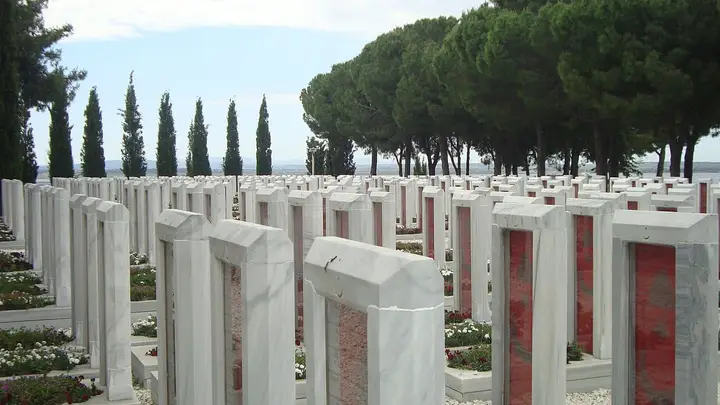 Photo: Liachiyaa (CC BY-SA 4.0) · Source
 The national park, covering an area of 33,000 hectares, protects the sites of the 1915 Çanakkale battles. Within the park there are dozens of war cemeteries, monuments and trenches.
View on mapThe house where Namık Kemal, poet and thinker of the Tanzimat period, was born has been arranged as a museum. The poet's belongings, works and documents of the period are on display.
View on mapIn Gelibolu are the graves of the Ottoman writers Ahmed Bican and his brother Mehmed Bican.
View on mapA castle and tower built by Sultan Bayezid I can still be seen in Gelibolu.
View on mapThe Mevlevi lodge in Gelibolu was repaired several times over the years and rebuilt in 1900.
View on mapThe historic harbour and the surrounding shoreline, with fishing boats, cafés and restaurants, make this Gelibolu's liveliest area. The view of the strait is impressive at sunset.
View on mapThe historic harbour was used as a stopover between the western Mediterranean and Istanbul during the Crimean War.
View on map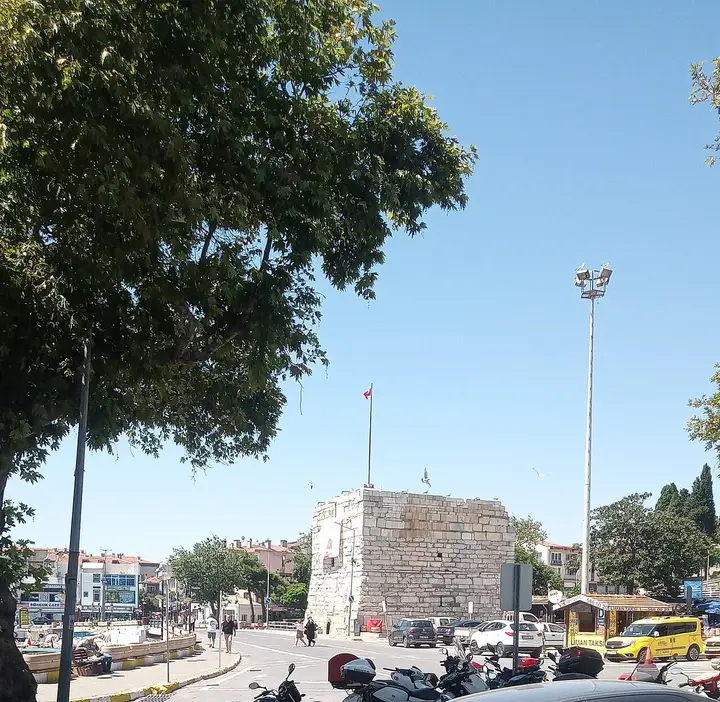 Photo: Kızıldeniz (CC BY-SA 4.0) · Source
 Founded in memory of the famous Ottoman sailor and cartographer Piri Reis, the museum displays works on maritime history and cartography. A copy of Piri Reis's world map is the museum's most important piece.
View on mapWhile you are in Gelibolu, you can also see the highlights of Çanakkale province. These places are in other districts.
Gelibolu Cheese Halva was registered as a protected geographical indication on 15 April 2024 (TÜRKPATENT registration no. 1566). Product group: bakery and pastry products, dough products, desserts. Registered by: Gelibolu Chamber of Agriculture.
Fresh sardines from the Sea of Marmara and the Dardanelles are coated in cornmeal and fried. It is Gelibolu's best-known dish.
Fresh anchovies are steamed with onion, tomato and peppers. It is a traditional fish dish eaten frequently in the winter months.
Prepared by mixing fresh cheese with flour and sugar and cooking it in a pan. It is one of the best-known desserts of the Çanakkale region. The recipe, passed down from generation to generation, varies slightly in every family.
Gelibolu is the birthplace of the famous Ottoman sailor and cartographer Piri Reis. His world map dated 1513 is one of the most important works in the history of cartography.
Namık Kemal, poet of the Tanzimat period, was born in Gelibolu in 1840. He holds an important place in the history of Turkish theatre with his play 'Vatan yahut Silistre'.
The economy of Gelibolu is based on fishing, tourism and agriculture. Fishing in the Dardanelles is an important source of livelihood. Tourism income is generated by the Çanakkale battlefields and historic sites. Olive growing and small livestock farming are traditional economic activities. The Gelibolu Shipyard operates in the shipbuilding and repair sector.
Gelibolu lies 45 km from Çanakkale city centre via the 1915 Çanakkale Bridge. It is on the Istanbul-Çanakkale highway. Transport is also provided by ferry from Lapseki. Regular intercity bus services operate.
The top 9 places in Gelibolu are: Gelibolu Castle, Gelibolu Harbour, Gelibolu Peninsula Historical National Park, Piri Reis Museum, Namık Kemal House, Gelibolu Harbour and Waterfront, Gelibolu Mevlevihane, the Graves of Ahmed Bican and Mehmed Bican, and the Castle and Tower of Bayezid I.
Gelibolu Cheese Halva, Sardalya Tava (fried sardines), Hamsi Buğulama (steamed anchovies) and Peynir Helvası (cheese halva) are the standout dishes on Gelibolu's tables.
Gelibolu is known for the Gelibolu Sardine and the Piri Reis Legacy. The Gelibolu sardine, caught in the swift currents of the Dardanelles, is known for its oily and flavourful flesh. It is sold fresh and tinned.
Gelibolu lies 45 km from Çanakkale city centre via the 1915 Çanakkale Bridge. It is on the Istanbul-Çanakkale highway. Transport is also provided by ferry from Lapseki. Regular intercity bus services operate.
Suggested length of visit: 1-2 days. Best time to visit: spring and autumn.