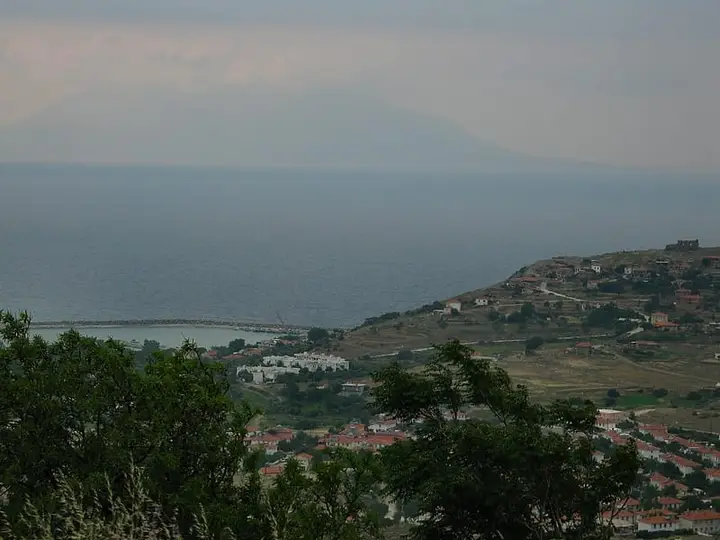
Kaleköy (Kastro)
Kaleköy, the oldest settlement on the island, is known for its Byzantine-period castle ruins and stone houses. From its hilltop position there is a panoramic view of the Aegean Sea.
View on map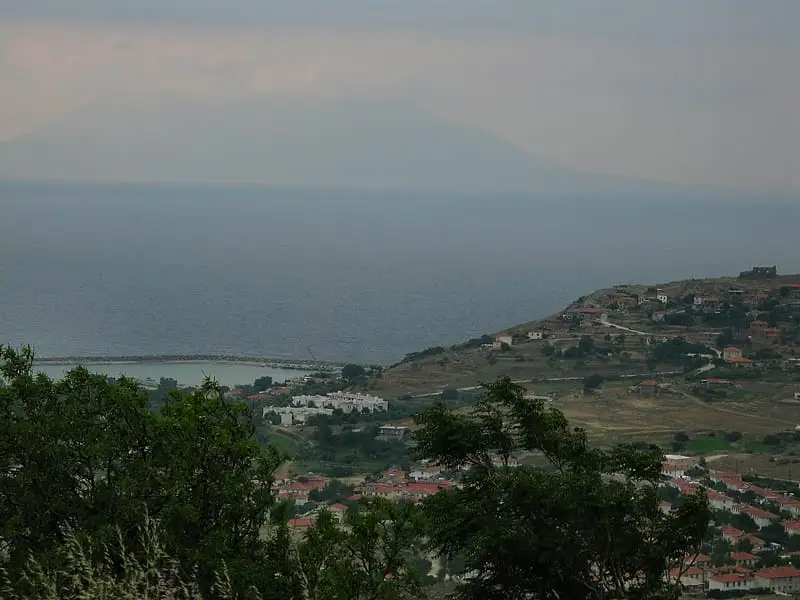
12 places to visit in the Gökçeada district of Çanakkale: Kaleköy (Kastro), Aydıncık Beach and Marmaros Waterfall. Plan your trip to Gökçeada with local food, practical tips and transport information.
Gökçeada lies at the entrance to the Gulf of Saros in the north of the Aegean Sea, and has 91 km of coastline. The district covers an area of 282 km² and its average elevation above sea level is 50 metres. Annual rainfall ranges between 950 and 1,050 mm per square metre.
Gökçeada is one of the 26 districts in Türkiye that hold the Cittaslow (Slow City) title. The Cittaslow movement came to Türkiye in 2009 with the admission of Seferihisar district. In June 2011, Gökçeada received the Cittaslow title and became the world’s first and only slow island.
The island was under the Latin Empire between 1204 and 1261. The Genoese Gattilusio family tried to establish control over the island. When Mehmed the Conqueror took Istanbul in 1453 and ended the Byzantine Empire, the rule of the Gattilusio family came to an end. Gökçeada was taken by the Venetians in 1466, but a few years later, in 1470, it was definitively retaken by the Turks. In the mid-17th century the island was the scene of clashes with the Venetian Navy during the Cretan War.
Gökçeada was incorporated into Ottoman territory by Mehmed the Conqueror in 1455. On 22 September 1923, Gökçeada was attached to the Republic of Türkiye under the Treaty of Lausanne. In 2011, with the Cittaslow title it received that year, Gökçeada became the world’s first and only slow island.
After Mehmed the Conqueror took Istanbul, Gökçeada, the city mentioned in the epics written by Homer, was incorporated into Ottoman territory in 1455. With the Cittaslow title it received in June 2011, it became the world’s first and only slow island.
Last updated:
Kaleköy, the oldest settlement on the island, is known for its Byzantine-period castle ruins and stone houses. From its hilltop position there is a panoramic view of the Aegean Sea.
View on map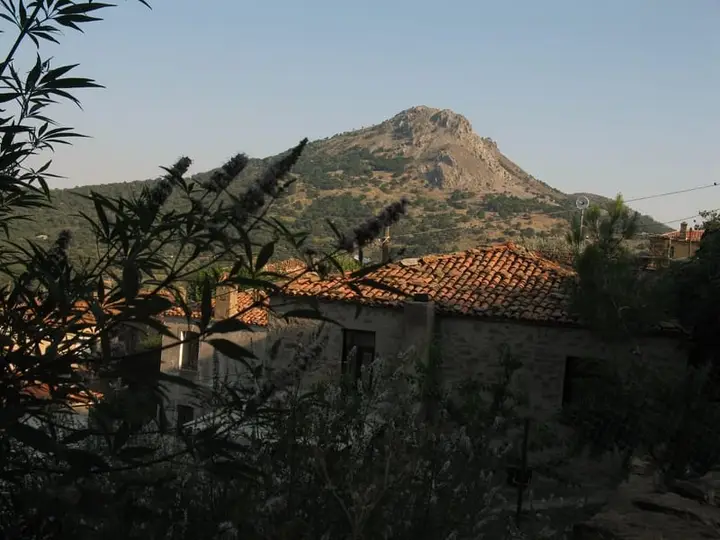 Photo: Mehmet Ergun (CC BY-SA 2.5) · Source
 Zeytinliköy, surrounded by stone houses from the Greek period and olive trees, is one of the island's most atmospheric villages. Restored houses have been turned into boutique hotels.
View on mapDereköy on Gökçeada is the largest Greek village, although most of its houses are empty.
View on mapTwo Roman rock tombs with burial chambers in the Kokina area are remains worth seeing.
View on map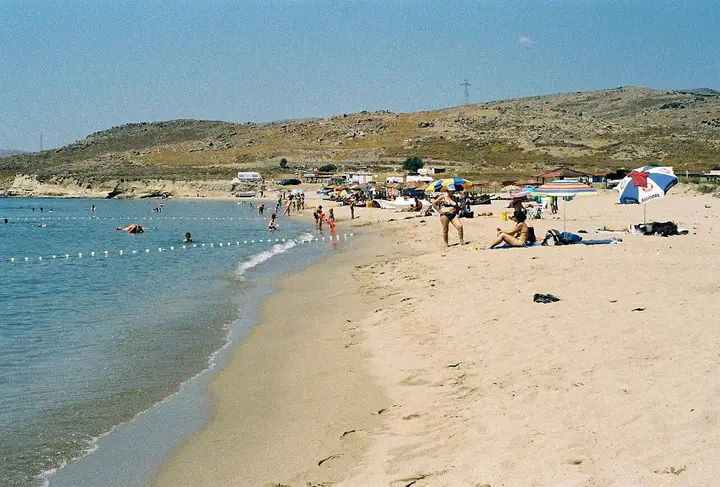 Photo: Aziz Akbiyik (CC BY-SA 3.0) · Source
 Aydıncık Beach on the island's south coast has a unique natural setting with a salt lake and dunes. It is favoured in the summer months for its clear water and wide sandy shore.
View on mapThe Marmaros Waterfall in the island's interior lies within a pine forest. Reached by a walking trail, the waterfall is a quiet retreat for nature lovers.
View on map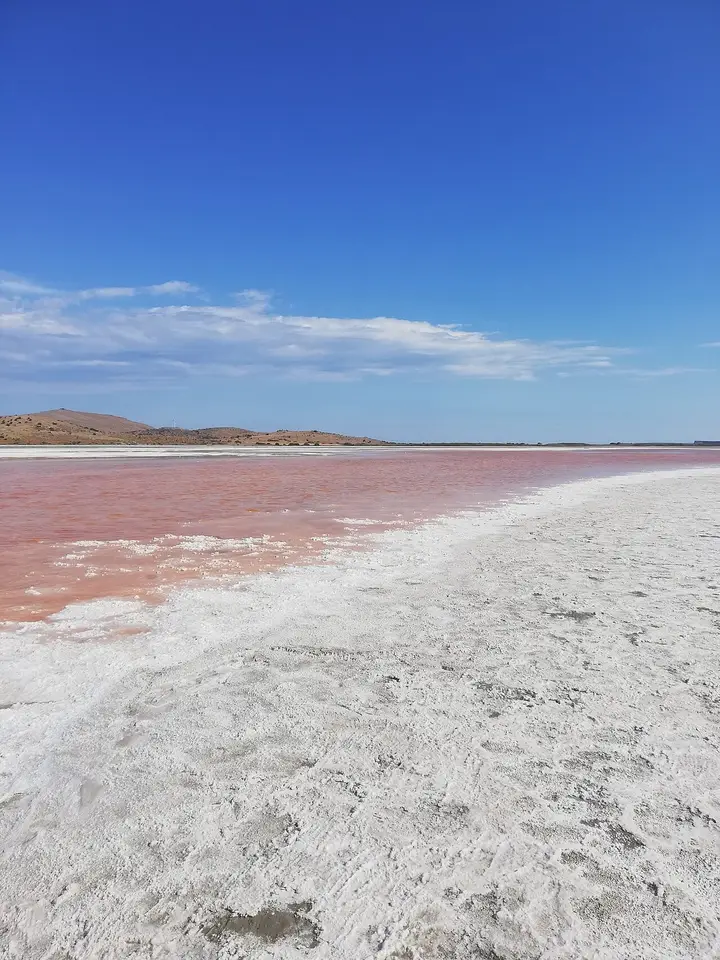 Photo: Zeynepfrom17 (CC BY-SA 4.0) · Source
 The salt lake in the south of the island is home to flamingos and other migratory birds. It is an ideal area for birdwatching and nature photography.
View on mapYıldızkoy on the island's west coast is one of the best spots in Türkiye for windsurfing and kitesurfing thanks to its windy conditions.
View on mapThe section between Yıldızkoy and Yelkenkaya is Türkiye's only underwater national park.
View on mapAydınlı Beach, located in Eşelek village, is regarded as the island's favourite beach.
View on mapKaleköy, 4 km from the district centre of Gökçeada, is one of the busiest places on the island in summer.
View on mapWhile you are in Gökçeada, you can also see the highlights of Çanakkale province. These places are in other districts.
Goats raised on the pastures of Gökçeada are slow-cooked in a tandır oven. Its tender texture and intense aroma make it the island's most distinctive delicacy.
Fresh octopus is boiled and served with olive oil, lemon and parsley. It is one of the classic meze dishes of Aegean cuisine.
Traditional ice cream flavoured with mastic (damla sakızı), it is one of the island's best-loved desserts. It is eaten at seaside cafés in the summer months.
A dish called cullama, made with local wild herbs in Zeytinli village.
Gökçeada received Türkiye's first Cittaslow (Slow City) title in 2011. The philosophy of slow living, organic farming and sustainable tourism shape the island's cultural identity.
Gökçeada was historically an island where a Greek population lived. The churches, stone houses and traditions of Kaleköy, Zeytinliköy and Tepeköy bear traces of this cultural heritage.
The economy of Gökçeada is based on tourism, agriculture and fishing. Tourists who visit the island in the summer months are the main source of income. Organic farming, olive growing and viticulture are developing. Fishing is one of the traditional sources of livelihood. Wind energy production also contributes to the island's economy.
Gökçeada is reached by ferry from Kabatepe Ferry Port in Çanakkale; the crossing takes about 1 hour. Seasonal flights from Istanbul operate to Gökçeada Airport.
The top 12 places in Gökçeada are: Kaleköy (Kastro), Aydıncık Beach, Marmaros Waterfall, Zeytinliköy (Eski Bademli), Gökçeada Salt Lake, Yıldızkoy Beach, Aydınlı Beach, Salt Lake, Yıldızkoy-Yelkenkaya Underwater National Park, Kokina Roman Rock Tombs, Kaleköy and Dereköy.
Ada Keçisi Tandır (island goat tandır), Ahtapot Salatası (octopus salad), Sakız Dondurması (mastic ice cream) and Cullama are the standout dishes on Gökçeada's tables.
Gökçeada is known for Gökçeada Wine and Cittaslow (Slow City). Wines made from the island's vineyards are produced using boutique methods. Wines made from the Kuntra and Çavuş grape varieties are part of the island's gastronomic identity.
Gökçeada is reached by ferry from Kabatepe Ferry Port in Çanakkale; the crossing takes about 1 hour. Seasonal flights from Istanbul operate to Gökçeada Airport.
Suggested length of visit: 2-3 days. Best time to visit: summer.