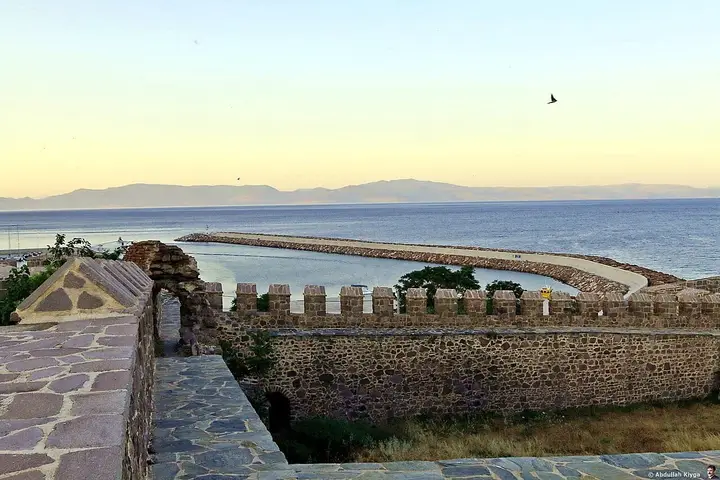
 Photo: Abdullah kıyga (CC BY 3.0) · Source
 Babakale
A castle built between 1722 and 1729 in the Ottoman period, at the westernmost tip of Anatolia.
View on map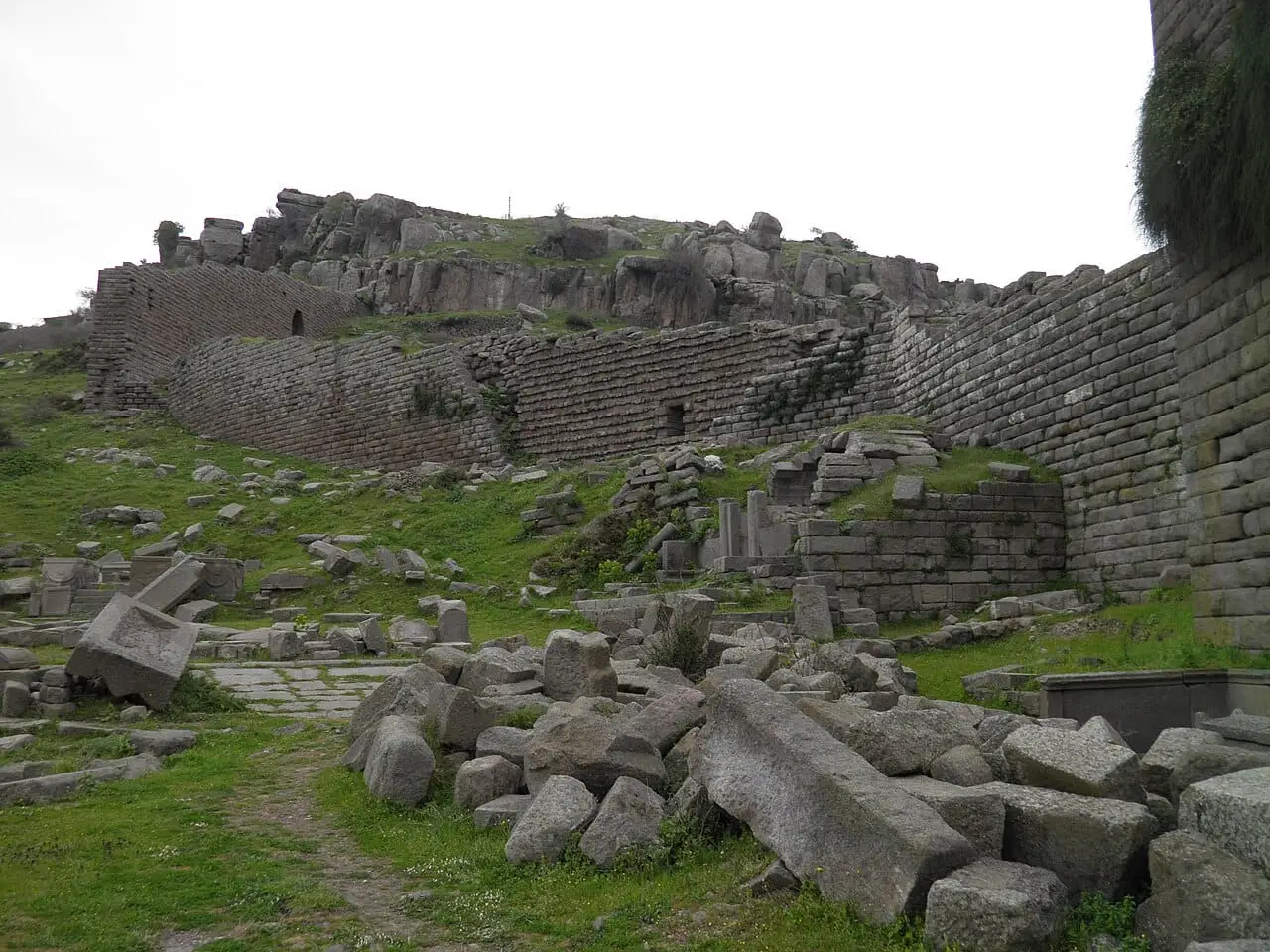 Photo: Carole Raddato (CC BY-SA 2.0) · Source
 8 places to visit in the Ayvacık district of Çanakkale: Assos (Behramkale) Ancient City, Babakale and Sivrice Beach. Plan your trip to Ayvacık with local food, practical tips and transport information.
Assos Ancient City, with a history stretching back to the 6th century BC, was an important centre from antiquity onwards and became known for its sea trade and cultural activities. Babakale Castle was built between 1722 and 1729 during the reign of Ahmed III in the Ottoman period by the Kaptan-ı derya Kaymak Mustafa Paşa, to protect against French pirates. In the Republican period, Ayvacık was attached to Ezine district in 1926, but in 1928 it regained its status as an independent district in recognition of its contribution to the National Struggle.
Ayvacık’s economy is based mainly on agriculture, livestock and tourism, and olive growing is one of the district’s most important sources of livelihood. Sivrice Beach and Küçükkuyu Beach, along the district’s 83 km coastline, are popular destinations for sea tourism.
On 28 May 1919 Greek forces began to occupy Ayvacık, and in 1920 they took control of the district centre. Ayvacık was liberated from occupation by Turkish forces on 21 September 1922. The people of Ayvacık, led by Hafız Ahmet Hamdi Efendi, founded a Defence of Rights Society. Assos Ancient City was included on UNESCO’s World Heritage Tentative List in 2017.
Last updated:
Photo: Abdullah kıyga (CC BY 3.0) · Source A castle built between 1722 and 1729 in the Ottoman period, at the westernmost tip of Anatolia.
View on map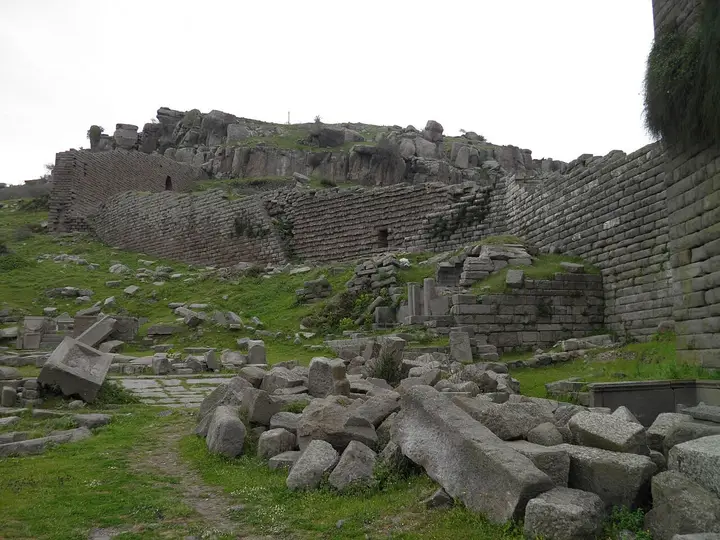 Photo: Carole Raddato (CC BY-SA 2.0) · Source
 With a history stretching back to the 6th century BC, it was an important settlement centre from antiquity onwards and gained fame for its sea trade and cultural activities.
View on mapTemple built in Assos in the 6th century BC and dedicated to Athena.
View on mapOne of the important sanctuaries of the Late Hellenistic period, in the town of Gülpınar.
View on mapMountainous area with rich vegetation and oxygen levels, a gathering place for nature lovers.
View on mapWhile you are in Ayvacık, you can also see the highlights of Çanakkale province. These places are in other districts; Ayvacık is about 80 km from the provincial centre.
Prepared by cooking cracked wheat and meat for a long time and then pounding them together. In Ayvacık villages, keşkek is the traditional dish of wedding and festival tables.
Ayvacık's Aegean cuisine is rich in herb dishes cooked with olive oil. Wild herbs such as sirken, mallow, radika and chicory are cooked in olive oil.
Soup prepared with fresh fish from the Aegean Sea, flavoured with onion, carrot and lemon. It is often eaten in fishing villages during the winter months.
Ayvacık lies at the heart of the ancient Troad region. Ancient cities such as Assos, Sanctuary of Apollo Smintheus and Alexandria Troas reflect the region's rich history.
The carpet-weaving tradition that has continued for centuries in Ayvacık villages is among the candidates for UNESCO Intangible Cultural Heritage. Carpets woven by women on hand looms are part of the region's cultural identity.
Ayvacık's economy is based on tourism, olive growing and handicrafts. Assos Ancient City and the coastal villages attract heavy tourism in the summer months. Olive growing and olive oil production are traditional economic activities. Ayvacık carpets are an important source of income in the handicrafts sector.
Ayvacık is 80 km from Çanakkale city centre. It is reached via the Çanakkale–İzmir road. Regular minibus services run from Çanakkale Intercity Bus Terminal. The nearest airport is Çanakkale Airport.
The 8 leading sights in Ayvacık are: Assos (Behramkale) Ancient City, Babakale, Sivrice Beach, Assos Ancient City, Temple of Athena (Assos), Babakale Castle, Kaz Mountains and Sanctuary of Apollo Smintheus.
Keşkek, Aegean Herb Dishes and Balık Çorbası are the outstanding flavours on Ayvacık's tables.
Ayvacık is known for Olive Oil and the Ancient Troas Region. Ayvacık is one of the most important olive oil production centres in Çanakkale. Olive oil obtained by cold pressing is known for its low acidity and fruity aroma.
Ayvacık is 80 km from Çanakkale city centre. It is reached via the Çanakkale–İzmir road. Regular minibus services run from Çanakkale Intercity Bus Terminal. The nearest airport is Çanakkale Airport.
Suggested length of visit: 2-3 days. Best time to visit: spring and summer.