As Byzantion, Constantinople and the Ottoman capital, Istanbul was the seat of empires for around 1,600 years, and it is the world city that joins Europe and Asia across the Bosphorus. In the UNESCO World Heritage Historic Peninsula you will find Hagia Sophia, Topkapı Palace, the Sultan Ahmed and Süleymaniye mosques, the Basilica Cistern and the Grand Bazaar; on the Bosphorus shore, Dolmabahçe Palace, Rumeli Fortress and the waterside mansions (yalı); and with the Princes' Islands, Belgrad Forest and Şile it offers discoveries at every scale. Eminönü balık ekmek and Istanbul simidi are registered geographical indications.

Share with friends

Last updated:

Places to Visit in Istanbul

22 places worth seeing in Istanbul, from historic monuments to natural wonders, grouped by type. Open any of them on the map with a single click.

  • 8 Historic
  • 5 Religious
  • 4 Museum
  • 2 Nature
  • 2 Attraction
  • 1 Cultural

Historic Sites 8

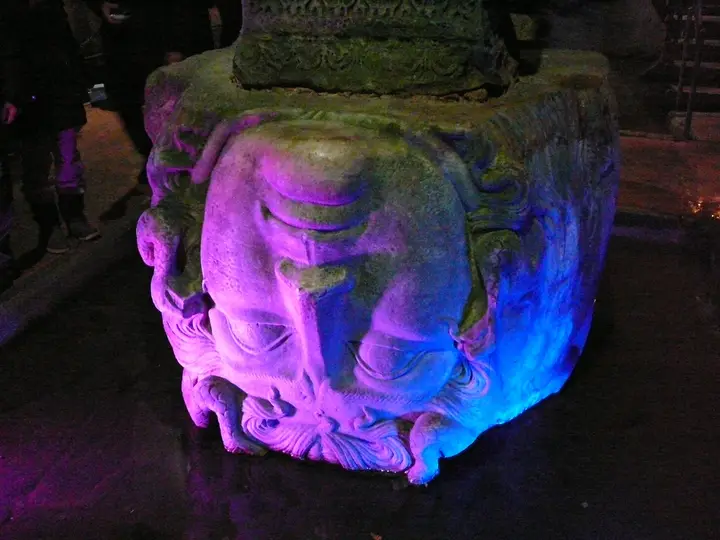
Medusa head in the Basilica Cistern Photo: Gun Powder Ma (CC BY-SA 3.0) · Source
Historic

Basilica Cistern (Yerebatan Sarnıcı)

A vast underground cistern built in the 6th century under Justinian and carried on 336 columns; the Medusa heads under two of the columns are its most famous corner. It reopened after the 2022 restoration with lighting and art installations.

View on map
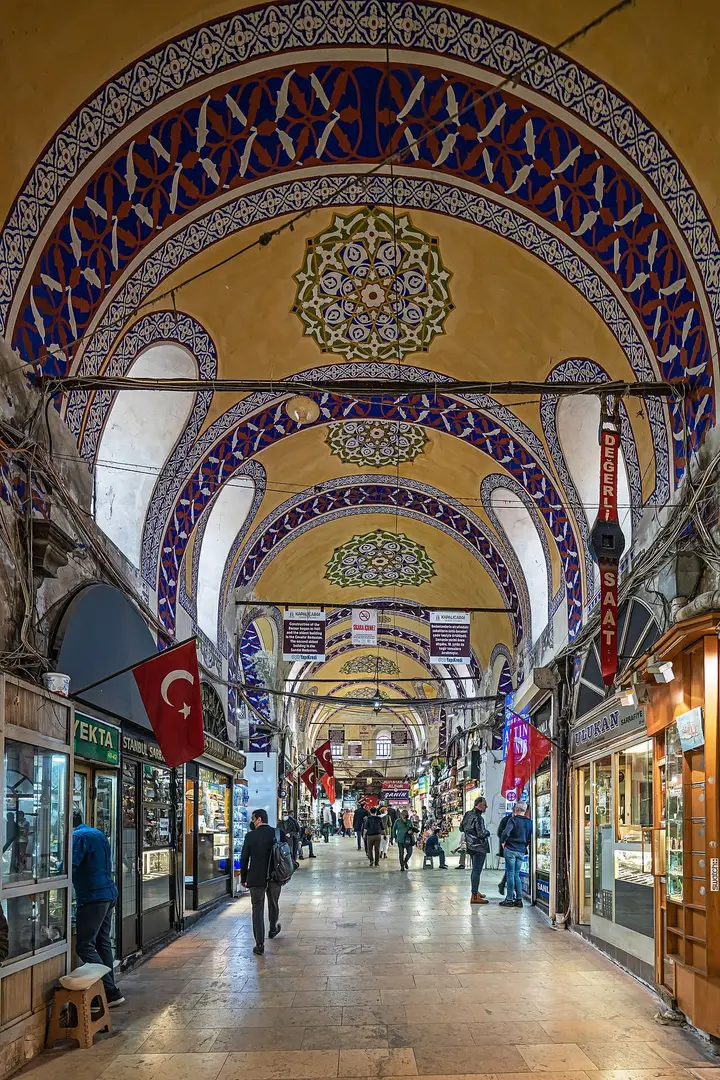
Grand Bazaar (Kapalıçarşı) Photo: A.Savin (FAL) · Source
Historic

Grand Bazaar (Kapalıçarşı)

One of the oldest and largest covered markets in the world, made up of more than 60 streets and thousands of shops that grew up around the bedestens built under Mehmed the Conqueror; carpets, jewellery, copperware and leather goods are sold. It is closed on Sundays.

View on map
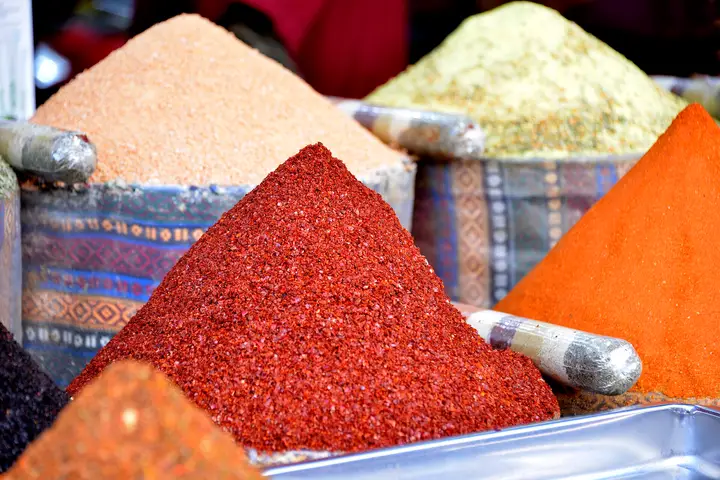
Spices in the Spice Bazaar Photo: Miomir Magdevski (CC BY-SA 4.0) · Source
Historic

Spice Bazaar (Mısır Çarşısı)

An L-shaped market in Eminönü built in the 1660s as part of the New Mosque complex; it is known for its shops selling spices, Turkish delight, dried fruit and delicatessen goods. Be sure to see the İznik tiles of the neighbouring Rüstem Paşa Mosque.

View on map
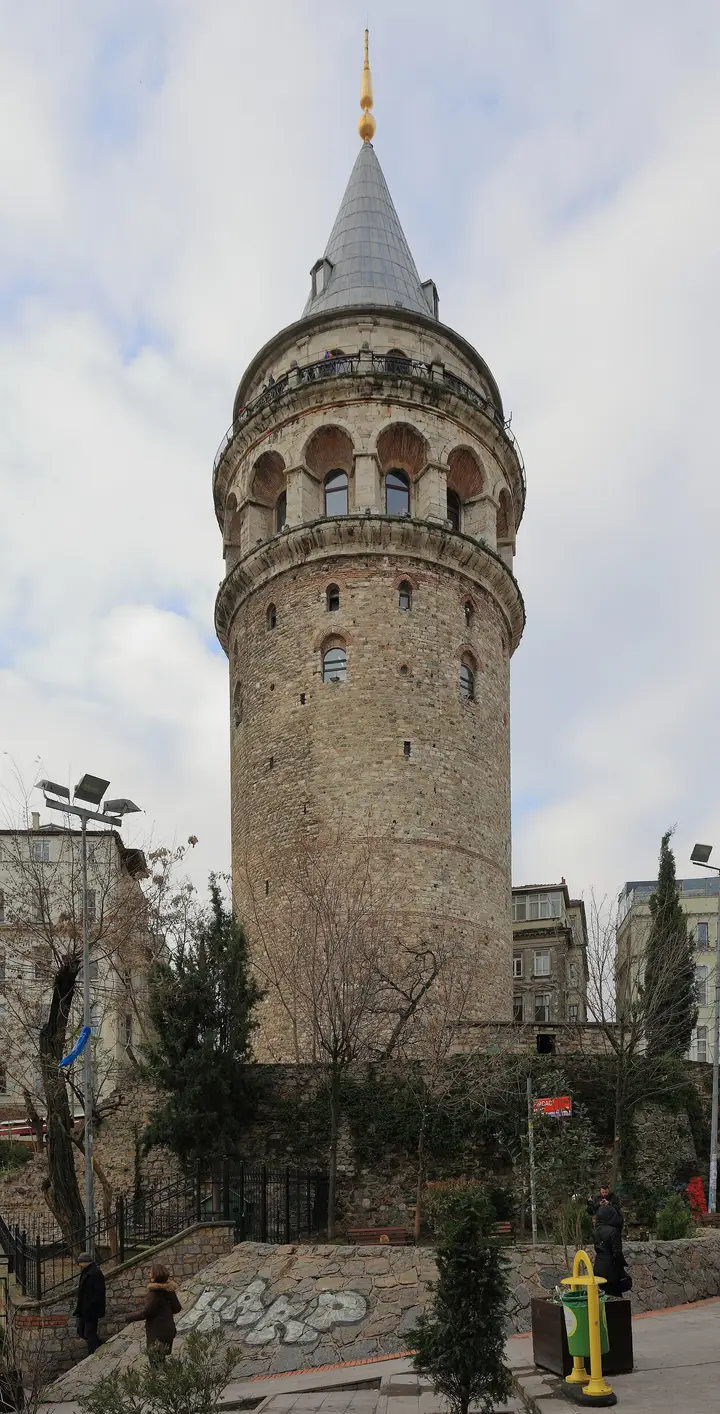
Galata Tower Photo: Martin Falbisoner (CC BY-SA 4.0) · Source
Historic

Galata Tower

A 67-metre stone tower built by the Genoese in 1348, offering 360-degree views of the Golden Horn, the Historic Peninsula and the Bosphorus. It has operated as a museum since its restoration in 2020.

View on map
Rumeli Fortress Photo: Jorge Láscar (CC BY 2.0) · Source
Historic

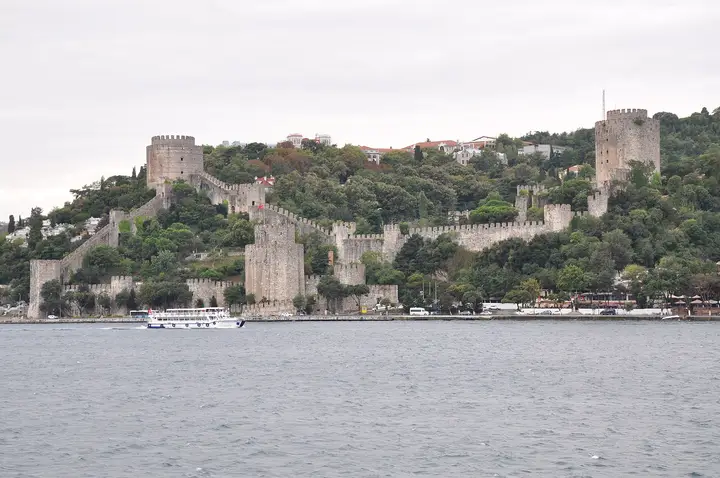
Rumeli Fortress

A fortress at the narrowest point of the Bosphorus, built by Mehmed the Conqueror in just a few months in 1452, before the conquest of Istanbul; together with Anadolu Fortress opposite, it controlled the Bosphorus.

View on map
Maiden's Tower (Kız Kulesi) Photo: Jorge Franganillo (CC BY 2.0) · Source
Historic

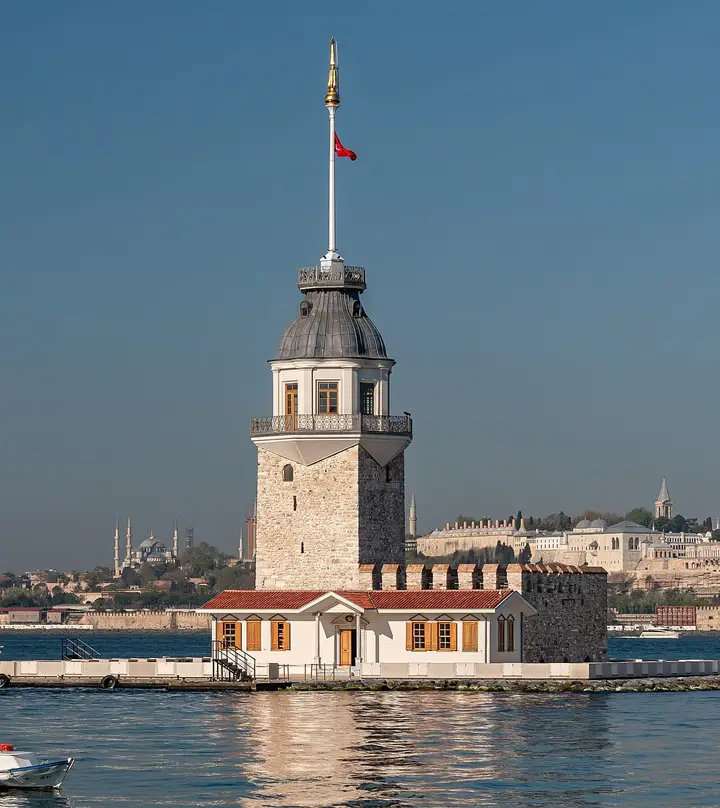
Maiden's Tower (Kız Kulesi)

A tower on a small islet off Üsküdar, with origins in antiquity and its present appearance dating from the 18th and 19th centuries; it opened to visitors as a museum after its 2023 restoration, and is reached by boat from Üsküdar and Karaköy.

View on map
Historic

Theodosian Walls

About 6.5 km of land walls running from the Marmara to the Golden Horn, built in the 5th century under Theodosius II; they were one of the strongest defence lines of the Middle Ages and the scene of the siege of 1453.

View on map
Şile Lighthouse Photo: Darwinek (CC BY-SA 3.0) · Source
Historic

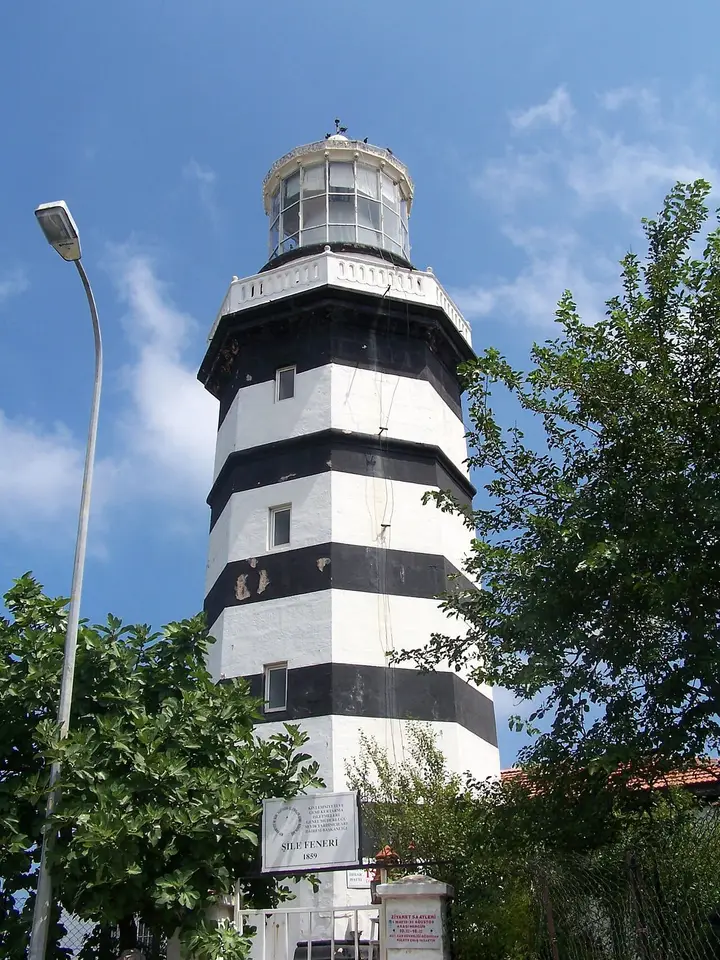
Şile Lighthouse

A black-and-white striped lighthouse built in 1859 at Şile on the Black Sea coast, one of the largest lighthouses in Türkiye; it is visited together with Şile's beaches and Şile cloth.

View on map

Religious Buildings 5

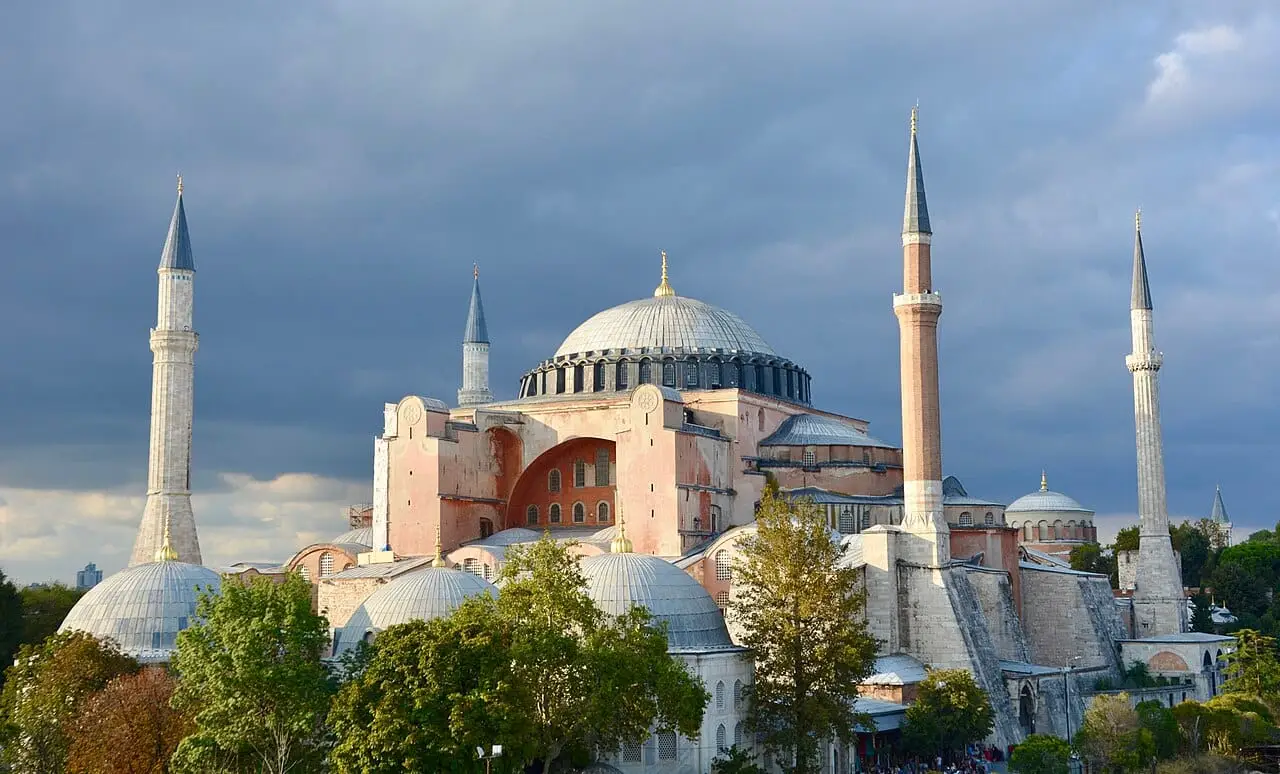
Hagia Sophia Photo: Adli Wahid (CC BY-SA 3.0) · Source
Religious

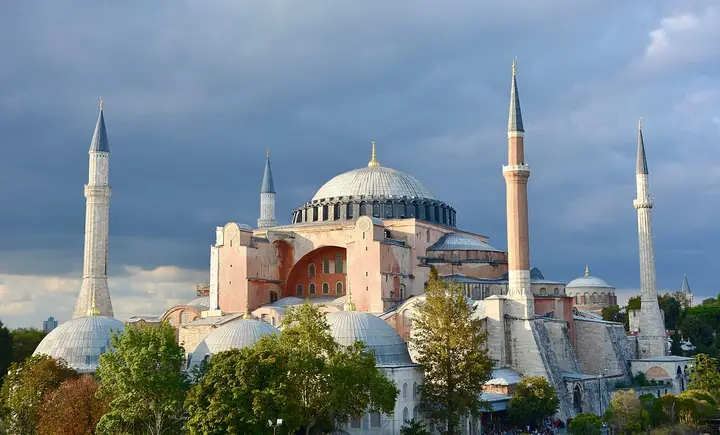
Hagia Sophia (Ayasofya-i Kebir Mosque)

Built by the Byzantine emperor Justinian between 532 and 537, this was the largest cathedral in the world for about a thousand years; it was converted into a mosque in 1453 and a museum in 1934, and reopened for worship as a mosque in 2020. With its dome 55 metres high and its Byzantine mosaics, it is one of the turning points in the history of architecture.

View on map
Sultan Ahmed Mosque Photo: Pedro Szekely (CC BY-SA 2.0) · Source
Religious

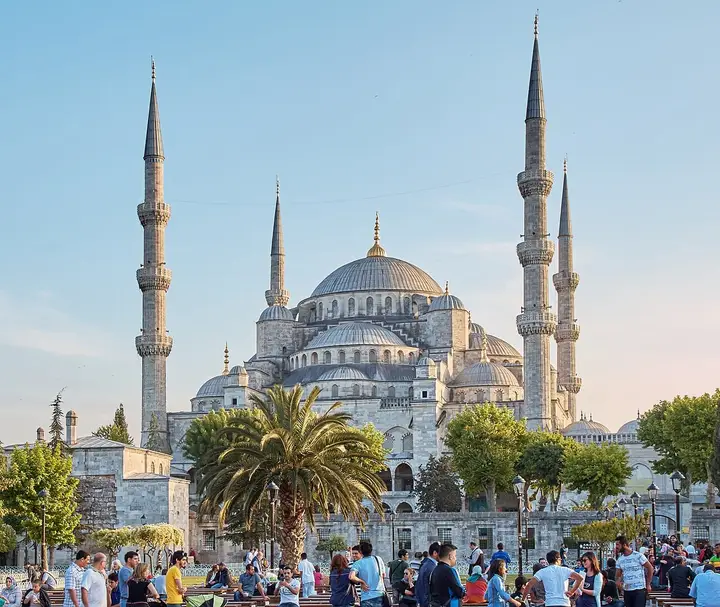
Sultan Ahmed Mosque (Blue Mosque)

A six-minaret mosque built for Ahmed I between 1609 and 1616 by the architect Sedefkâr Mehmed Ağa; it is also known as the Blue Mosque because of the more than 20,000 İznik tiles decorating its interior.

View on map
Süleymaniye Mosque Photo: İhsan Deniz Kılıçoğlu (CC BY-SA 3.0) · Source
Religious

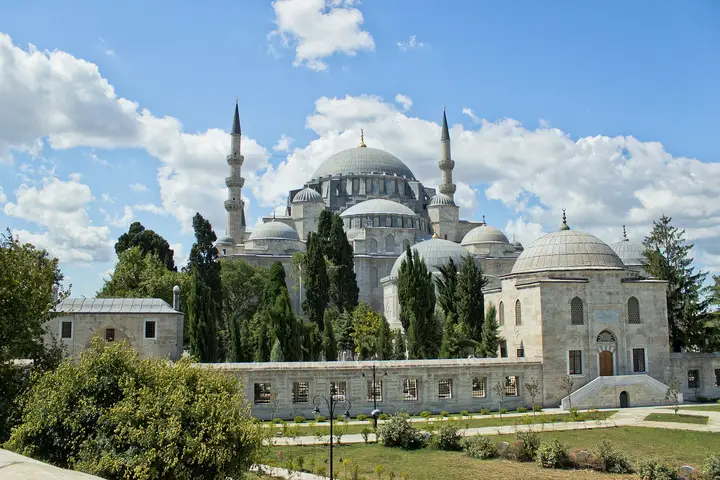
Süleymaniye Mosque

Built by Mimar Sinan for Suleiman the Magnificent between 1550 and 1557, the mosque stands at the centre of a large complex with madrasas, a hospital, a soup kitchen and tombs; its silhouette on the hill overlooking the Golden Horn is one of the symbols of the city. The tombs of Suleiman and Hürrem Sultan and the grave of Mimar Sinan are here.

View on map
Kariye Mosque Photo: Dave Proffer (CC BY 2.0) · Source
Religious

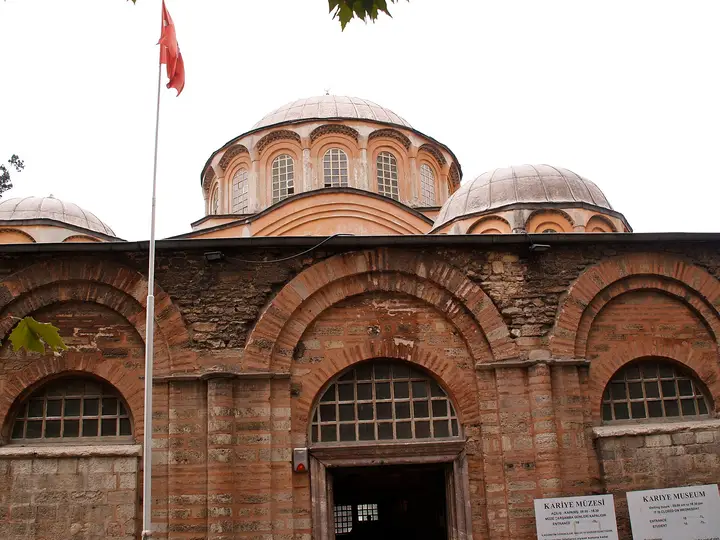
Kariye Mosque (Khora)

The church of the Byzantine Khora Monastery near Edirnekapı; its mosaics and frescoes from the early 14th century are among the most important examples of Byzantine art. It was converted into a mosque in 2020 and opened for worship in 2024; some of the mosaics are open to visitors.

View on map
Religious

Eyüp Sultan Mosque and Tomb

A complex built right after the conquest around the tomb of Ebu Eyyub el-Ensari, a companion of the Prophet Muhammad; the sword-girding ceremonies of the Ottoman sultans were held here. From the nearby Pierre Loti Hill you can look out over the Golden Horn.

View on map

Museums 4

Topkapı Palace Photo: Carlos Delgado (CC BY-SA 3.0) · Source
Museum

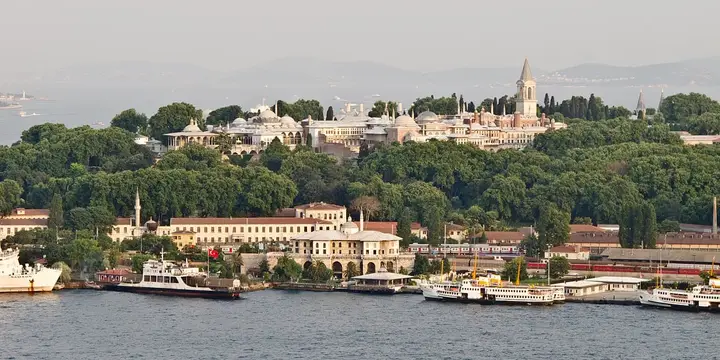
Topkapı Palace

Built by Mehmed the Conqueror at Sarayburnu in the 1460s, the palace was the seat of government and residence of the Ottoman sultans for about 400 years; with its Harem, Treasury, Holy Relics and courtyards, it is now a museum.

View on map
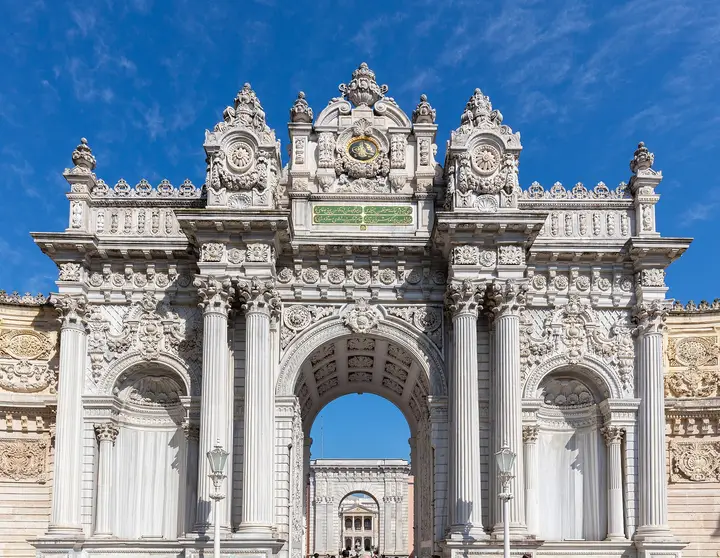
Dolmabahçe Palace, Gate of the Sultanate Photo: Diego Delso (CC BY-SA 4.0) · Source
Museum

Dolmabahçe Palace

Built on the Bosphorus shore by Sultan Abdülmecid between 1843 and 1856, the palace combines European styles with Ottoman architecture; Atatürk died here on 10 November 1938. The huge chandelier in the Ceremonial Hall (Muayede Salonu) is famous.

View on map
Museum

Beylerbeyi Palace

A summer palace on the Asian side, built by Sultan Abdülaziz between 1861 and 1865; it is visited for its sea pavilions and gardens on the Bosphorus shore.

View on map
Museum

Istanbul Archaeology Museums

A museum complex at Gülhane founded by Osman Hamdi Bey; it houses world-famous works such as the Alexander Sarcophagus, the tablet of the Treaty of Kadesh and the Siloam inscription.

View on map

Natural Wonders 2

Nature

Büyükada

The largest of the Princes' Islands (Adalar), known for its mansions, pine forests and the Aya Yorgi Monastery on its hilltop. It is closed to motor traffic; the island is toured by bicycle or electric vehicle.

View on map
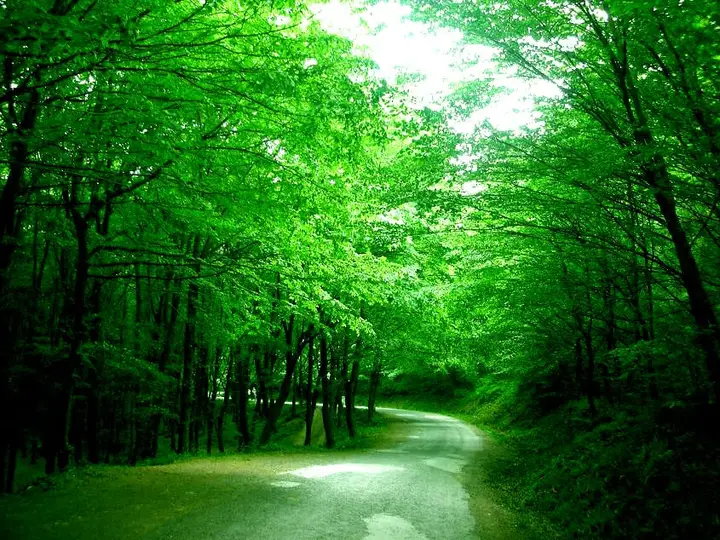
Belgrad Forest Photo: Yonca (CC BY 3.0) · Source
Nature

Belgrad Forest

A forest on the border of Sarıyer and Eyüpsultan, known for its Ottoman-era dams and aqueducts; the 6.5 km Neşet Suyu running and walking trail is the city's weekend escape.

View on map

Attractions 2

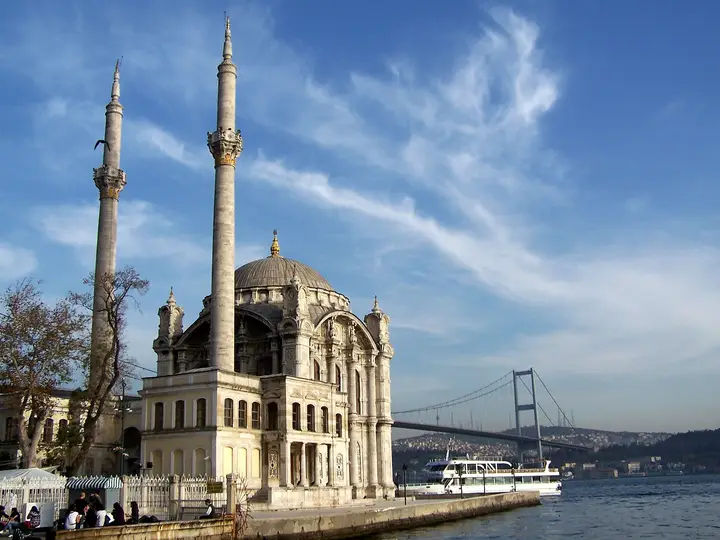
Ortaköy Mosque and the Bosphorus Bridge Photo: Darwinek (CC BY-SA 3.0) · Source
Attraction

Ortaköy Mosque and the Bosphorus

On Ortaköy square, the Baroque-style Grand Mecidiye Mosque, built in 1854–1856 by the Balyan family, with the 15 July Martyrs Bridge rising behind it; this is the most photographed view of the Bosphorus.

View on map
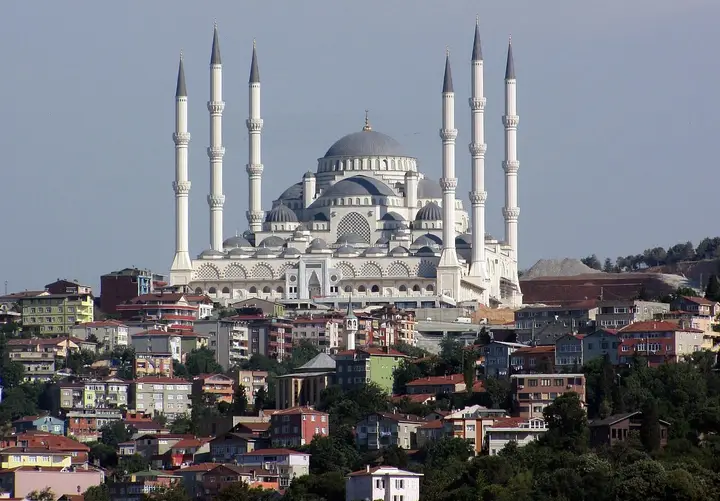
Çamlıca Hill and Mosque Photo: Håkan Henriksson (CC BY-SA 4.0) · Source
Attraction

Çamlıca Hill and the Grand Çamlıca Mosque

A 268-metre hill in Üsküdar, one of the broadest viewpoints from which you can see both sides of the city and the Bosphorus at once. The Grand Çamlıca Mosque, opened in 2019, is the largest mosque in Türkiye.

View on map

Cultural Venues 1

Cultural

Fener and Balat

Historic neighbourhoods of the Greek, Jewish and Armenian communities on the Golden Horn shore; with their colourful houses, the Fener Greek Orthodox Patriarchate, the cast-iron Bulgarian Sveti Stefan Church and the Ahrida Synagogue, they are among the most photogenic districts of the city.

View on map

Getting to Know Istanbul

Istanbul is the only major city in the world that spreads across Europe and Asia at the same time, built on both shores of the Bosphorus, which links the Black Sea to the Sea of Marmara. The city’s origins lie in Byzantion, founded in the 7th century BC by Megarian colonists at today’s Sarayburnu. In 330 the Roman emperor Constantine I made the city the new capital of the empire, and Constantinople was the centre of the Eastern Roman (Byzantine) Empire for more than a thousand years. With the conquest of the city by Mehmed the Conqueror on 29 May 1453, Istanbul remained the capital of the Ottoman Empire until 1922.

This layered past is still visible everywhere in the city: Hagia Sophia, completed by Justinian in 537, the 6th-century Basilica Cistern, the Theodosian Walls from the 5th century, Topkapı Palace, the seat of Ottoman government, and the Süleymaniye Mosque, one of Mimar Sinan’s masterpieces. The Historic Areas of Istanbul, which include these monuments, were added to the UNESCO World Heritage List in 1985.

Today Istanbul, with a population of about 15.7 million, is the most populous city in Türkiye and its economic and cultural centre. The two shores of the Bosphorus are joined by three suspension bridges (the 15 July Martyrs, Fatih Sultan Mehmet and Yavuz Sultan Selim bridges), by the Marmaray rail system (2013) running under the sea and by the Eurasia Tunnel (2016); ferries, however, are still the most enjoyable way to get around. Hagia Sophia was converted back into a mosque in 2020, and Kariye (Khora) was also opened for worship as a mosque in 2024.

When to Go

Istanbul has features of transition between Mediterranean and Black Sea climates: summers are hot and humid; winters are cool, rainy and occasionally snowy. Averages for 1950–2025 from the Turkish State Meteorological Service:

Month Avg. high Avg. low Rainfall Rainy days
January 9.6 °C 4.2 °C 89 mm 16
February 10.2 °C 4.2 °C 71 mm 14
March 12.4 °C 5.5 °C 62 mm 13
April 17.4 °C 9.2 °C 48 mm 10
May 22.3 °C 13.6 °C 33 mm 8
June 27.1 °C 18.0 °C 28 mm 5
July 29.7 °C 20.5 °C 22 mm 3
August 29.7 °C 20.8 °C 24 mm 4
September 25.9 °C 17.6 °C 40 mm 6
October 20.6 °C 13.7 °C 66 mm 9
November 16.1 °C 9.9 °C 78 mm 11
December 11.8 °C 6.5 °C 99 mm 16

The best times to go are April to June and September to October. In April tulips bloom in the city’s parks, above all Emirgan Grove; September and October are the months when the sea is still warm and the crowds thin out. July and August are hot and humid; see the Historic Peninsula early in the morning and spend the afternoon on a Bosphorus ferry or in the Princes’ Islands. In winter the poyraz and lodos winds can blow hard, and ferry services may be cancelled.

How to Get to Istanbul

By air: Istanbul Airport (IST) on the European side is one of the busiest airports in the world; the city is reached by metro (M11), Havaist buses and taxi. Sabiha Gökçen Airport (SAW) on the Asian side is in Pendik and is connected by metro.

By train: High-speed trains from Ankara, Eskişehir and Konya reach Pendik and Söğütlüçeşme on the Asian side and, via the Marmaray line, Halkalı on the European side. International services also use Halkalı and Sirkeci.

By road and sea: Intercity buses arrive at the Esenler (European side) and Ataşehir–Kadıköy (Asian side) bus stations. There are fast ferry services to Bursa, Yalova and Bandırma; within the city, Şehir Hatları ferries link the two shores and the Princes’ Islands.

Istanbul Area by Area

  • Historic Peninsula (Fatih): Hagia Sophia, the Sultan Ahmed Mosque, Topkapı Palace, the Basilica Cistern, the Hippodrome, the Grand Bazaar, the Spice Bazaar, Süleymaniye, Kariye, Fener and Balat, the Theodosian Walls.
  • Beyoğlu and Galata: the Galata Tower, İstiklal Avenue, Taksim, the Pera Museum, Istanbul Modern and Karaköy.
  • Bosphorus – European side: Dolmabahçe Palace, Ortaköy, Bebek, Rumeli Fortress, Emirgan Grove, the Sakıp Sabancı Museum, Sarıyer and Rumeli Kavağı.
  • Bosphorus – Asian side: Üsküdar and the Maiden’s Tower, Beylerbeyi Palace, Çengelköy, Kuzguncuk, Kandilli, Anadolu Fortress, Kanlıca, Anadolu Kavağı and Yoros Castle.
  • Kadıköy and Moda: the bazaar, Moda seafront, Haydarpaşa Station and café culture.
  • Eyüpsultan and the Golden Horn: Eyüp Sultan Mosque, Pierre Loti Hill, Miniatürk, the Rahmi M. Koç Museum.
  • Princes’ Islands: Büyükada, Heybeliada, Burgazada and Kınalıada; car-free streets and mansions.
  • Northern forests and the Black Sea coast: Belgrad Forest, Polonezköy, Şile and Riva.

Suggested Itineraries

Day 1 – Sultanahmet: Early in the morning Hagia Sophia and the Sultan Ahmed Mosque (mind the prayer times), then the Basilica Cistern and the Hippodrome. In the afternoon Topkapı Palace and the Harem; in the evening Sultanahmet köftesi.

Day 2 – The bazaars and Süleymaniye: The Grand Bazaar, the Spice Bazaar and the tiles of the Rüstem Paşa Mosque; in the afternoon the Süleymaniye Mosque and the view over the Golden Horn. Towards evening, balık ekmek at Eminönü and sunset from the Galata Bridge.

Day 3 – The Bosphorus: A Bosphorus ferry from Eminönü; Dolmabahçe Palace, kumpir in Ortaköy, Bebek and Rumeli Fortress. In the evening Karaköy and the Galata Tower.

Day 4 – The Asian side: Üsküdar and the Maiden’s Tower, Çamlıca Hill, then the Kadıköy bazaar and sunset on the Moda seafront.

Day 5 – The Princes’ Islands or the north: By ferry to Büyükada, a bicycle tour of the island and Aya Yorgi Hill; alternatively Belgrad Forest and fish at Sarıyer.

Istanbul Cuisine

Istanbul cuisine is the meeting point of the Ottoman palace kitchen with the migrant cuisines of Anatolia and the Balkans. Products with a registered geographical indication are the Eminönü balık ekmek sold from boats at the Eminönü pier, the sesame-coated, crisp İstanbul simidi, the Boğaziçi lüferi that passes through the Bosphorus in autumn, Silivri yoğurdu, Çatalca ormanlı pirinci and Şile kestane balı.

Among the city’s street foods are midye dolma, kokoreç (grilled offal), kumpir (Ortaköy), ıslak hamburger (the “wet burger”, Taksim) and kestane kebap (roasted chestnuts); in the milk-pudding shops, tavuk göğsü, kazandibi and sütlaç; and in the meyhanes, meze and rakı-and-fish tables. Sultanahmet köftesi, the delicatessens of the Kadıköy bazaar and Kanlıca yoghurt are also among the city’s classics.

Handicrafts

The light, cool Şile cloth woven from cotton thread has a registered geographical indication. In the Grand Bazaar carpets, kilims, copper, silver and ceramics are sold; glass and crystal making (çeşm-i bülbül) lives on in Beykoz, and ebru (paper marbling) and calligraphy (hat) in Cağaloğlu and Eminönü.

Practical Tips

  • For public transport, buy an İstanbulkart; it is valid on the metro, trams, Marmaray, buses and ferries.
  • Hagia Sophia and the Sultan Ahmed Mosque close to tourist visits at prayer times; the upper gallery of Hagia Sophia is visited by foreign visitors as a paid museum section.
  • The Museum Pass (Müze Kart, MüzeKart) saves money at Ministry of Culture and Tourism museums such as Topkapı, the Archaeology Museums and the Galata Tower.
  • Horse-drawn phaetons on the Princes’ Islands were abolished in 2020; people get around on foot, by bicycle or in the municipality’s electric vehicles.
  • Traffic is very heavy; use the rail system and ferries as much as you can.
Districts of Istanbul

Istanbul province has 39 districts. Explore the places to visit, local dishes and transport in each one.

What to Eat in Istanbul

All dishes →
  • Eminönü Balık Ekmek (grilled fish sandwich)

    A street food with a registered geographical indication, made with grilled fish on the boats at the Eminönü pier.

  • İstanbul Simidi (sesame bread ring)

    A simit with a registered geographical indication, dipped in molasses and coated in sesame.

  • Boğaziçi Lüferi (Bosphorus bluefish)

    A fish with a registered geographical indication that passes through the Bosphorus in autumn.

  • Sultanahmet Köftesi (Sultanahmet grilled meatballs)

    Grilled meatballs served with piyaz (white bean salad).

  • Midye Dolma (stuffed mussels)

    Mussels stuffed with spiced rice; a street classic of the city.

  • Tavuk Göğsü (chicken breast pudding)

    A milk pudding made with shredded chicken breast fibres, handed down from the palace kitchen.

What to eat in Istanbul: the full food guide

Istanbul: Frequently Asked Questions

What are the best places to visit in Istanbul?

The main stops are Hagia Sophia, Topkapı Palace, the Sultan Ahmed Mosque, the Basilica Cistern, the Süleymaniye Mosque, the Grand Bazaar, the Spice Bazaar, the Galata Tower, Dolmabahçe Palace, Rumeli Fortress, Ortaköy, the Maiden's Tower, Kariye, Fener-Balat, Çamlıca, Büyükada and Belgrad Forest.

How many days do you need in Istanbul?

Ideally allow at least 2 days for the Historic Peninsula, 2 more for the Bosphorus and the Asian side, and 1 day for the Princes' Islands; a programme of 4–5 days covers the main sights of the city.

Can you visit Hagia Sophia?

Yes. It has been a mosque since 2020 and is open to visitors outside prayer times. Foreign visitors tour the upper gallery as a paid museum section.

What should you eat in Istanbul?

Eminönü balık ekmek, simit, midye dolma, kokoreç (grilled offal), Sultanahmet köftesi, kumpir (baked potato), tavuk göğsü and meyhane meze. Balık ekmek and simit have registered geographical indications.

How do you get from Istanbul Airport to the city centre?

By the M11 metro line, Havaist buses and taxi. Sabiha Gökçen Airport is also connected by metro.

When is the best time to visit Istanbul?

April to June and September to October are the best times. April is ideal for tulips, and June to September for the sea and the Princes' Islands.

More from the Istanbul Guide

Other Provinces in the Marmara Region

Sources

The information in this guide has been compiled from and checked against the sources below (last checked: 7 October 2026). If you spot an error, please let us know.

  1. Vikipedi – İstanbul
  2. Meteoroloji Genel Müdürlüğü – İstanbul il istatistikleri
  3. UNESCO – İstanbul'un Tarihi Alanları
  4. Vikipedi – Ayasofya
  5. Vikipedi – Topkapı Sarayı
  6. Vikipedi – Sultanahmet Camii
  7. Vikipedi – Yerebatan Sarnıcı
  8. Vikipedi – Süleymaniye Camii
  9. Vikipedi – Kapalıçarşı
  10. Vikipedi – Galata Kulesi
  11. Vikipedi – Dolmabahçe Sarayı
  12. Vikipedi – Kariye Camii
  13. Vikipedi – Rumeli Hisarı
  14. Vikipedi – Kız Kulesi
  15. Vikipedi – Marmaray
  16. TÜRKPATENT – Eminönü Balık Ekmek
  17. TÜRKPATENT – İstanbul Simidi
  18. TÜRKPATENT – Şile Bezi
  19. TÜRKPATENT – Boğaziçi Lüferi
  20. Vikipedi – Türkiye'de tescilli coğrafi işaretler listesi

Search 81 province guides and 968 district guides.