 Photo: Wikipedia (CC BY-SA) · Source
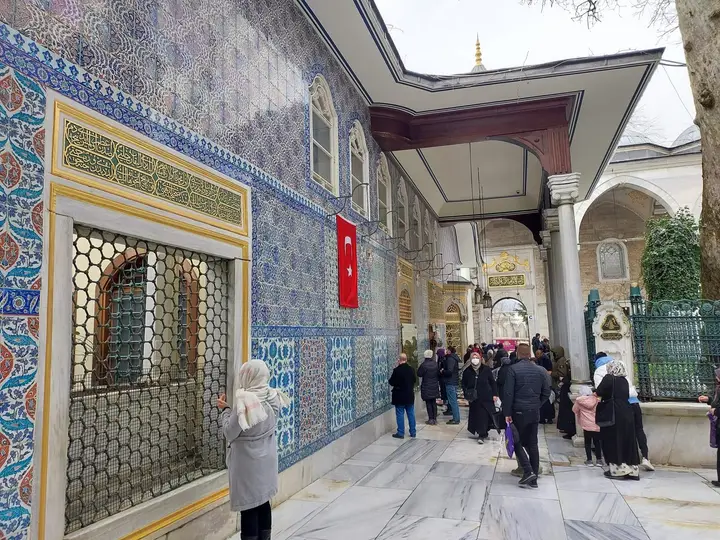
 Eyüp Sultan Mosque and Tomb
A mosque commissioned by Mehmed the Conqueror after the conquest of Istanbul, built over the tomb of Abu Ayyub al-Ansari.
View on map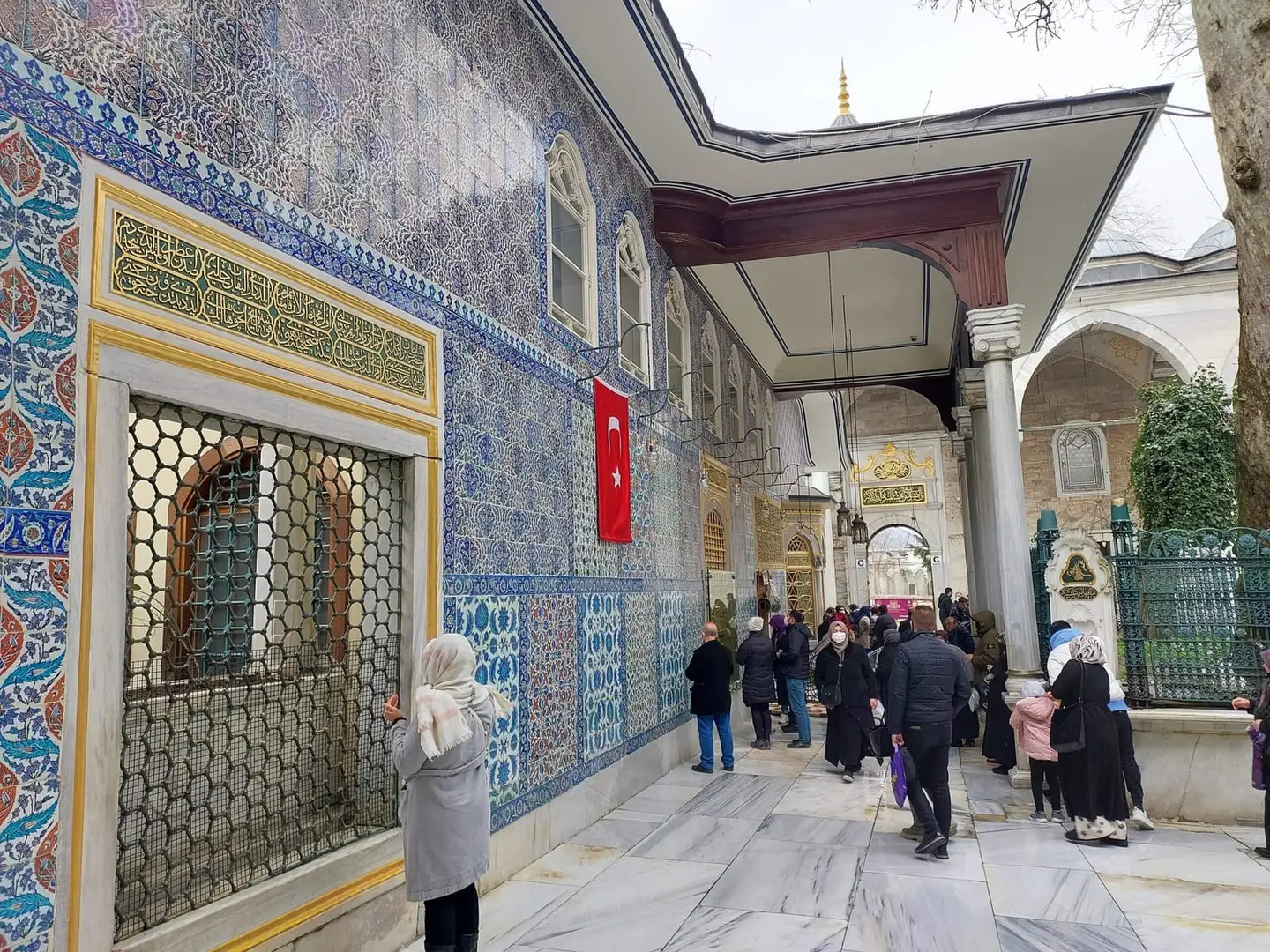 Photo: Wikipedia (CC BY-SA) · Source
 4 places to visit in the Eyüpsultan district of Istanbul: Eyüp Sultan Mosque and Tomb, Pierre Loti Hill and Eyüp Sultan Mezarlığı. Plan your trip to Eyüpsultan with local food, practical tips and transport information.
Eyüpsultan, formerly known as Eyüp, is a district of Istanbul province on the European side. Founded in 1936 with parts of the Fatih, Beyoğlu and Sarıyer districts, Eyüpsultan covers an area of 228 km².
The district takes its name from Abu Ayyub al-Ansari, whose tomb lies within its borders. Eyüpsultan, the first settlement founded by the Turks outside the walls after the conquest of Istanbul, has numerous historic works from the Ottoman period, above all the Eyüp Sultan Mosque. The district’s name was officially changed to Eyüpsultan on 19 October 2017.
Although the area of Eyüpsultan lies outside the Walls of Istanbul, there was always a village here. In the 17th and 18th centuries, the Turkish community of the Balkans and people from the Caucasus came to the city because of wars, and the Eyüpsultan area lost its mystical atmosphere and became integrated with the city.
The imaret built in 1795 by Mihrişah Valide Sultan, mother of Selim III, has been in operation for 225 years. The Eyüp Sultan Mosque Kebir Hamam was rebuilt in its present form by the architect Mimar Sinan, and during its restoration it has been planned as the Water Civilisation Museum. In 2016, Eyüpsultan Municipality began work under the ESTAM (Eyüp Sultan Historic Centre) identity, renewing the district in line with its historic fabric.
Recently, many factories have been closed or removed from the area, and the Golden Horn no longer smells.
Eyüpsultan is the first settlement founded by the Turks outside the walls after the conquest of Istanbul. The Eyüp Sultan Mosque is part of a complex consisting of a madrasa, an aşhane-imaret, a bath and a tomb. The Eyüp Sultan Mosque was built in 1458. The Sinan Pasha Mansion in front of the mosque’s main gate was demolished in 1798. Pierre Loti first came to Istanbul at the age of 26.
Last updated:
Photo: Wikipedia (CC BY-SA) · Source A mosque commissioned by Mehmed the Conqueror after the conquest of Istanbul, built over the tomb of Abu Ayyub al-Ansari.
View on map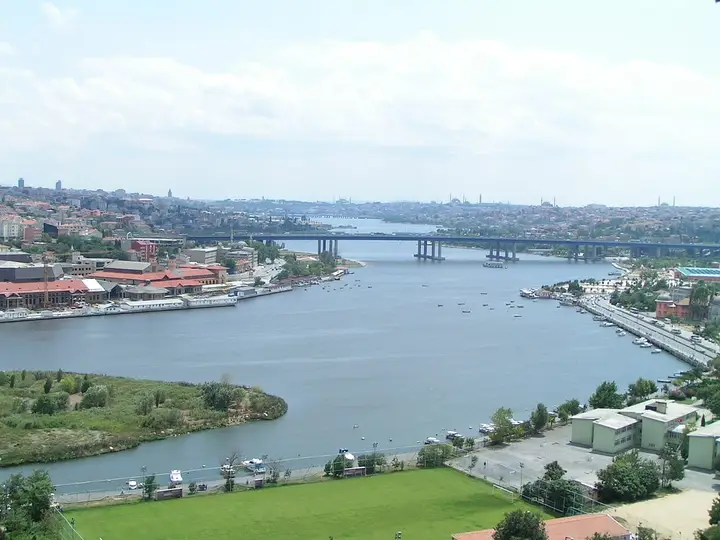 Photo: Wikimedia (CC BY-SA 2.1 es) · Source
 Named after the French writer Pierre Loti, this hill has a spectacular view over the Golden Horn.
View on map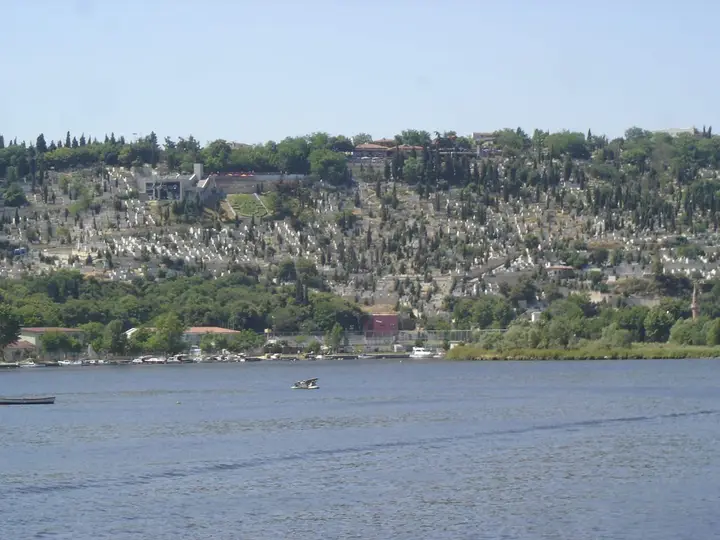 Photo: G.dallorto (CC BY-SA 2.5 it) · Source
 The historic Eyüpsultan cemetery contains the graves of important soldiers, statesmen, artists and scholars of the Ottoman period.
View on mapWhile you are in Eyüpsultan, you can also see the highlights of Istanbul province. These places are in other districts.
Turkish delight sold in the historic shops around the mosque, in rose, pistachio and pomegranate flavours, is the gift most often bought by visitors.
Tea drunk at the historic tea garden on Pierre Loti Hill, accompanied by views of the Golden Horn, is an indispensable part of the Istanbul experience.
A dish mentioned among the district's historic flavours on Wikipedia.
Eyüpsultan is one of the religious centres of the Ottoman Empire. Sword-girding ceremonies of the sultans were held here, and thousands of people visited the mosque during Ramadan.
Eyüpsultan, on the bank of the Golden Horn, has for centuries been one of Istanbul's spiritual and cultural centres. The region has been revived with the cleaning and greening of the Golden Horn.
Eyüpsultan's economy is based on religious tourism, trade and industry. The area around the Eyüp Sultan Mosque attracts heavy visitor traffic. Industrial and commercial zones are found in the inner parts of the district.
Eyüpsultan can be reached by bus, minibus and cable car. It can also be reached by sea from Eminönü by Golden Horn ferries. The M7 metro line serves the district.
The 4 highlights of Eyüpsultan are: Eyüp Sultan Mosque and Tomb, Pierre Loti Hill, Eyüp Sultan Cemetery and Pierre Loti Café.
Eyüp Sultan Lokumu, Pierre Loti Stream and Eyüpsultan güveci are the standout flavours on Eyüpsultan's tables.
Eyüpsultan is known for religious souvenirs and Ottoman religious culture. The shops around the Eyüp Sultan Mosque sell prayer beads, copies of the Quran, calligraphy works and religious souvenirs.
Eyüpsultan can be reached by bus, minibus and cable car. It can also be reached by sea from Eminönü by Golden Horn ferries. The M7 metro line serves the district.
Suggested visit length: 1 day. Best time to visit: spring and autumn (April–June, September–November).