3 places to visit in the Çekmeköy district of Istanbul: Çekmeköy Forests, Taşdelen Picnic Area and Çekmeköy Fundalık (heathland). Plan your trip to Çekmeköy with local food, practical tips and transport information.

Share with friends

Çekmeköy is a district on the Anatolian side of Istanbul. It gained district status in 2008.

Geography

Çekmeköy lies in the south-western part of the Alemdağ forests. The Çekmeköy basin is one of Istanbul’s important natural and migration corridors.

History and Culture

Çekmeköy became a district in 2008 under Law No. 5747. According to an encyclopaedia, Çekmeköy was founded by seven brothers. During the War of Independence, weapons in Istanbul were smuggled out of this area. After the wars, Laz, Crimean Tatar and Polish people settled in Çekmeköy.

Last updated:

Places to Visit in Çekmeköy

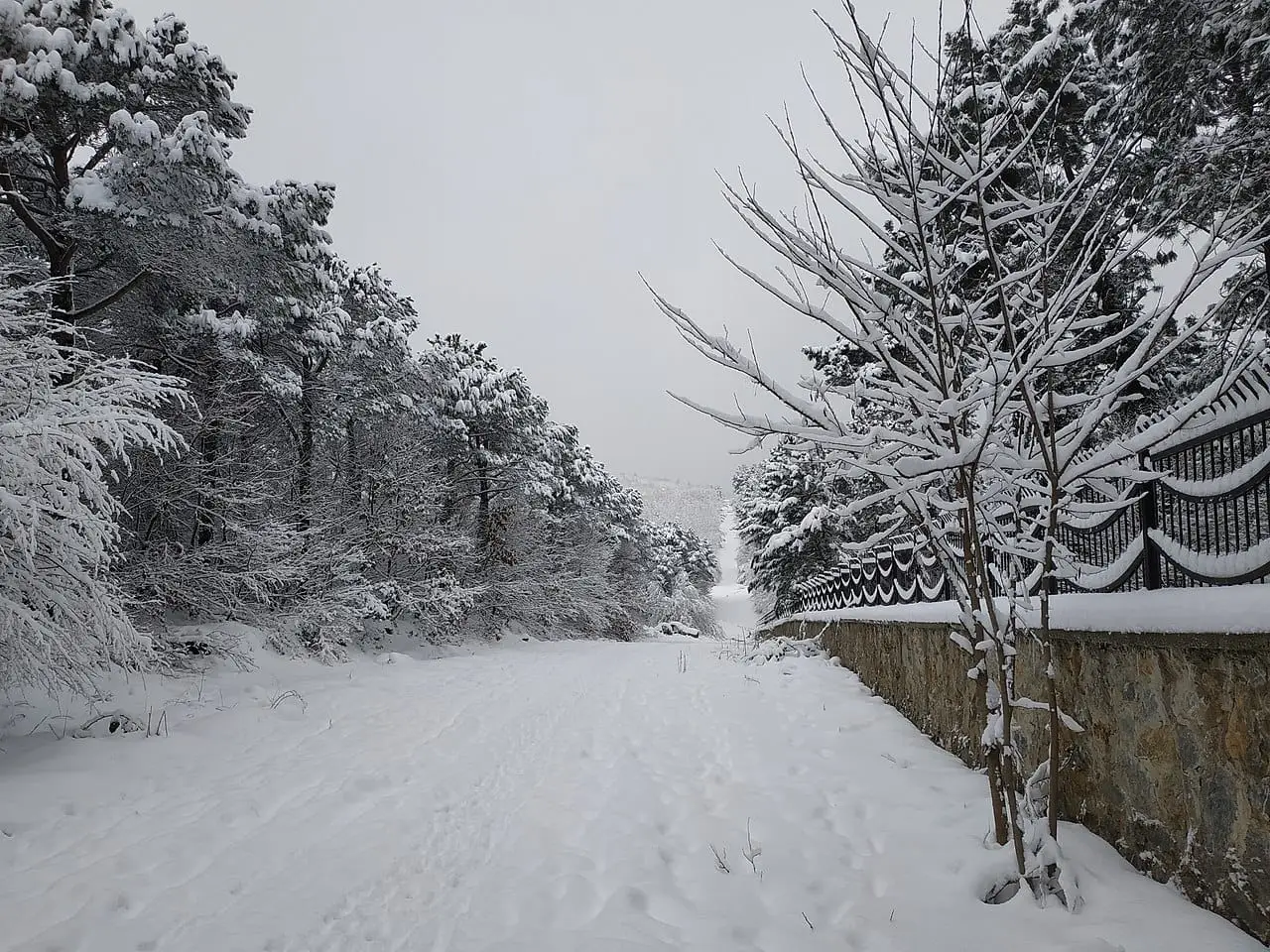
Çekmeköy Forests - Çekmeköy Photo: Yunusemreatalayoglu (CC BY-SA 4.0) · Source
Nature

Çekmeköy Forests

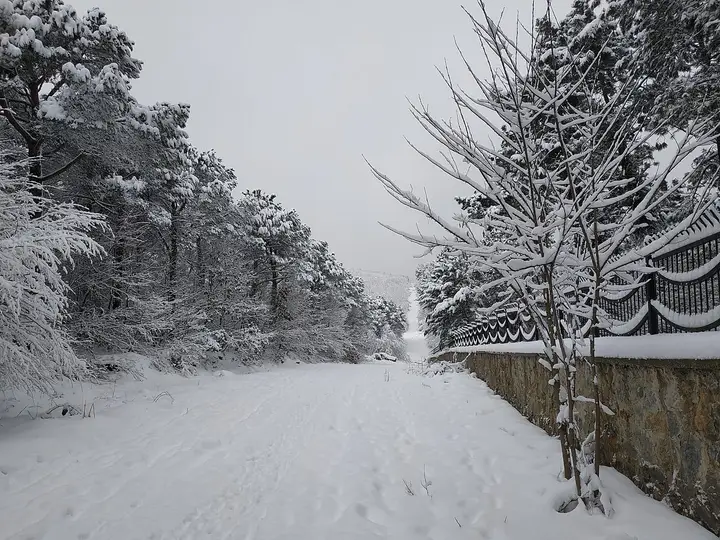
Çekmeköy, the district with the largest forest areas on Istanbul's Anatolian side, is covered with oak and beech forests. It has areas suitable for nature walks, horse riding and picnics.

View on map
Nature

Taşdelen Picnic Area

A picnic area in the Taşdelen neighbourhood of Çekmeköy, offering the chance to picnic and barbecue among pine forests.

View on map
Nature

Çekmeköy Fundalık (heathland)

A heathland in the Çekmeköy basin, cited as the largest heathland in the Eastern Mediterranean and Eastern Europe.

View on map

Places to Visit Around Istanbul Province

See all →

While you are in Çekmeköy, you can also see the highlights of Istanbul province. These places are in other districts.

  • Hagia Sophia (Ayasofya-i Kebir Mosque) — Built by the Byzantine emperor Justinian between 532 and 537, this was the largest cathedral in the world for about a thousand years; it was converted into a mosque in 1453 and a museum in 1934, and reopened for worship as a mosque in 2020. With its dome 55 metres high and its Byzantine mosaics, it is one of the turning points in the history of architecture.
  • Topkapı Palace — Built by Mehmed the Conqueror at Sarayburnu in the 1460s, the palace was the seat of government and residence of the Ottoman sultans for about 400 years; with its Harem, Treasury, Holy Relics and courtyards, it is now a museum.
  • Sultan Ahmed Mosque (Blue Mosque) — A six-minaret mosque built for Ahmed I between 1609 and 1616 by the architect Sedefkâr Mehmed Ağa; it is also known as the Blue Mosque because of the more than 20,000 İznik tiles decorating its interior.
  • Basilica Cistern (Yerebatan Sarnıcı) — A vast underground cistern built in the 6th century under Justinian and carried on 336 columns; the Medusa heads under two of the columns are its most famous corner.
  • Süleymaniye Mosque — Built by Mimar Sinan for Suleiman the Magnificent between 1550 and 1557, the mosque stands at the centre of a large complex with madrasas, a hospital, a soup kitchen and tombs; its silhouette on the hill overlooking the Golden Horn is one of the symbols of the city.
  • Grand Bazaar (Kapalıçarşı) — One of the oldest and largest covered markets in the world, made up of more than 60 streets and thousands of shops that grew up around the bedestens built under Mehmed the Conqueror; carpets, jewellery, copperware and leather goods are sold.

Practical Information for Visiting Çekmeköy

Suggested time
Half a day
Best time to visit
Spring and autumn
Places to visit
3 places

What to Eat in Çekmeköy

Food guide →
  • Village Breakfast (Köy Kahvaltısı)

    A spread-out breakfast served at farmhouses in Çekmeköy's rural areas, offering a rich table of homemade produce.

Culture, Local Products and Economy of Çekmeköy

  • Forest Village Culture

    A traditional way of life is still kept up in the villages of Çekmeköy's inner areas.

Local Products

  • Forest Honey — Pine and flower honey gathered from the Çekmeköy forests, known for being natural and unadulterated.

Economy

Çekmeköy is one of Istanbul's fast-growing districts. Housing projects, trade and the service sector are its main economic activities.

How to Get to Çekmeköy

Çekmeköy is connected to every part of Istanbul by metro (M5 Üsküdar-Çekmeköy) and bus lines.

Get directions on Google Maps Getting to Istanbul

Çekmeköy: Frequently Asked Questions

What are the things to see in Çekmeköy?

The top 3 sights in Çekmeköy are Çekmeköy Forests, Taşdelen Picnic Area and the Çekmeköy Fundalık.

What to eat in Çekmeköy?

Village Breakfast (Köy Kahvaltısı) is a standout dining option on Çekmeköy's tables.

What is Çekmeköy famous for?

Çekmeköy is known for its Forest Honey and Forest Village Culture. Pine and flower honey gathered from the Çekmeköy forests is known for being natural and unadulterated.

How do I get to Çekmeköy?

Çekmeköy is connected to every part of Istanbul by metro (M5 Üsküdar-Çekmeköy) and bus lines.

How much time should I set aside for a visit to Çekmeköy?

Suggested visit length: half a day. Best time to visit: spring and autumn.

Continue Your Trip

Other Districts of Istanbul

Search 81 province guides and 968 district guides.