3 places to visit in the Ümraniye district of Istanbul: Çamlıca, Şile Road Nature Areas and Meydan Shopping Mall and Surroundings. Plan your trip to Ümraniye with local food, practical tips and transport information.

Share with friends

Ümraniye is the fifth most populous district in Istanbul and the second most populous on the Anatolian Side after Pendik.

History

According to historical sources, the first settlers in Ümraniye were the Phrygians, who regarded the pine tree as sacred. In later years the area passed under Roman and Byzantine rule. During the Ottoman Empire, Orhan Gazi brought the region into Ottoman lands. At the beginning of the 17th century the area was endowed by Ottoman Sultan Ahmed I to Şeyh Aziz Mahmut Hüdai. It remained a village until 1960, after which it was declared an Organised Industrial Zone and experienced heavy migration. Ümraniye was elevated to district status in 1987.

Meaning of the Word Ümran

In Arabic, the word ümran means happiness, prosperity and welfare in communities; its basic meaning is a developed, advanced and prosperous place.

History and Culture

Ümraniye remained a village until 1960; after it was declared an organised industrial zone, it received heavy migration. Ümraniye became a district on 4 July 1987.

Last updated:
Places to Visit in Ümraniye

  • 2 Nature
  • 1 Attraction
Nature

Çamlıca

An area covered with pine forests by the Phrygians.

View on map
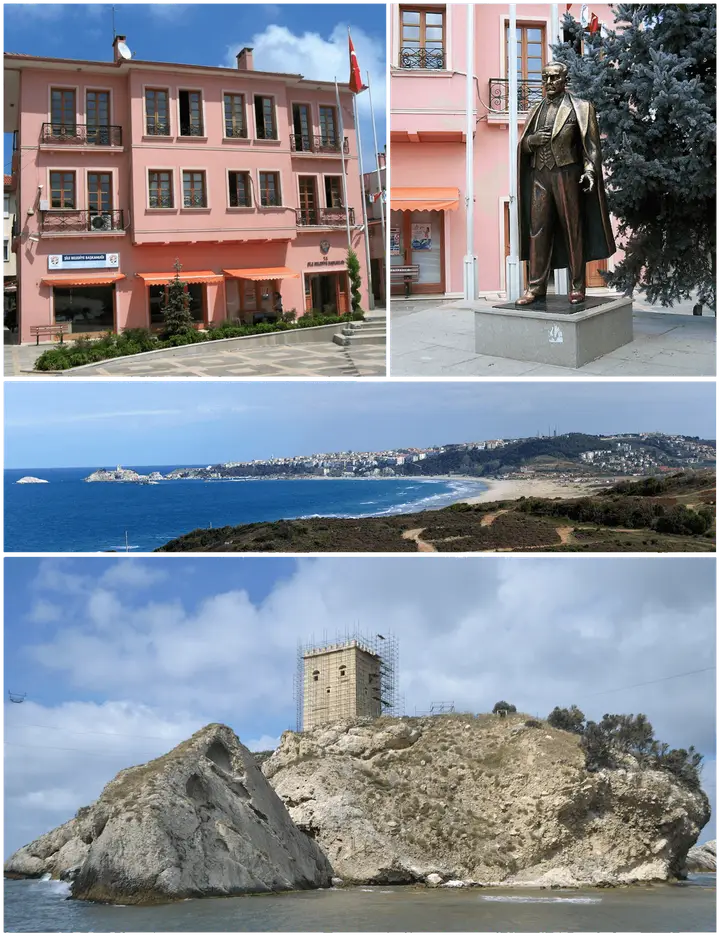
Şile Road Nature Areas - Ümraniye Photo: Darwinek,Janko Hoener (CC BY 3.0) · Source
Nature

Şile Road Nature Areas

Forested areas on the Şile road in the northern parts of Ümraniye, popular for weekend picnics and nature walks.

View on map
Attraction

Meydan Shopping Mall and Surroundings

The shopping centres and office towers that represent the modern face of Ümraniye reflect the district's commercial vitality.

View on map

Places to Visit Around Istanbul Province

See all →

While you are in Ümraniye, you can also see the highlights of Istanbul province. These places are in other districts.

  • Hagia Sophia (Ayasofya-i Kebir Mosque) — Built by the Byzantine emperor Justinian between 532 and 537, this was the largest cathedral in the world for about a thousand years; it was converted into a mosque in 1453 and a museum in 1934, and reopened for worship as a mosque in 2020. With its dome 55 metres high and its Byzantine mosaics, it is one of the turning points in the history of architecture.
  • Topkapı Palace — Built by Mehmed the Conqueror at Sarayburnu in the 1460s, the palace was the seat of government and residence of the Ottoman sultans for about 400 years; with its Harem, Treasury, Holy Relics and courtyards, it is now a museum.
  • Sultan Ahmed Mosque (Blue Mosque) — A six-minaret mosque built for Ahmed I between 1609 and 1616 by the architect Sedefkâr Mehmed Ağa; it is also known as the Blue Mosque because of the more than 20,000 İznik tiles decorating its interior.
  • Basilica Cistern (Yerebatan Sarnıcı) — A vast underground cistern built in the 6th century under Justinian and carried on 336 columns; the Medusa heads under two of the columns are its most famous corner.
  • Süleymaniye Mosque — Built by Mimar Sinan for Suleiman the Magnificent between 1550 and 1557, the mosque stands at the centre of a large complex with madrasas, a hospital, a soup kitchen and tombs; its silhouette on the hill overlooking the Golden Horn is one of the symbols of the city.
  • Grand Bazaar (Kapalıçarşı) — One of the oldest and largest covered markets in the world, made up of more than 60 streets and thousands of shops that grew up around the bedestens built under Mehmed the Conqueror; carpets, jewellery, copperware and leather goods are sold.

Practical Information for Visiting Ümraniye

Suggested time
Half a day
Best time to visit
All year
Places to visit
3 places

What to Eat in Ümraniye

Food guide →
  • Esnaf Lokantası Yemekleri

    Ümraniye's tradesmen's restaurants serve traditional Turkish home cooking at affordable prices. Kuru fasulye, pilav and meat dishes are the most popular menu items.

Culture, Local Products and Economy of Ümraniye

  • Migration Culture

    Since the 1960s, Ümraniye has been one of the districts where families migrating from Anatolia to Istanbul settled. This wave of migration has shaped the district's multicultural character.

Local Products

  • Technology and Software — Ümraniye is one of the important centres of the technology and software sector on Istanbul's Anatolian side.

Economy

Ümraniye is one of the most populous and fastest-developing districts on Istanbul's Anatolian side. Trade, industry, technology and services are the main economic activities.

How to Get to Ümraniye

Ümraniye is connected to every part of Istanbul by metro (M5 Üsküdar–Çekmeköy), bus and minibus lines.

Get directions on Google Maps Getting to Istanbul

Ümraniye: Frequently Asked Questions

What are the places to see in Ümraniye?

The 3 highlights of Ümraniye are: Çamlıca, Şile Road Nature Areas and Meydan Shopping Mall and Surroundings.

What to eat in Ümraniye?

Esnaf Lokantası Yemekleri are the standout dishes on Ümraniye's tables.

What is Ümraniye famous for?

Ümraniye is known for Technology and Software and its Migration Culture. Ümraniye is one of the important centres of the technology and software sector on Istanbul's Anatolian side.

How do I get to Ümraniye?

Ümraniye is connected to every part of Istanbul by metro (M5 Üsküdar–Çekmeköy), bus and minibus lines.

How much time should I set aside for a visit to Ümraniye?

Suggested visit length: half a day. Best time to visit: all year.

Continue Your Trip

Other Districts of Istanbul

Search 81 province guides and 968 district guides.