Silivri Castle
A Byzantine-era castle on a rocky hill on the shore of the Sea of Marmara. Panoramic views of the Sea of Marmara can be enjoyed from the castle walls.
View on map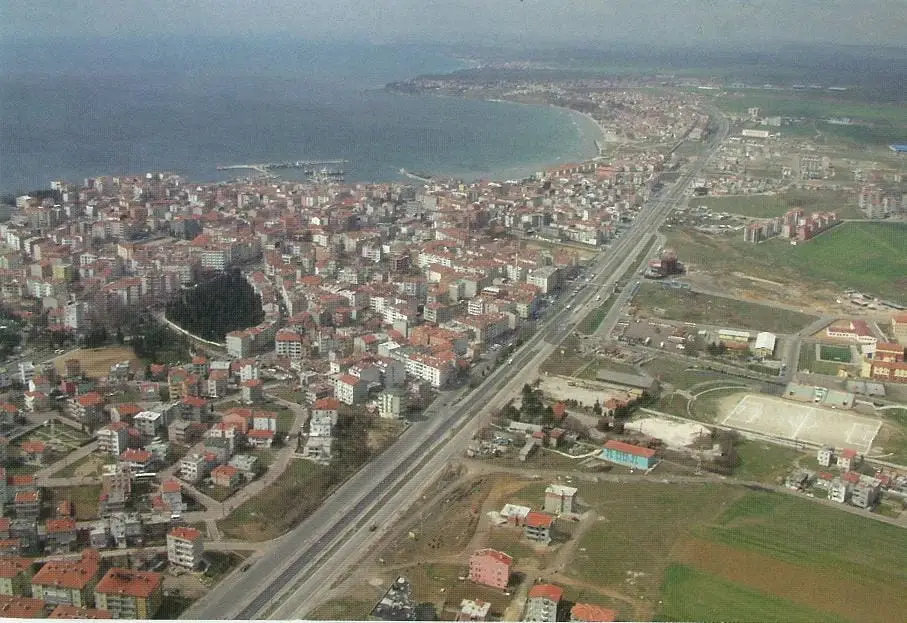
5 places to visit in the Silivri district of Istanbul: Silivri Castle, Silivri Coast and Piri Mehmed Paşa Mosque. Plan your trip to Silivri with local food, practical tips and transport information.
Silivri is a district of Istanbul province, located on the Çatalca Peninsula within the Çatalca–Kocaeli section of the Marmara Region. Its neighbouring districts are Çorlu, Marmaraereğlisi, Büyükçekmece and Çatalca; it lies 69 km west of Istanbul city centre.
Silivri’s former name was Selymbria. After being colonised by the Megarians, it appears in records under various forms. Selymbria was the birthplace of the physician Herodicus and was an ally of the Athenians in 351 BC. During the reign of the Byzantine emperor Arcadius (383–408), the name Selymbria was changed to Eudoxioupolis in honour of Arcadius’s wife, Eudoxia. Silivri came into Ottoman hands in 1399, and many contemporary observers believed that the Ottomans were about to take the Byzantine capital. Silivri surrendered during the Conquest of Constantinople in 1453, and in the Ottoman period the town was a summer resort.
The construction date of Uzunköprü has been established on the basis of archive documents as 975 (1568). Selymbria (Silivri) came into Ottoman hands in 1399. Silivri was occupied by Russian forces for a month in 1878. The Ortaköy Börek Festival is held in Silivri.
Last updated:
A Byzantine-era castle on a rocky hill on the shore of the Sea of Marmara. Panoramic views of the Sea of Marmara can be enjoyed from the castle walls.
View on map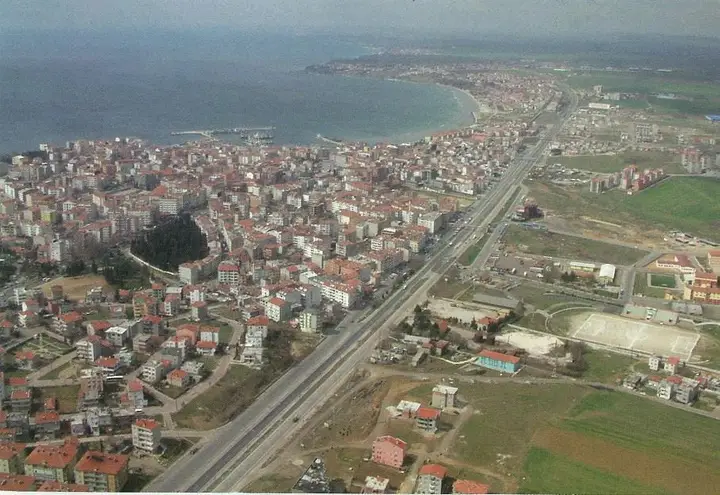
Silivri, which has the longest coastline of any district in Istanbul, is a holiday destination favoured by Istanbulites in the summer months, with its kilometres of sandy beaches.
View on map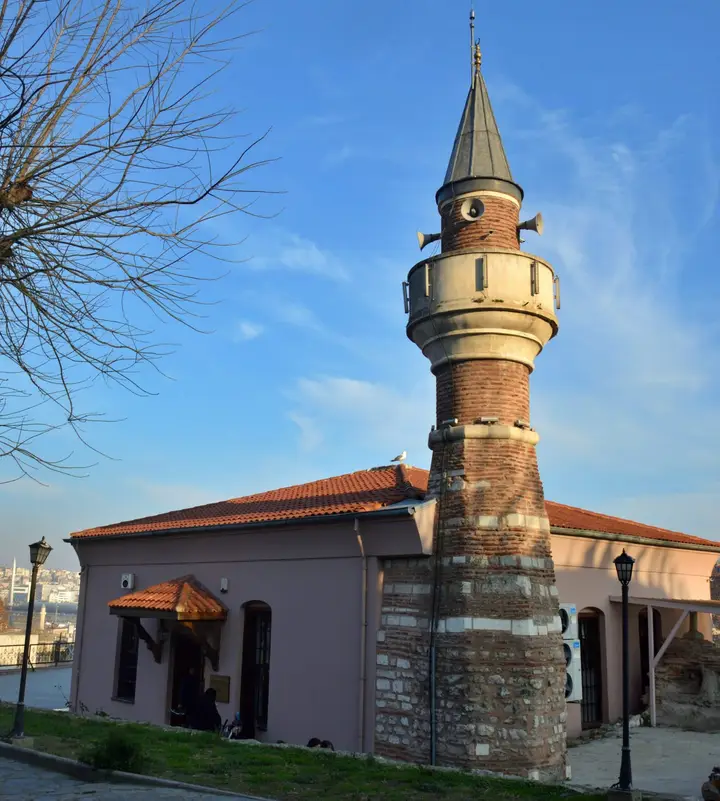 Photo: Wikipedia (CC BY-SA) · Source
 Built by Mimar Sinan in the 16th century, the mosque is the most important example of classical Ottoman architecture in Silivri.
View on mapA 333-metre-long bridge with thirty-two arches over the Silivri stream.
View on mapWalls stretching about 56 km from the Black Sea coast to the Sea of Marmara, west of Silivri.
View on mapWhile you are in Silivri, you can also see the highlights of Istanbul province. These places are in other districts; Silivri is about 75 km from the provincial centre.
Silivri's geographically indicated yoghurt is made from sheep's milk by traditional methods. With its thick consistency and slightly sour taste, it is one of the most famous yoghurts in Türkiye.
Fresh fish caught in the Sea of Marmara is served in Silivri's seaside restaurants.
Silivri is the gateway from Istanbul to Thrace. Farming culture, the tradition of yoghurt making and seaside life form the cultural identity of the district.
Silivri's economy is based on agriculture, livestock farming, tourism and industry. Yoghurt production, sunflower and wheat farming are important sources of income. Summer tourism also contributes to the economy.
Silivri is 75 km from Istanbul city centre. It lies on the E-5 and TEM motorways. There are regular bus and minibus services to Istanbul.
The 5 highlights of Silivri: Silivri Castle, Silivri Beach, Piri Mehmed Paşa Mosque, Uzunköprü Bridge and Anastasius City Walls.
Silivri Yoğurdu and Sahil Balığı are the highlights of Silivri's tables.
Silivri is known for Silivri Yoğurdu and Thrace Culture. Registered as a protected geographical indication with TÜRKPATENT.
Silivri is 75 km from Istanbul city centre. It lies on the E-5 and TEM motorways. There are regular bus and minibus services to Istanbul.
Suggested visit length: 1 day. Best time to visit: summer months (June–September).