Güneşli Chapel
An unrestored chapel in Güneşli Neighbourhood, built against the wall of a school.
View on map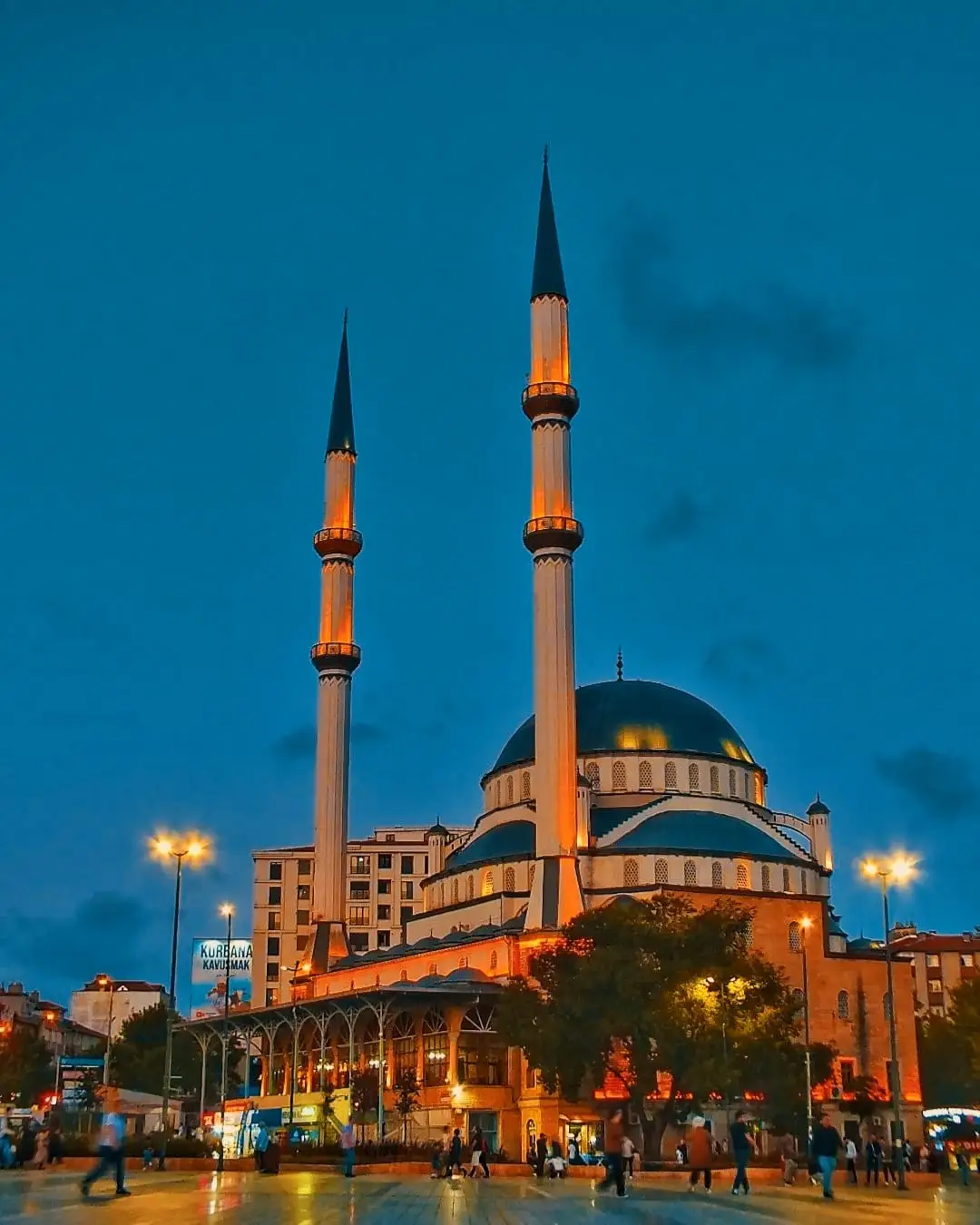
8 places to visit in the Bağcılar district of Istanbul: Güneşli Neighbourhood Chapel, Bağcılar Botanical Park and Bağcılar Square. Plan your trip to Bağcılar with local food, practical tips and transport information.
Bağcılar is a district on the European side of Istanbul and ranks 5th among Istanbul’s districts by population. The district centre lies in the south-east of the district and it has no coastline.
It is known that Genç Osman had a mosque built in the Bağcılar district centre area 403 years ago. The aqueducts in the military area of Bağcılar district once served to meet Istanbul’s water needs. The name Bağcılar was given because of the abundance of grape vineyards; it was later changed to Yeşilbağ, and when the district was created, the name Bağcılar was given again. Bağcılar separated from Bakırköy in 1992 and gained district status.
The TEM Motorway and the Istanbul Ring Road pass through the north of the district, and the Basın Express Road connects the district in the west with Atatürk Airport and Istanbul Airport. The chapel, on the historic building in Güneşli Neighbourhood, was called Ayazma on an Ottoman map from 1912.
Bağcılar became a district in 1992 after separating from Bakırköy. The district name comes from its grape vineyards; while it was a town it took the name Yeşilbağ. Bağcılar was one of the villages of the Mahmutbey Nahiye during the Ottoman period.
Last updated:
An unrestored chapel in Güneşli Neighbourhood, built against the wall of a school.
View on mapFormerly a complex resembling a small külliye, with a lodging inn, a hammam and a water cistern, this fountain.
View on mapHistoric fountains in Mahmutbey Neighbourhood that still survive in the district.
View on mapA historic religious building. Archaeologists describe it as "the only place in the world where 3 structures are joined together".
View on mapModelled on the Tacettin Dergah, this building houses a museum and a culture centre alongside it.
View on mapA breathing space in the district's dense urban fabric, Bağcılar Botanical Park offers visitors a variety of plant species and walking paths.
View on map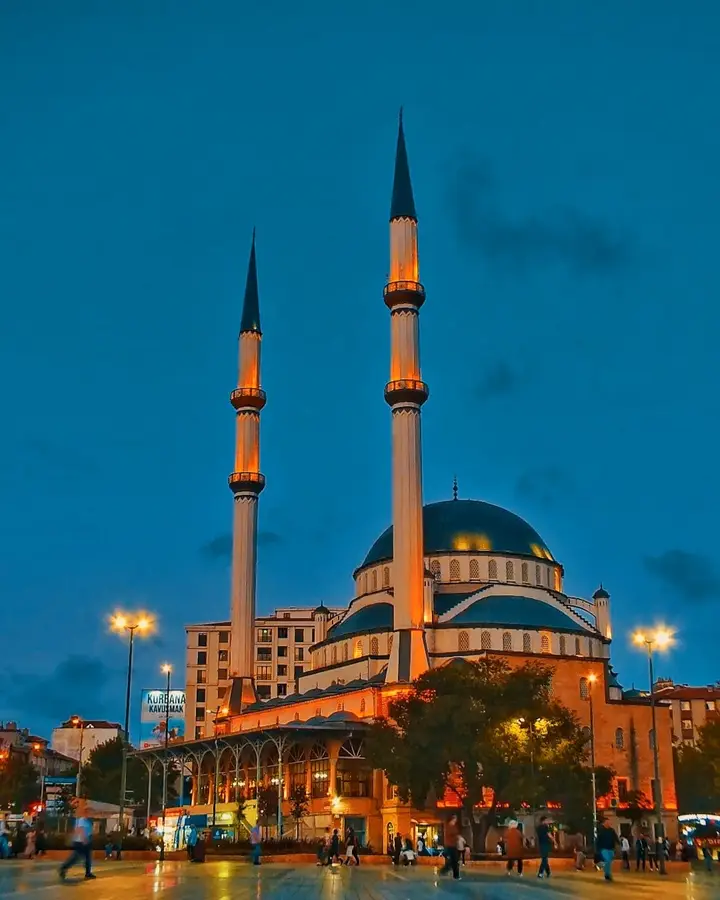
The central square of the district, Bağcılar Square is a lively meeting point with shopping centres, restaurants and social facilities.
View on mapWhile you are in Bağcılar, you can also see the highlights of Istanbul province. These places are in other districts.
Thanks to the population of Bağcılar with origins in south-eastern Anatolia, there are many authentic lahmacun masters in the district. Minced meat topping is spread over thin dough and baked in a stone oven.
Çiğ köfte dürüm stalls on the streets of Bağcılar offer one of Istanbul's most popular street foods.
Bağcılar is a multicultural district where families who migrated from different regions of Anatolia live together.
Bağcılar is one of Istanbul's most populous districts. Textiles, trade and industry are the main economic activities.
Bağcılar is connected to every part of Istanbul by metro (M1, M3), tram and bus lines.
The highlights of Bağcılar are 8 places: Güneşli Neighbourhood Chapel, Bağcılar Botanical Park, Bağcılar Square, Mehmed Akif Ersoy Culture and Arts Centre and Museum, Güneşli Chapel, Kaşıkçı Fountain, Historic Fountains of Mahmutbey Neighbourhood and Bağcılar Aqueducts.
Lahmacun and Çiğ Köfte are the standout dishes on Bağcılar tables.
Bağcılar is known for its Textile Products and Anatolian Migration Culture. Bağcılar is one of Istanbul's most important textile production centres.
Bağcılar is connected to every part of Istanbul by metro (M1, M3), tram and bus lines.
Suggested visit length: half a day. Best time to visit: all year round.