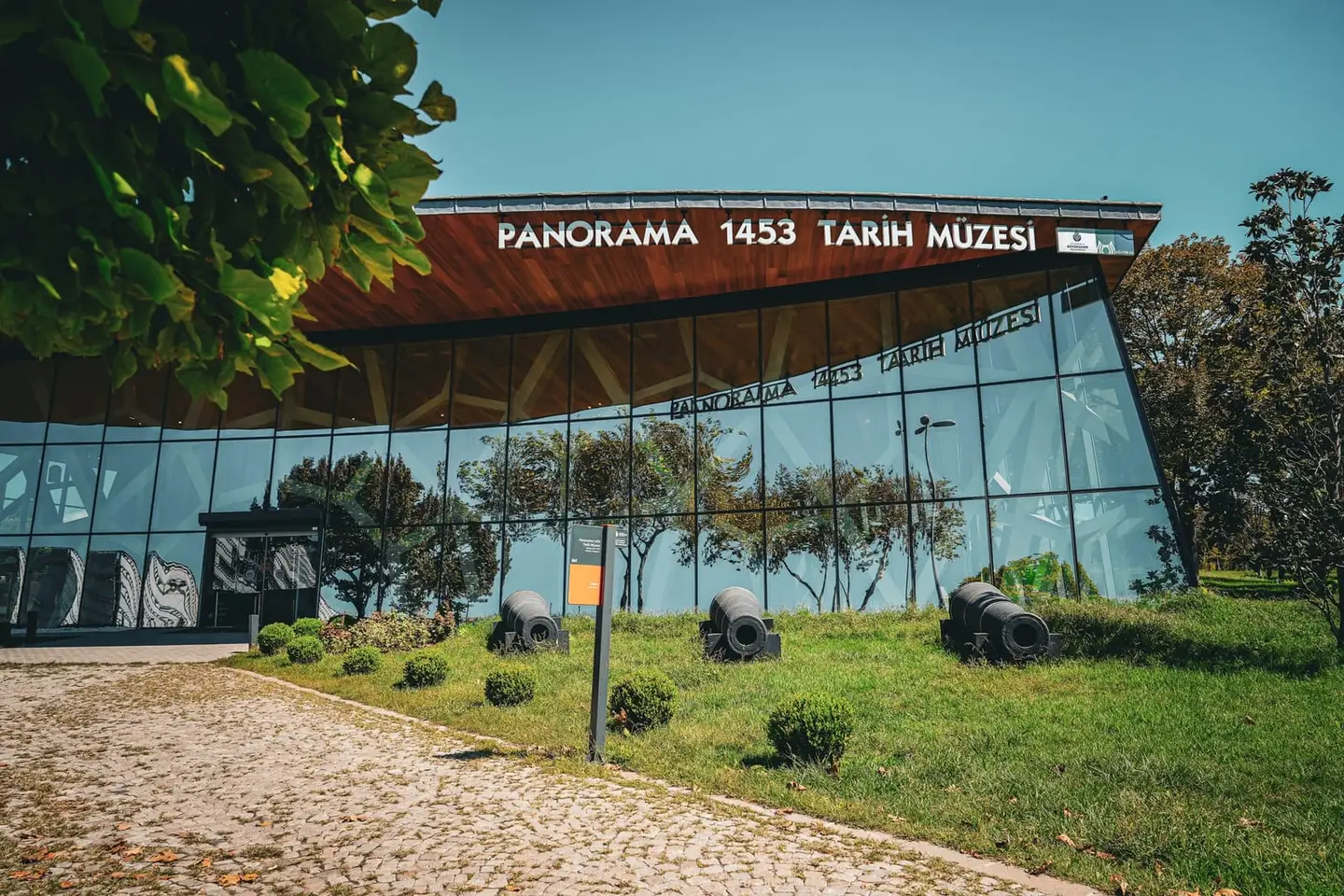
7 places to visit in the Zeytinburnu district of Istanbul: Kazlıçeşme, Kazlıçeşme Waterfront and Panorama 1453 History Museum. Plan your trip to Zeytinburnu with local food, practical tips and transport information.

Share with friends

Zeytinburnu is a district of Istanbul province with an area of 12 km². It was raised to district status in 1957 by law no. 7033. Located south-east of Thrace, on the slopes of the Çatalca Peninsula facing the Sea of Marmara, the district is an important window of Istanbul opening outwards. It is bordered by Fatih to the east, Eyüpsultan to the north-east, Bayrampaşa to the north, Güngören, Bakırköy to the west, Esenler to the north-west, and the Sea of Marmara to the south.

Geography

Zeytinburnu lies on the Çatalca Peninsula, outside the walls of the historic peninsula enclosed by the Theodosian Walls, on the Marmara coast of Istanbul. Its elevation generally rises from south to north; the southern neighbourhoods have terraces and alluvium, while the northern neighbourhoods have limestone erosion surfaces. Zeytinburnu is at seismic risk: according to KOERI-UDIM, the probability of an earthquake of magnitude M=7.0 within the next 50 years is 60.2%.

History

The name Zeytinburnu is thought to come from the district’s geographical appearance as a cape-like promontory on the Marmara coast of the historic peninsula, and from the olive groves in the area. In the Eastern Roman Empire, the Strongylion or Kyklobion on its shore is recorded in some sources as a harbour and in others as a fortress or tower. The first settlement in Zeytinburnu began in the years following the Turkish takeover of Istanbul, when a community known as the Jerusalem Priests settled around Kazlıçeşme. In a garden promenade called İskender Çelebi, where Ottoman sultans enjoyed spending their time, there was a beautiful garden with pavilions, and in front of the pavilions, waterside mansions embracing the sea. Turkey’s leather industry began in Kazlıçeşme more than 150 years ago.

History and Culture

Zeytinburnu and the Kazlıçeşme area became a region where the Jerusalem Priests grew olives and fruit. Impressive mosaics were uncovered during soundings made in the course of restoration. The church is said to have been rebuilt in 1830.

Highlights

Until 1953 the district was administered as an area belonging to Fatih and Bakırköy districts. The Panorama 1453 History Museum, the first fully panoramic museum in the world, opened in Zeytinburnu in 2009.

Last updated:
Places to Visit in Zeytinburnu

  • 1 Historic
  • 3 Religious
  • 1 Museum
  • 1 Beach
  • 1 Other
Other

Kazlıçeşme

An important area where the leather industry was established and developed.

View on map
Beach

Kazlıçeşme Waterfront

The waterfront area on the Sea of Marmara coast of Zeytinburnu.

View on map
Panorama 1453 History Museum - Zeytinburnu Photo: Wikipedia (CC BY-SA) · Source
Historic

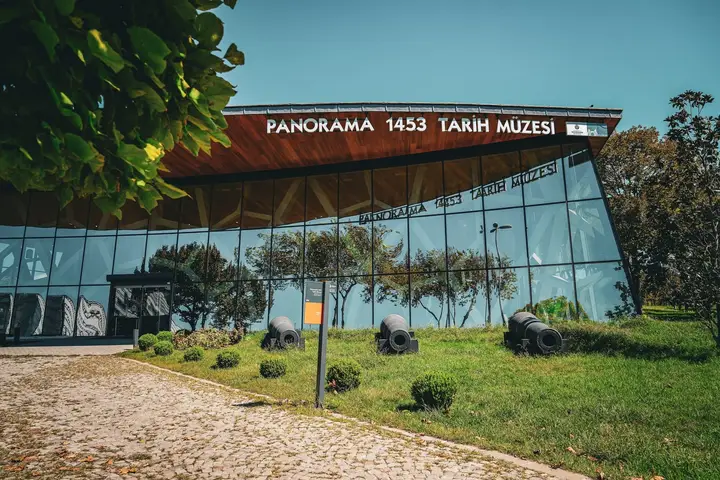
Panorama 1453 History Museum

A museum telling the story of Istanbul's conquest in 1453 through 360-degree panoramic paintings, located near the Topkapı walls. The realistic recreation of the conquest scene draws visitors into history.

View on map
Religious

Merkezefendi Mosque and Tomb

The tomb and mosque of Merkez Efendi, a famous physician and mystic who lived in the 16th century, are among Zeytinburnu's most important religious buildings. The Merkezefendi Festivals are held here every year.

View on map
Museum

Zeytinburnu Mosaic Museum

The museum displays mosaics with geometric patterns and star and polygon compositions.

View on map
Religious

Aya Haralambos Church

According to its inscription, a church built on the remains of a temple belonging to the Avars.

View on map
Religious

Takkeci İbrahim Ağa Mosque

A 16th-century mosque in the Topkapı neighbourhood, outside the walls, forming part of the Takkeci İbrahim Ağa Complex.

View on map

Places to Visit Around Istanbul Province

See all →

While you are in Zeytinburnu, you can also see the highlights of Istanbul province. These places are in other districts.

  • Hagia Sophia (Ayasofya-i Kebir Mosque) — Built by the Byzantine emperor Justinian between 532 and 537, this was the largest cathedral in the world for about a thousand years; it was converted into a mosque in 1453 and a museum in 1934, and reopened for worship as a mosque in 2020. With its dome 55 metres high and its Byzantine mosaics, it is one of the turning points in the history of architecture.
  • Topkapı Palace — Built by Mehmed the Conqueror at Sarayburnu in the 1460s, the palace was the seat of government and residence of the Ottoman sultans for about 400 years; with its Harem, Treasury, Holy Relics and courtyards, it is now a museum.
  • Sultan Ahmed Mosque (Blue Mosque) — A six-minaret mosque built for Ahmed I between 1609 and 1616 by the architect Sedefkâr Mehmed Ağa; it is also known as the Blue Mosque because of the more than 20,000 İznik tiles decorating its interior.
  • Basilica Cistern (Yerebatan Sarnıcı) — A vast underground cistern built in the 6th century under Justinian and carried on 336 columns; the Medusa heads under two of the columns are its most famous corner.
  • Süleymaniye Mosque — Built by Mimar Sinan for Suleiman the Magnificent between 1550 and 1557, the mosque stands at the centre of a large complex with madrasas, a hospital, a soup kitchen and tombs; its silhouette on the hill overlooking the Golden Horn is one of the symbols of the city.
  • Grand Bazaar (Kapalıçarşı) — One of the oldest and largest covered markets in the world, made up of more than 60 streets and thousands of shops that grew up around the bedestens built under Mehmed the Conqueror; carpets, jewellery, copperware and leather goods are sold.

Practical Information for Visiting Zeytinburnu

Suggested time
Half a day
Best time to visit
All year
Places to visit
7 places

What to Eat in Zeytinburnu

Food guide →
  • Zeytinburnu Leather Tradesmen's Restaurants

    Zeytinburnu's tradesmen's restaurants are known for affordable and tasty home cooking. Kuru fasulye, pilav and meat dishes are the most popular menu items.

Culture, Local Products and Economy of Zeytinburnu

  • Conquest Culture

    Zeytinburnu is home to the Topkapı area, where the Ottoman army broke through the walls during the conquest of Istanbul in 1453. The Panorama 1453 Museum brings this historic event to life.

Local Products

  • Leather Products — Zeytinburnu is one of Istanbul's most important leather production and sales centres. Leather products such as jackets, bags and shoes are made and sold here.

Economy

Zeytinburnu's economy rests on the leather industry, textiles and trade. The district is one of Istanbul's most important leather production centres.

How to Get to Zeytinburnu

Zeytinburnu is connected to every part of Istanbul by Marmaray, tram (T1), metrobus and bus lines.

Get directions on Google Maps Getting to Istanbul

Zeytinburnu: Frequently Asked Questions

What are the places to see in Zeytinburnu?

The 7 highlights of Zeytinburnu are: Kazlıçeşme, Kazlıçeşme Waterfront, Panorama 1453 History Museum, Merkezefendi Mosque and Tomb, Zeytinburnu Mosaic Museum, Aya Haralambos Church and Takkeci İbrahim Ağa Mosque.

What to eat in Zeytinburnu?

Zeytinburnu Leather Tradesmen's Restaurants are the standout dishes on Zeytinburnu's tables.

What is Zeytinburnu famous for?

Zeytinburnu is known for Leather Products and its Conquest Culture. Zeytinburnu is one of Istanbul's most important leather production and sales centres. Leather products such as jackets, bags and shoes are made and sold here.

How do I get to Zeytinburnu?

Zeytinburnu is connected to every part of Istanbul by Marmaray, tram (T1), metrobus and bus lines.

How much time should I set aside for a visit to Zeytinburnu?

Suggested visit length: half a day. Best time to visit: all year.

Continue Your Trip

Other Districts of Istanbul

Search 81 province guides and 968 district guides.