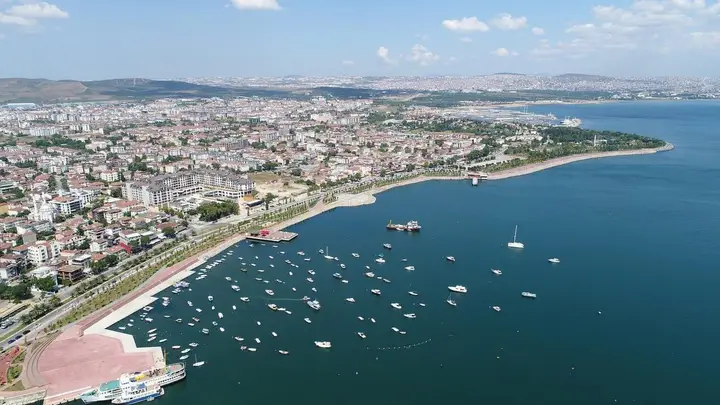
 Photo: Tuzla Belediyesi (CC BY-SA 4.0) · Source
 Tuzla Shipyards Area
Turkey's largest shipyard area, an important industrial centre where ships are built and repaired.
View on map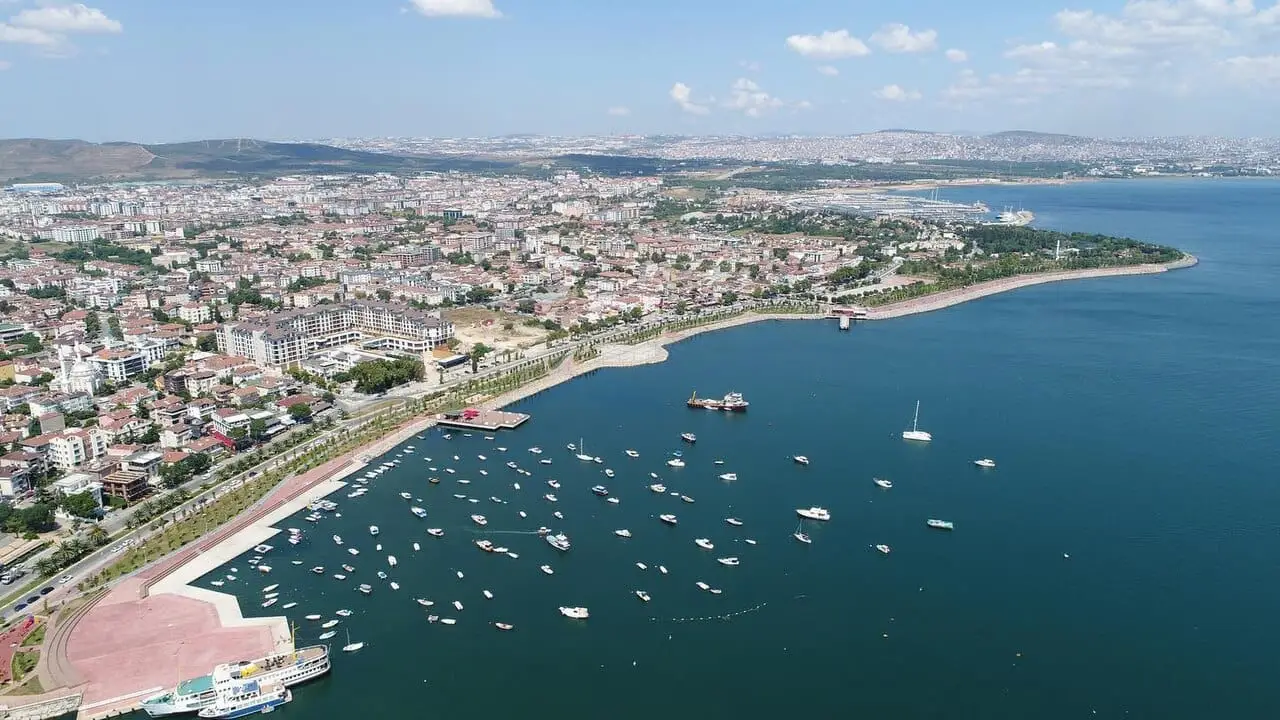 Photo: Tuzla Belediyesi (CC BY-SA 4.0) · Source
 4 places to visit in the Tuzla district of Istanbul: Tuzla Shipyards Area, Tuzla İçmeler and Tuzla Waterfront. Plan your trip to Tuzla with local food, practical tips and transport information.
Turkey’s largest shipyard area is located in Tuzla. The district lies 4 metres above sea level, and to its north and west is the district of Pendik.
Tuzla was annexed to the Ottoman lands in 1400 by Yıldırım Bayezid. On 20 January 1954 it was administratively separated from Gebze and attached to Kartal district. Until the late 1980s, fishing and farming were carried on side by side in Tuzla, but as industry developed, farming lost its importance. Tuzla became an independent district in 1992, when it separated from Pendik.
The land is generally made up of low hills and flat plains, and the elevation reaches 250–300 metres in the villages of Akfırat and Orhanlı. The Sea of Marmara lies to the south of Tuzla district, and the district has 13 km of coastline.
Tuzla was annexed to Ottoman lands by Yıldırım Bayezid in 1400. Tuzla is home to Turkey’s largest shipyards.
Last updated:
Photo: Tuzla Belediyesi (CC BY-SA 4.0) · Source Turkey's largest shipyard area, an important industrial centre where ships are built and repaired.
View on map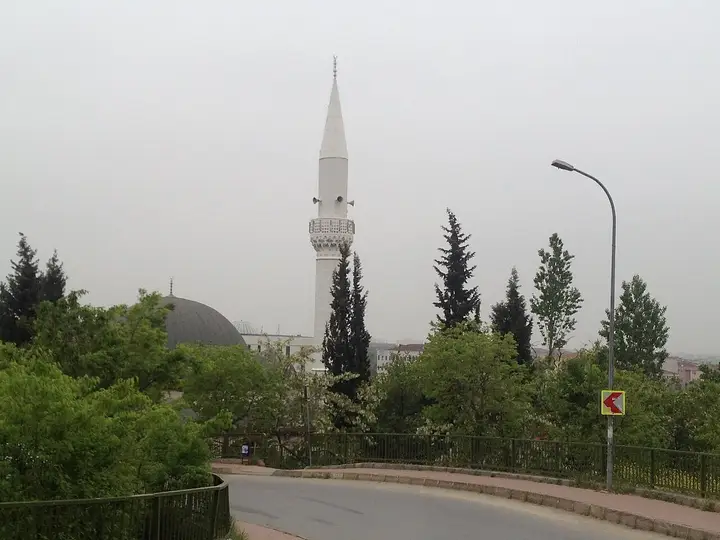 Photo: aachim3 (CC BY 3.0) · Source
 The Tuzla shoreline on the Sea of Marmara, with a marina, walking paths and fish restaurants, is one of the popular seaside areas on Istanbul's Anatolian side.
View on mapWhile you are in Tuzla, you can also see the highlights of Istanbul province. These places are in other districts.
Fish restaurants on the Tuzla waterfront serve fresh seafood with views of the marina.
Pide served in Tuzla's tradesmen's restaurants is popular in minced meat and cheese varieties.
By hosting Turkey's largest shipyard area, Tuzla has become an important centre of maritime culture.
Tuzla's economy rests on shipbuilding, the chemical sector and trade. The Tuzla Shipyards Area is the most important production centre of Turkey's maritime sector.
Tuzla is connected to every part of Istanbul by Marmaray, bus and minibus lines. It is about 15 km from Sabiha Gökçen Airport.
The 4 highlights of Tuzla are: Tuzla Shipyards Area, Tuzla İçmeler, Tuzla Waterfront and Tuzla Cape.
Sahil Balığı and Pide are the standout dishes on Tuzla's tables.
Tuzla is known for Tuzla Salt and its Maritime Culture. The district takes its name from its historic salt production. Tuzla was an important salt-producing centre in the Ottoman period, but this tradition is no longer continued.
Tuzla is connected to every part of Istanbul by Marmaray, bus and minibus lines. It is about 15 km from Sabiha Gökçen Airport.
Suggested visit length: half a day. Best time to visit: spring and summer (April–September).