11 places to visit in the Fatih district of Istanbul: Topkapı Palace, Grand Bazaar (Kapalıçarşı) and Süleymaniye Complex. Plan your trip to Fatih with local food, practical tips and transport information.

Share with friends

Fatih, or the Historic Peninsula, covers the whole area where the city of Istanbul was founded and developed, and is today the central district of Istanbul province. After Eminönü district was abolished and merged into Fatih in 2009, it became the only district on the entire Historic Peninsula.

Historical Significance

The history of the area goes back to the 7th century BC, when Byzantion was founded by colonists from Megara.

Ancient and Byzantine Periods

When the Roman Empire was made capital by Constantine in 330, the peninsula became the centre of imperial administration. Structures such as the Forum of Constantine, the Great Palace, the Hippodrome and Hagia Sophia defined the character of this period. During the Byzantine era, Fatih developed as a centre where religious and administrative institutions were concentrated. In the 5th century, with the completion of the Theodosian Walls, the peninsula became one of the most powerful defence systems in the world.

Ottoman Period

With the Ottoman conquest of Istanbul by the Turks in 1453, Fatih was reshaped as the capital of the Ottoman Empire. The area became the political, religious and cultural centre of the empire, and this transformation centred on the Fatih Complex built by Mehmed II and on Topkapı Palace. In the 16th century, the Süleymaniye Complex designed by Mimar Sinan became the most distinctive element of Istanbul’s skyline.

Multicultural Character

During the Ottoman period, Fatih was a multicultural area where not only Muslim neighbourhoods but also Greek, Armenian and Jewish communities lived. The Greek Orthodox Patriarchate and old Byzantine churches in Fener and Balat, Armenian neighbourhoods in Samatya, and synagogues around Hasköy and Balat preserve traces of this ethnic fabric to the present day.

Republican Period

In 1985 the Historic Peninsula was included on the UNESCO World Heritage List. Today Fatih remains an area that contains Hagia Sophia, Süleymaniye, the Grand Bazaar, Sultanahmet Square, the shores of the Golden Horn, the city walls and Fener-Balat, and it houses a large part of Istanbul’s tourist, cultural and religious centres.

History and Culture

Fatih became the only district on the Historic Peninsula in 2009, when Eminönü was merged into it. The Historic Peninsula was added to the UNESCO World Heritage List in 1985. The history of the area goes back to the 7th century BC, when Byzantion was founded. After the conquest of 1453, Fatih was reshaped as the capital of the Ottomans. During the Ottoman period, Fatih was a multicultural area.

Last updated:
Places to Visit in Fatih

  • 3 Historic
  • 4 Religious
  • 1 Museum
  • 2 Attraction
  • 1 Cultural

Historic Sites 3

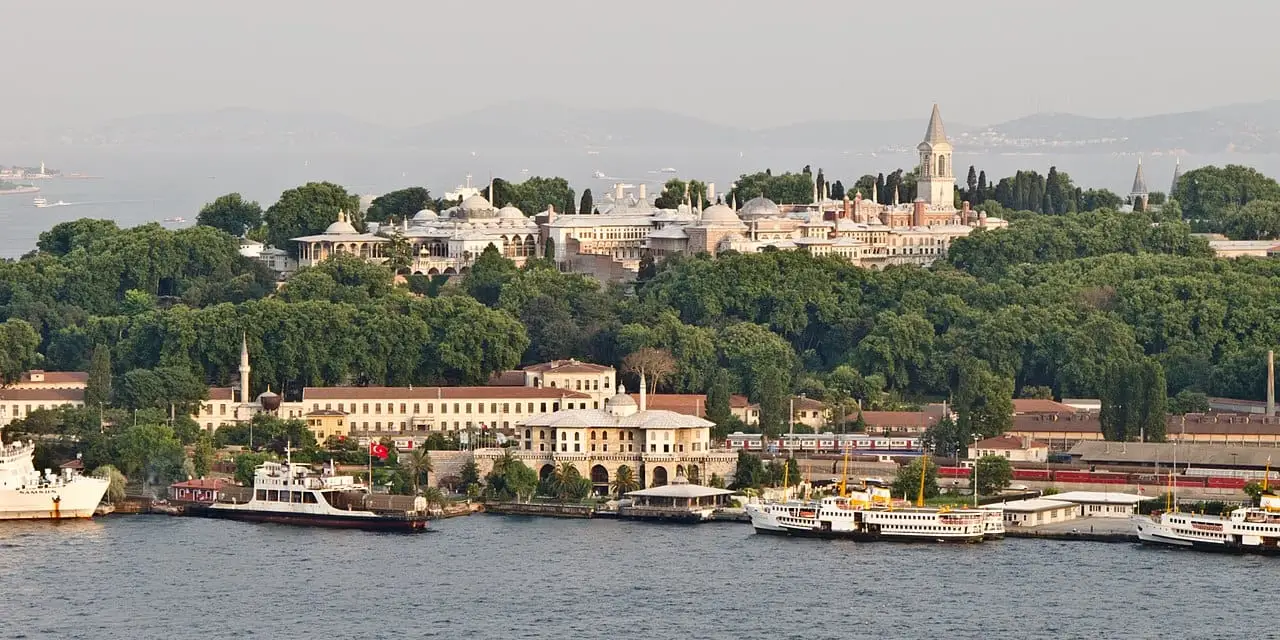
Topkapı Palace - Fatih Photo: Carlos Delgado (CC BY-SA 3.0) · Source
Historic

Topkapı Palace

Built by Mehmed II as the capital of the Ottoman Empire.

View on map
Historic

Basilica Cistern (Yerebatan Sarnıcı)

A large water cistern built in the time of Justinian, also known as the Basilica Cistern.

View on map
Historic

Bozdoğan Aqueduct (Valens Aqueduct)

An ancient aqueduct in the Saraçhane area, also known as the Valens Aqueduct.

View on map

Religious Buildings 4

Religious

Süleymaniye Complex

Built by Mimar Sinan, the complex has become the most distinctive element of Istanbul's skyline.

View on map
Religious

Sultan Ahmed Mosque and Complex

Also known as the Blue Mosque, this complex was commissioned by Sultan Ahmed I.

View on map
Religious

Şehzade Mosque

The mosque within the complex built by Suleiman the Magnificent for his son, Şehzade Mehmed.

View on map
Religious

Fatih Mosque

The mosque and complex in Kirmastı neighbourhood, commissioned by Mehmed the Conqueror (Fatih Sultan Mehmet).

View on map

Museums 1

Museum

Fethiye Museum (Pammakaristos Monastery)

A Byzantine-era Pammakaristos church. According to the source, the building is currently closed to visitors for renovation.

View on map

Attractions 2

Attraction

Gülhane Park

A historic park in the Eminönü neighbourhood, near Sarayburnu.

View on map
Attraction

Balat

A historic neighbourhood known for its colourful streets, home to mosques, churches and synagogues.

View on map

Cultural Venues 1

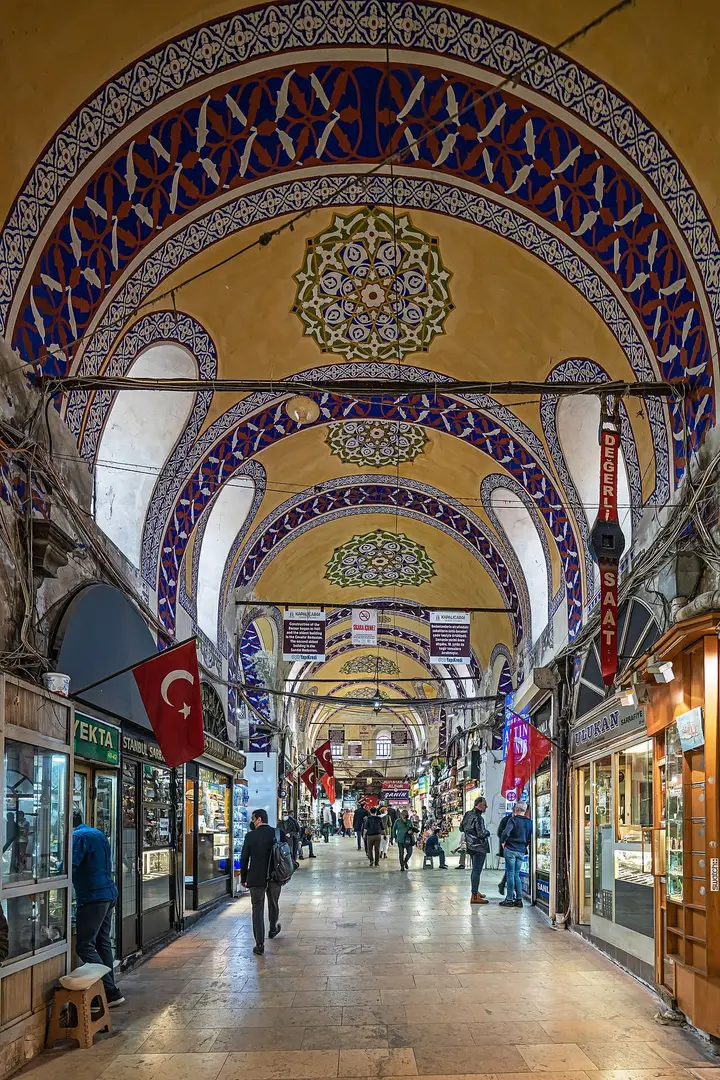
Kapalıçarşı - Fatih Photo: A.Savin (FAL) · Source
Cultural

Grand Bazaar (Kapalıçarşı)

Istanbul's historic covered bazaar.

View on map

Places to Visit Around Istanbul Province

See all →

While you are in Fatih, you can also see the highlights of Istanbul province. These places are in other districts.

  • Hagia Sophia (Ayasofya-i Kebir Mosque) — Built by the Byzantine emperor Justinian between 532 and 537, this was the largest cathedral in the world for about a thousand years; it was converted into a mosque in 1453 and a museum in 1934, and reopened for worship as a mosque in 2020. With its dome 55 metres high and its Byzantine mosaics, it is one of the turning points in the history of architecture.
  • Sultan Ahmed Mosque (Blue Mosque) — A six-minaret mosque built for Ahmed I between 1609 and 1616 by the architect Sedefkâr Mehmed Ağa; it is also known as the Blue Mosque because of the more than 20,000 İznik tiles decorating its interior.
  • Basilica Cistern (Yerebatan Sarnıcı) — A vast underground cistern built in the 6th century under Justinian and carried on 336 columns; the Medusa heads under two of the columns are its most famous corner.
  • Süleymaniye Mosque — Built by Mimar Sinan for Suleiman the Magnificent between 1550 and 1557, the mosque stands at the centre of a large complex with madrasas, a hospital, a soup kitchen and tombs; its silhouette on the hill overlooking the Golden Horn is one of the symbols of the city.
  • Spice Bazaar (Mısır Çarşısı) — An L-shaped market in Eminönü built in the 1660s as part of the New Mosque complex; it is known for its shops selling spices, Turkish delight, dried fruit and delicatessen goods.
  • Galata Tower — A 67-metre stone tower built by the Genoese in 1348, offering 360-degree views of the Golden Horn, the Historic Peninsula and the Bosphorus.

Practical Information for Visiting Fatih

Suggested time
3-5 days
Best time to visit
Spring and autumn (April-June, September-November)
Places to visit
11 places

What to Eat in Fatih

Food guide →
  • Sultanahmet Köftesi

    Grilled meatballs served in Sultanahmet since the 1920s, accompanied by piyaz and roasted peppers. Simple but delicious, they are one of Istanbul's iconic street foods.

  • Balık Ekmek (Eminönü)

    Fish grilled on boats moored at Eminönü, served in bread with onions and herbs. It is Istanbul's best-known street food.

  • Spice Bazaar Spices (Mısır Çarşısı Baharat Çeşitleri)

    Hundreds of kinds of spices, lokum (Turkish delight), dried fruit and medicinal herbs are sold in the Spice Bazaar, built in 1660. The bazaar itself is a historic experience.

Culture, Local Products and Economy of Fatih

  • Historic Peninsula UNESCO Heritage

    Fatih covers Istanbul's Historic Peninsula, which has been on the UNESCO World Heritage List since 1985. Its layered heritage from Roman, Byzantine and Ottoman civilisations makes it one of the richest open-air museums in the world.

  • Ottoman Palace Culture

    Topkapı Palace and the complexes around it are the most tangible witnesses to Ottoman palace life, art and governance. Institutions such as the Harem, the Enderun and the Imperial Council (Divan-ı Hümayun) took shape here.

Local Products

  • Turkish Delight (Türk Lokumu) — The historic lokum makers of Fatih produce lokum with century-old recipes in rose, pistachio, pomegranate and many other flavours. Dozens of varieties are available at the Grand Bazaar and the Spice Bazaar.
  • Hand-made Carpets and Kilims — Carpet dealers in the Grand Bazaar display and sell hand-woven carpets and kilims from across Anatolia.

Economy

Fatih is the historic and commercial centre of Istanbul. Tourism is its largest source of income, and the Grand Bazaar and the Spice Bazaar remain the heart of traditional trade. Textiles, jewellery and leather are also important parts of the district's economy.

How to Get to Fatih

Fatih lies in the heart of Istanbul and is connected to the whole city by Marmaray, the T1 tram, the metro and ferries. It is 40 km from Istanbul Airport and 50 km from Sabiha Gökçen Airport.

Get directions on Google Maps Getting to Istanbul

Fatih: Frequently Asked Questions

What are the things to see in Fatih?

The top 11 sights in Fatih are Topkapı Palace, Grand Bazaar, Süleymaniye Complex, Sultan Ahmed Mosque and Complex, Şehzade Mosque, Fatih Mosque, Basilica Cistern, Fethiye Museum (Pammakaristos Monastery), Gülhane Park, Balat and Bozdoğan Aqueduct.

What to eat in Fatih?

Sultanahmet Köftesi, Balık Ekmek (Eminönü) and Spice Bazaar Spices are standout dishes on Fatih's tables.

What is Fatih famous for?

Fatih is known for its Turkish Delight and the Historic Peninsula UNESCO Heritage. The historic lokum makers of Fatih produce lokum with century-old recipes in rose, pistachio, pomegranate and many other flavours. Dozens of varieties are available at the Grand Bazaar and the Spice Bazaar.

How do I get to Fatih?

Fatih lies in the heart of Istanbul and is connected to the whole city by Marmaray, the T1 tram, the metro and ferries. It is 40 km from Istanbul Airport and 50 km from Sabiha Gökçen Airport.

How much time should I set aside for a visit to Fatih?

Suggested visit length: 3-5 days. Best time to visit: spring and autumn (April-June, September-November).

Continue Your Trip

Other Districts of Istanbul

Search 81 province guides and 968 district guides.