Alibey Dam
Built between 1975 and 1983, the dam meets the drinking water needs of the European side.
View on map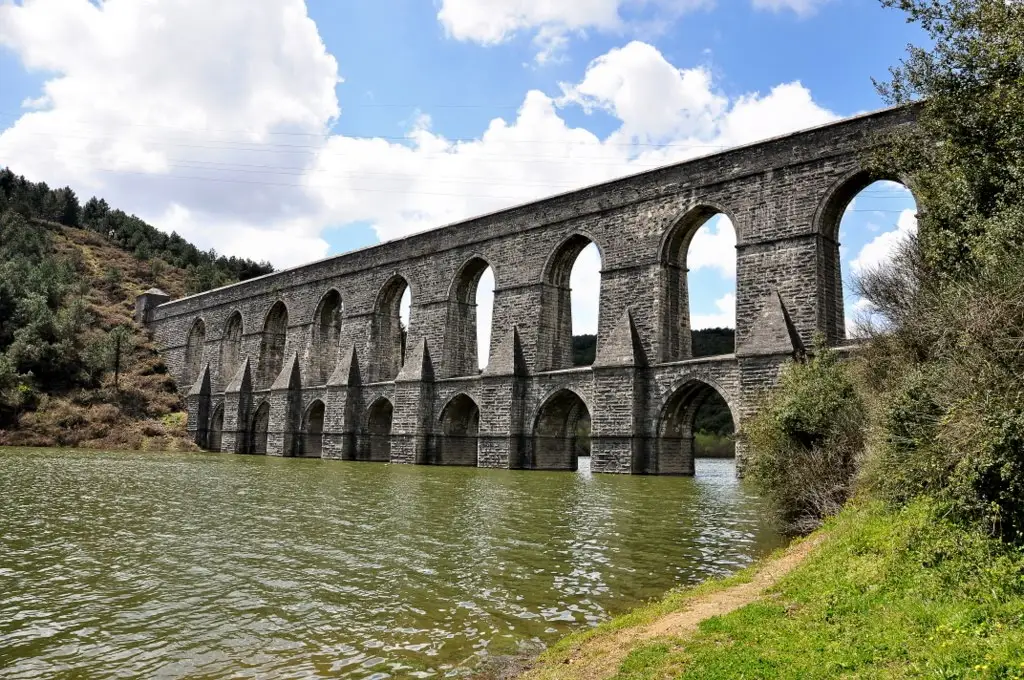 Photo: İbrdznl (CC BY-SA 4.0) · Source
 5 places to visit in the Sultangazi district of Istanbul: Alibey Dam, Cebeci Nature Park and Sultangazi Gölet Park. Plan your trip to Sultangazi with local food, practical tips and transport information.
At 50 metres above sea level, the district borders Eyüpsultan to the east, Esenler to the west, Gaziosmanpaşa to the south and Başakşehir to the northwest. It consists of 15 neighbourhoods and contains the Alibey Dam, the Cebeci quarries and several small streams.
The Alibey Dam was built between 1975 and 1983 and meets a significant part of the drinking water needs of the European side. At normal water level, the reservoir holds 66.80 hm³ and covers 4.66 km², supplying 39 hm³ of drinking water a year. Amateur fishing and water sports take place on the dam, and the protected forest surrounding it meets the district’s need for recreational space.
Sultangazi was founded in 2008, with 14 neighbourhoods from Gaziosmanpaşa and one each from Eyüpsultan and Esenler. For many years the area was administered as part of Eyüp district.
Last updated:
Built between 1975 and 1983, the dam meets the drinking water needs of the European side.
View on mapThe largest park in the district, Gölet Park offers a place to relax, with an artificial pond and green areas.
View on mapGalleries on the Cebeciköy stream, considered the most important surviving evidence of the water channels from before the conquest.
View on mapRemains of 6–7 large arches and more than 30 single-span arches can be seen along the İsale line.
View on mapWhile you are in Sultangazi, you can also see the highlights of Istanbul province. These places are in other districts.
Sultangazi's tradesmen's restaurants serve traditional Turkish home cooking at affordable prices.
Thanks to Cebeci Nature Park, Sultangazi offers a life close to nature within a dense urban fabric.
Sultangazi is one of the densely populated residential centres on the European side of Istanbul. Trade and services are the main economic activities.
Sultangazi is connected to every part of Istanbul by bus and minibus lines.
The 5 highlights of Sultangazi are: Alibey Dam, Cebeci Nature Park, Sultangazi Gölet Park, the Cebeciköy Stream Genoese Galleries and the remains of the İsale Line arches.
Esnaf Lokantası Yemekleri are the standout dishes on Sultangazi's tables.
Sultangazi is known for its Local Market Produce and its Balance of Nature and City. The district's lively markets offer fresh fruit, vegetables and local products.
Sultangazi is connected to every part of Istanbul by bus and minibus lines.
Suggested visit length: half a day. Best time to visit: spring and autumn.