7 places to visit in the Üsküdar district of Istanbul: Çamlıca Hill, Maiden's Tower (Kız Kulesi) and Çamlıca Hill and Çamlıca Mosque. Plan your trip to Üsküdar with local food, practical tips and transport information.

Share with friends

Üsküdar is bordered by Beykoz to the north, Ümraniye to the northeast, Ataşehir to the east, Kadıköy to the south, and the Bosphorus to the west.

Etymology

The earliest name of the settlement in antiquity was Khrysopolis, meaning “Golden City” in Greek. It is widely believed that the name Üsküdar comes from the Scutarii, armoured cavalry units of the Roman army, and from the Skutarion Barracks located there.

History

From the 5th century BC, during the Athenian period, when the coastal settlement was enclosed by walls, the area was an important transport and accommodation centre. Üsküdar was taken by the Turks in 1352, long before the conquest of Constantinople. Under Ottoman control since the time of Orhan Gazi, Üsküdar was widely settled by Turks during the reign of Mehmed II (the Conqueror). Üsküdar had provincial status until 1926, when a legal reform that year made it a district and attached it to Istanbul.

History and Culture

The name Atik Valide was given after Gülnûş Valide Sultan commissioned a new complex in the 18th century. Atik Valide Mosque was built in three stages.

Last updated:
Places to Visit in Üsküdar

  • 1 Historic
  • 3 Religious
  • 3 Nature
Nature

Çamlıca Hill

A hill in Üsküdar, covered with pine forests by the Phrygians.

View on map
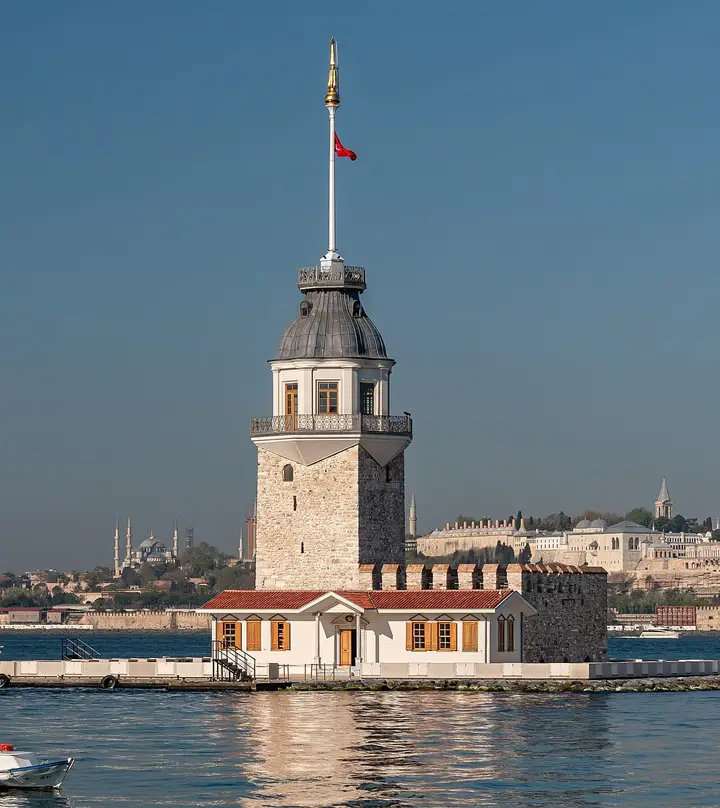
Maiden's Tower - Üsküdar Photo: Jorge Franganillo (CC BY 2.0) · Source
Historic

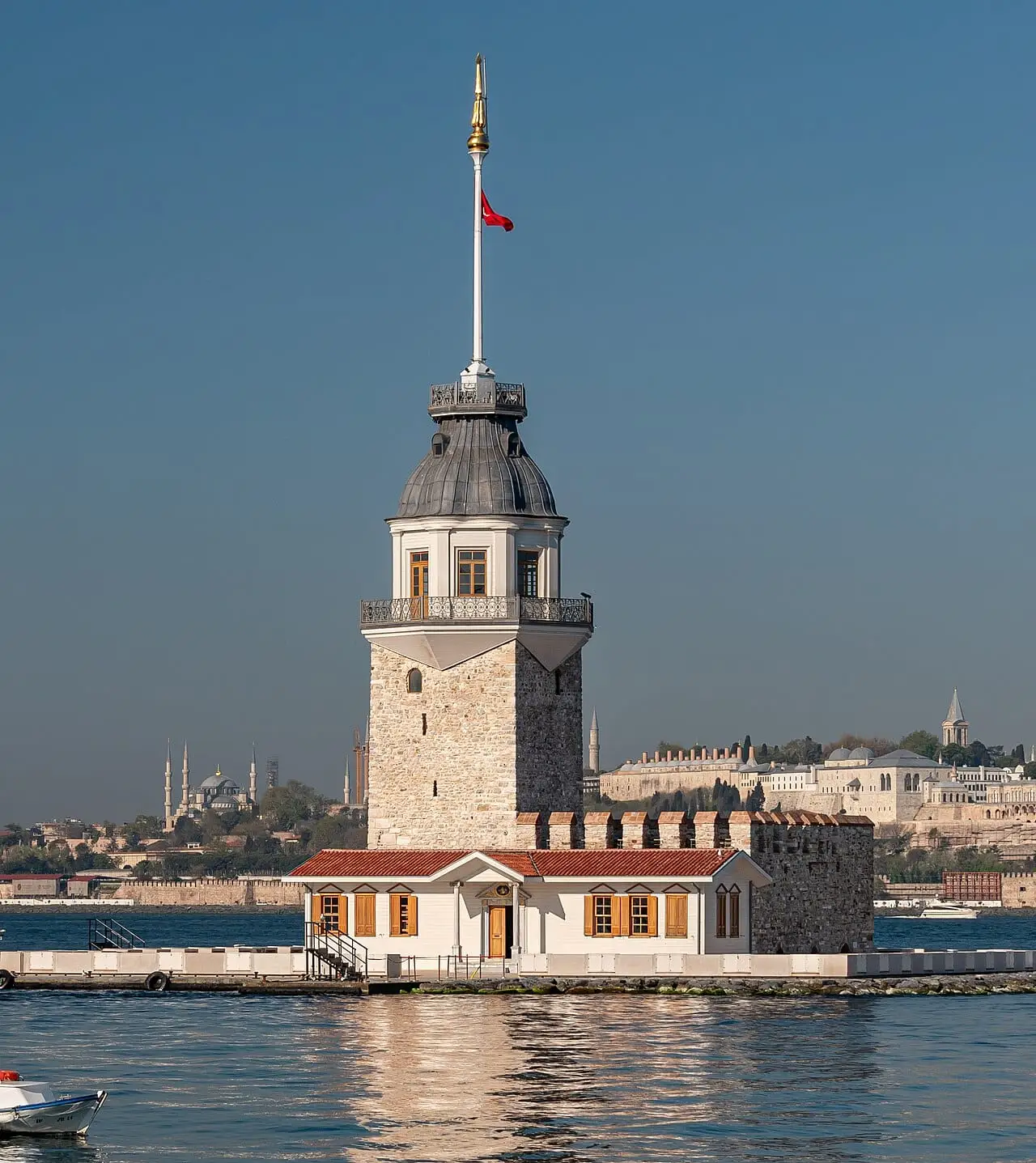
Maiden's Tower (Kız Kulesi)

The Maiden's Tower, on a small islet in the middle of the Bosphorus, is one of Istanbul's most romantic symbols. Used for various purposes since the 5th century BC, the tower was restored in 2023 and opened to visitors as a museum and restaurant.

View on map
Çamlıca Hill and Çamlıca Mosque - Üsküdar Photo: Håkan Henriksson (Narking) (CC BY-SA 4.0) · Source
Religious

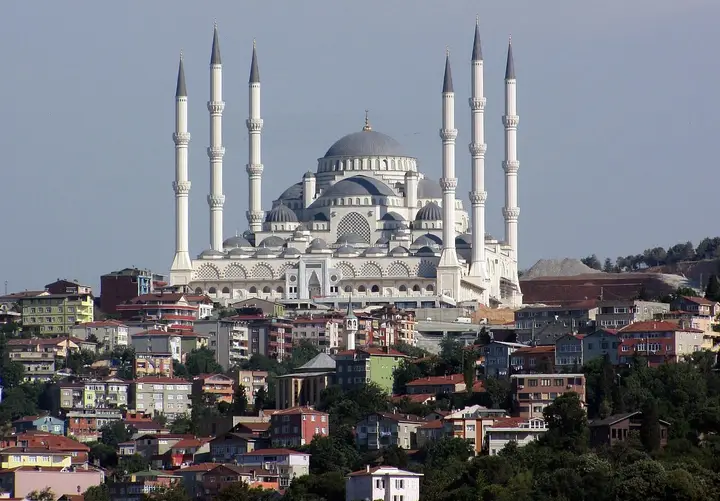
Çamlıca Hill and Çamlıca Mosque

Opened in 2019 on Çamlıca Hill, one of the highest points in Istanbul, Çamlıca Mosque is Turkey's largest mosque, with a capacity of 72,000 people. Both sides of Istanbul can be seen panoramically from the hill.

View on map
Mihrimah Sultan Mosque - Üsküdar Photo: Wikipedia (CC BY-SA) · Source
Religious

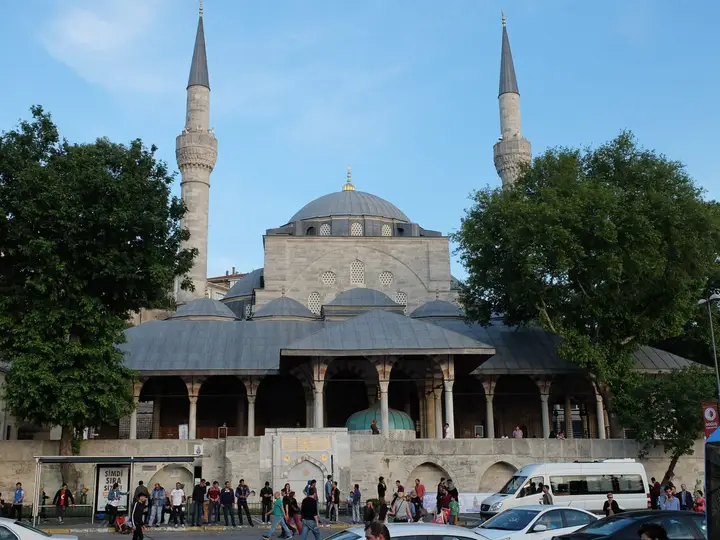
Mihrimah Sultan Mosque

Built in 1548 by Mimar Sinan for Mihrimah Sultan, daughter of Suleiman the Magnificent, the mosque stands right next to Üsküdar Pier. It is noted for its elegant architecture and sea views.

View on map
Fethi Paşa Grove - Üsküdar Photo: Ekolojist (CC BY-SA 4.0) · Source
Nature

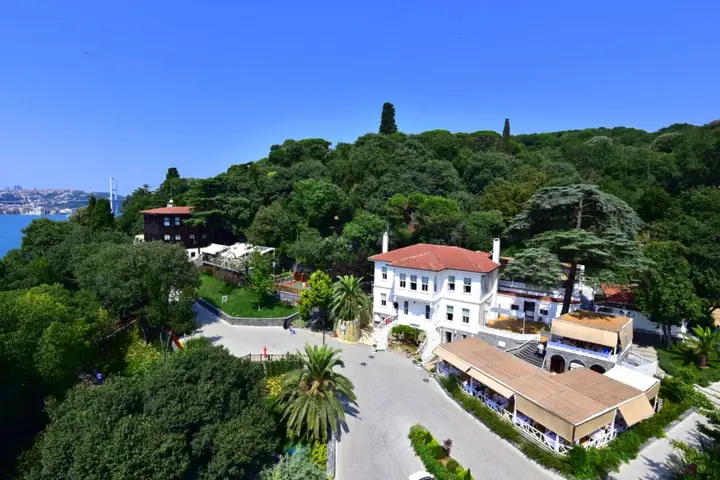
Fethi Paşa Grove

A 16-hectare grove on the Bosphorus shore, covered with plane, oak and pine trees. From the grove, the Bosphorus Bridge and a magnificent view of the Historic Peninsula can be seen.

View on map
Religious

Atik Valide Complex

A complex commissioned from Mimar Sinan by Nurbanu Sultan between 1570 and 1579.

View on map
Nature

Greater and Lesser Çamlıca Hills

A recreation and leisure area, with arrangements made on the Greater and Lesser Çamlıca hills.

View on map

Places to Visit Around Istanbul Province

See all →

While you are in Üsküdar, you can also see the highlights of Istanbul province. These places are in other districts.

  • Hagia Sophia (Ayasofya-i Kebir Mosque) — Built by the Byzantine emperor Justinian between 532 and 537, this was the largest cathedral in the world for about a thousand years; it was converted into a mosque in 1453 and a museum in 1934, and reopened for worship as a mosque in 2020. With its dome 55 metres high and its Byzantine mosaics, it is one of the turning points in the history of architecture.
  • Topkapı Palace — Built by Mehmed the Conqueror at Sarayburnu in the 1460s, the palace was the seat of government and residence of the Ottoman sultans for about 400 years; with its Harem, Treasury, Holy Relics and courtyards, it is now a museum.
  • Sultan Ahmed Mosque (Blue Mosque) — A six-minaret mosque built for Ahmed I between 1609 and 1616 by the architect Sedefkâr Mehmed Ağa; it is also known as the Blue Mosque because of the more than 20,000 İznik tiles decorating its interior.
  • Basilica Cistern (Yerebatan Sarnıcı) — A vast underground cistern built in the 6th century under Justinian and carried on 336 columns; the Medusa heads under two of the columns are its most famous corner.
  • Süleymaniye Mosque — Built by Mimar Sinan for Suleiman the Magnificent between 1550 and 1557, the mosque stands at the centre of a large complex with madrasas, a hospital, a soup kitchen and tombs; its silhouette on the hill overlooking the Golden Horn is one of the symbols of the city.
  • Grand Bazaar (Kapalıçarşı) — One of the oldest and largest covered markets in the world, made up of more than 60 streets and thousands of shops that grew up around the bedestens built under Mehmed the Conqueror; carpets, jewellery, copperware and leather goods are sold.

Practical Information for Visiting Üsküdar

Suggested time
1–2 days
Best time to visit
Spring and autumn (April–June, September–November)
Places to visit
7 places

What to Eat in Üsküdar

Food guide →
  • Üsküdar İskembe Çorbası

    Üsküdar's historic tripe soup shops stay open late into the night, serving tripe soup with garlic and vinegar. It is an indispensable flavour of Istanbul's night-time culture.

  • Kanaat Lokantası Yemekleri

    Serving since 1933, Kanaat Lokantası offers traditional Turkish home cooking. Beğendili kebap, hünkar beğendi and sütlaç are the most popular menu items.

  • Fish

    Many fish restaurants are found in the neighbourhoods along the Bosphorus shore.

Culture, Local Products and Economy of Üsküdar

  • Ottoman Religious Architectural Heritage

    Üsküdar is one of the rare districts with several works by Mimar Sinan. The Mihrimah Sultan, Şemsi Paşa and Atik Valide mosques are masterpieces of Ottoman religious architecture.

  • Bosphorus Shore Life

    With its seafront promenades, tea gardens and ferry pier along the Bosphorus shore, Üsküdar is one of Istanbul's most peaceful neighbourhoods.

Local Products

  • Üsküdar Tiles — The İznik tiles used in Üsküdar's historic mosques are among the finest examples of Ottoman art.

Economy

Üsküdar is one of the oldest and most populous districts on Istanbul's Anatolian side. Trade, services and tourism are its main sources of income.

How to Get to Üsküdar

Üsküdar is connected to every part of Istanbul by Marmaray, metro (M5 Üsküdar–Çekmeköy), ferry and bus lines.

Get directions on Google Maps Getting to Istanbul

Üsküdar: Frequently Asked Questions

What are the places to see in Üsküdar?

The 7 highlights of Üsküdar are: Çamlıca Hill, Maiden's Tower, Çamlıca Hill and Çamlıca Mosque, Mihrimah Sultan Mosque, Fethi Paşa Grove, Atik Valide Complex and the Greater and Lesser Çamlıca hills.

What to eat in Üsküdar?

Üsküdar İskembe Çorbası, Kanaat Lokantası Yemekleri and Fish are the standout dishes on Üsküdar's tables.

What is Üsküdar famous for?

Üsküdar is known for Üsküdar Tiles and its Ottoman Religious Architectural Heritage. The İznik tiles used in Üsküdar's historic mosques are among the finest examples of Ottoman art.

How do I get to Üsküdar?

Üsküdar is connected to every part of Istanbul by Marmaray, metro (M5 Üsküdar–Çekmeköy), ferry and bus lines.

How much time should I set aside for a visit to Üsküdar?

Suggested visit length: 1–2 days. Best time to visit: spring and autumn (April–June, September–November).

Continue Your Trip

Other Districts of Istanbul

Search 81 province guides and 968 district guides.