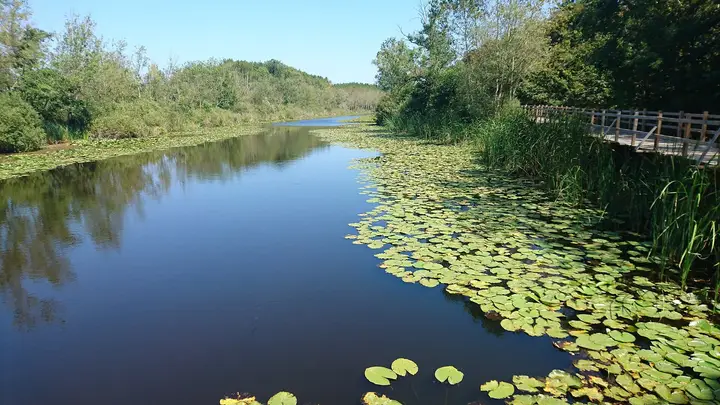
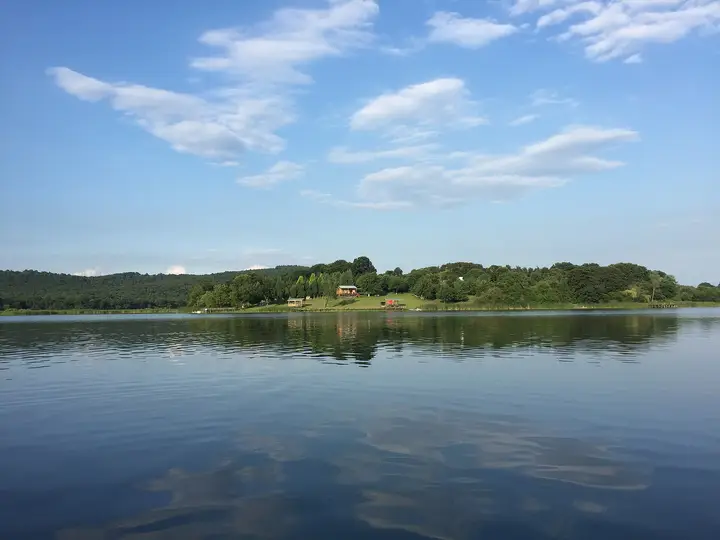
Sakarya is the green province between the Marmara and the Black Sea, with Lake Sapanca, the Sakarya River flowing into the Black Sea and Acarlar, Türkiye's largest unbroken floodplain forest. Highlights include the 430-metre Justinian Bridge built in the 6th century, Taraklı with its Ottoman houses, Lake Poyrazlar, the Kuzuluk hot springs and the Karasu–Kocaali beaches. Islama köfte, kabak tatlısı, Geyve quince and Taraklı boxwood spoons are registered products.

Share with friends

Last updated:

Places to Visit in Sakarya

12 places worth seeing in Sakarya, from historic monuments to natural wonders, grouped by type. Open any of them on the map with a single click.

  • 3 Historic
  • 2 Religious
  • 1 Museum
  • 3 Nature
  • 1 Beach
  • 2 Attraction

Historic Sites 3

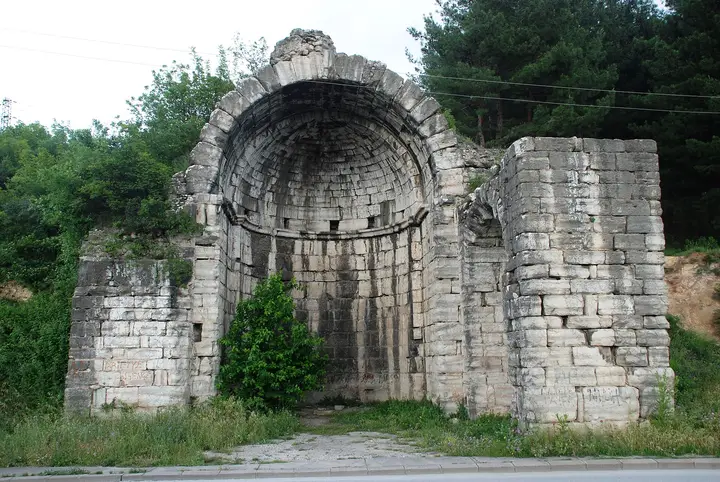
Justinian (Sangarius) Bridge Photo: Acar54 (CC BY-SA 3.0) · Source
Historic

Justinian Bridge (Beşköprü)

A stone bridge of about 430 metres, built by the Byzantine emperor Justinian I in 559–562; because the Sakarya River changed its course, it now stands over the Çark Stream. It was added to UNESCO's World Heritage Tentative List in 2018.

View on map
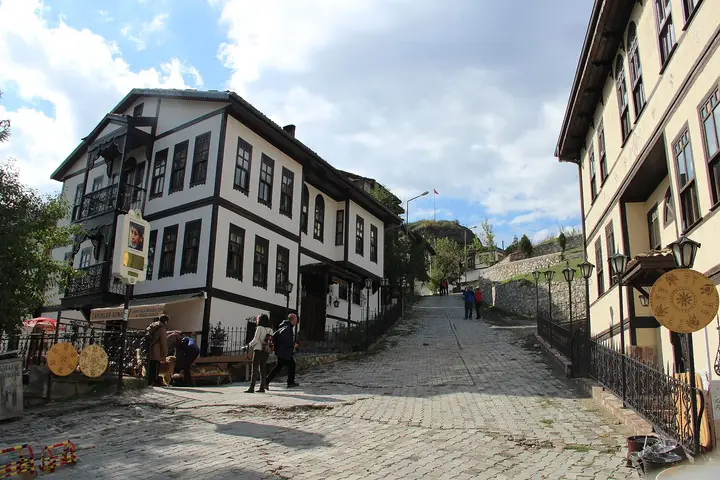
Historic houses of Taraklı
Historic

Taraklı

A district in the south-east of the province that has preserved its Ottoman townscape with mansions more than three centuries old; it is known for making boxwood spoons and combs.

View on map
Historic

Bayezid II Bridge

An Ottoman bridge over the Sakarya River at Alifuatpaşa, a town in Geyve, built by Bayezid II; it has 15 arches and is 196.5 metres long.

View on map

Religious Buildings 2

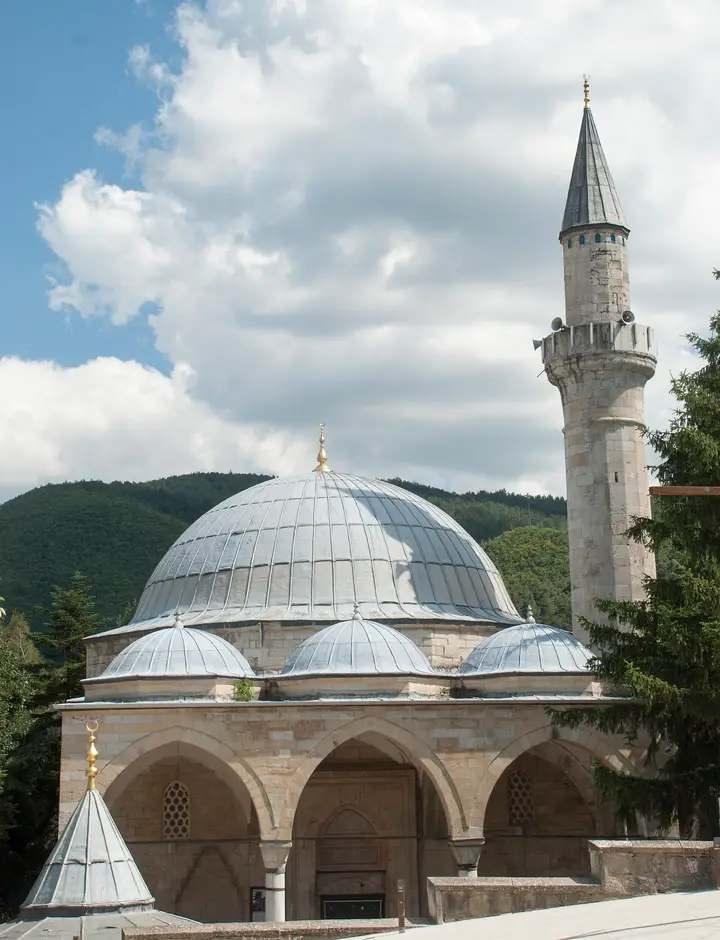
Yunus Paşa Mosque, Taraklı Photo: Acar54 (CC BY-SA 4.0) · Source
Religious

Yunus Paşa Mosque

A domed, lead-roofed mosque in Taraklı built in 1517 by Grand Vizier Yunus Paşa; locally it is known as the Kurşunlu Mosque (Lead Mosque).

View on map
Religious

Orhan Mosque

A domeless mosque with a wooden roof in the centre of Adapazarı, said to have been built in the name of Orhan Gazi and renovated in 1893–1894.

View on map

Museums 1

Museum

Sakarya Museum

A museum opened in 1993 in a house built in 1915, where Atatürk stayed in 1922 and met his mother Zübeyde Hanım; it displays archaeological and ethnographic items.

View on map

Natural Wonders 3

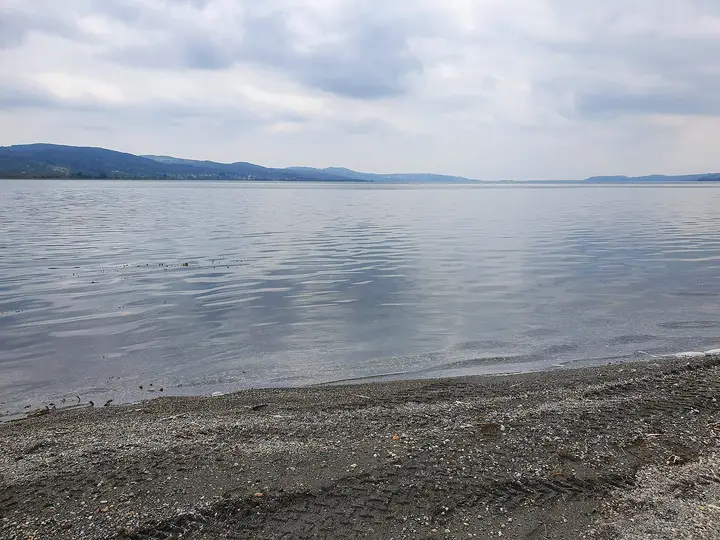
Sapanca Lake Photo: Antoloji (CC BY-SA 4.0) · Source
Nature

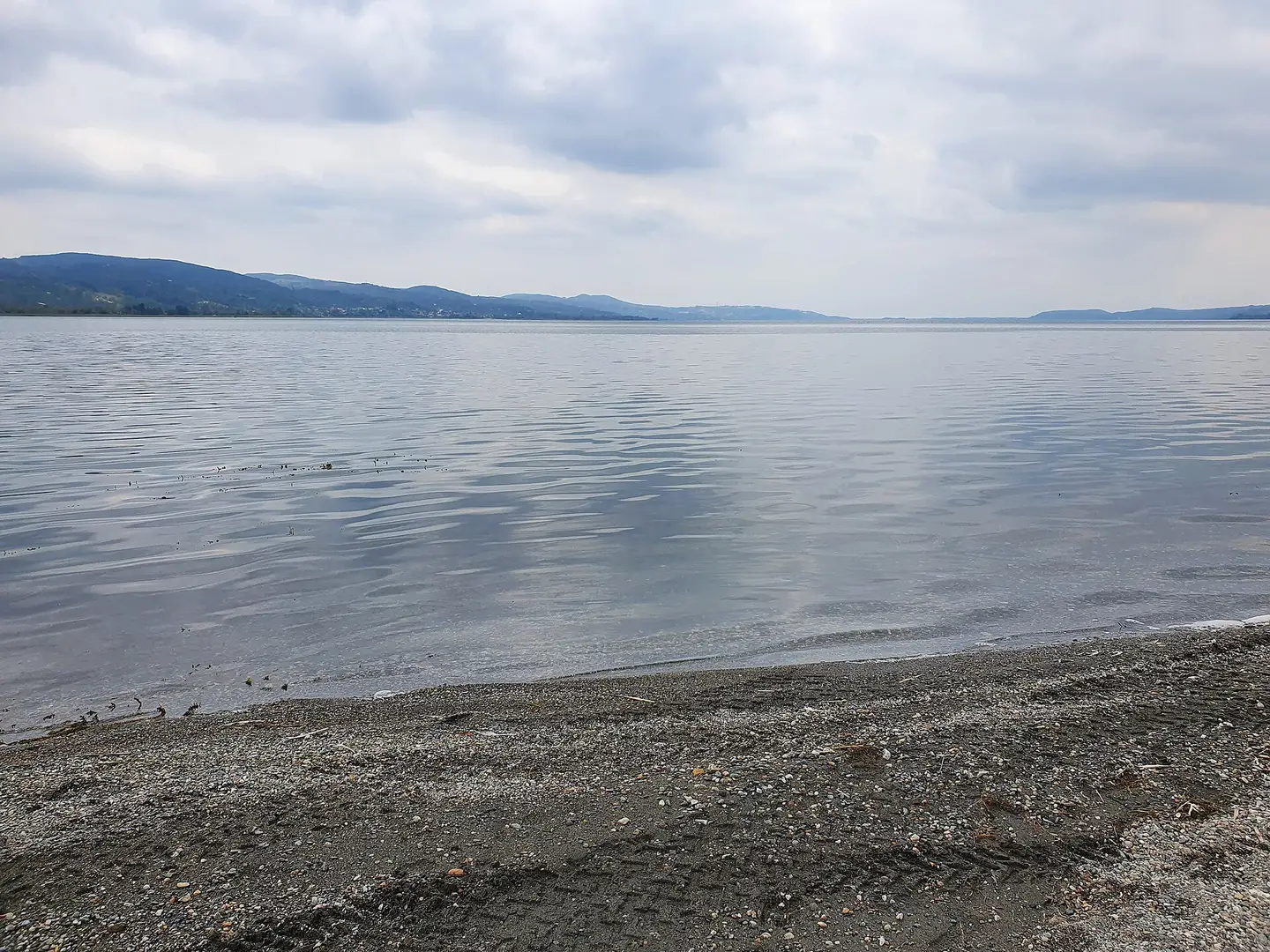
Sapanca Lake

A tectonic freshwater lake 12 km west of Sakarya city centre, 16 km long and covering 46.9 km²; its deepest point is 61 metres. The eastern part lies in Sakarya and the western part in Kocaeli.

View on map
Acarlar Floodplain Forest Photo: Mustafa Akça (CC BY-SA 4.0) · Source
Nature

Acarlar Floodplain Forest

Between Karasu and Kaynarca, Türkiye's largest unbroken floodplain (longoz) forest, 7.5 km long; it has been a first-degree natural site since 1998 and is a breeding and wintering ground for migratory birds.

View on map
Poyrazlar Lake Photo: Barış Kısacık (CC BY-SA 4.0) · Source
Nature

Poyrazlar Lake

A 67-hectare barrier lake 7–8 km north-east of Adapazarı, formed when the Sakarya River changed its course; 154 bird species have been recorded on its forest-fringed shore.

View on map

Beaches and Coves 1

Beach

Kocaali and Karasu Beaches

Wide sandy beaches stretching along the Black Sea coast; the sandy beach at Kocaali is 14 km long.

View on map

Attractions 2

Attraction

Çark Suyu and Millet Bahçesi (National Garden)

The urban bank of the 45-km stream that carries the surplus water of Sapanca Lake to the Sakarya River; a 16.3-metre-diameter wooden waterwheel, which once supplied the city's water, has been rebuilt and placed here.

View on map
Attraction

Kuzuluk Hot Springs

A thermal tourism centre at Kuzuluk, in the Akyazı district, known for its spa houses.

View on map

Getting to Know Sakarya

Sakarya lies in the east of the Marmara Region, on the fertile plain where the Sakarya River, from which it takes its name, reaches the Black Sea. After passing the Geyve Gorge and irrigating the Adapazarı Plain, the 824-km river empties into the sea at Karasu. Lake Sapanca, in the west of the province, is a tectonic lake set in a depression created by the North Anatolian Fault.

In antiquity the land lay in the region of Bithynia and, in Roman and Byzantine times, on the road linking the capital Constantinople with the east. The Sangarius (Justinian) Bridge, built by the Byzantine emperor Justinian I in 559–562, is the most magnificent structure on that road. In the late 13th century the region became part of Ottoman territory through the conquests of Konur Alp; in memory of these conquests many Orhan Mosques were built across the province.

Adapazarı, for many years a district of Kocaeli, became a provincial centre in 1954 under the name Sakarya. The earthquake of 17 August 1999 caused great destruction in the city; according to official records, 3,988 people died in Adapazarı. Today Sakarya is a province with strong automotive, rail-systems and machinery industries and hazelnut and maize farming.

When to Go

Sakarya has a transitional climate between the Black Sea and Marmara: summers are hot, and winters are mild and rainy. Averages for 1951–2025 from the Turkish State Meteorological Service:

Month Avg. high Avg. low Rainfall Rainy days
January 10.0 °C 3.1 °C 93 mm 15
February 11.2 °C 3.4 °C 76 mm 14
March 14.0 °C 4.7 °C 75 mm 14
April 19.0 °C 8.2 °C 59 mm 11
May 23.6 °C 12.3 °C 53 mm 10
June 27.7 °C 16.0 °C 74 mm 9
July 29.6 °C 18.1 °C 50 mm 6
August 29.7 °C 18.2 °C 48 mm 6
September 26.5 °C 14.6 °C 52 mm 7
October 21.5 °C 11.2 °C 79 mm 11
November 17.0 °C 7.7 °C 77 mm 12
December 12.1 °C 5.2 °C 106 mm 16

The best periods are April to June and September to October. Sapanca and Taraklı can be visited in any season; in autumn the forests around the lake change colour. July and August are best for the Karasu and Kocaali beaches, and spring and summer for the water lilies and birds of Acarlar Floodplain Forest.

How to Get to Sakarya

By road: Sakarya lies on the Anatolian Motorway (Istanbul–Ankara), about 150 km from Istanbul. The shore of Lake Sapanca is a few minutes from the motorway.

By train: The Ankara–Istanbul high-speed rail line passes through the province, with a station at Arifiye. The Adaray commuter train links Arifiye with the centre of Adapazarı.

By air: The nearest airports are Istanbul Sabiha Gökçen and Kocaeli Cengiz Topel.

Sakarya Area by Area

  • Adapazarı and Serdivan: Millet Bahçesi (National Garden) on the bank of the Çark Suyu with its rebuilt wooden waterwheel, the Orhan Mosque, the Sakarya Museum; the Justinian Bridge over the Çark Stream.
  • Sapanca and Arifiye: The shore of Lake Sapanca, bungalows and lakeside walks; fish restaurants at Kırkpınar.
  • Karasu, Kaynarca and Kocaali: Acarlar Floodplain Forest, the mouth of the Sakarya River and the Black Sea beaches; the 14-km sandy beach at Kocaali.
  • Taraklı, Geyve and Pamukova: The Ottoman houses and Yunus Paşa Mosque of Taraklı, Geyve quince, the Bayezid II Bridge at Alifuatpaşa, Pamukova melon.
  • Akyazı, Hendek and Karapürçek: The Kuzuluk hot springs, hazelnut orchards and persimmons.

Suggested Itineraries

Day 1 – Adapazarı and Sapanca: In the morning, the Justinian Bridge and the Sakarya Museum; for lunch, ıslama köfte and kabak tatlısı. In the afternoon, Lake Poyrazlar, and in the evening sunset on the shore of Lake Sapanca.

Day 2 – The Black Sea coast: A boat trip or walk in Acarlar Floodplain Forest; then, at Karasu, the point where the Sakarya River meets the sea, and the beach.

Day 3 – Taraklı: To Taraklı via Geyve; the historic houses, Yunus Paşa Mosque, the boxwood spoon workshops and uğut tatlısı.

Sakarya Cuisine

Sakarya cuisine is enriched by the cuisines of Manav, Bosniak, Abkhaz, Georgian and Balkan migrants. The registered delicacies with geographical indications are Adapazarı ıslama köftesi (bread-soaked meatballs), Adapazarı dartılı keşkek (keşkek with dartı), Adapazarı kabak tatlısı (squash dessert), Sakarya Kazımpaşa köftesi, Sakarya üre tatlısı (üre dessert), Sakarya Abaza acıkası (Abkhaz hot sauce), Sakarya Abhaz (Abaza) peyniri (Abkhaz cheese), Taraklı uğut tatlısı (uğut dessert) and Pamukova ceviz ezmesi (walnut paste). The products are Geyve ayvası (Geyve quince), Pamukova kavunu (Pamukova melon), Sapanca cevizi (Sapanca walnut), Taraklı enginarı (Taraklı artichoke), Adapazarı beyaz kestane kabağı (Adapazarı white chestnut squash), Kocaali Çamdağı kestane balı (Kocaali Çamdağı chestnut honey), Kocaali hurma kurusu (Kocaali dried persimmon) and Karapürçek cennet hurması pekmezi (Karapürçek persimmon molasses).

Handicrafts

The Taraklı şimşir kaşığı (Taraklı boxwood spoon) and Taraklı şimşir tarağı (Taraklı boxwood comb), both carved from boxwood, and the Sakarya süpürgesi (Sakarya broom) are registered geographical indications.

Practical Tips

  • The shore of Lake Sapanca is very crowded at weekends with visitors from Istanbul; if possible, go on a weekday.
  • Islama köfte is traditionally eaten with piyaz and kabak tatlısı.
  • Acarlar Floodplain Forest is a first-degree natural site; do not leave the marked paths.
  • Public transport to Taraklı is limited; it is easier to go by car.
Districts of Sakarya

Sakarya province has 16 districts. Explore the places to visit, local dishes and transport in each one.

What to Eat in Sakarya

All dishes →
  • Adapazarı Islama Köftesi (bread-soaked meatballs)

    Meatballs with a registered geographical indication, served on bread soaked in meat broth.

  • Adapazarı Dartılı Keşkek (keşkek with dartı)

    Keşkek, a wheat and meat dish, with a registered geographical indication.

  • Adapazarı Kabak Tatlısı (white squash dessert)

    A dessert made with white chestnut squash and carrying a registered geographical indication.

  • Sakarya Kazımpaşa Köftesi

    Meatballs with a registered geographical indication.

  • Taraklı Uğut Tatlısı (uğut dessert)

    A dessert with a registered geographical indication.

  • Sakarya Abaza Acıkası (Abkhaz hot sauce)

    A hot sauce from Abkhaz cuisine, with a registered geographical indication.

What to eat in Sakarya: the full food guide

Sakarya: Frequently Asked Questions

What are the best places to visit in Sakarya?

The main stops are Sapanca Lake, the Justinian Bridge, Acarlar Floodplain Forest, Poyrazlar Lake, the houses and Yunus Paşa Mosque of Taraklı, the Sakarya Museum, the Kuzuluk hot springs and the Karasu–Kocaali beaches.

What is Sakarya famous for?

Islama köfte, kabak tatlısı, Geyve quince, Pamukova melon, Taraklı boxwood spoons and Sapanca Lake.

Are Mudurnu and Maşukiye in Sakarya?

No. Mudurnu is in Bolu province, and Maşukiye is in the Kartepe district of Kocaeli.

Why is the Justinian Bridge not over water?

The bridge was built over the Sakarya River in the 6th century; as the river gradually changed its course, it now stands over the Çark Stream.

When is the best time to visit Sakarya?

April to June and September to October are the best periods; July and August are preferred for the sea.

More from the Sakarya Guide

Other Provinces in the Marmara Region

Sources

The information in this guide has been compiled from and checked against the sources below (last checked: 8 October 2026). If you spot an error, please let us know.

  1. Vikipedi – Sakarya
  2. Meteoroloji Genel Müdürlüğü – Sakarya il istatistikleri
  3. Vikipedi – Sapanca Gölü
  4. Vikipedi – Justinianus Köprüsü
  5. Vikipedi – Acarlar Longozu
  6. Vikipedi – Poyrazlar Gölü
  7. Vikipedi – Taraklı
  8. Vikipedi – Sakarya Müzesi
  9. Vikipedi – Çark Suyu
  10. Vikipedi – Adapazarı
  11. TÜRKPATENT – Adapazarı Islama Köftesi
  12. TÜRKPATENT – Geyve Ayvası
  13. TÜRKPATENT – Taraklı Şimşir Kaşık
  14. Vikipedi – Türkiye'de tescilli coğrafi işaretler listesi

Search 81 province guides and 968 district guides.