 Photo: Nabbegat (CC BY-SA 4.0) · Source
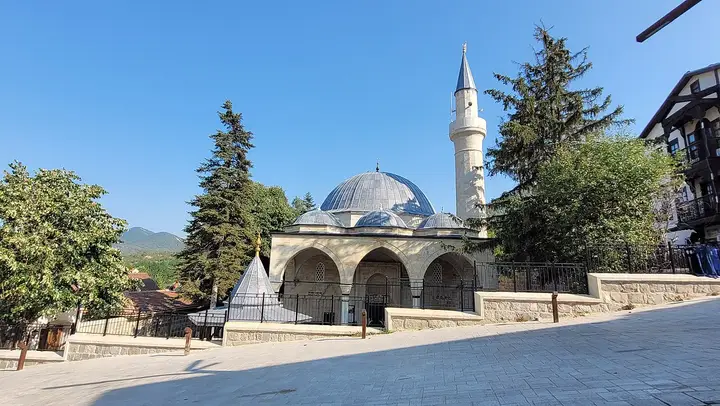
 Yunus Paşa Mosque
A square-plan mosque in classical style with a single minaret, completed in 1517 during Yavuz Sultan Selim's Egyptian campaign.
View on map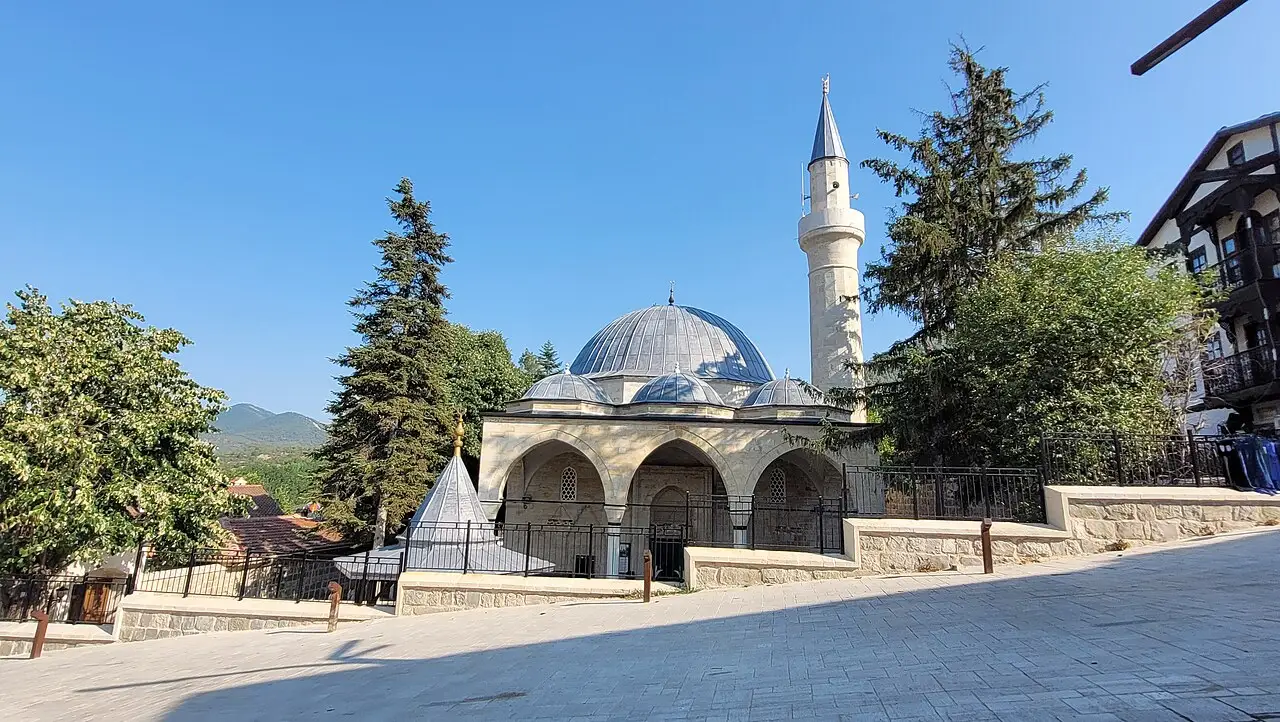 Photo: Nabbegat (CC BY-SA 4.0) · Source
 5 places to visit in the Taraklı district of Sakarya: Yunus Paşa Mosque, Taraklı Historic Houses and Hisar. Plan your trip to Taraklı with local food, practical tips and transport information.
Taraklı is a district in the south-east of Sakarya Province. Previously a bucak attached to Geyve district, it gained district status on 27 June 1987. The district covers 292 km².
Taraklı is a region known in the Hellenistic period as Bytinia. Two cisterns dating between 2000 and 1000 BC are found at Hisartepe. Its incorporation into Ottoman lands took place under Samsa Çavuş during the time of Ertuğrul Gazi. The Yunus Pasha Mosque was completed in 1517 during Yavuz Sultan Selim’s Egyptian campaign. Taraklı, which held the title of Sakin Kent (Quiet Town) in 2011, was removed from this list in 2022 because of unpaid membership dues. It is known for its historic houses reflecting Ottoman architecture, its narrow streets and its natural beauty.
The historic houses of Taraklı have survived at least as well as those of Safranbolu. Unlike Safranbolu, Taraklı’s mansions are set in lush green nature. The historic inn, located on the Silk Road, shows that caravans stayed in Taraklı. The streets are built in the style of Arnavut Kaldırımı (cobbled-street) architecture. In the Yusuf Bey Quarter of the district, a 7-century-old plane tree passes Ottoman culture on to future generations.
Taraklı received the title of Sakin Kent (Quiet Town) in 2011. Taraklı became a district in 1987, changing from a bucak attached to Geyve.
Last updated:
Photo: Nabbegat (CC BY-SA 4.0) · Source A square-plan mosque in classical style with a single minaret, completed in 1517 during Yavuz Sultan Selim's Egyptian campaign.
View on mapHistoric mansions and houses at least 3 centuries old, three storeys high, reflecting the Ottoman urban fabric.
View on mapOn Hisar Hill, of strategic importance for the defence of the district, there are water cisterns dating from 2000–1000 BC.
View on mapA surviving historic housing fabric, said to be comparable to the houses of Safranbolu.
View on mapA plateau within the boundaries of Taraklı, close to Karagöl Plateau.
View on mapWhile you are in Taraklı, you can also see the highlights of Sakarya province. These places are in other districts.
Taraklı Şimşir Kaşık was registered as a protected geographical indication on 9 August 2021 (TÜRKPATENT registration no. 830). Product group: handicrafts other than carpets, kilims and textiles. Registered by: Sakarya Chamber of Commerce and Industry.
Taraklı Uğut Tatlısı was registered as a protected geographical indication on 27 July 2021 (TÜRKPATENT registration no. 809). Product group: bakery and pastry products, dough products, desserts. Registered by: Sakarya Chamber of Commerce and Industry.
Taraklı is one of Türkiye's first places to hold the Cittaslow (Slow City) title. The philosophy of slow living, protection of local products and sustainable tourism shape the district's cultural identity.
With its historic houses, mosques and hammam, Taraklı offers one of the best-preserved examples of Ottoman civil architecture.
Taraklı's economy is based on tourism, agriculture and handicrafts. The Cittaslow title brings tourism income to the district. Organic farming and beekeeping are developing. Traditional comb-making continues.
Taraklı is 70 km from Adapazarı. It is reached by road via Geyve. It is also close to Göynük (Bolu) and Bilecik.
The 5 highlights of Taraklı are Yunus Paşa Mosque, Taraklı Historic Houses, Hisar, Taraklı Houses and Belengerme Plateau.
Taraklı Şimşir Kaşık and Taraklı Uğut Tatlısı are the standout flavours on Taraklı's tables.
Taraklı is known for Taraklı Enginarı (artichoke) and the Cittaslow (Slow City) culture. It is registered with TÜRKPATENT as a protected geographical indication.
Taraklı is 70 km from Adapazarı. It is reached by road via Geyve. It is also close to Göynük (Bolu) and Bilecik.
Suggested time for a visit: 1–2 days. Best time to visit: spring and autumn (April–June, September–November).