İznik is a district of Bursa Province, and the town that is the seat of the district. It lies on the eastern shore of İznik Lake, to the north-east of Bursa, and according to 2025 TÜİK data its population is 45,510.
History
The first settlement in İznik is thought to date back to around 2500 BC. In 316 BC the town was renamed Antigoneia by Antigonus I Monophthalmus, a general of Philip III of Macedon. After a siege between 1328 and 1331, it was taken by the Ottoman State. Under Ottoman rule, İznik became a centre of art, trade and culture.
İznik Tilemaking
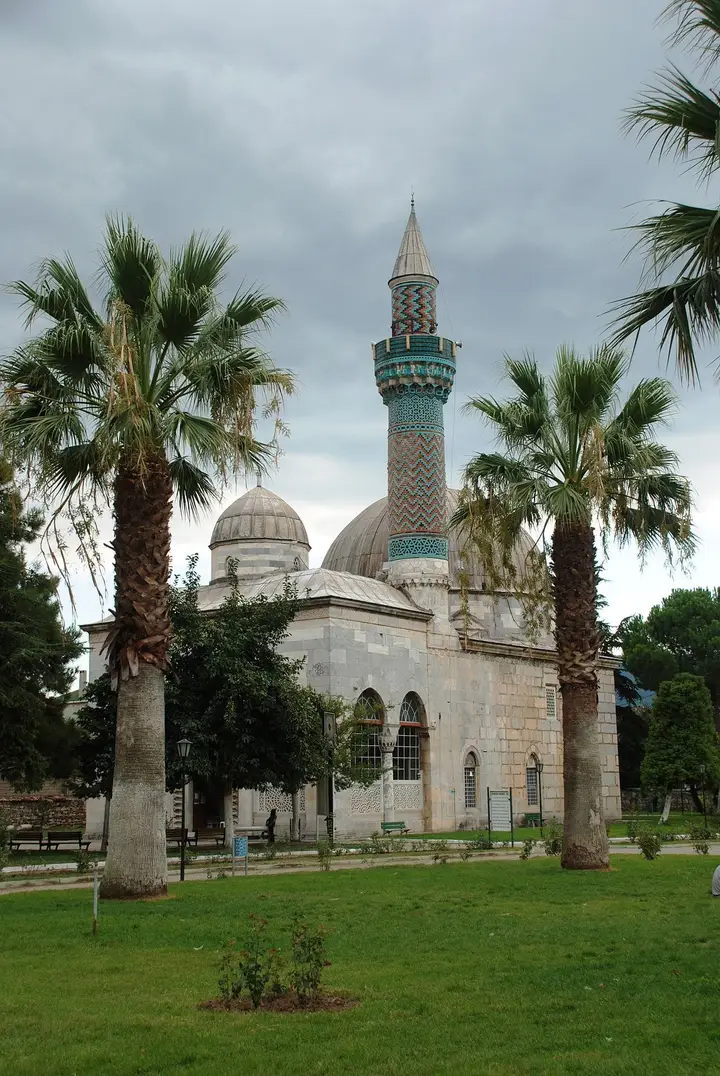
İznik tilemaking, which took an important place in Ottoman art from the middle of the 15th century, covers the tiles and ceramics produced in İznik. Developing under the influence of the Seljuk tile tradition, it revived during the reign of Murad II and reached its peak in the 16th century. Towards the end of the 17th century, İznik production declined and was replaced by Kütahya tilemaking.
Economy
Among the agricultural products grown in İznik, olives rank first as a source of income for 70% of farming families. The Müşküle grape, a local product, is still grown in the district.
History and Culture
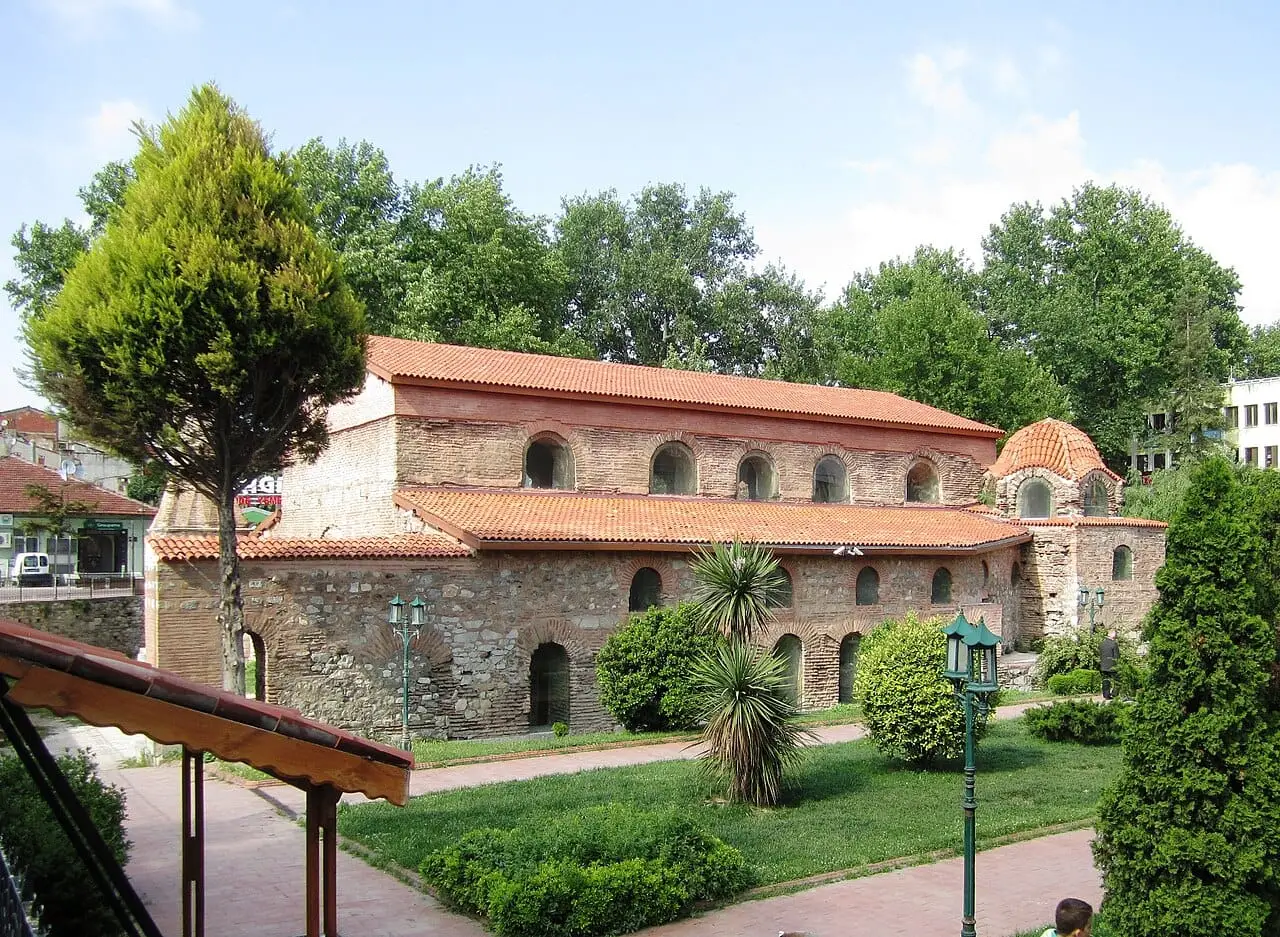
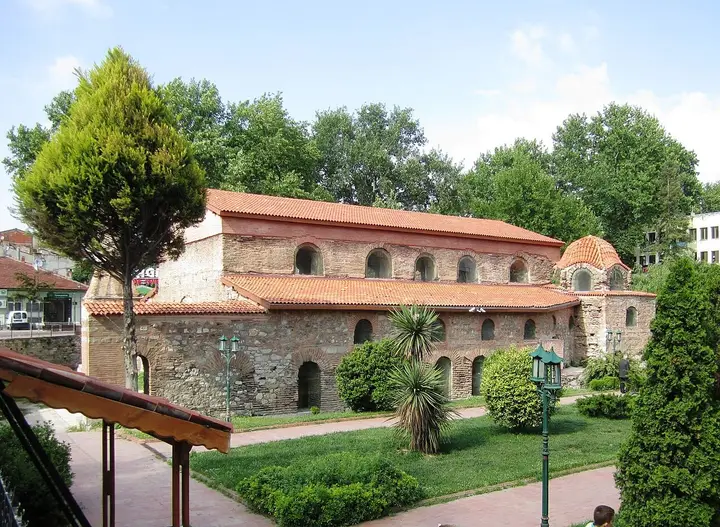
İznik joined the Cittaslow network on 27 November 2021. İznik hosted the First Council of Nicaea in 325. The art of İznik tilemaking reached its peak in the 16th century, when it was used in the works of Mimar Sinan. İznik Ayasofya has been on UNESCO’s World Heritage Tentative List since 2014.