Orhaneli Thermal Baths
The thermal springs close to the district centre have water at 60°C that is rich in minerals. They are believed to be good for rheumatism, skin conditions and respiratory ailments.
View on map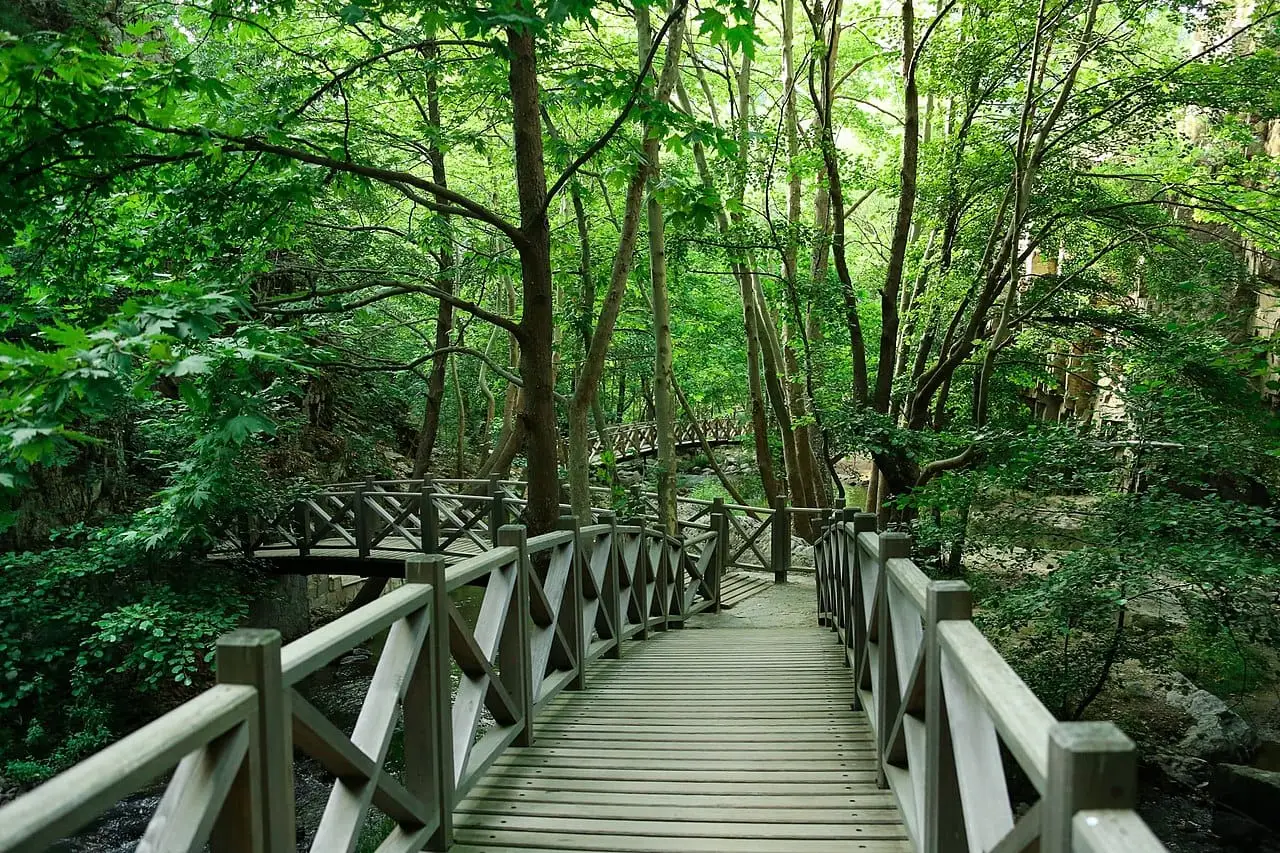 Photo: Ouzannnn (CC BY-SA 4.0) · Source
 7 places to visit in the Orhaneli district of Bursa: Orhaneli Thermal Baths, Sadağı Canyon Nature Park and Orhaneli Castle. Plan your trip to Orhaneli with local food, practical tips and transport information.
The old name of Beyce, the centre of the district, was used until 1934. It was a bishopric centre in the Eastern Roman period. The district was taken into the Ottoman Principality in 1325 by Turgut Alp on the orders of Orhan Bey, and the Durdu Bey Mosque in the centre takes its name from this commander.
Orhaneli lies on the rugged lowlands south of Bursa, and its mountainous areas are covered with beech, Turkish pine, black pine, oak and juniper forests. The district has a mild Mediterranean climate combined with the continental climate of the Aegean and Marmara regions.
The district’s economy is based on farming and livestock. Strawberries and sour cherries are grown and exported. Livestock, particularly sheep, provides significant income. The district’s land contains various mineral deposits, including chromium, lignite, magnesite, asbestos, dolomite, marble, talc, calcite and feldspar.
Orhaneli was a bishopric centre in the Byzantine period. The district was taken in 1325 during the time of Orhan Gazi by an army under the command of Turgud Alp. Following a decision of the provincial general assembly in 1934, the name Beyce was changed.
Last updated:
The thermal springs close to the district centre have water at 60°C that is rich in minerals. They are believed to be good for rheumatism, skin conditions and respiratory ailments.
View on map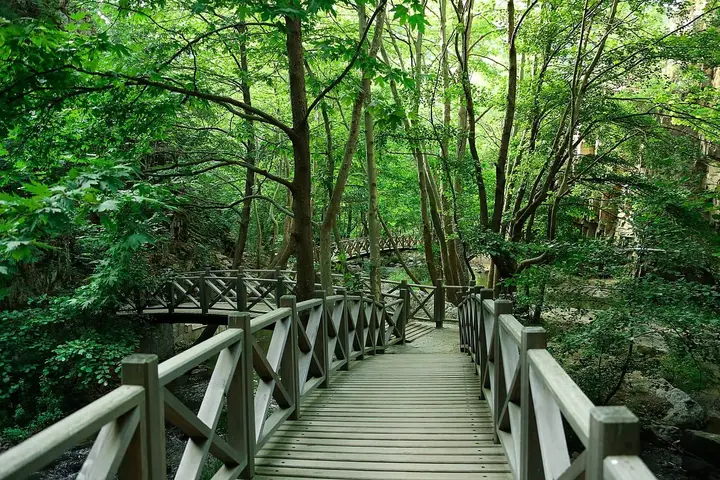 Photo: Ouzannnn (CC BY-SA 4.0) · Source
 Sadağı Canyon, south of Orhaneli, is a favourite of nature lovers, with its deep valley, waterfalls and rich vegetation. Walking routes and photography spots line the canyon.
View on mapThe Byzantine-era castle ruins stand on the hill above the upper part of the district centre. The castle, which was also used in the Ottoman period, offers views of the surrounding countryside.
View on mapBuilt in the Ottoman period, this mosque is the oldest place of worship in the district centre. Its stone and wood craftsmanship reflects traditional Ottoman provincial architecture.
View on mapThe area around Çınarlı village, south-west of Orhaneli, is covered with pine and beech forests. It has suitable areas for camping, nature walks and birdwatching.
View on mapRock thermal baths and a canyon near Sadağı village, which is attached to Orhaneli.
View on mapWhile you are in Orhaneli, you can also see the highlights of Bursa province. These places are in other districts; Orhaneli is about 65 km from the provincial centre.
Prepared by cooking and pounding cracked wheat and lamb for hours. It is the traditional dish of weddings and festival feasts in Orhaneli.
Small pieces of dough filled with minced meat are boiled and served with a yoghurt and garlic sauce. Orhaneli mantı is known for its thin dough and generous filling.
Yufka dough filled with cheese, spinach or potato is cooked on a griddle. It is a traditional treat often prepared at village markets and at home.
The district takes its name from Orhan Gazi, son of Osman Gazi, founder of the Ottoman Empire. The historic link to the founding period of the Ottomans forms the basis of the district's identity.
Orhaneli's extensive forest areas have shaped the way of life of local people. Woodcutting, beekeeping and gathering forest products are traditional livelihoods.
Orhaneli's economy rests on forestry, mining and agriculture. Lignite mining is the district's most important economic activity, and the Orhaneli Thermal Power Plant supplies energy to the region. Honey and timber from the pine forests are important sources of income. Wheat, barley and pulses are grown in farming.
Orhaneli is 65 km from Bursa city centre. Transport is by road; regular minibus services run from the Bursa intercity bus terminal. The nearest airport is Bursa Yenişehir Airport (around 95 km).
The highlights of Orhaneli are 7 places: Orhaneli Thermal Baths, Sadağı Canyon Nature Park, Orhaneli Castle, Orhaneli Çarşı Mosque, Çınarlı Village Nature Area, Sadağ Canyon and Thermal Baths and Durdu Bey Mosque.
Keşkek, Mantı and Gözleme are the standout flavours on Orhaneli's tables.
Orhaneli is known for its Pine Honey and its Orhan Gazi Heritage. Pine honey obtained from Orhaneli's extensive pine forests is known for its dark colour and distinctive aroma.
Orhaneli is 65 km from Bursa city centre. Transport is by road; regular minibus services run from the Bursa intercity bus terminal. The nearest airport is Bursa Yenişehir Airport (around 95 km).
Suggested visit length: 1 day. Best time to visit: spring and summer.