7 places to visit in the Bodrum district of Muğla: Bodrum Castle (Underwater Archaeology Museum), Mausoleum at Halicarnassus (Halikarnas Mozolesi) and Ancient Theatre. Plan your trip to Bodrum with local food, practical tips and transport information.

Share with friends

The district covers 650 km². The average altitude of Bodrum district centre above sea level is 8 metres.

Etymology and History

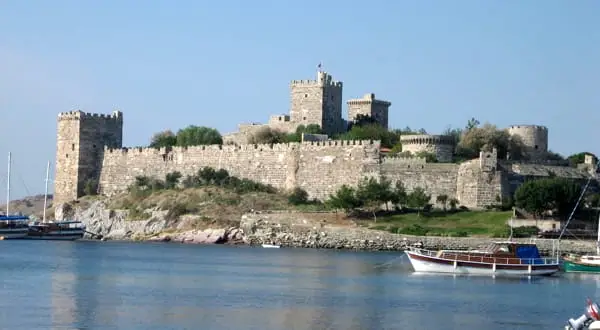
Bodrum is a meeting point of Greek and Anatolian civilisations. Archaeological finds from many civilisations, including the Leleg, Carian, Persian, Dorian, Hellenic, Roman, Byzantine and Ottoman, point to seven thousand years of history in the region. In antiquity Bodrum was one of the most important harbour cities of the Caria region, and figures such as Herodotus and Artemisia I lived here. The Mausoleum at Halicarnassus, one of the Seven Wonders of the Ancient World, was built in the city, and marble from the mausoleum, which was destroyed by earthquakes and invasions, was used in the construction of Bodrum Castle. Bodrum Castle was built by Christian Knights in the 15th century and completed over a period of 100 years.

Geography

Bodrum lies in the western corner of Muğla Province. Most of the district is on a peninsula that bears its name, and it is surrounded by the Aegean Sea on three sides.

Culture

Since 2003, the International Bodrum Ballet Festival has been held every summer; it is Türkiye’s first and only ballet festival. The International Bodrum Biennial has been held since 2014, and the Bodrum Baroque Music Festival since 2010.

History and Culture

In Bodrum, an International Ballet Festival has been held every summer since 2003. The Mausoleum was commissioned by Artemisia in memory of King Mausolus. Bodrum Castle has been on UNESCO’s World Heritage Tentative List since 2016.
Last updated:

Places to Visit in Bodrum

  • 4 Historic
  • 1 Ancient City
  • 1 Museum
  • 1 Nature
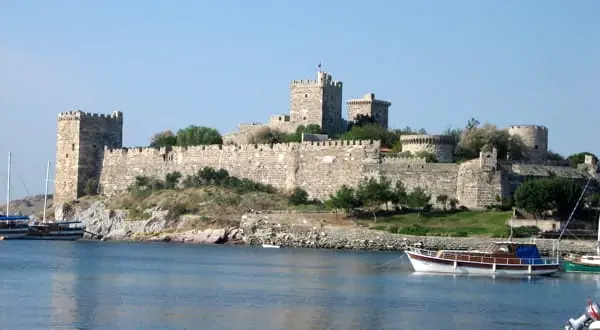
Bodrum Castle (Underwater Archaeology Museum) - Bodrum Photo: User: (WT-shared) Johnycanal at wts wikivoyage (CC BY-SA 1.0) · Source
Historic

Bodrum Castle (Underwater Archaeology Museum)

Built between 1402 and 1437 by the Knights of Saint John, the castle now houses one of the world's most important underwater archaeology museums. Finds from the Uluburun shipwreck, dating from the 14th century BC, and the glass collection from antiquity are the museum's most valuable pieces.

View on map
Mausoleum at Halicarnassus - Bodrum
Historic

Mausoleum at Halicarnassus (Halikarnas Mozolesi)

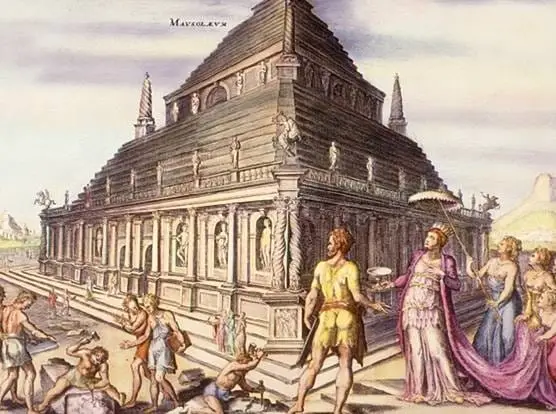
Built in 350 BC by Artemisia for Mausolus, King of Caria, this monument tomb is one of the Seven Wonders of the Ancient World. Its foundations and a scale model can be visited today; some of the original reliefs are in the British Museum.

View on map
Historic

Ancient Theatre

A 13,000-seat theatre built in the 4th century BC during the reign of King Mausolus, the best-preserved ancient structure in Bodrum. Its semicircular seating faces Bodrum Castle and the sea, and it hosts cultural events in the summer months.

View on map
Historic

Pedasa Ancient City

Leleg city near the Konacık Quarter of Bodrum, at 300 metres above sea level, dating from the 5th century BC. The remains of the Temple of Athena, city walls and rock tombs can be explored on a nature walk.

View on map
Nature

Bardakçı Cove

A small cove within walking distance of Bodrum centre, famous for its clear turquoise water. Sheltered from the wind, it offers a calm sea, and its view of Bodrum Castle makes it a favourite of photographers.

View on map
Ancient City

Yeni Myndos Ancient City

Ancient city at Gümüşlük, on the west of the Bodrum Peninsula.

View on map
Museum

Zeki Müren Art Museum

Museum set up in the house where the artist lived from 1980 to 1996.

View on map

Places to Visit Around Muğla Province

See all →

While you are in Bodrum, you can also see the highlights of Muğla province. These places are in other districts.

  • Bodrum Castle (Castle of St Peter) — A castle built by the Knights of St John around 1402, partly using stones from the Mausoleum of Halicarnassus.
  • Mausoleum of Halicarnassus — A monumental tomb built by Artemisia for her husband Mausolos, king of Caria, and counted among the Seven Wonders of the Ancient World.
  • Ölüdeniz — South of Fethiye, with its turquoise water and sheltered lagoon, this is Türkiye's most photographed beach.
  • Butterfly Valley (Kelebekler Vadisi) — A valley and beach south of Ölüdeniz, enclosed by sheer cliffs and reachable only by sea.
  • Kayaköy (Levissi) — A ghost village 8 km south of Fethiye, made up of hundreds of abandoned stone houses spread across a hillside, where Greeks lived until the 1923 population exchange.
  • Dalyan Canal and Kaunos — A reed-fringed canal linking Köyceğiz Lake to the sea, with the ancient city of Kaunos on its bank.

Practical Information for Visiting Bodrum

Suggested time
3-4 days
Best time to visit
May-October
Places to visit
7 places

What to Eat in Bodrum

Food guide →
  • Bodrum Çökertme Kebabı

    Bodrum Çökertme Kebabı was registered as a geographical indication on 14 August 2025 (TÜRKPATENT registration no. 1759). Product group: dishes and soups. Registered by: Bodrum Chamber of Commerce.

  • Bodrum Kebabı (lamb casserole)

    Lamb slowly cooked in a casserole with onion, tomato and pepper. The traditional winter dish of Bodrum, its flavour is enhanced by cooking in a wood-fired oven.

  • Çökertme Kebabı (fried beef with yoghurt and potatoes)

    A dish specific to Bodrum, made with finely minced beef that is fried and served on yoghurt and fried potatoes. It is among the geographically indicated dishes of Muğla.

  • Keşkek

    Cracked wheat and meat boiled for hours until they reach a porridge-like consistency. Keşkek, essential at weddings and festive tables, is listed on UNESCO's Intangible Cultural Heritage list.

  • Bodrum Ahtapot Pilavı (octopus pilaf)

    A type of seafood pilaf specific to Bodrum cuisine.

  • Bodrum Tarama

    A meze made with three ingredients, the main one being caviar.

Culture, Local Products and Economy of Bodrum

  • Bodrum Maritime Tradition

    Bodrum is where the concept of the 'blue voyage' (mavi yolculuk) was born in Türkiye. The blue voyage tradition started in the 1940s by the writer Cevat Şakir Kabaağaçlı (Halikarnas Balıkçısı, the Fisherman of Halicarnassus) has become a worldwide tourism brand.

  • Whitewashed Houses (Beyaz Badanalı Evler)

    The whitewashed stone houses with blue windows, the symbol of Bodrum, have been under protection since the 1970s. Buildings taller than two storeys are banned in the district, and this architectural fabric helped Bodrum be included on UNESCO's Tentative World Heritage List.

Local Products

  • Bodrum Guleti — Bodrum Guleti was registered as a geographical indication on 9 October 2024 (TÜRKPATENT registration no. 1647). Product group: other products. Registered by: Bodrum Chamber of Commerce.
  • Bodrum Mandarini (Bodrum mandarins) — Bodrum Mandarini was registered as a protected designation of origin on 20 November 2012 (TÜRKPATENT registration no. 162). Product group: processed and unprocessed fruits and vegetables, and mushrooms. Registered by: Bodrum Citrus Producers' Union.
  • Bodrum Tırhandili — Bodrum Tırhandili was registered as a geographical indication on 17 September 2025 (TÜRKPATENT registration no. 1776). Product group: other products. Registered by: Bodrum Chamber of Commerce.

Economy

Bodrum's economy relies heavily on tourism. In the district, whose population exceeds 1 million in summer, hotels, yacht tourism and the entertainment sector are the main sources of income. Gulet building, citrus fruits and olive growing are traditional livelihoods.

How to Get to Bodrum

Bodrum-Milas Airport is 36 km from the district, and there are heavy charter flights in the summer months. Bodrum is 270 km from İzmir and 110 km from Muğla. Ferries run from Bodrum Port to the Greek island of Kos.

Get directions on Google Maps Getting to Muğla

Bodrum: Frequently Asked Questions

What are the places to see in Bodrum?

The 7 highlights of Bodrum are: Bodrum Castle (Underwater Archaeology Museum), the Mausoleum at Halicarnassus, the Ancient Theatre, Pedasa Ancient City, Bardakçı Cove, Yeni Myndos Ancient City and Zeki Müren Art Museum.

What is there to eat in Bodrum?

Bodrum Çökertme Kebabı, Bodrum Kebabı, Çökertme Kebabı and Keşkek are the standout dishes on Bodrum tables.

What is Bodrum famous for?

Bodrum is known for Bodrum Guleti and its maritime tradition of the blue voyage. Bodrum Guleti is registered with TÜRKPATENT as a geographical indication.

How do I get to Bodrum?

Bodrum-Milas Airport is 36 km from the district, and there are heavy charter flights in the summer months. Bodrum is 270 km from İzmir and 110 km from Muğla. Ferries run from Bodrum Port to the Greek island of Kos.

How long should I spend in Bodrum?

Suggested visit length: 3-4 days. Best time to visit: May-October.

Continue Your Trip

Other Districts of Muğla

Search 81 province guides and 968 district guides.