 Photo: Mehmet Ali Acar (CC BY-SA 4.0) · Source
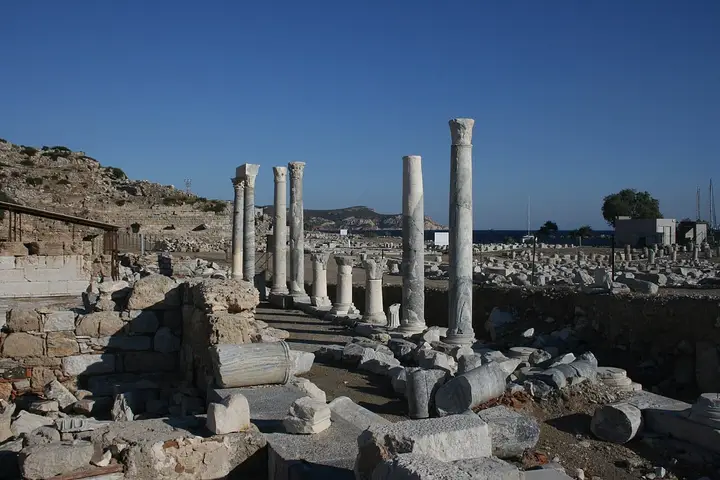
 Knidos Ancient City
Ancient settlement at the tip of the Datça Peninsula, moved there in the 4th century BC.
View on map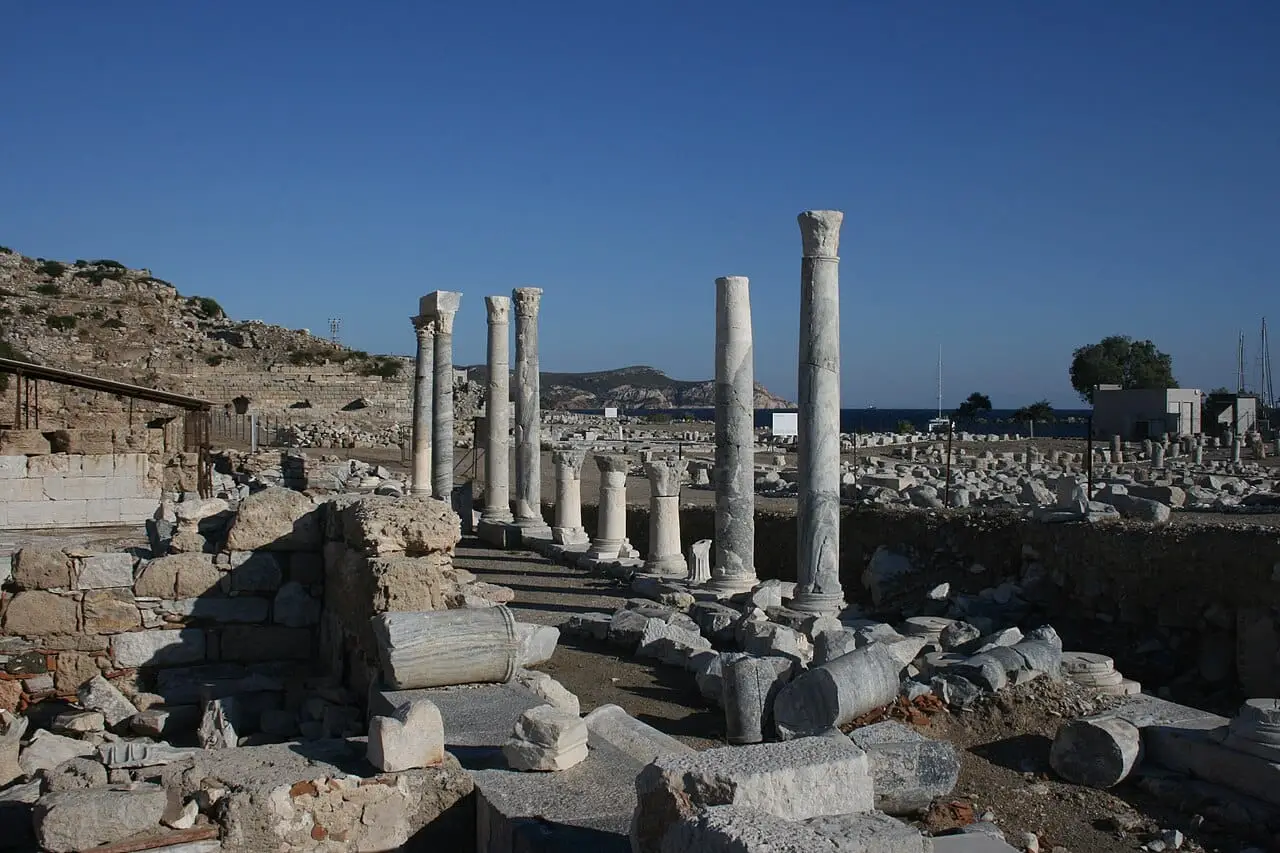 Photo: Mehmet Ali Acar (CC BY-SA 4.0) · Source
 7 places to visit in the Datça district of Muğla: Knidos Ancient City, Old Datça (Datça Quarter) and Palamutbükü Cove. Plan your trip to Datça with local food, practical tips and transport information.
The district covers 436 km². The average altitude of Datça district centre above sea level is 10 metres.
Finds on the Datça Peninsula go back to 2000 BC, and the first known native people were the Carians. Knidos was moved to the tip of the peninsula in the 4th century BC for commercial reasons. Strabo notes that Knidos was founded on the coast and on an island in front of it. Under Turkish rule, the peninsula was attached to the Menteşe Principality in the 13th century and was incorporated into the Ottoman Empire in the 15th century, when it took the name Datça. Datça became a district in 1928. Its first centre was Reşadiye Quarter, and in 1947 it moved to its present location, İskele Quarter.
The Datça Peninsula has a mountainous and rugged landscape, and its highest points are Bozdağ (1,174 m), Kalecik Dağı (881 m) and Karadağ (786 m). The peninsula’s 235 km coastline is decorated with 52 coves, large and small, like lace. Datça has a typical Mediterranean climate, with hot, dry summers and mild, rainy winters. On the peninsula, which is surrounded by sea on three sides, the cool northerly winds that blow in summer dispel the scorching heat.
Because of Datça’s rugged terrain, the land suitable for farming is limited, but in rural areas farming forms the basis of the economy. Almond production on sloping land is particularly important to the district’s economy, and Datça is among Türkiye’s leading almond producers.
Datça became a district in 1928, and its centre moved to İskele Quarter in 1947. The peninsula was attached to the Menteşe Principality in the 13th century and came under the Ottomans in the 15th century. The first excavations at Knidos were carried out by Charles Newton between 1856 and 1858. Knidos was a centre of culture and art as well as a centre of trade.
Last updated:
Photo: Mehmet Ali Acar (CC BY-SA 4.0) · Source Ancient settlement at the tip of the Datça Peninsula, moved there in the 4th century BC.
View on map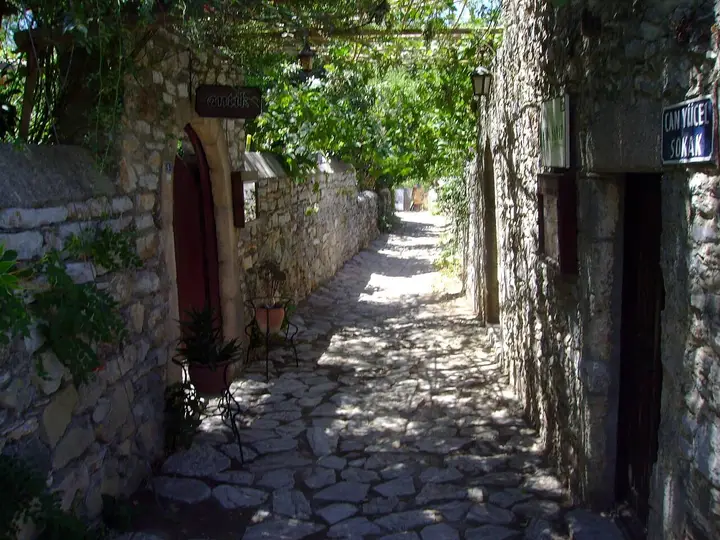 Photo: Semih Ekinci (CC BY-SA 3.0) · Source
 The historic centre of Datça, with stone houses, narrow streets and façades covered in bougainvillea. It has fine examples of Ottoman-era civil architecture. Restored houses now host boutique hotels, art galleries and cafés.
View on mapCove on the north coast of the Datça Peninsula, known for its clear turquoise water and pebble beach. Its position near ancient Knidos attracts both sea lovers and history enthusiasts, and there are small fish restaurants nearby.
View on mapA small cove surrounded by pine trees, 2 km from Datça centre. Its Blue Flag beach and shallow, calm sea make it suitable for families, and the sunset view is especially impressive.
View on mapWhile you are in Datça, you can also see the highlights of Muğla province. These places are in other districts.
Datça's geographically indicated almonds are used in biscuits, almond paste and acıbadem sweets. Thin-shelled and intensely aromatic, Datça almonds are a product known around the world.
More than 50 edible herb species that grow on the Datça Peninsula are cooked in olive oil and served. Sirken, radika and gelincik are the most preferred species.
Fresh fish of the day baked in a casserole with tomatoes, peppers and garlic. It is cooked using traditional methods in Datça's fishing villages.
Held every year in February, the festival covers the peninsula in a pink and white blanket as the almond trees blossom. Music performances, local product stalls and nature walks are the main events.
The famous poet Can Yücel spent the last years of his life in Datça and immortalised the town in his poetry. His house in Old Datça can be visited as a cultural venue.
Datça's economy is built on tourism, almond growing and olive growing. In summer, when the population of the district increases 10-fold, boutique hotels and yacht tourism come to the fore. Datça almonds and olive oil are products with export value.
Datça can be reached by road from Marmaris, a 75 km drive, or by ferry from Bodrum. It is 170 km from Dalaman Airport and 1.5 hours by sea from Bodrum-Milas Airport. Körfez Deniz Taşımacılığı runs ferry services.
The 7 highlights of Datça are: Knidos Ancient City, Old Datça (Datça Quarter), Palamutbükü Cove, Kargı Cove, Kızılbük Cove, Hayıtbükü Cove and Gebekum Beach.
Datça Bademi ile Yapılan Tatlılar, Zeytinyağlı Ot Yemekleri and Balık Güveç are the standout dishes on Datça tables.
Datça is known for Datça Domatesi and the Datça Almond Blossom Festival. Datça Domatesi is registered with TÜRKPATENT as a protected designation of origin.
Datça can be reached by road from Marmaris, a 75 km drive, or by ferry from Bodrum. It is 170 km from Dalaman Airport and 1.5 hours by sea from Bodrum-Milas Airport. Körfez Deniz Taşımacılığı runs ferry services.
Suggested visit length: 2-3 days. Best time to visit: May-October, and February for the Almond Blossom Festival.