Ula Castle
The castle on the rocky hill above the district centre dates from the Menteşeoğulları Beylik period. Parts of its walls and towers still stand, offering panoramic views of the district and the surrounding mountains.
View on map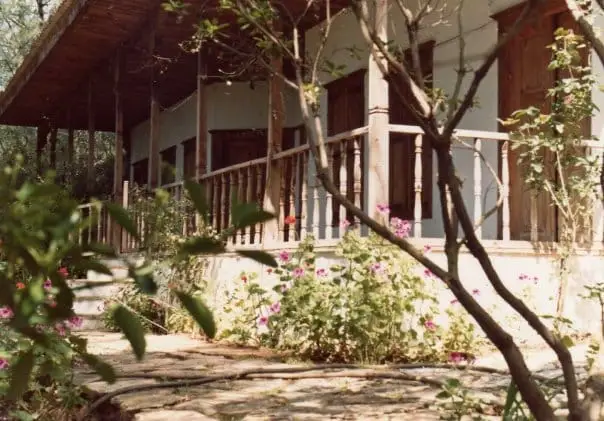 Photo: Cretanforever (CC BY-SA 3.0) · Source
 10 places to visit in the Ula district of Muğla: Akyaka, Ula Castle and Akyaka (Gökova). Plan your trip to Ula with local food, practical tips and transport information.
Ula is one of the 13 districts of Muğla. The district covers 479 km² and had a population of 27,392 in 2024. The district centre sits at an average height of 606 metres above sea level, and it is 15 kilometres from Muğla.
Ula takes its name from the ancient Carian city of Ula (Oula). There is no precise record of when the town was founded, but it is thought to date from the 6th century BC. It became a district in 1954. According to Evliya Çelebi’s writings, the name was changed to Ula after the Menteşe bey Ulama Bey conquered the area.
Within the district are the remains of 2 ancient settlements, 7 Delik and Kyllandos. Kyllandos Ancient City lies 3 km south-west of Ula and was one of the important settlements of the Carians.
The district centre is surrounded on all sides by mountains. The terrain is rugged and 65% of the land is covered by forest. Ula has the highest bicycle ownership per person in Türkiye.
There is no precise information on Ula’s founding; it is estimated to have been founded in the 6th century BC. According to Evliya Çelebi, the name Ula was changed after the Menteşe bey Ulama Bey conquered the area. Ula set up its municipal administration in 1895 and gained district status in 1954. The geographical indication area for Gökova Sesame covers Akyaka, Akçapınar, Ataköy and the surrounding neighbourhoods.
According to Evliya Çelebi’s writings, the name Ula was changed after the Menteşe bey Ulama Bey conquered the area. Ula set up its municipal administration in 1895 and gained district status in 1954.
Last updated:
The castle on the rocky hill above the district centre dates from the Menteşeoğulları Beylik period. Parts of its walls and towers still stand, offering panoramic views of the district and the surrounding mountains.
View on mapAn ancient city and medieval castle in Akyaka Neighbourhood, Ula.
View on mapOne of the important settlements of the Carians, this ancient city has rock tombs, a theatre and an agora.
View on mapA multi-level structure in a cave containing 14 tombs, where early-period burial remains have been found.
View on map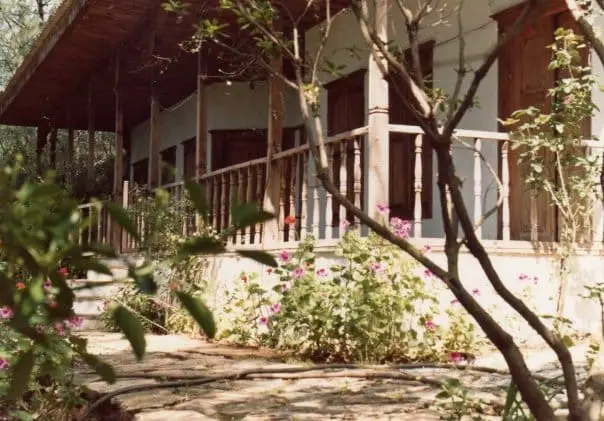 Photo: Cretanforever (CC BY-SA 3.0) · Source
 Akyaka town, attached to Ula, lies at the innermost point of Gökova Bay. It holds the Cittaslow (Slow City) title and is known for its wooden houses in traditional Muğla architecture designed by Nail Çakırhan.
View on mapOne of Türkiye's most beautiful bays, Gökova is known for its clear water, wind-surfing conditions and boat tours. Sedir Island (Cleopatra Beach) is the bay's most famous spot.
View on map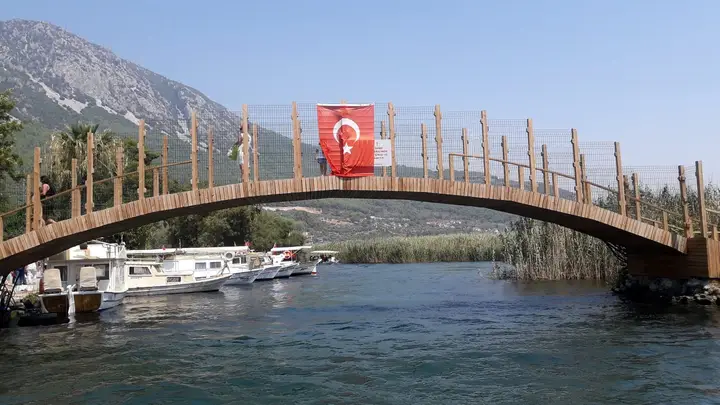 Photo: Wikipedia (CC BY-SA) · Source
 Fed by underground springs at Akyaka, the Azmak River stands out for its clear turquoise water. Canoe and boat tours explore the river, where reeds, plane trees and a rich variety of birds can be seen along its banks.
View on mapA major tourist centre in Ula district, Akyaka is a seaside settlement opening onto Gökova Bay.
View on mapWhile you are in Ula, you can also see the highlights of Muğla province. These places are in other districts.
Thick bread made from leavened dough cooked on a griddle, Ula's traditional breakfast treat. It is served with fresh butter and honey.
Fresh fish and prawns from Gökova Bay are served grilled or as güveç in Akyaka's seafront restaurants. Gökova prawns are especially famous.
Wild herbs gathered locally are sautéed in olive oil with onion and garlic. It is one of the healthy, light dishes of Aegean cuisine.
A sesame product grown in Ula and its surroundings, registered as a geographical indication.
Akyaka was one of the first settlements in Türkiye to join the Cittaslow network, in 2011. Its identity is shaped by a philosophy of slow living, the protection of local products and sustainable tourism.
Architect Nail Çakırhan, winner of the Aga Khan Award for Architecture, designed the houses in Akyaka in traditional Muğla style. Timber bay-windowed houses with stone walls define the district's architectural identity.
Ula's economy is based on agriculture, beekeeping and tourism. Olive growing and pine honey production are traditional sources of income. Tourism in Akyaka brings important income to the district, and wind-surfing and kitesurfing tourism is also developing.
Ula is 12 km from Muğla and 40 km from Marmaris. Dalaman Airport is 90 km away. Regular minibus services run to Akyaka from Muğla and Marmaris.
The highlights of Ula are 10 places: Akyaka, Ula Castle, Akyaka (Gökova), Gökova Bay, Azmak River, Idyma Ancient City and Medieval Castle, Thera Ancient City, Kyllandos (Okkataş), 7 Delik (Yedi Delik Cave) and Ula Pond.
Ula Bazlaması, Akyaka seafood, Zeytinyağlı Ot Kavurması and Gökova Sesame are the flavours to look out for on Ula's tables.
Ula is known for Ula Garlic and Akyaka Cittaslow (Slow City). Ula Garlic is a registered protected designation of origin on TÜRKPATENT.
Ula is 12 km from Muğla and 40 km from Marmaris. Dalaman Airport is 90 km away. Regular minibus services run to Akyaka from Muğla and Marmaris.
Suggested visit length: 1-2 days. Best time to visit: May to October.