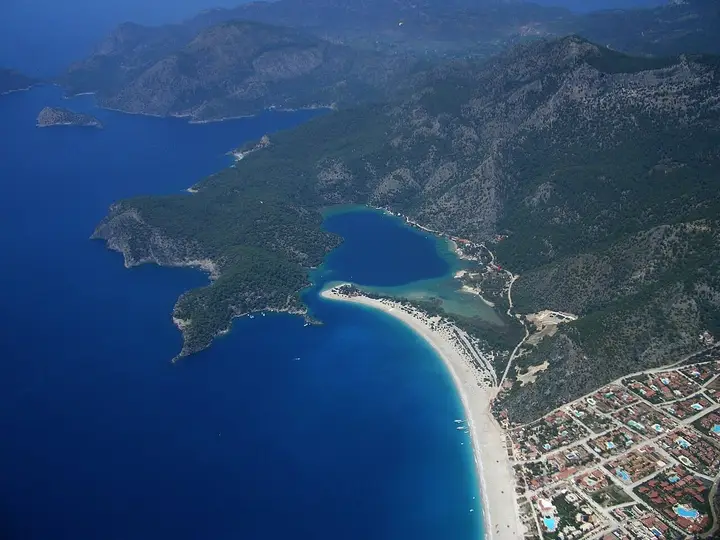
Muğla is a holiday province with Türkiye's longest coastline, where the Aegean meets the Mediterranean at Bodrum, Marmaris, Fethiye, Datça, Dalyan and Göcek. Its highlights include the Mausoleum of Halicarnassus, one of the Seven Wonders of the Ancient World, the Knights of St John's Bodrum Castle, Knidos, the rock tombs of Kaunos, Letoon (UNESCO), Tlos, Kayaköy, Ölüdeniz, Butterfly Valley, Saklıkent and the Lycian Way. Datça almonds, Bodrum mandarins and Milas carpets are all registered.

Share with friends

Last updated:

Places to Visit in Muğla

19 places worth seeing in Muğla, from historic monuments to natural wonders, grouped by type. Open any of them on the map with a single click.

  • 3 Historic
  • 8 Ancient City
  • 4 Nature
  • 3 Beach
  • 1 Attraction

Historic Sites 3

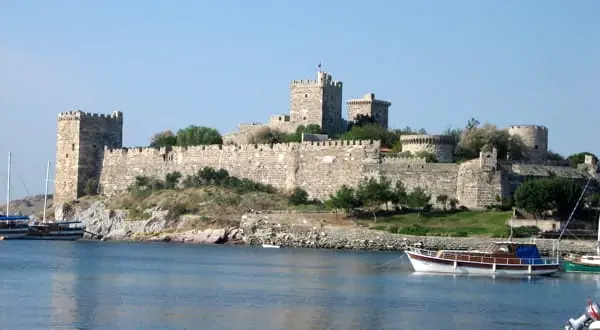
Bodrum Castle Photo: Johnycanal (CC BY-SA 1.0) · Source
Historic

Bodrum Castle (Castle of St Peter)

A castle built by the Knights of St John around 1402, partly using stones from the Mausoleum of Halicarnassus. Today it houses the Bodrum Museum of Underwater Archaeology, which displays one of the world's leading underwater archaeology collections, headed by the Uluburun shipwreck.

View on map
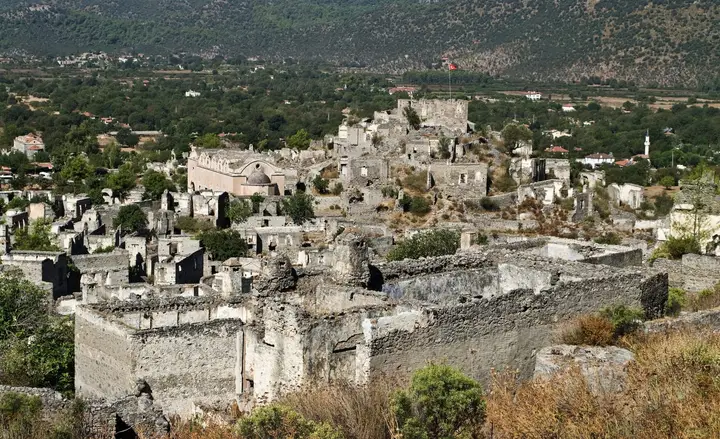
Kayaköy Photo: Wikimedia Commons (CC BY-SA) · Source
Historic

Kayaköy (Levissi)

A ghost village 8 km south of Fethiye, made up of hundreds of abandoned stone houses spread across a hillside, where Greeks lived until the 1923 population exchange.

View on map
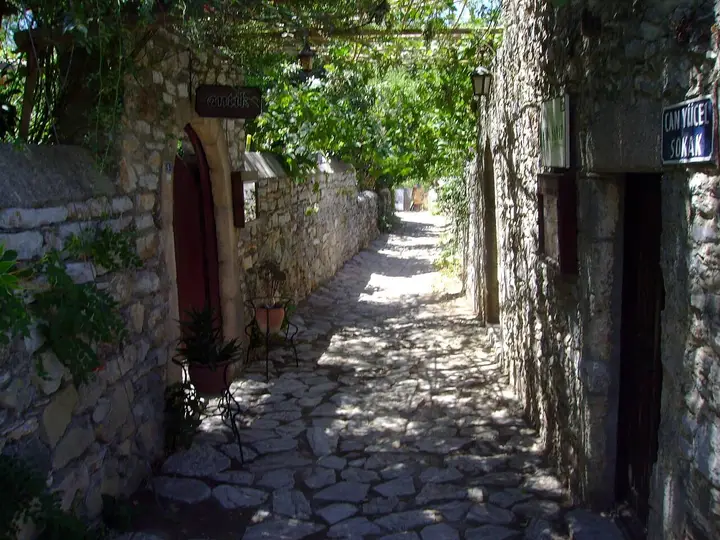
Old Datça (Eski Datça) Photo: Semih Ekinci (CC BY-SA 3.0) · Source
Historic

Old Datça (Eski Datça)

The historic neighbourhood of Datça, with stone houses decorated with bougainvillea and narrow streets; it is the most peaceful corner of the peninsula.

View on map

Ancient Cities 8

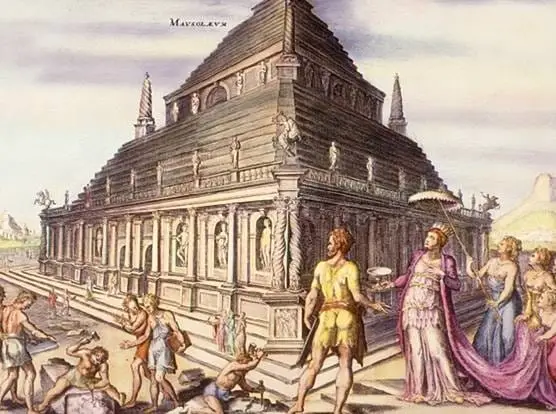
Illustration of the Mausoleum of Halicarnassus
Ancient City

Mausoleum of Halicarnassus

A monumental tomb built by Artemisia for her husband Mausolos, king of Caria, and counted among the Seven Wonders of the Ancient World. Today its foundations, remains and small museum can be visited.

View on map
Dalyan Canal and rock tombs Photo: Wikimedia Commons (CC BY-SA) · Source
Ancient City

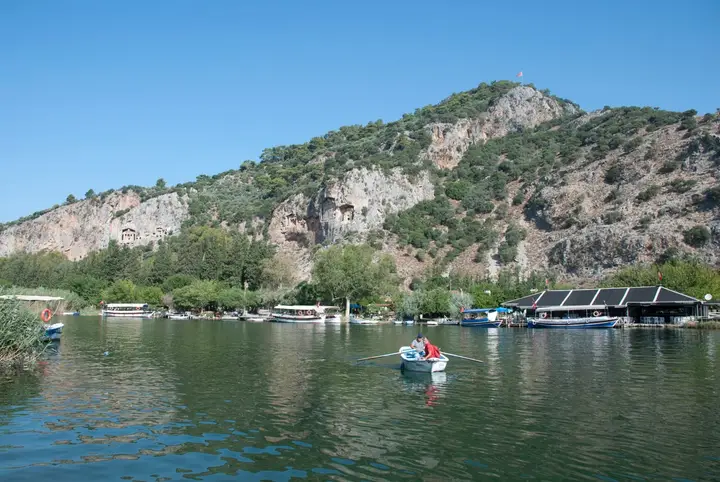
Dalyan Canal and Kaunos

A reed-fringed canal linking Köyceğiz Lake to the sea, with the ancient city of Kaunos on its bank. The Carian royal tombs with temple façades, carved into the sheer cliffs across the canal, are the symbol of the region.

View on map
Knidos Photo: Mehmet Ali Acar (CC BY-SA 4.0) · Source
Ancient City

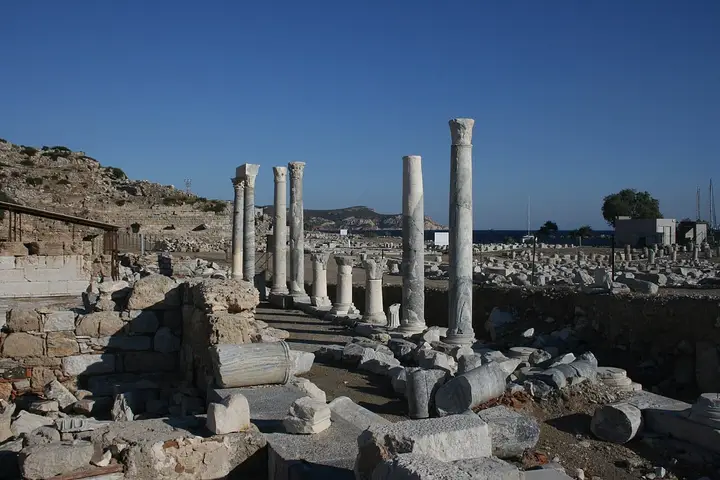
Ancient City of Knidos

An ancient Carian city with two harbours, at Tekir Cape on the western tip of the Datça Peninsula. It is known for its theatre and for the remains of the temple that housed Praxiteles' famous statue of Aphrodite of Knidos.

View on map
Amyntas rock tomb Photo: Jedyooo (CC BY-SA 2.5) · Source
Ancient City

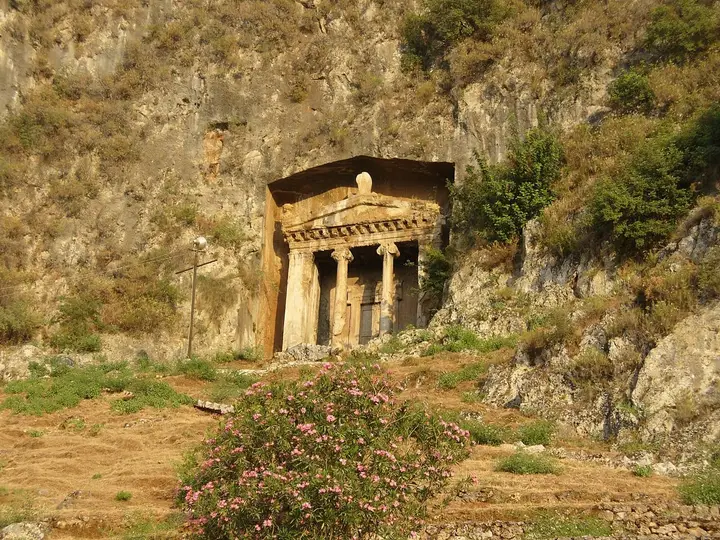
Amyntas Rock Tombs

Lycian tombs of the 4th century BC with Ionic temple façades, carved into the cliffs directly above the centre of Fethiye. The largest belongs to Amyntas.

View on map
Ancient City

Letoon

The sacred centre of the Lycian League, in Seydikemer. With its temples of Leto, Apollo and Artemis, it was added to the UNESCO World Heritage List in 1988 together with Xanthos.

View on map
Ancient City

Tlos

One of the most important cities of Lycia, in Seydikemer, set on a steep hill overlooking the Eşen Plain. It is known for its rock tombs, theatre and acropolis.

View on map
Temple of Zeus at Euromos Photo: Gargarapalvin (CC BY 4.0) · Source
Ancient City

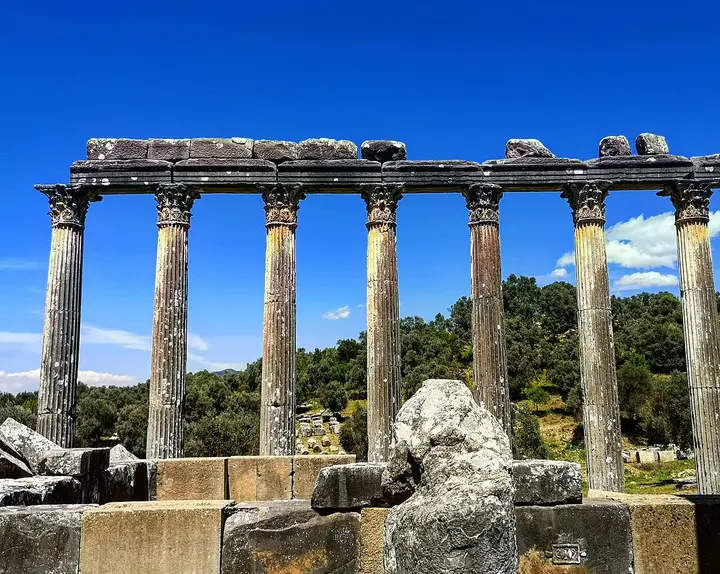
Temple of Zeus at Euromos

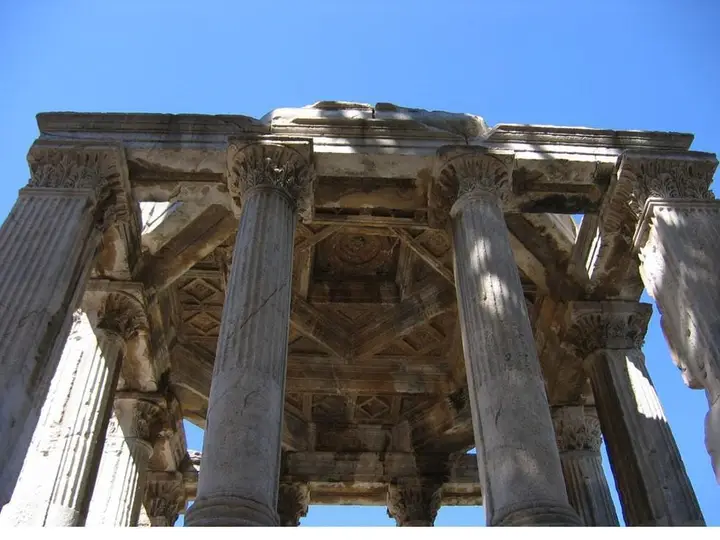
The Temple of Zeus Lepsynos at Euromos, near Milas, one of the best-preserved temples in Anatolia.

View on map
Gümüşkesen monumental tomb Photo: Mehmet Yaşa (CC BY-SA 3.0) · Source
Ancient City

Gümüşkesen Monumental Tomb

A Roman-period monumental tomb in Milas, known as a small version of the Mausoleum of Halicarnassus.

View on map

Natural Wonders 4

Butterfly Valley (Kelebekler Vadisi) Photo: Ezzeldin.Elbaksawy (CC BY-SA 4.0) · Source
Nature

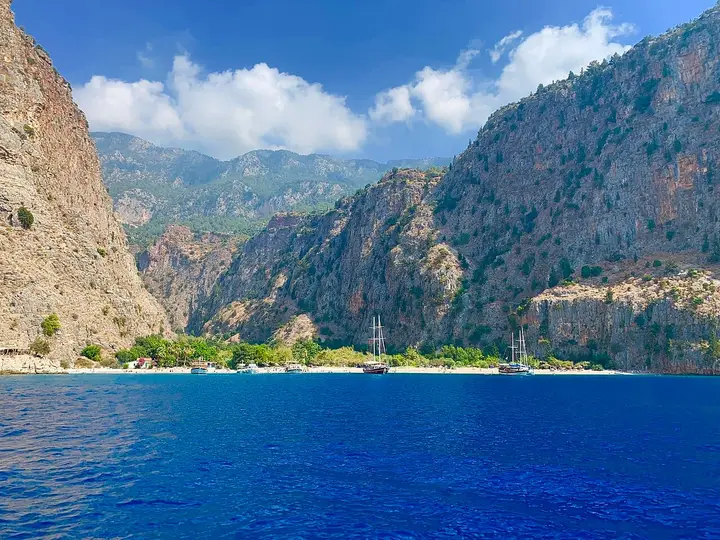
Butterfly Valley (Kelebekler Vadisi)

A valley and beach south of Ölüdeniz, enclosed by sheer cliffs and reachable only by sea. In the summer months it is home to Jersey tiger moths.

View on map
Saklıkent Canyon Photo: Buse Kocaaslan (CC BY-SA 4.0) · Source
Nature

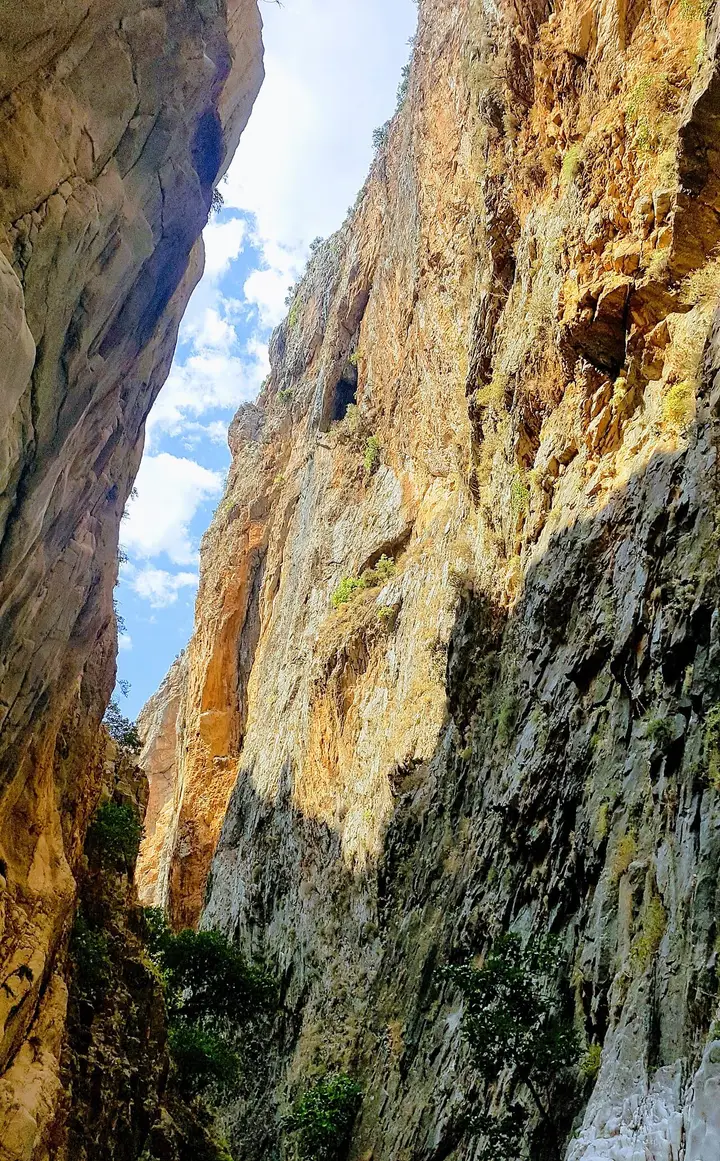
Saklıkent Canyon

A narrow, deep canyon in Seydikemer, cut through Akdağ by the Karaçay, a tributary of the Eşen Stream; you make your way on foot through the ice-cold water.

View on map
Nature

Lycian Way

A long-distance walking route of about 520 km from Fethiye to Antalya, linking the ancient Lycian cities.

View on map
Nail Çakırhan's house in Akyaka Photo: Cretanforever (CC BY-SA 3.0) · Source
Nature

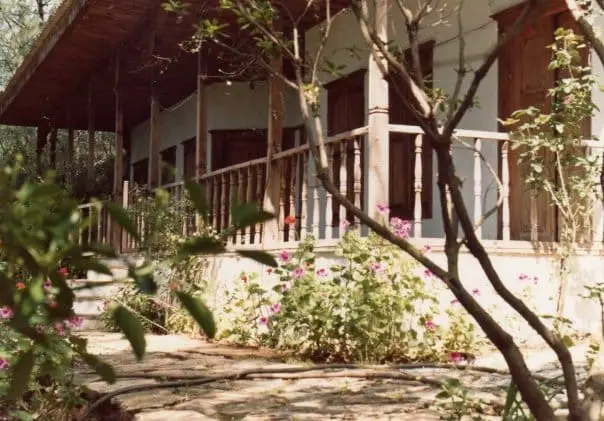
Akyaka and the Azmak River

Akyaka is a quiet town at the head of the Gulf of Gökova, in Ula. It is known for boat trips on the clear-watered Azmak River and for the traditional architecture designed by Nail Çakırhan.

View on map

Beaches and Coves 3

Ölüdeniz lagoon Photo: Dan Taylor (CC BY 2.0) · Source
Beach

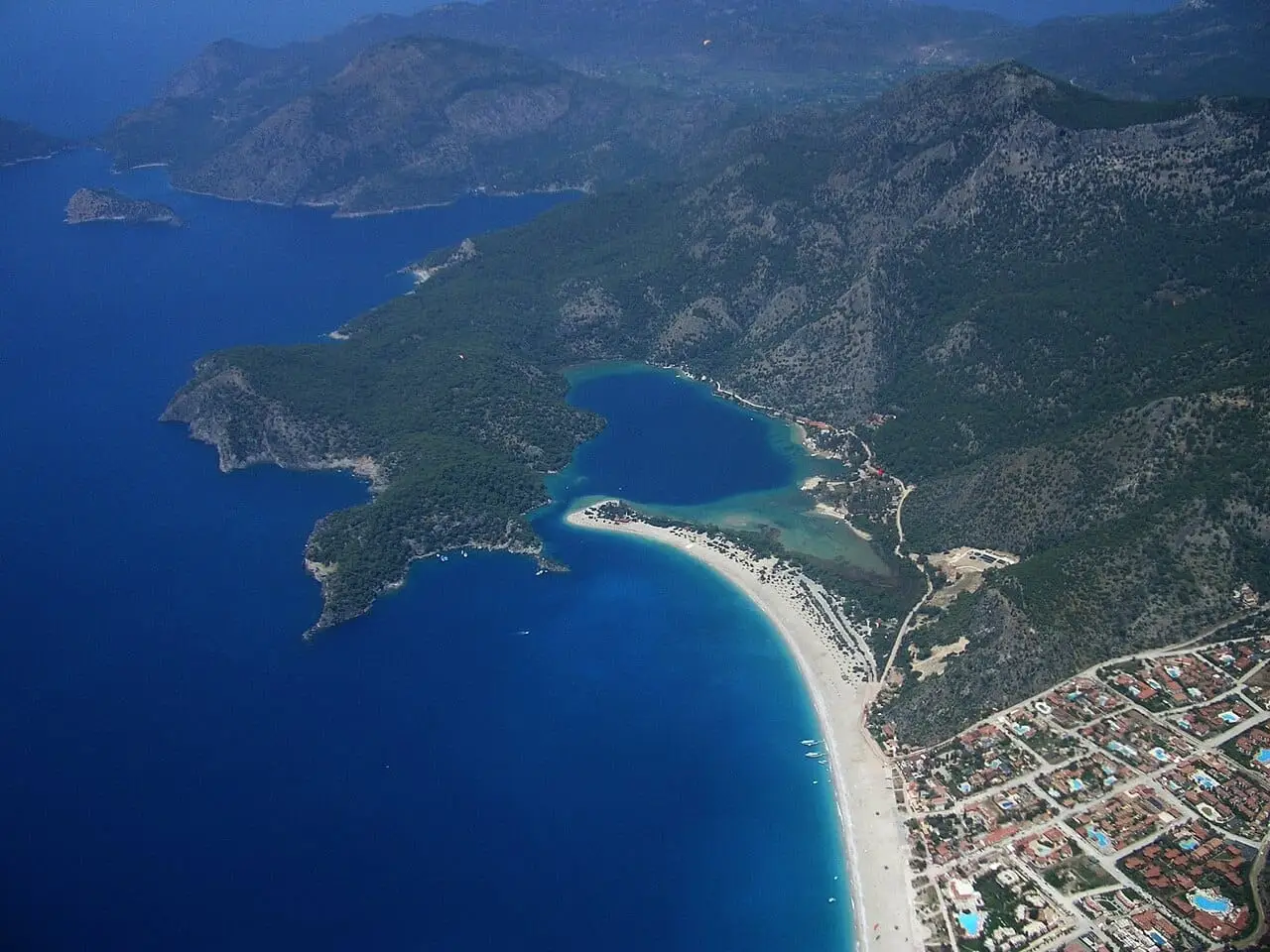
Ölüdeniz

South of Fethiye, with its turquoise water and sheltered lagoon, this is Türkiye's most photographed beach. Babadağ, 1,969 metres high just behind it, is one of the world's major paragliding sites.

View on map
İztuzu Beach Photo: FurkanYalcin3 (CC BY 3.0) · Source
Beach

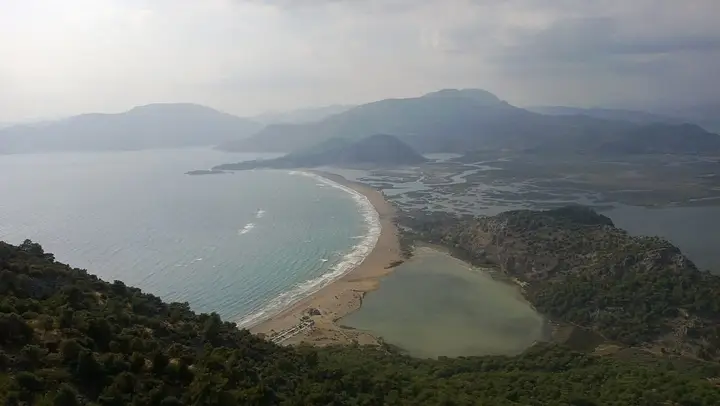
İztuzu Beach

A 4.5 km beach at Dalyan, stretching between Köyceğiz Lake and the sea. It is one of the most important nesting grounds of the endangered Caretta caretta turtle.

View on map
Beach

Sedir Island (Cleopatra Beach)

An island in the Gulf of Gökova with the remains of the ancient city of Kedreai. Its beach, known for its special sand said to have been brought from Egypt for Cleopatra, is protected.

View on map

Attractions 1

Paradise Island, Marmaris Photo: Snow in July (CC BY-SA 3.0) · Source
Attraction

Marmaris and Paradise Island

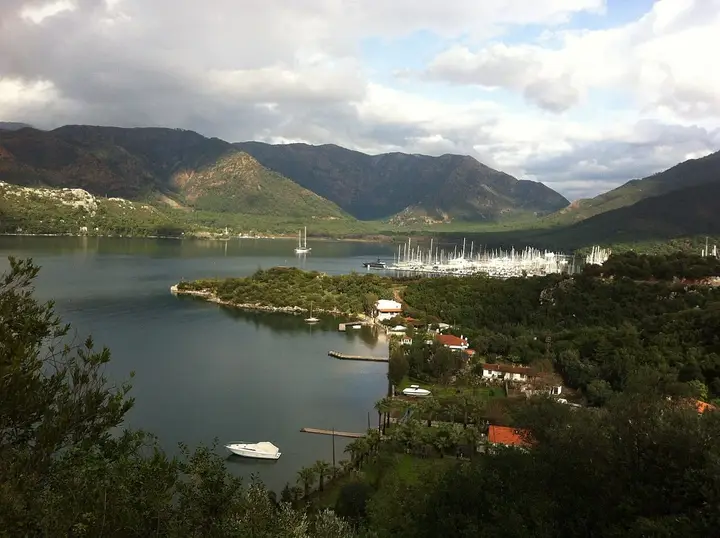
The pine-fringed coves of Marmaris Bay, Paradise Island (Cennet Adası) and İncekum; with its marina and boat trips, Marmaris is one of the centres of the blue voyage.

View on map

Getting to Know Muğla

Muğla lies in the south-western corner of Türkiye, where the Aegean meets the Mediterranean, and with its deeply indented coast it has the longest coastline of any Turkish province. The west of the province belonged to ancient Caria and the east to Lycia. The Carian capital Halicarnassus (Bodrum) was famous for the Mausoleum of Halicarnassus, built for King Mausolos and counted among the Seven Wonders of the Ancient World; the word “mausoleum” comes from here. Knidos, at the tip of the Datça Peninsula, is known for Praxiteles’ statue of Aphrodite, and Kaunos at Dalyan for its royal tombs carved into sheer cliffs. Letoon, the sacred centre of Lycia, was added to the UNESCO World Heritage List in 1988 together with Xanthos.

In the 14th century the Menteşe Principality was founded in the region, with its centre at Milas–Beçin. Around 1402 the Knights of St John of Rhodes built the Castle of St Peter (Bodrum Castle) at Bodrum; it passed to the Ottomans in 1522. Kayaköy (Levissi), near Fethiye, is a ghost town of abandoned stone houses, where Greeks lived until the 1923 population exchange.

Today Muğla is one of Türkiye’s most important tourism provinces: the marinas of Bodrum and Marmaris, the bays of Göcek and Gökova, the blue voyage routes, the turquoise lagoon of Ölüdeniz and paragliding from Babadağ draw millions of visitors every year. The provincial centre, Muğla (Menteşe), is a quiet Anatolian town of whitewashed, tile-roofed historic houses.

When to Go

Muğla has a Mediterranean climate: summers are hot and dry, winters mild and rainy. In the interior (Muğla city centre, Kavaklıdere, Yatağan) winters are cooler. Averages for 2001–2025 published by the Turkish State Meteorological Service for Muğla:

Month Avg. high Avg. low Rainfall Rainy days
January 15.5 °C 6.8 °C 186 mm 13
February 16.1 °C 6.8 °C 109 mm 9
March 18.5 °C 8.0 °C 62 mm 8
April 21.6 °C 10.2 °C 48 mm 7
May 25.7 °C 13.9 °C 23 mm 4
June 30.2 °C 18.0 °C 5 mm 2
July 33.2 °C 21.1 °C 4 mm <1
August 32.9 °C 21.4 °C 4 mm <1
September 30.3 °C 18.4 °C 27 mm 2
October 26.1 °C 14.1 °C 71 mm 5
November 21.5 °C 10.3 °C 121 mm 8
December 17.2 °C 7.8 °C 207 mm 12

June to October is ideal for the sea; April–May and October–November are ideal for the ancient cities and the Lycian Way. The sea is warm enough for swimming from late May to late October; July and August are the busiest months. The Datça Almond Blossom Festival is held in February–March, when the almond trees are in bloom. November to January is the wettest period.

How to Get to Muğla

By air: The province has two major airports: Milas-Bodrum Airport (BJV) is about 35 km from Bodrum, while Dalaman Airport (DLM) is about 50 km from Fethiye and about 95 km from Marmaris. In summer both have many direct flights to Europe.

By road: Muğla city centre is about 225 km from Izmir and about 145 km from Denizli; buses to Bodrum, Marmaris and Fethiye run frequently.

By sea: There are ferry and sea-bus services from Bodrum to Kos, from Marmaris to Rhodes and from Datça to Bodrum; Bodrum, Marmaris, Göcek and Fethiye are the starting ports of the blue voyage.

Muğla Area by Area

  • Bodrum: Bodrum Castle and the Museum of Underwater Archaeology, the Mausoleum of Halicarnassus, the ancient theatre, Gümüşlük (Myndos), Türkbükü, Turgutreis and the mandarin groves of Bitez.
  • Marmaris and Bozburun: Marmaris Castle, Paradise Island, Turgut Waterfall, the bays of Bozburun and Selimiye, and Sedir Island (Cleopatra Beach).
  • Datça: the stone houses of Old Datça, the ancient city of Knidos, Palamutbükü and the almond groves.
  • Fethiye and Seydikemer: Ölüdeniz and Babadağ, Butterfly Valley, Kayaköy, the Amyntas rock tombs, Tlos, Letoon, Saklıkent and the start of the Lycian Way.
  • Köyceğiz, Dalyan and Ortaca: Dalyan Canal, the royal tombs of Kaunos, İztuzu Beach (Caretta caretta), Köyceğiz Lake and the Sultaniye hot springs.
  • Milas: Beçin Castle, the Gümüşkesen monumental tomb, the Temple of Zeus at Euromos, Labranda and Iasos.
  • Muğla city centre, Ula and Yatağan: the historic houses of Saburhane, Akyaka and the Azmak River, and the ancient city of Stratonikeia.

Suggested Itineraries

Days 1–2 – Bodrum: Bodrum Castle and the Museum of Underwater Archaeology, the Mausoleum of Halicarnassus and the ancient theatre; on the second day, sunset at Gümüşlük and a boat trip.

Day 3 – Milas and Stratonikeia: Euromos, Gümüşkesen and Beçin Castle at Milas, and Stratonikeia on the road to Yatağan.

Days 4–5 – Dalyan and Fethiye: By boat from Dalyan to Kaunos and İztuzu Beach; the next day, Ölüdeniz, Butterfly Valley and Kayaköy.

Day 6 – Saklıkent and Tlos: A walk through Saklıkent Canyon, then Tlos and Letoon.

Muğla Cuisine

Muğla cuisine is built on olive-oil dishes made with wild greens and on the seafood of the Aegean. The delicacies with a registered geographical indication are Muğla köftesi (Muğla meatballs), Muğla saraylısı (Muğla pastry dessert), Muğla sulu kebabı (Muğla stewed kebab), Muğla simidi (Muğla sesame ring), Muğla göce tarhanası (Muğla göce tarhana), Bodrum çökertme kebabı, Bodrum tırhandili, Milas köftesi (Milas meatballs), Milas ekşili köfte (Milas sour meatballs), Milas tepsi böreği (Milas tray börek), Milas ciğer kavurması (Milas fried liver), Milas çaykaması (Milas çaykaması pastry) and Fethiye tarhanası (Fethiye tarhana). The products are Datça nurlu bademi (Datça Nurlu almonds), Datça domatesi (Datça tomatoes), Bodrum mandarini (Bodrum mandarins), Köyceğiz portakalı (Köyceğiz oranges), Muğla çam balı (Muğla pine honey), Marmaris çam balı (Marmaris pine honey), Gökova susamı (Gökova sesame), Fethiye tahini (Fethiye tahini), Fethiye kaya inciri (Fethiye rock figs), Kavaklıdere cevizi (Kavaklıdere walnuts), Ula sarımsağı (Ula garlic), Marmaris yer fıstığı (Marmaris peanuts), Milas zeytinyağı (Milas olive oil) and the Milas yağlı, ekşili and çekişke zeytini (Milas oily, sour and çekişke olives).

Handicrafts

The Milas hand-woven carpet, the Fethiye (Kayaköy) carpet, Seydiler kilim, Üzümlü dastar (Üzümlü cloth), Kavaklıdere hand-worked copperware, Milas olive oil soap, Muğla white marble and the wooden Bodrum gulet, built in Bodrum’s shipyards, all have a registered geographical indication.

Practical Tips

  • Bodrum and Fethiye are very crowded and expensive in July and August; June and September are better for both the sea and prices.
  • İztuzu Beach is a Caretta caretta nesting ground; entering the beach at night is forbidden.
  • You walk through ice-cold water in Saklıkent Canyon, so get water shoes.
  • The special sand of Sedir Island is protected; removing sand from the island is forbidden.
Districts of Muğla

Muğla province has 13 districts. Explore the places to visit, local dishes and transport in each one.

What to Eat in Muğla

All dishes →
  • Bodrum Çökertme Kebabı (beef on matchstick potatoes and yoghurt)

    A kebab with a registered geographical indication, served as meat on a bed of matchstick potatoes and yoghurt.

  • Muğla Köftesi (Muğla meatballs)

    Meatballs with a registered geographical indication.

  • Muğla Saraylısı (Muğla pastry dessert)

    A dessert with a registered geographical indication.

  • Milas Tepsi Böreği (Milas tray börek)

    A börek with a registered geographical indication.

  • Bodrum Tırhandili (Bodrum fish dish)

    A fish dish with a registered geographical indication.

What to eat in Muğla: the full food guide

Muğla: Frequently Asked Questions

What are the best places to visit in Muğla?

The main stops are Bodrum Castle, the Mausoleum of Halicarnassus, Ölüdeniz, Butterfly Valley, Kayaköy, Saklıkent, Dalyan and Kaunos, İztuzu, Knidos, Old Datça, the coves of Marmaris, Sedir Island, Letoon, Tlos, Euromos and Akyaka.

Which airport do you fly into for Muğla?

Milas-Bodrum Airport serves Bodrum; Dalaman Airport serves Fethiye, Dalyan and Marmaris.

What is Muğla famous for?

Pine honey, Datça almonds, Bodrum mandarins, çökertme kebabı, Milas carpets and the blue voyage.

Is Letoon a UNESCO World Heritage Site?

Yes. Letoon was added to the UNESCO World Heritage List in 1988 together with Xanthos.

When is the best time to visit Muğla?

June to October is ideal for the sea; April–May and October–November are ideal for the ancient cities and for walking.

More from the Muğla Guide

Other Provinces in the Aegean Region

Sources

The information in this guide has been compiled from and checked against the sources below (last checked: 8 October 2026). If you spot an error, please let us know.

  1. Vikipedi – Muğla
  2. Meteoroloji Genel Müdürlüğü – Muğla il istatistikleri
  3. UNESCO – Xanthos-Letoon
  4. Vikipedi – Bodrum Kalesi
  5. Vikipedi – Halikarnas Mozolesi
  6. Vikipedi – Knidos
  7. Vikipedi – Kaunos
  8. Vikipedi – Saklıkent Millî Parkı
  9. Vikipedi – Tlos
  10. Vikipedi – Litoon
  11. Vikipedi – Sedir Adası
  12. Vikipedi – Likya Yolu
  13. Vikipedi – Dalaman Havalimanı
  14. Vikipedi – Milas-Bodrum Havalimanı
  15. TÜRKPATENT – Muğla Çam Balı
  16. TÜRKPATENT – Datça Nurlu Bademi
  17. TÜRKPATENT – Bodrum Mandarini
  18. Vikipedi – Türkiye'de tescilli coğrafi işaretler listesi

Search 81 province guides and 968 district guides.