Getting to Know Denizli
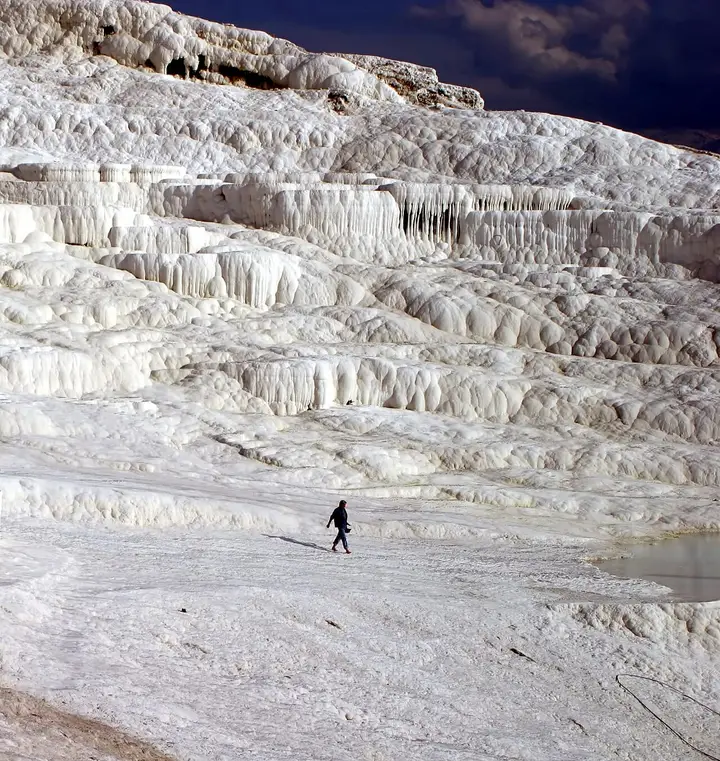
Denizli is a province in the interior of the Aegean Region, set in the valley of the Lykos (Çürüksu), a tributary of the Büyük Menderes. On the north slope of the valley, the brilliant white terraces built up over thousands of years by thermal waters rich in calcium bicarbonate form Pamukkale. The ancient city of Hierapolis (‘sacred city’) rises above this travertine mass, which is about 2,700 metres long, 600 metres wide and 160 metres high. Pamukkale and Hierapolis were inscribed on the UNESCO World Heritage List on 9 December 1988 for both their natural and cultural value.
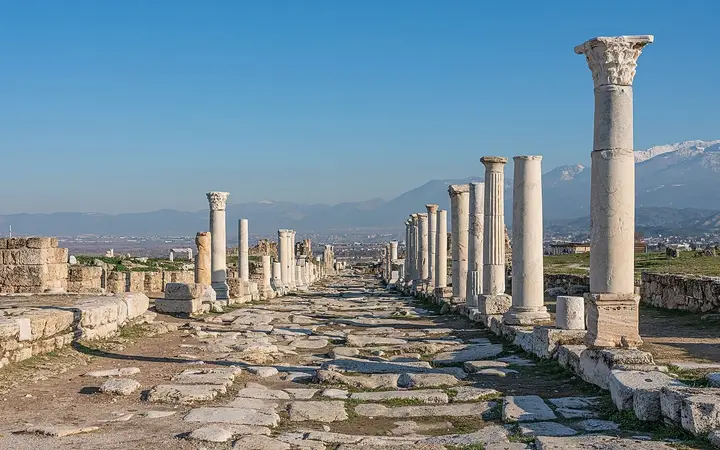
Three cities of antiquity lie side by side in the valley: Hierapolis; Laodicea, 6 km north of the city centre (one of the seven churches of Asia mentioned in the Book of Revelation, and on the UNESCO Tentative List since 2013); and Colossae (Honaz), known from the Apostle Paul’s letter. Beycesultan Mound in Çivril, with about 40 layers running from the Late Chalcolithic to the Byzantine period, is one of the most important mounds in Western Anatolia.
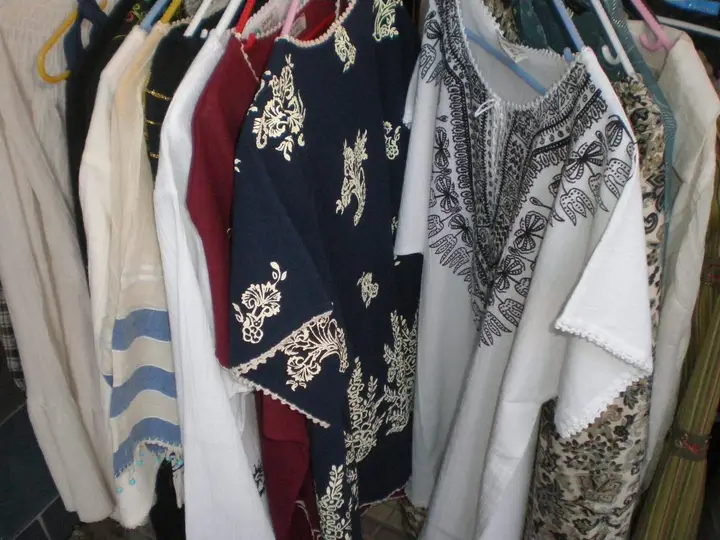
Today Denizli is one of Türkiye’s most important textile centres; the root of this tradition is Buldan cloth, which has been woven on hand looms for centuries. The symbol of the city is the Denizli rooster, which crows for 20–25 seconds.
When to Go
Denizli has hot, dry summers and mild, rainy winters. Averages for 1957–2025 from the Turkish State Meteorological Service:
| Month |
Avg. high |
Avg. low |
Rainfall |
Rainy days |
| January |
10.7 °C |
2.5 °C |
90 mm |
12 |
| February |
12.4 °C |
3.1 °C |
69 mm |
10 |
| March |
16.1 °C |
5.5 °C |
63 mm |
11 |
| April |
21.1 °C |
9.3 °C |
52 mm |
10 |
| May |
26.5 °C |
13.4 °C |
44 mm |
9 |
| June |
31.5 °C |
17.6 °C |
29 mm |
5 |
| July |
34.8 °C |
20.5 °C |
15 mm |
2 |
| August |
34.7 °C |
20.1 °C |
11 mm |
2 |
| September |
30.3 °C |
16.1 °C |
16 mm |
3 |
| October |
24.0 °C |
11.6 °C |
35 mm |
6 |
| November |
17.6 °C |
7.3 °C |
55 mm |
8 |
| December |
12.4 °C |
4.3 °C |
89 mm |
12 |
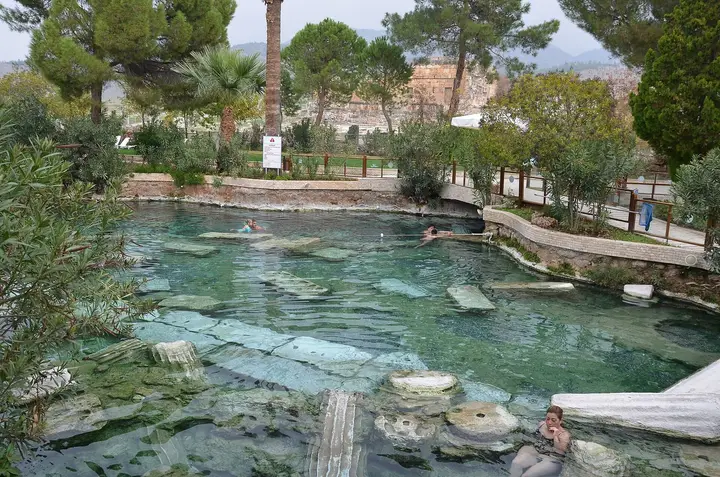
The best times to visit are April–May and September–October. In July and August the average high reaches 35 °C; because the white surface of the travertines reflects the sun, visit Pamukkale early in the morning or at sunset. The thermal water of the Antique Pool is about 35 °C all year round.
How to Get to Denizli
By air: Denizli Çardak Airport is 65 km from the city centre.
By train: Regional trains run to Denizli from Izmir via Aydın and Nazilli.
By road: Denizli lies at the crossing of the Izmir–Antalya and Ankara–Muğla roads; Pamukkale is about 20 km from the city centre.
Denizli Area by Area
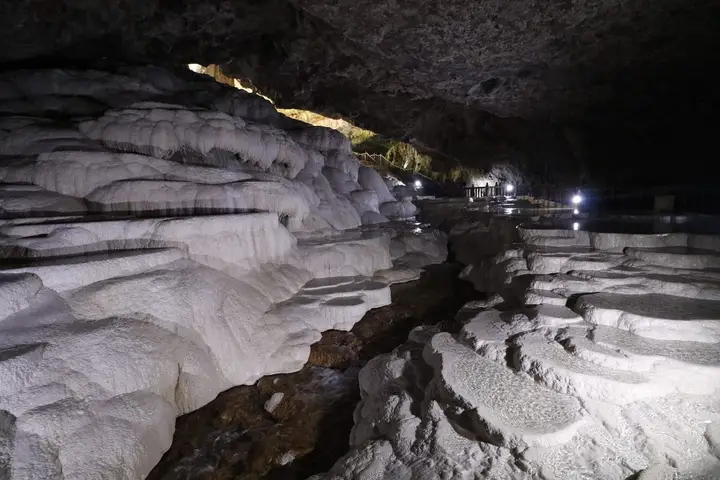
- Pamukkale: The travertines, Hierapolis, the Antique Pool, Hierapolis Archaeology Museum, Laodicea, Kaklık Cave and the red travertines of Karahayıt.
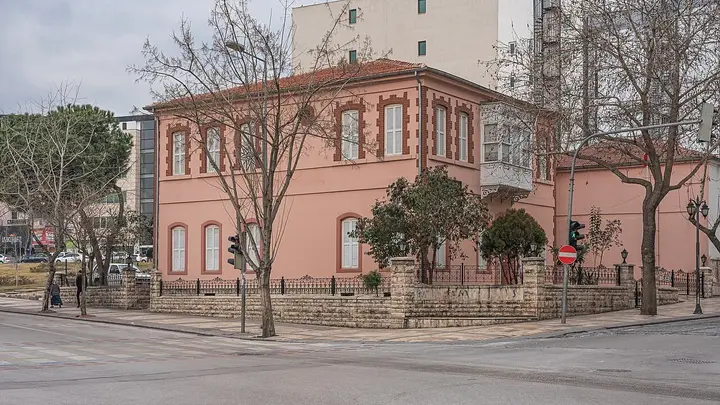
- Merkez (Merkezefendi): The Atatürk Ethnography Museum, the cable car up to the Bağbaşı Plateau, and the Akhan of 1253.
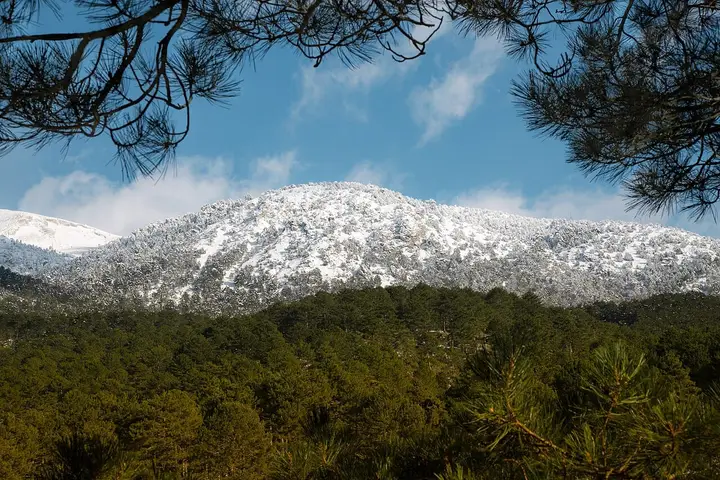
- Honaz: Honaz Mountain National Park, whose summit at 2,571 metres is the highest in the Aegean, and the ancient city of Colossae.
- Buldan: The weaving tradition, Buldan cloth and the ancient city of Tripolis (Yenicekent).
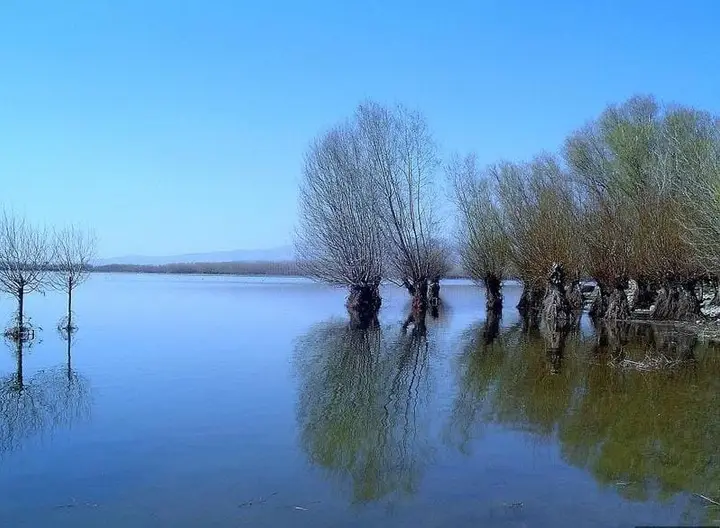
- Çivril: Işıklı Lake (the lake from which the Büyük Menderes flows) and Beycesultan Mound.
- Acıpayam and Çal: Keloğlan Cave and Çal Cave.
Suggested Itineraries
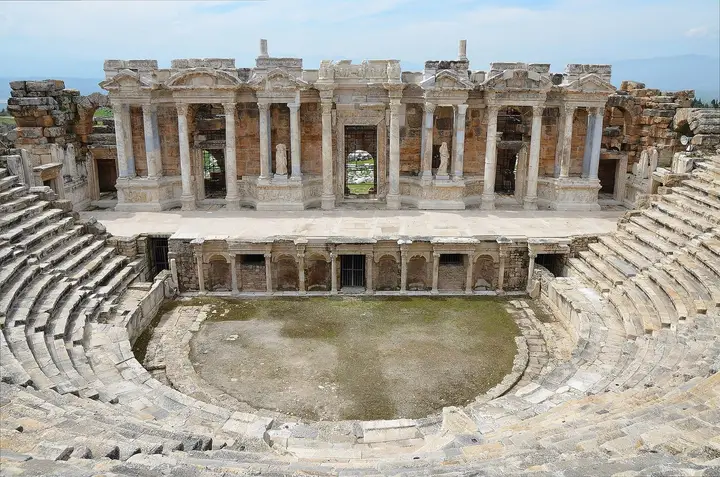
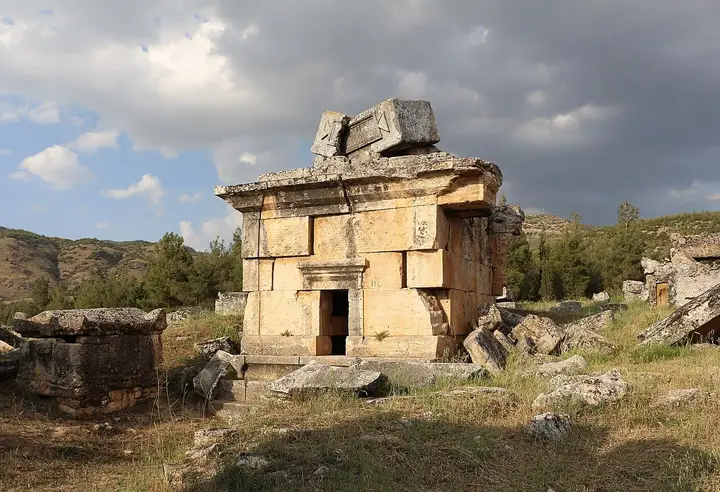
Day 1 – Pamukkale and Hierapolis: Enter Hierapolis early in the morning by the south entrance; see the 2nd-century theatre, the necropolis and the Antique Pool. Then walk down barefoot over the travertines, and watch the sunset on the terraces.
Day 2 – The Lykos valley: In the morning, the colonnaded streets and stadium of Laodicea; in the afternoon Kaklık Cave and Akhan; in the evening, take the cable car for views of the city from the Bağbaşı Plateau.
Extra day: Weaving workshops in Buldan and Tripolis; or Honaz Mountain National Park.
Denizli Cuisine
Denizli’s registered geographical indications are Denizli leblebisi (roasted chickpeas), Tavas baklavası, Tavas yanık koyun yoğurdu (Tavas sheep’s yoghurt), Honaz kirazı (Honaz cherries), Acıpayam kavunu (Acıpayam melons), Buldan kestanesi (Buldan chestnuts), Çameli fasulyesi (Çameli beans), Kale biberi (Kale peppers), Denizli çalkarası üzümü (Denizli çalkarası grapes), İsabey çekirdeksiz üzümü (İsabey seedless grapes), Avşar üzümü (Avşar grapes), Denizli kekiği (Denizli thyme) and Babadağ kekik balı (Babadağ thyme honey). Among the handicrafts, Buldan bezi (Buldan cloth), Çameli kilimi (Çameli kilim), Çameli elmalı bezi (Çameli apple-pattern cloth), Kızılhisar bardağı (Kızılhisar glass) and Denizli traverteni (Denizli travertine) are registered. Keşkek (wheat and meat stew) and tandır (oven-cooked meat) also stand out on local tables.
Practical Tips
- Walking on the travertines in shoes is forbidden; bring a bag to carry your shoes in.
- Entry to the Antique Pool costs extra and is separate from the archaeological site ticket.
- Hierapolis is very large; the best route is to walk along the necropolis from the north entrance and finish at the south.
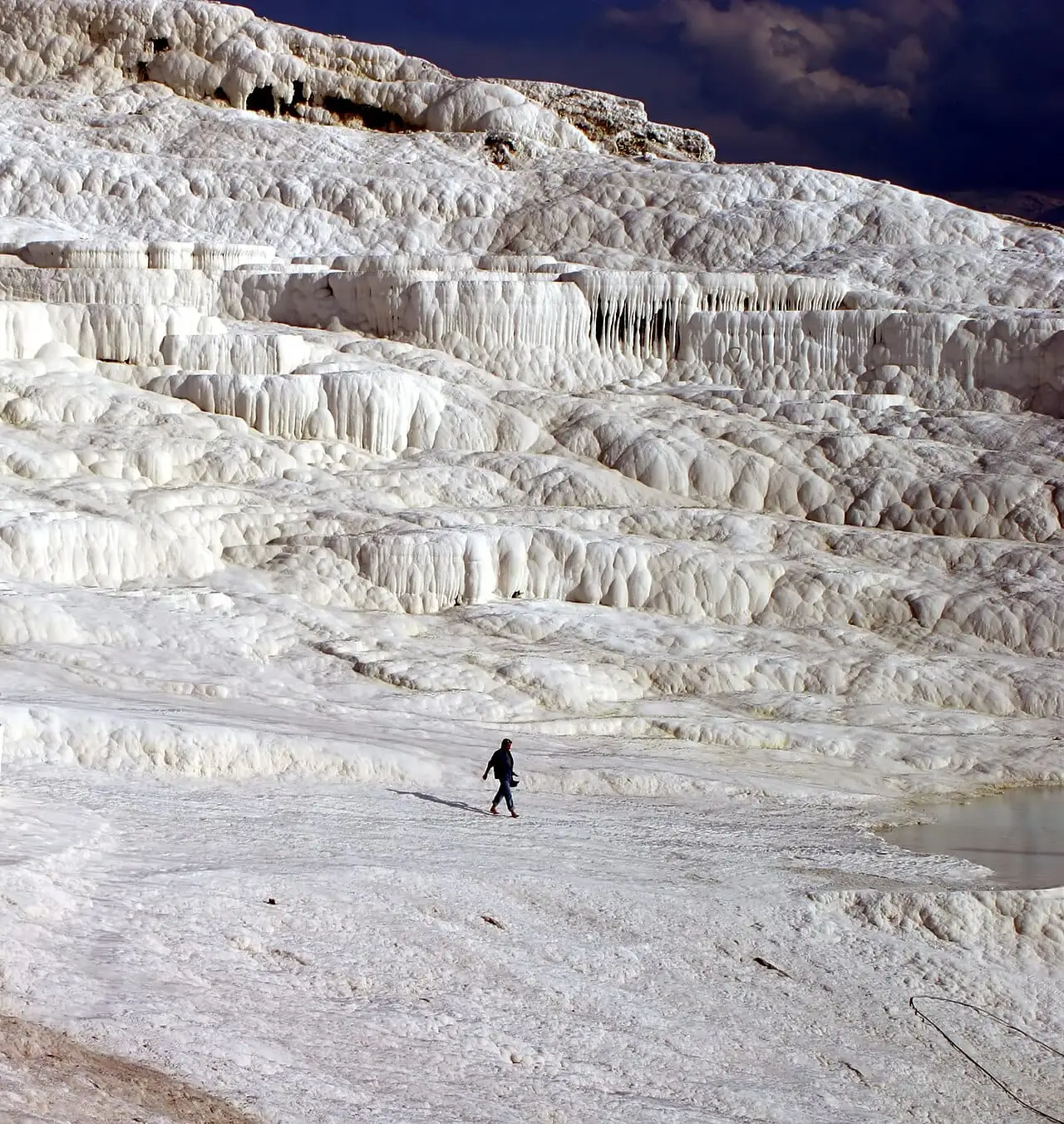
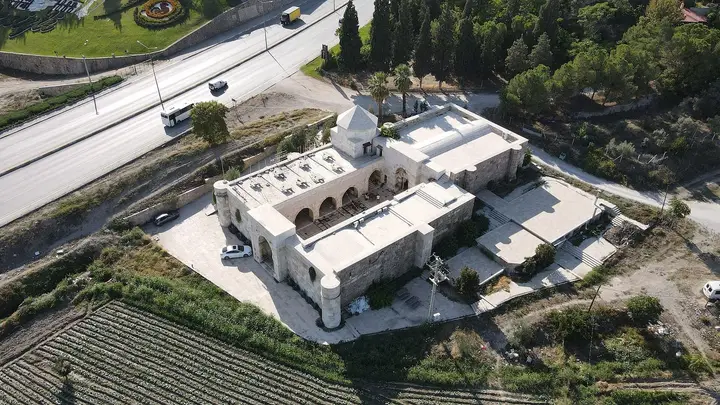 Photo: HeritageSinan (CC BY-SA 4.0) · Source