Maymun Mountain (Maymun Dağı)
A mountain north of the district centre, rising to 1,733 metres.
View on map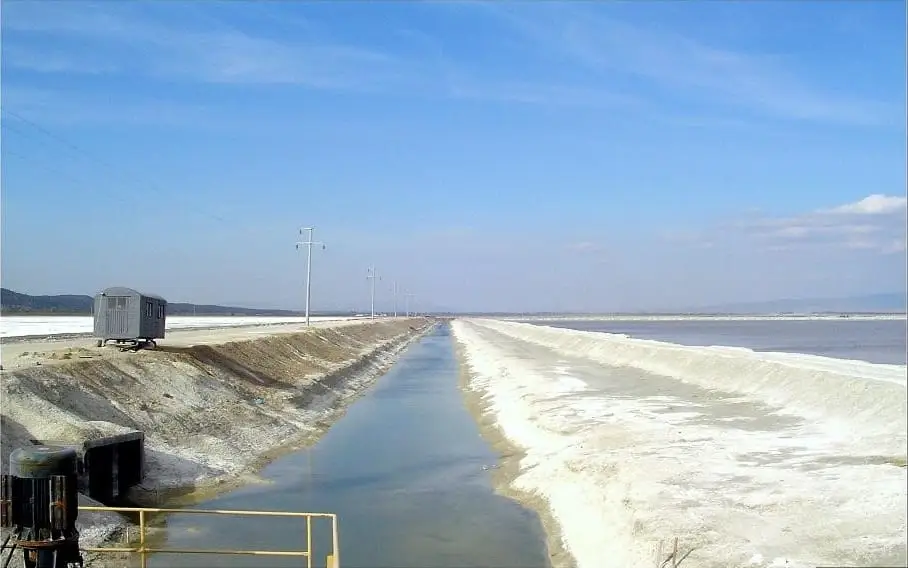 Photo: Arif Solak at http://www.wowturkey.com (CC BY 3.0) · Source
 6 places to visit in the Çardak district of Denizli: Maymun Mountain (Maymun Dağı), Acıgöl and Denizli Çardak Airport. Plan your trip to Çardak with local food, practical tips and transport information.
The town centre of Çardak was founded in 1105 as a Turkmen tribal settlement called Körin, at the foot of Maymun Mountain, and was later moved to its present location. The district’s name comes from the word çardak, which in the Middle Ages referred to the shaded canopies people built at the front or side of their houses. Çardak village was granted district status on 1 April 1958.
The Han-ı Abad caravanserai was built in the Seljuk period as a resting place on the caravan route. According to the caravanserai’s inscription, the building was constructed by the commander Ayaz in Ramazan of 627.
The district has three lakes: Acıgöl, Beylerli Lake and Gölcük Lake.
The history of the district begins with the Phrygians. Historians link the Phrygian civilisation with Çardak. In the Middle Ages, Çardak was a small village whose people made their living from livestock. The village’s tradition of building shaded canopies determined its name.
Çardak Caravanserai was commissioned in 1230 during the reign of the Anatolian Seljuk Sultan Alaeddin Keykubat. On 1 April 1958, Çardak was attached to Denizli Province as a district.
During the reign of the Seljuk dynasty, Çardak served as a frontier fortress and a centre of defence. The area of Çardak joined the Ottoman Empire in 1429 and was attached to the Sanjak of Aydın.
The caravanserai was commissioned in 1230 by Esedüddin Ayaz bin Abdullah el-Şehabi, the steward (mirahur) of the Anatolian Seljuk Sultan Alaaddin Keykubat and governor of the province of Honaz. In 1993, a flamingo colony of around 150 nests was identified at Acıgöl.
Last updated:
A mountain north of the district centre, rising to 1,733 metres.
View on map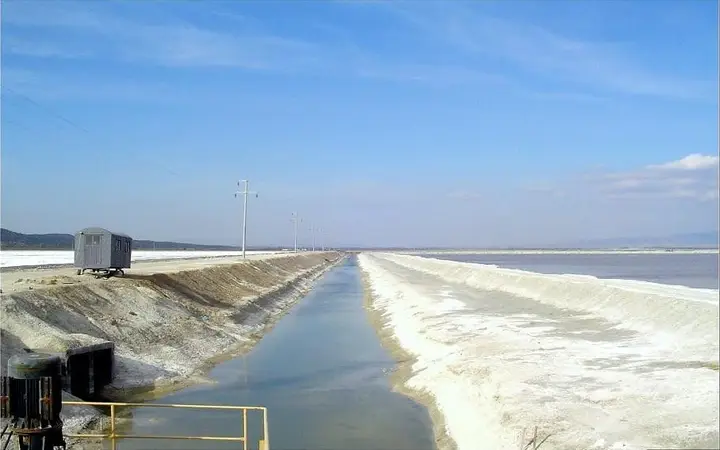 Photo: Arif Solak at http://www.wowturkey.com (CC BY 3.0) · Source
 Acıgöl, near Çardak, is a salt lake. Birdwatching is possible around the lake, and migratory birds such as flamingos can be seen depending on the season.
View on map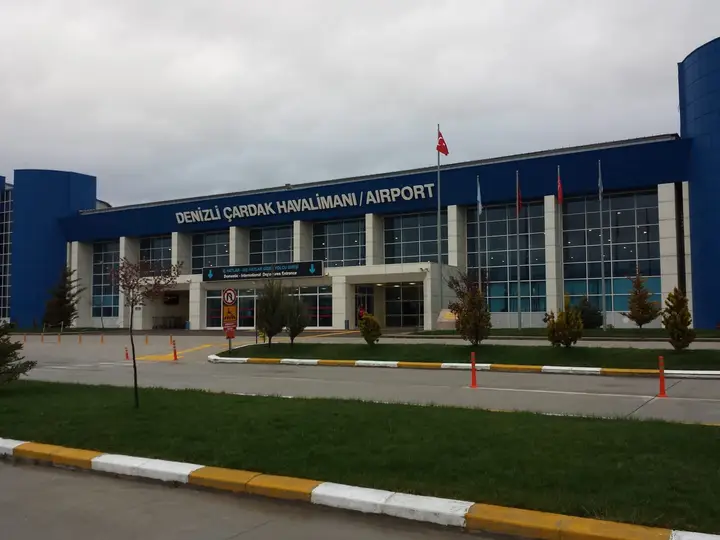 Photo: Wikipedia (CC BY-SA) · Source
 The airport in Çardak district is the main gateway for tourists visiting Denizli and Pamukkale. It opened in 2006.
View on mapThe Grand Mosque, built in the Ottoman period, is the oldest place of worship in the district. Its plain stone architecture reflects the traditional Ottoman mosque style. With its thick stone walls and lead-covered dome, it is one of the sturdiest buildings in the region.
View on mapA caravanserai from the Seljuk period. It lies on a branch of the Silk Road that linked Konya, capital of the Anatolian Seljuks, to the west. Its gateway has lion sculptures, and inside are reliefs of bulls and fish.
View on mapAlso known as Çardak Lake, a lake of tectonic origin. Along with salt, the lake contains potassium, sodium and sulphate.
View on mapWhile you are in Çardak, you can also see the highlights of Denizli province. These places are in other districts; Çardak is about 65 km from the provincial centre.
Lamb is marinated in special spices and cooked over a wood fire. It is served in local restaurants in Çardak.
A thin sheet of yufka dough filled with cheese or herbs and cooked on a griddle. Fresh gözleme can be found in Çardak's markets.
Made by simmering lamb on the bone for a long time. It is an essential dish on winter tables.
Throughout history, Çardak has been an important stopping point on the route from the Aegean coast to Central Anatolia. This location has shaped the district's commercial and cultural identity.
On the Çardak plain, farming is the main livelihood of the local people and an inseparable part of their cultural identity.
Çardak's economy rests on agriculture, livestock and airport services. Wheat, barley and sugar beet are the main crops. Denizli Çardak Airport makes an important contribution to the district's economy.
Çardak is 65 km from Denizli city centre. Denizli Çardak Airport lies within the district boundaries. It is on the Denizli-Afyon road.
The highlights of Çardak are 6 places: Maymun Mountain, Acıgöl, Denizli Çardak Airport, Çardak Grand Mosque, Han-ı Abad Caravanserai and Acı Göl (Çardak Lake).
Denizli Kebabı, Gözleme and Tandır Çorbası are the standout dishes on Çardak's tables.
Çardak is known for wheat and barley and for the Caravan Route Tradition. Wheat and barley are grown on the fertile soils of the Çardak plain. Cereal production forms the basis of the district's economy.
Çardak is 65 km from Denizli city centre. Denizli Çardak Airport lies within the district boundaries. It is on the Denizli-Afyon road.
Recommended trip length: half a day. Best time to visit: spring and autumn.