Tabae Ancient City
Tabae, the ancient name of Tavas, was one of the important cities of the Caria region. Its remains include a theatre, an agora and city walls.
View on map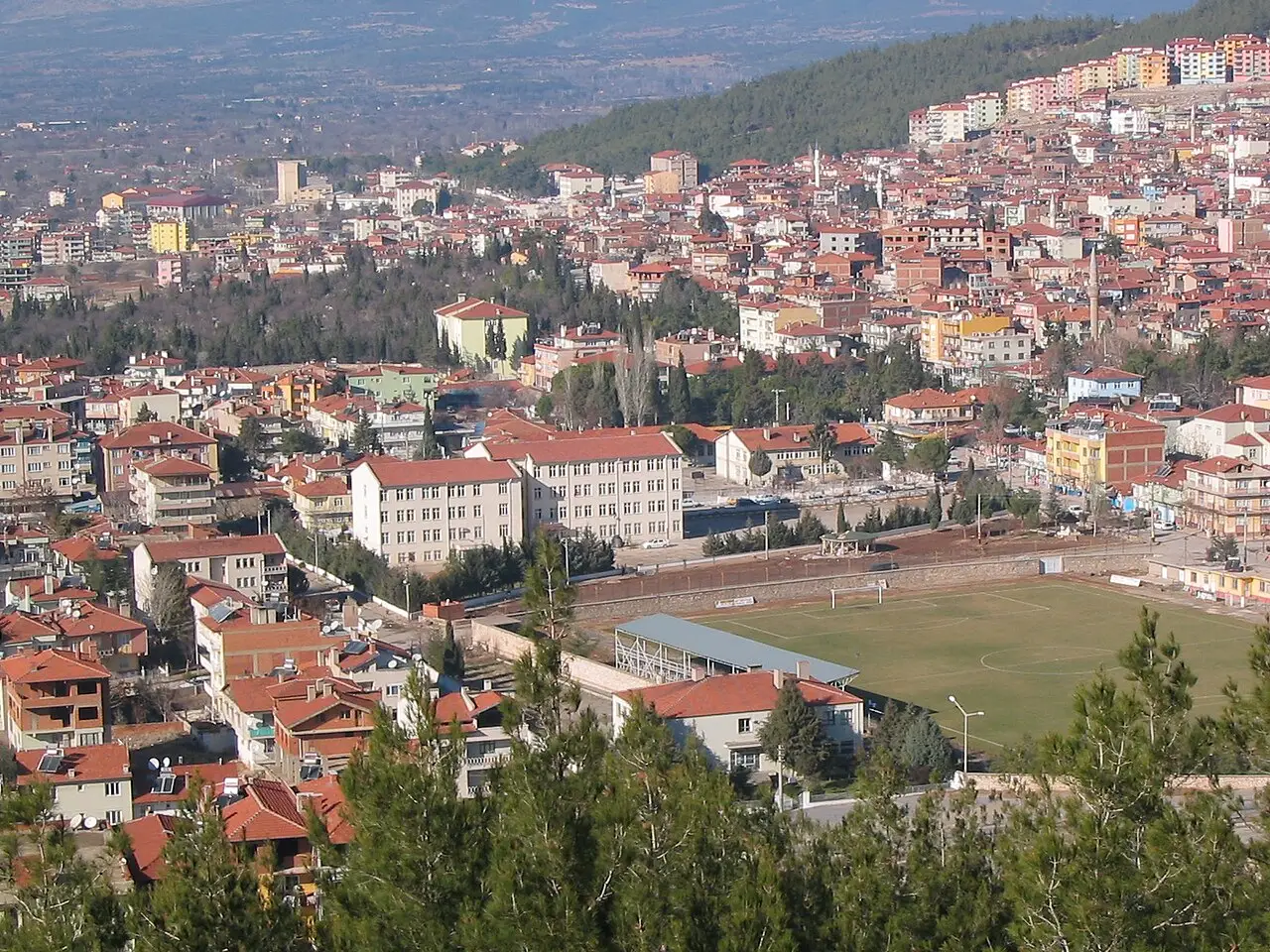
11 places to visit in the Tavas district of Denizli: Tabae Ancient City, Tavas Ovası and Tavas Grand Mosque. Plan your trip to Tavas with local food, practical tips and transport information.
Tavas is a district of Denizli province. The name of the district, which gives its name to the ancient city of Tabae, is derived from Davaz. The district covers 1,432 km², and the average elevation of the central population is 948 metres above sea level. The oldest settlement in the area has been identified as the site known as Medet Höyüğü (Medet Mound), which bears traces of many civilisations from the Early Bronze Age through to the Turkish period.
In western Anatolia, the Carians settled south of the Great Menderes River, in an area that included today’s Kale-Tavas and Karacasu districts. Judging by surface remains and coins, Tabae was one of the ancient cities founded in Anatolia after Alexander the Great, and it minted coins in the Hellenistic period.
At the beginning of the 12th century, during Turkish settlement raids, Mirza Bey, under the Seljuk commander Cafer Pasha, conquered Tabae. At the end of the 13th century the Principality of Tavas was founded, lying within an area shared by the Germiyan, Aydın, Hamid and Menteşe principalities. In 1424 the region was fully incorporated into the Ottoman Empire by Murat II and continued in peace. The earthquakes of 1702–1703 killed 12,000 people, and the town moved further up, towards its present centre.
The Tavas frog (Rana tavasensis) is an endemic frog species found only in Tavas district in the world. Tavas Zeybeği, Tavas Baklavası, Tavas Pidesi, Tavas Güveci and Tavas Bakraç Koyun Yoğurdu are well-known local cultural traditions and flavours.
Tavas became a district of Denizli Sanjak in 1883. The region was incorporated into the Ottoman Empire by Murat II in 1424. Around 12,000 people died in the 1702–1703 earthquakes. The oldest settlement in the area has been identified as Medet Mound.
Last updated:
Tabae, the ancient name of Tavas, was one of the important cities of the Caria region. Its remains include a theatre, an agora and city walls.
View on mapAn ancient city within the boundaries of Vakıf village, dating back to the Hellenistic period.
View on mapAn ancient city from the Roman and Byzantine periods, located east of Kızılca Neighbourhood.
View on mapA monumental tomb from the Roman period, located north-east of Kızılcabölük Neighbourhood.
View on mapThe Grand Mosque, built in the Ottoman period, is the oldest place of worship in the district. It stands out for its stonework and traditional architectural features. With its thick stone walls and lead-covered dome, it is one of the sturdiest buildings in the region.
View on mapA mosque in Aydoğdu Neighbourhood with timber-laced and rubble-stone walls.
View on mapA building in Büyükkonak (Nikfer) Neighbourhood where the mosque and tomb are under the same roof.
View on mapA mosque in Solmaz Neighbourhood with a square plan and flat timber ceiling.
View on mapThe Tavas Plain, to the south of Denizli, is surrounded by fertile farmland. The plain turns green in the spring months and offers beautiful views.
View on mapThe museum, which presents the Yörük culture of Tavas, displays traditional tent life, nomadic tools and handicrafts.
View on mapWhile you are in Tavas, you can also see the highlights of Denizli province. These places are in other districts; Tavas is about 50 km from the provincial centre.
Tavas Baklavası was registered as a geographical indication on 9 August 2018 (TÜRKPATENT registration no. 375). Product group: bakery and pastry products, dough products and desserts. Registered by: Tavas Municipality.
Lamb cooked in a clay pot with onion, tomato and pepper. Tavas kebab is the most famous dish of the district and one of the signature flavours of Denizli cuisine.
Thinly rolled dough filled with cheese, spinach or potato and cooked on a griddle. Fresh gözleme can be found at Tavas markets.
A traditional dessert made by mixing cottage cheese with flour and sugar and cooking it in a pan. It is also widely made in Tavas.
Tavas is one of the districts where Yörük culture is strongest. The tradition of nomadic life, highland pasturing and the art of weaving tent cloth from goat hair still continue.
Tavas Efesi, a zeybek dance specific to Tavas, is performed at weddings and celebrations. With its slow and dignified movements, it is one of the important examples of folk dances of the Aegean region.
Tavas's economy is based on agriculture, livestock farming and the marble industry. Wheat, barley, olives and grapes are the main agricultural products. Marble quarries make an important contribution to the district's economy. Small livestock farming is also widespread.
Tavas is 50 km from Denizli city centre. It lies on the Denizli–Muğla highway. Regular bus and minibus services run from Denizli.
The highlights of Tavas are 11 places: Tabae Ancient City, Tavas Plain, Tavas Grand Mosque, Tavas Yörük Tent Museum, Herakleia Salbace Ancient City, Sebastopolis Ancient City, Herakleia Hieronu, Aydoğdu Neighbourhood Mosque, Nikfer Hasan Feyzi Efendi Mosque, Solmaz Çarşı Mosque and Courtyard, and Hırka Mosque.
Tavas Baklavası, Tavas Kebabı, Gözleme and Höşmerim are the standout dishes on Tavas tables.
Tavas is known for Tavas Yanık Koyun Yoğurdu and Yörük Culture. Tavas Yanık Koyun Yoğurdu is a product registered as a protected geographical indication with TÜRKPATENT.
Tavas is 50 km from Denizli city centre. It lies on the Denizli–Muğla highway. Regular bus and minibus services run from Denizli.
Suggested visit length: half a day. Best time to visit: spring and autumn.