Beycesultan Mound
The first settlements in Çivril began at Beycesultan Mound, where finds dating to around 4000 BC have been recovered.
View on map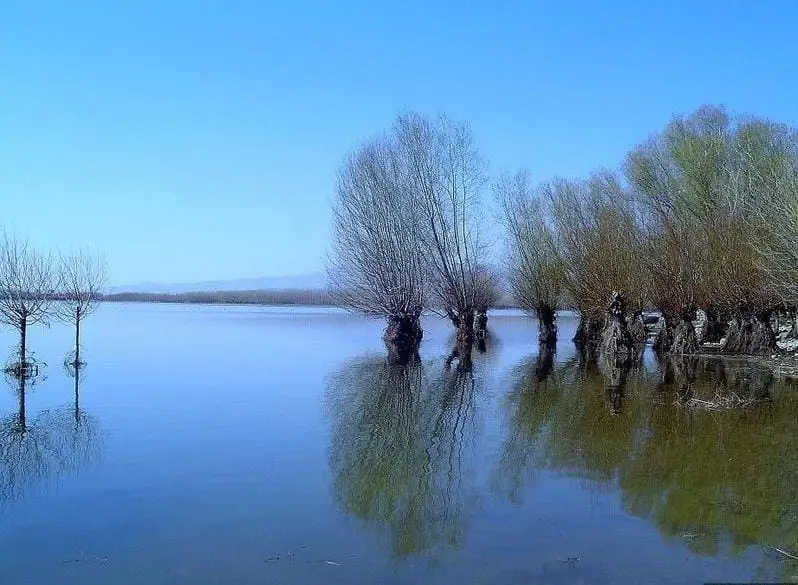 Photo: Mr. Arif Solak (CC BY 2.5) · Source
 7 places to visit in the Çivril district of Denizli: Beycesultan Mound, Işıklı Lake and Çivril Plain. Plan your trip to Çivril with local food, practical tips and transport information.
Çivril, the third-largest district of Denizli province, is known for its industry and tourism, and for Işıklı Lake and its water lilies. The district covers 1,570 km², and its average elevation above sea level is 830 metres. The name Çivril comes from Chagatai Turkish and means “a place with plenty of water” and “a wet place”.
The first settlements in Çivril began with the settlement at Beycesultan Mound, where finds dating to around 4000 BC have been recovered. Beycesultan Mound was then home to the Arzawa, Hittites, Phrygians, Cimmerians, Lydians, Persians, Macedonians, Seleucids, Pergamon, Romans, Byzantines, the Great Seljuks and the Anatolian Seljuks. The name Çivril first appears in Byzantine documents describing the Battle of Myriokephalon, and in 12th-century documents it is recorded in Greek script as “Tribritzi” and in Latin script as “Cyybrilcimani”. The Myriokephalon victory of 1176, which is linked to the Malazgirt victory that opened Anatolia to the Turks, was of great importance in securing the title to Anatolia.
Because the Büyük Menderes irrigates the Çivril Plain, the plain was once marshy, and cattle, buffalo and wild horse herds lived in the area. In the time known in history as the “March of the Ten Thousand”, the Persian king Darius Xerxes camped on the Çivril Plain for a month to supply his army. Işıklı, 11 km from Çivril, was an ancient city called Eumania in the 250s BC, founded in the same period as Hierapolis and Laodicea.
The Battle of Myriokephalon was won in Çivril, and this battle is considered to be of great importance in the Turkification of Anatolia. Excavations were carried out at Beycesultan Mound between 1954 and 1959 on behalf of the British Institute of Archaeology at Ankara.
Last updated:
The first settlements in Çivril began at Beycesultan Mound, where finds dating to around 4000 BC have been recovered.
View on map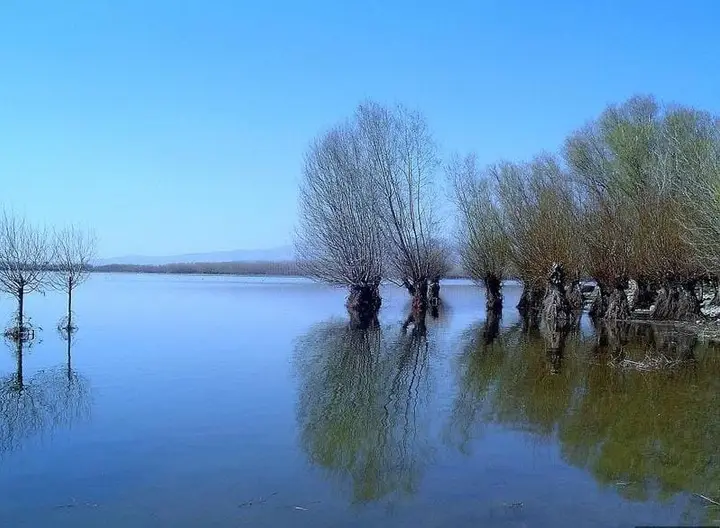 Photo: Mr. Arif Solak (CC BY 2.5) · Source
 Işıklı Lake, one of the well-known natural beauties of Çivril, is famous for its water lilies.
View on mapThe Çivril Plain, irrigated by the Büyük Menderes, has been an important settlement area throughout history.
View on mapMyriokephalon Castle, which played an important role in the Battle of Myriokephalon in 1176, lies at the foot of Sarıbaba Hill.
View on mapIşıklı, 11 km from Çivril, was an ancient city called Eumania in the 250s BC, founded in the same period as Hierapolis and Laodicea.
View on mapCreated by Çivril Municipality on a 23-decare area in Beydilli neighbourhood.
View on mapAn ancient city said to have been founded in the 250s BC in Işıklı, 11 km from Çivril; the source notes that this information is not certain.
View on mapWhile you are in Çivril, you can also see the highlights of Denizli province. These places are in other districts; Çivril is about 80 km from the provincial centre.
Because Çivril is famous for poppy cultivation, poppy seed pide is the best-known local dish. It is prepared by mixing poppy seeds into the dough.
Prepared by marinating lamb in special spices and cooking it over a wood fire. It is also widely eaten in Çivril.
A thin sheet of yufka filled with cheese, spinach or potato and cooked on a griddle. Fresh gözleme can be found in Çivril's markets.
Dishes listed as Çivril dishes on Çivril Municipality's local cuisine page; according to the municipality they are made with organic produce.
The palace remains and temple structures discovered at Beycesultan Mound prove the existence of an advanced civilisation in the region in the 2nd millennium BC. The finds are displayed in the museums of Ankara and Denizli.
Poppy cultivation in Çivril is a tradition that has lasted for centuries. In May and June, the fields of blooming poppies colour the plain purple and white.
Çivril's economy rests on agriculture. Poppy, wheat, barley and sugar beet are the main agricultural products. The fertile plain irrigated by the Büyük Menderes River forms the basis of the district's agricultural production. Livestock farming and dairy production are also important sources of livelihood.
Çivril is 80 km from Denizli city centre. It lies on the Denizli–Afyon road. Regular bus and minibus services run from Denizli.
The 7 highlights of Çivril are Beycesultan Mound, Işıklı Lake, Çivril Plain, Myriokephalon Castle, Eumania (Işıklı), Beydilli Lavender Garden and Eumania (Işıklı ancient city).
Haşhaşlı Pide, Denizli Kebabı, Gözleme and Çivril local dishes (tarhana, meat keşkek, haranı pickle, topalak aşı, gömbe, shepherd's halva, lake fish) are the standout dishes at Çivril tables.
Çivril is known for its Poppy and the Beycesultan Civilisation. Çivril is one of Türkiye's most important poppy-producing centres. Poppy seed and oil are widely used in the food industry.
Çivril is 80 km from Denizli city centre. It lies on the Denizli–Afyon road. Regular bus and minibus services run from Denizli.
Suggested visit length: 1 day. Best time to visit: May–June (poppy flowering season).