9 places to visit in the Babadağ district of Denizli: Attuda, Trapezopolis and Babadağ Mountain. Plan your trip to Babadağ with local food, practical tips and transport information.

Share with friends

Babadağ is a district of Denizli province with an area of 124 km². It is one of the districts in Türkiye that makes its living from textiles. Kestanesi, et kapaması, et çevirmesi and keşkek are among the local dishes of the district.

Ancient Period

The ancient city of Attuda was founded nearby and is believed to have been a Lydian city.

History

The district has a history of 700 years, and its first name was Beşikkaya.

Economy

The resident population of the district centre is around 4,000, and in the past 10 years it has lost about 2,000 people to emigration.

History and Culture

Babadağ was founded in 1386 when a Yörük tribe settled in the village of Oğuzlar. The district is said to have a 700-year history. Weaving is said to have a history of about six hundred years and to have held the most important place in the district’s economy. Young people wishing to marry would meet each other by walking along the Yardan Stream road on the last day of the festival; this custom is known as “piyasa”.

Last updated:

Places to Visit in Babadağ

  • 1 Historic
  • 3 Ancient City
  • 1 Religious
  • 1 Museum
  • 3 Nature

Historic Sites 1

Babadağ Historic Bazaar - Babadağ Photo: Nicu Farcaș (CC BY-SA 4.0) · Source
Historic

Babadağ Tarihi Bazaar

Traditional crafts and local products are sold in the historic bazaar in the district centre. Reflecting the trading traditions of the Ottoman period, the bazaar is the heart of the district's social life.

View on map

Ancient Cities 3

Ancient City

Attuda

Believed to have been a Lydian city, it contains remains from the ancient period.

View on map
Ancient City

Trapezopolis

An ancient city of the late Roman period, belonging to the province of Phrygia Pacatiana Prima.

View on map
Ancient City

Trapezapolis Ancient City

An archaeological site near the Bekirler Quarter of Babadağ. The surface remains show features of the Roman and Byzantine periods; it is stated that no archaeological excavation has been carried out.

View on map

Religious Buildings 1

Religious

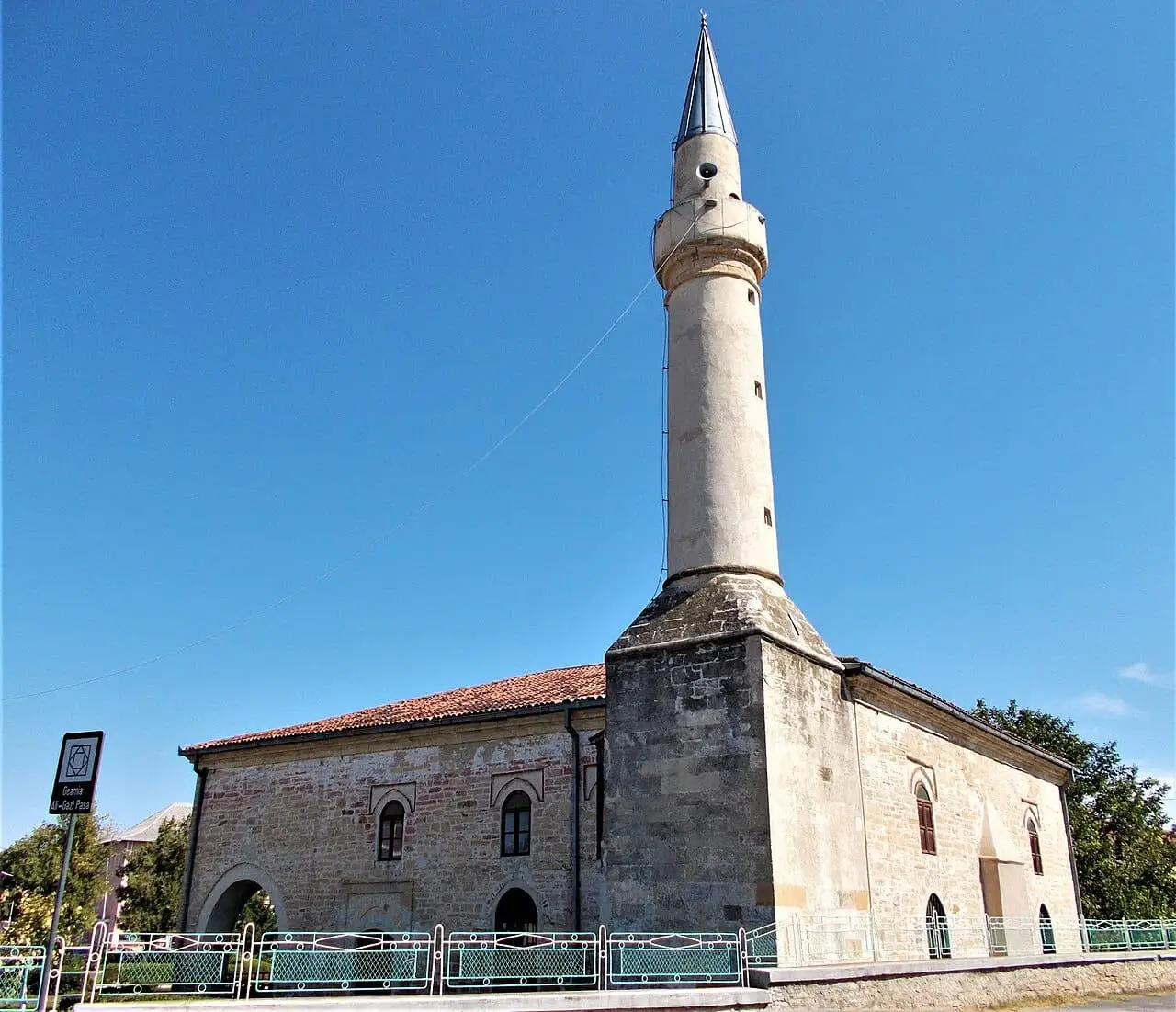
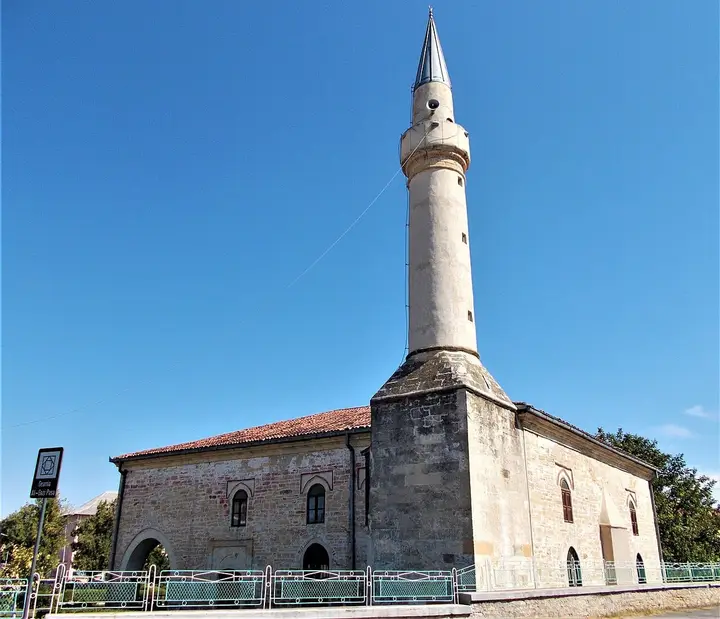
Babadağ Grand Mosque

Built in the 13th century during the Seljuk period, the Grand Mosque is one of Babadağ's oldest structures. Its stonework and wooden minbar make it an important example of Anatolian Seljuk architecture.

View on map

Museums 1

Museum

Babadağ Tarih Kültür ve Sanat Evi

A stop on the Babadağ Municipality's day tour that introduces the district's past.

View on map

Natural Wonders 3

Nature

Babadağ Mountain

At 1,969 metres, Babadağ is world-famous as a site for paragliding. Flights are made from the Fethiye–Ölüdeniz side, but the Denizli side of the mountain is also popular for hiking.

View on map
Nature

Tasdelen Plateau

A rugged highland pasture about 5 km south of Babadağ, covered with pine, chestnut and walnut trees. Suitable for day trips and camping; there are no facilities on the plateau.

View on map
Nature

Yardan Waterfall

One of the first stops on the Babadağ Municipality's day tour. Village breakfast is served here, followed by a walk along the Yardan Stream trail.

View on map

Places to Visit Around Denizli Province

See all →

While you are in Babadağ, you can also see the highlights of Denizli province. These places are in other districts; Babadağ is about 35 km from the provincial centre.

  • Pamukkale Travertines — Brilliant white travertine terraces about 2,700 metres long and 160 metres high, built up over thousands of years by thermal waters rich in calcium bicarbonate; together with Hierapolis they were inscribed on the UNESCO World Heritage List in 1988. They lie about 20 km from the city centre.
  • Hierapolis Ancient City — The 'sacred city' built on top of the travertines, and the centre of the cult of Cybele in the Phrygian period.
  • Hierapolis Necropolis — One of the largest ancient cemeteries in Anatolia, north of the city, made up of sarcophagi, tumuli and house-shaped tombs.
  • Antique Pool — A thermal pool in Hierapolis where columns brought down by an earthquake lie under the water; you swim among fragments of ancient columns in water at about 35 °C.
  • Hierapolis Archaeology Museum — A museum that has occupied the Roman bath of Hierapolis since 1984; it displays finds from Hierapolis, Laodicea, Colossae, Tripolis and Beycesultan.
  • Laodicea — A city 6 km north of Denizli, founded in the 3rd century BC by Antiochus II, who named it after his wife Laodice; it is one of the seven churches of Asia in the Book of Revelation.

Practical Information for Visiting Babadağ

Suggested time
Half a day
Best time to visit
Spring and summer
Places to visit
9 places

What to Eat in Babadağ

Food guide →
  • Babadağ Kekik Balı

    Babadağ Thyme Honey was registered as a protected designation of origin on 23 December 2020 (TÜRKPATENT registration no. 638). Product group: honey. Registered by: Denizli Province Beekeepers' Union.

  • Denizli Kebabı

    Prepared by marinating lamb in special spices and cooking it over a wood fire. Served in the local restaurants of Babadağ.

  • Gözleme

    Thinly rolled dough filled with cheese or herbs and cooked on a griddle. Fresh gözleme can be found at Babadağ markets.

  • Höşmerim

    A traditional dessert made by mixing curd cheese with flour and sugar and cooking it in a pan.

  • Babadağ keşkeği

    Mentioned on the municipality's website as one of Babadağ's signature dishes. It is tasted at Dağ Restaurant on the municipal tour.

  • Et kapaması

    A dish listed on Wikipedia among the local dishes of Babadağ.

Culture, Local Products and Economy of Babadağ

  • Babadağ Geleneği

    The district takes its name from Baba Sultan, a Turkmen dervish who lived in the area. Babadağ has been an important settlement since the Seljuk period.

  • Dokumacılık Geleneği

    Weaving in Babadağ is a tradition that has lasted for centuries. Fabrics produced on traditional looms are an inseparable part of the district's economic and cultural identity.

Local Products

  • Babadağ Tekstili — Babadağ is known for traditional weaving and textile production. The fabrics made in the district are an important part of Denizli's textile industry.
  • Zeytin ve Zeytinyağı — Olives are grown on the southern slopes of Babadağ. Local olive oil is known for its natural aroma.

Economy

Babadağ's economy is based on textiles, agriculture and livestock farming. Weaving and textile production are the district's most important industrial sector. Olives, grapes and cereals are also grown.

How to Get to Babadağ

Babadağ is 35 km from Denizli provincial centre. There are regular minibus services from Denizli.

Get directions on Google Maps Getting to Denizli

Babadağ: Frequently Asked Questions

What are the things to see in Babadağ?

The 9 highlights of Babadağ: Attuda, Trapezopolis, Babadağ Mountain, Babadağ Grand Mosque, Babadağ Historic Bazaar, Tasdelen Plateau, Trapezapolis Ancient City, Yardan Waterfall and Babadağ History, Culture and Arts House.

What is there to eat in Babadağ?

Babadağ Thyme Honey, Denizli Kebabı, Gözleme and Höşmerim are the highlights of Babadağ's tables.

What is Babadağ famous for?

Babadağ is known for Babadağ Textiles and the Babadağ Tradition. Babadağ is known for traditional weaving and textile production. The fabrics made in the district are an important part of Denizli's textile industry.

How do I get to Babadağ?

Babadağ is 35 km from Denizli provincial centre. There are regular minibus services from Denizli.

How much time should I set aside for a visit to Babadağ?

Suggested visit length: half a day. Best time to visit: spring and summer.

Continue Your Trip

Other Districts of Denizli

Search 81 province guides and 968 district guides.