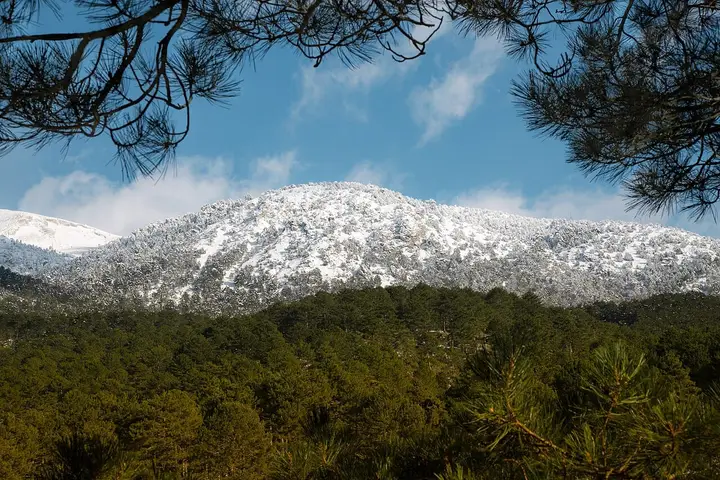
Honaz is a district of Denizli province that gained district status in 1987. Mount Honaz, at 2,571 metres, is the highest mountain in the Aegean Region, and the district sits on its northern slope.
Geography and Climate
The district’s climate is influenced by the Aegean climate, but its high altitude means annual rainfall is quite high. This rainy climate is particularly well suited to cherry growing.
Economy
Honaz is famous for cherries, peaches, cotton and cennet elması, and it is an important cherry-producing area. About 80% of the cherries grown are exported abroad, and average annual cherry exports are around 60 million TL. Domestic and foreign market sales of agricultural products average around 500 million TL a year. The district also has a long-established paste (salça) factory.
History
The ancient city of Colossae, where one of the seven churches mentioned in the Bible was located, is an archaeological site 2 km from the district. Colossae’s history goes back earlier than the 5th century BC. It was originally a Phrygian city, and over time it became a Greek one. Khonai, founded in the 7th century, received the title of archbishopric between 858 and 860, and in 950 became a metropolis, one of the important religious centres of Anatolia.
History and Culture
Honaz left Ottoman control when Timur took Denizli in 1403, and returned to Ottoman rule in 1429. The municipality of Honaz was founded in 1914. Cherries are one of Honaz’s most important agricultural products. Colossae is the ancient city where one of the seven churches mentioned in the Bible was located.
Key Facts
On the site of today’s Honaz, the town of Khonae (Honas) existed during the Byzantine, Seljuk and Ottoman periods, and the ancient city of Colossae was founded 3 km to the north, on the bank of the Lykos River. Mount Honaz, the highest mountain in the Aegean Region, was declared a national park in 1995 and has become a centre for outdoor sports with its rich plant cover and wildlife.
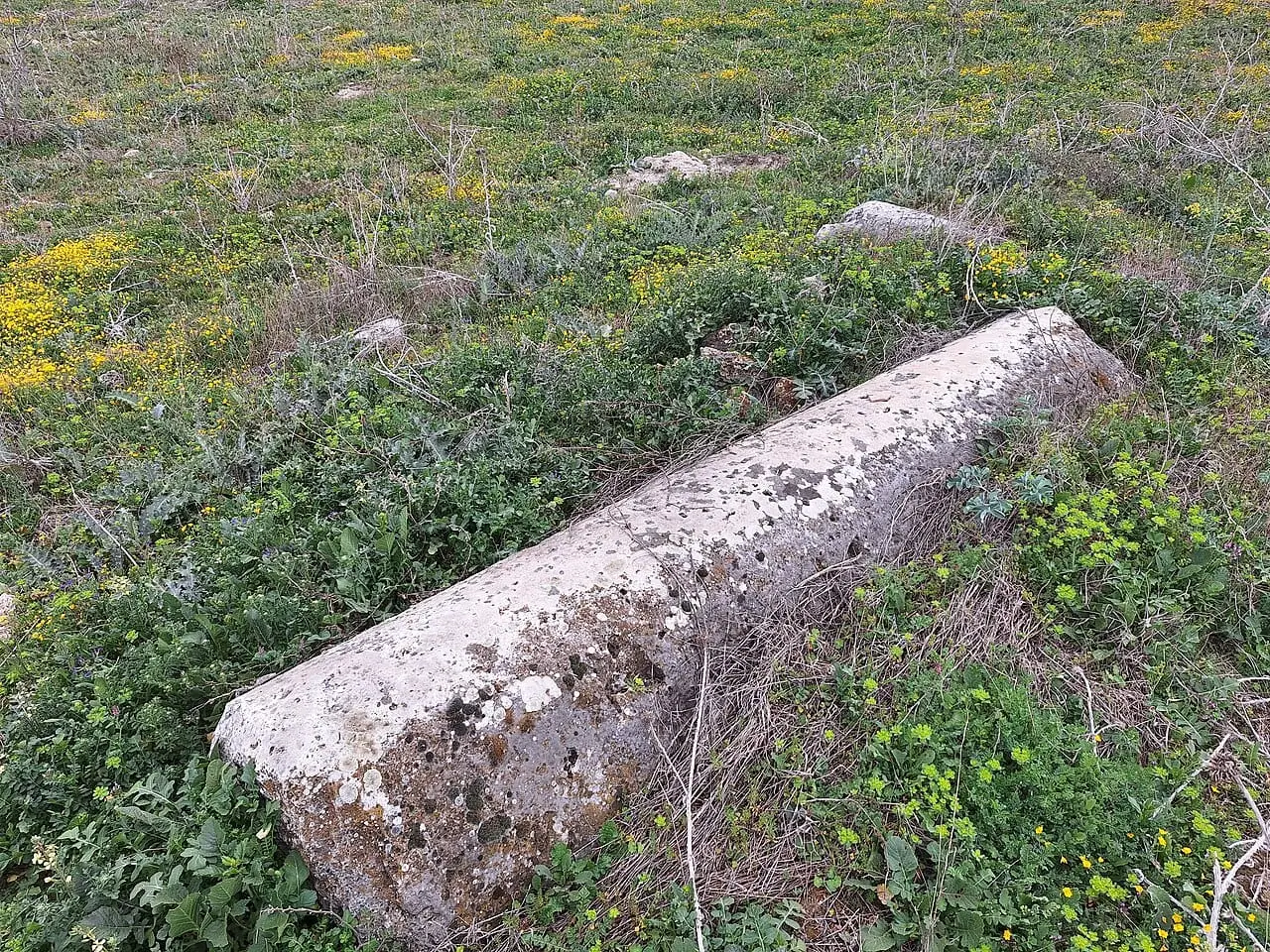
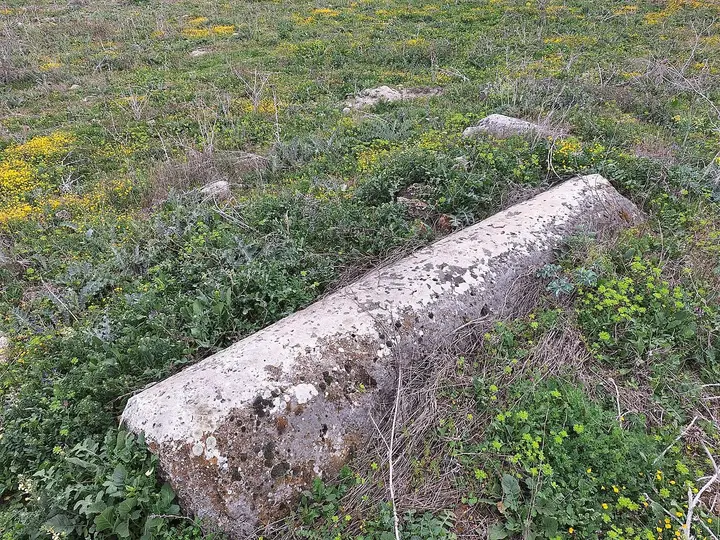 Photo: Sakaryonca (CC BY-SA 4.0) · Source