Çökelez Mountain
The district was founded on the eastern foothills of Çökelez Mountain, which lies to the west of Çal. Pamukkale is located on the western slopes of the mountain.
View on map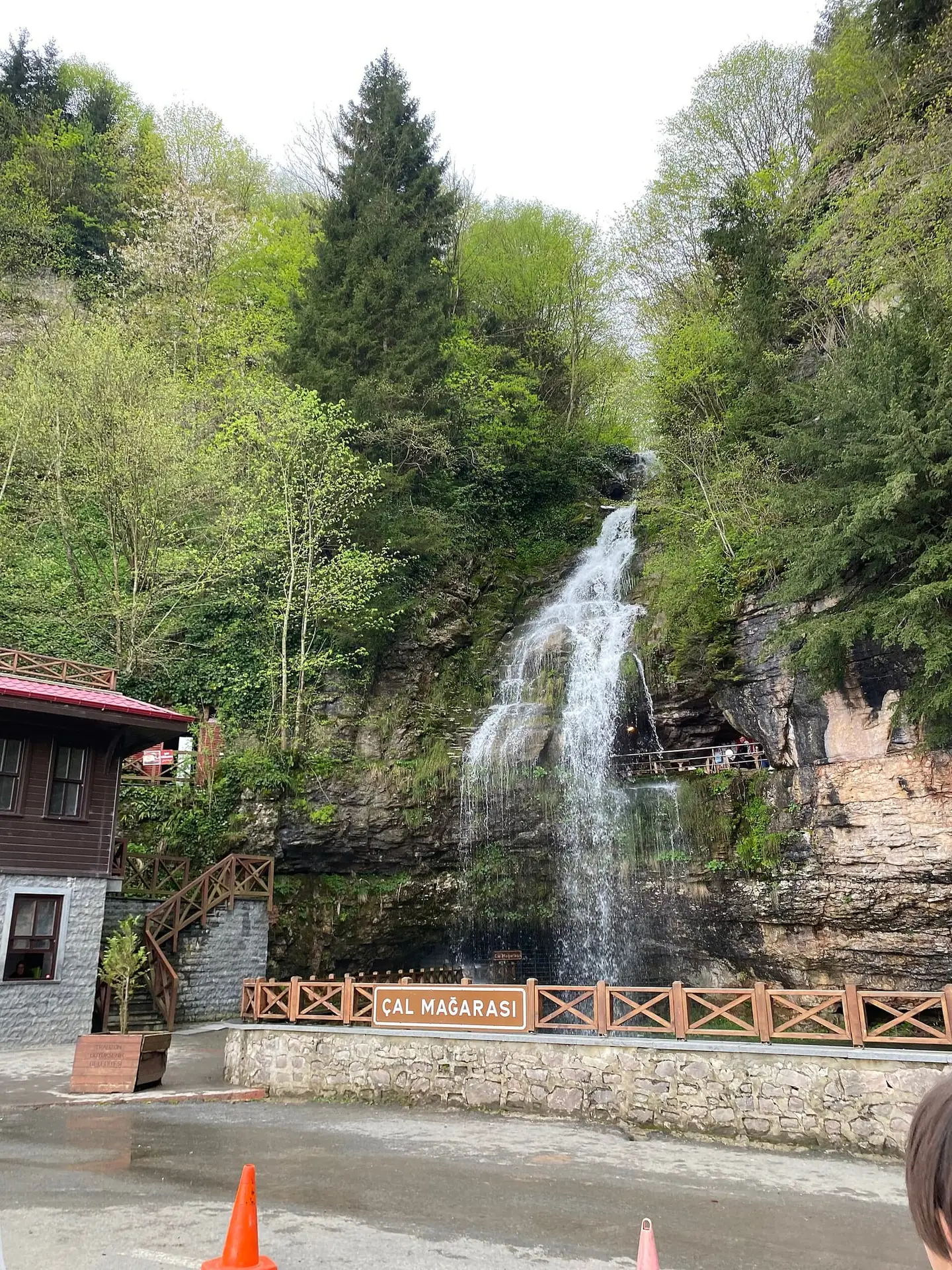 Photo: Wikipedia (CC BY-SA) · Source
 6 places to visit in the Çal district of Denizli: Çökelez Mountain, Büyük Menderes River and Çal Cave. Plan your trip to Çal with local food, practical tips and transport information.
The district covers 860 km² and its average elevation above sea level is 836 metres. Çal is the fourth-largest district of Denizli by area.
The ancient name of Çal was Mossyna, and it was known by this name until the Turks arrived in the region. The name Çal, meaning high ground or highland pasture in the Chagatai dialect, was given because of the district’s natural position. For many years the name Çal was used as the name of the region rather than of a settlement. The founding of the Çal region dates back to around 1072, when Turks of the Kayı tribe of the Seljuks opened the area to settlement. During the War of Independence, Çal put up strong resistance through its Kuvayı Milliye, and the Çal Mufti, Ahmet İzzet Efendi, was awarded the Medal of Independence.
Çal is built on the eastern foothills of Çökelez Mountain, which lies to its west. The deep valleys formed by the Büyük Menderes River in the region, together with various investments, have made irrigation and fish farming possible.
Most of the district’s people make their living from agriculture, with grapes being the main product. Çal grapes are a famous variety, and the type known as Çal Karası is very well known.
Çal, where various Roman-period remains have been found, came under Turkish rule in the Anatolian Seljuk period. The district, which was called Demirciköy until the end of the 19th century, began to be known as Çal at the end of the 19th century. Çal became a district of the Denizli sanjak in 1886. During the War of Independence, the resistance of the Çal Kuvayı Milliye prevented the Greeks from occupying Çal. Çal is said to have been known as the place where Dionysus lived.
Last updated:
The district was founded on the eastern foothills of Çökelez Mountain, which lies to the west of Çal. Pamukkale is located on the western slopes of the mountain.
View on mapThe Büyük Menderes River flows near Çal, cutting deep valleys into the east of the district and forming canyons.
View on map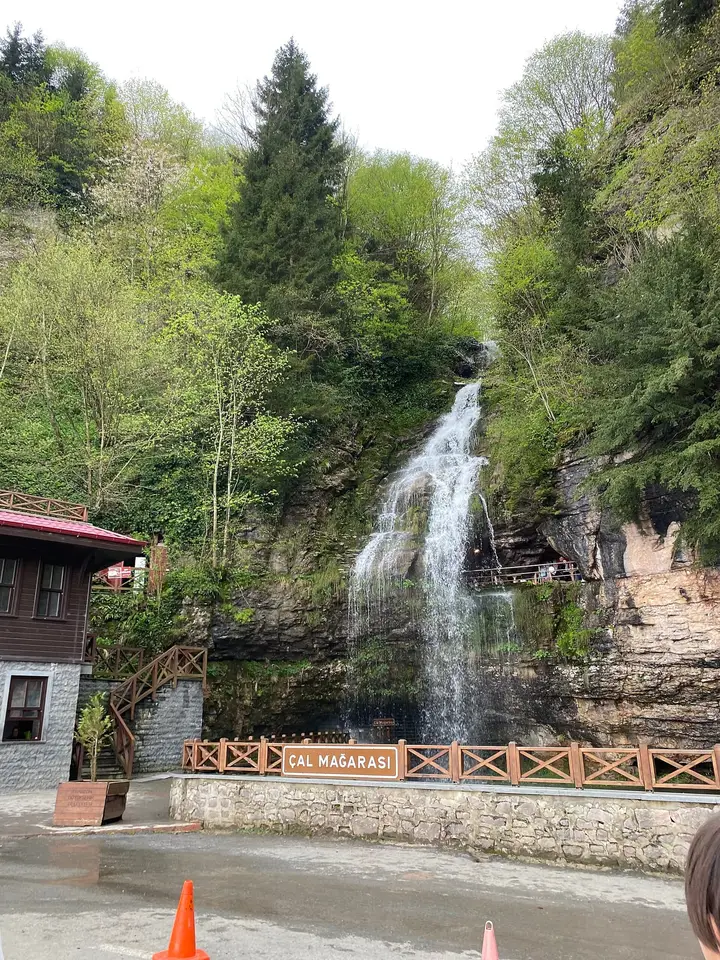 Photo: Wikipedia (CC BY-SA) · Source
 Çal Cave, the second-longest underground cave in Türkiye, has an open section of about 400 metres. Stalactites, stalagmites and travertines inside the cave make for an impressive natural sight.
View on mapThe Çal Plain, watered by the Büyük Menderes River, is surrounded by fertile farmland. The plain turns green in spring and offers beautiful views.
View on mapThe Grand Mosque, built in the Ottoman period, is the district's oldest place of worship. It is notable for its stonework and traditional architectural features.
View on mapAccording to one source, this ancient city is where theatre was first performed in the world.
View on mapWhile you are in Çal, you can also see the highlights of Denizli province. These places are in other districts; Çal is about 55 km from the provincial centre.
Prepared by marinating lamb in special spices and cooking it over a wood fire. It is served in the local restaurants of Çal.
Thinly rolled dough filled with cheese or herbs and cooked on a griddle. Fresh gözleme can be found at Çal's markets.
A traditional dessert made by mixing curd cheese with flour and sugar and cooking it in a pan. Its fresh, natural ingredients make it a healthy choice.
A famous grape variety grown in the district.
There are wineries in the district where wine is made from grapes.
A trout facility operated by YeşilÇal A.Ş. is active in the district.
Viticulture in Çal is a tradition that has lasted for centuries. Çal Karası grapes, one of the region's most valuable agricultural products, are used to make wine and molasses.
Çal Cave is the district's most important natural and cultural asset. The cave has been known to local people for centuries and is the subject of various legends.
Çal's economy is based on agriculture and tourism. Grape, wine and molasses production is the district's most important economic activity. Wheat and vegetable farming are also carried out. Nature tourism is developing thanks to Çal Cave.
Çal is 55 km from Denizli city centre. There are regular minibus services from Denizli.
The 6 highlights of Çal are: Çökelez Mountain, Büyük Menderes River, Çal Cave, Çal Plain, Çal Grand Mosque and Dionysosopolis.
Denizli Kebabı, Gözleme, Höşmerim and Çal grapes are the standout flavours on Çal's tables.
Çal is known for Denizli Çalkarası grapes and its viticulture culture. It is a registered product with protected designation of origin status at TÜRKPATENT.
Çal is 55 km from Denizli city centre. There are regular minibus services from Denizli.
Suggested visit length: half a day. Best time to visit: spring and summer.