6 places to visit in the Kale district of Denizli: Tabae Antik Kenti (Tabae ancient city), Tabae Ancient City Kalıntıları (Tabae ancient city ruins) and Kale Kalesi (Kale Castle). Plan your trip to Kale with local food, practical tips and transport information.

Share with friends

Kale is a district of Denizli Province, founded on the site of the ancient city of Tabae. The district covers 684 km², and its central population lives at an average altitude of 1,013 metres above sea level. The ancient city was abandoned by its people in the early 1950s, and was rebuilt a few kilometres to the north.

The Ancient City of Tabae

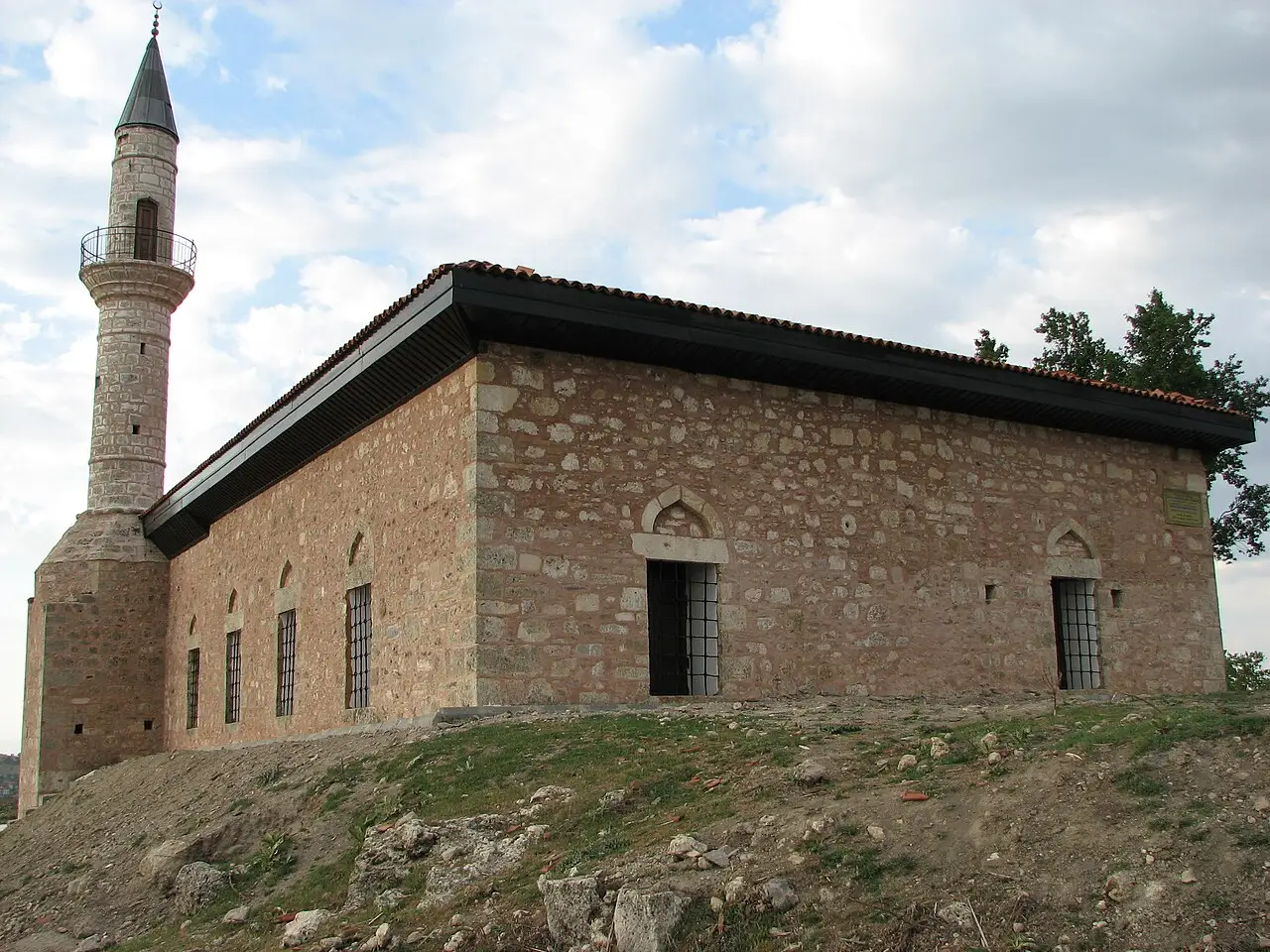
Tabae was one of the most important cities of the Caria region, on the border with Phrygia, and was conquered by Alexander the Great. Tabae was a city with continuous settlement throughout its history. It hosts many monuments, including Carian-period marble inscriptions, a Roman bath, Byzantine remains, a Seljuk mosque and an 18th-century Ottoman mosque.

Culture and History

The intense migration after 1950 caused the district to lose population and affected its economic and social life.

History and Culture

In the Ottoman period the district centre was known as Kale-Davaz. From the 1950s the name began to be shortened and used as “Kale”. In the Ottoman period, the area gained importance as a key point on the trade routes between Kütahya and Muğla. Davaz Zeybeği is one of the regional dances of Kale district. Kale lost population through the intense migration that followed 1950.

Last updated:

Places to Visit in Kale

  • 3 Historic
  • 1 Ancient City
  • 1 Religious
  • 1 Nature
Ancient City

Tabae Antik Kenti (Tabae ancient city)

One of the most important ancient cities of the Caria region, on the border with Phrygia. It contains marble inscriptions, coins, a Roman bath, Byzantine and Seljuk-period remains, and works such as the Ottoman Cevherpaşa Mosque.

View on map
Historic

Tabae Ancient City Kalıntıları (Tabae ancient city ruins)

Remains of an ancient Carian-period settlement are found around the district of Kale. The theatre and the walls have partly survived.

View on map
Historic

Kale Kalesi (Kale Castle)

The castle that gave the district its name was built in the Byzantine period and used in the Seljuk period. From the castle ruins, the views over the surrounding valleys can be enjoyed.

View on map
Nature

Kale Yaylaları (Kale plateaux)

The plateaux in the upper parts of the district are favoured for picnics and nature walks in summer, for their cool climate and pine forests.

View on map
Religious

Cevherpaşa Camii (Cevherpaşa Mosque)

An Ottoman-period mosque in the ancient city of Tabae.

View on map
Historic

Kayalara Oyulmuş Tek Odalı Evler (single-room houses carved into rock)

Rooms carved into natural rock on the cliffs and steep parts of a rocky plateau.

View on map

Places to Visit Around Denizli Province

See all →

While you are in Kale, you can also see the highlights of Denizli province. These places are in other districts; Kale is about 55 km from the provincial centre.

  • Pamukkale Travertines — Brilliant white travertine terraces about 2,700 metres long and 160 metres high, built up over thousands of years by thermal waters rich in calcium bicarbonate; together with Hierapolis they were inscribed on the UNESCO World Heritage List in 1988. They lie about 20 km from the city centre.
  • Hierapolis Ancient City — The 'sacred city' built on top of the travertines, and the centre of the cult of Cybele in the Phrygian period.
  • Hierapolis Necropolis — One of the largest ancient cemeteries in Anatolia, north of the city, made up of sarcophagi, tumuli and house-shaped tombs.
  • Antique Pool — A thermal pool in Hierapolis where columns brought down by an earthquake lie under the water; you swim among fragments of ancient columns in water at about 35 °C.
  • Hierapolis Archaeology Museum — A museum that has occupied the Roman bath of Hierapolis since 1984; it displays finds from Hierapolis, Laodicea, Colossae, Tripolis and Beycesultan.
  • Laodicea — A city 6 km north of Denizli, founded in the 3rd century BC by Antiochus II, who named it after his wife Laodice; it is one of the seven churches of Asia in the Book of Revelation.

Practical Information for Visiting Kale

Suggested time
Half a day
Best time to visit
Spring and autumn
Places to visit
6 places

What to Eat in Kale

Food guide →
  • Tavas Kebabı (Tavas-style kebab)

    Prepared by cooking lamb in a clay pot with onions, tomatoes and peppers. It is a local speciality also commonly eaten in Kale.

  • Gözleme

    Thinly rolled filo dough filled with cheese or herbs and cooked on a griddle. Fresh gözleme can be found at the village markets of Kale.

  • Keşkek

    Prepared by boiling crushed wheat and meat for a long time and then pounding them. It is the traditional dish of weddings and festival meals. Small differences in each village's keşkek recipe add to the richness of the dish.

  • Kaledavaz biber tatarı (Kaledavaz pepper tatar)

    A local dish of Kale district, known as pepper tatar.

  • Kale biberi (Kale pepper)

    A pepper grown in Kale district, which was registered in 2008 and given a geographical indication.

Culture, Local Products and Economy of Kale

  • Yörük Kültürü (Yörük culture)

    Yörük culture is strongly kept alive in Kale district. The nomadic way of life, the tradition of plateau living and traditional handicrafts continue.

  • Kale Geleneği (Kale tradition)

    The district takes its name from its historic castle. The settlement that grew around the castle has for centuries been important as a centre of defence and trade.

Local Products

  • Kale Biberi (Kale pepper) — Kale Pepper was registered as a protected designation of origin on 11 February 2010 (TÜRKPATENT registration no. 139). Product group: processed and unprocessed fruit and vegetables and mushrooms. Registered by: Kale Municipality.
  • Zeytin ve Zeytinyağı (olives and olive oil) — Olives are grown in the southern parts of Kale. Local olive oil is known for its natural aroma.
  • Bal (honey) — Beekeeping takes place in the forested areas of the district. Pine and flower honey production is an important source of income.

Economy

Kale's economy is based on agriculture and livestock farming. Olives, grapes and cereals are the main crops. Small livestock farming and beekeeping are important sources of livelihood.

How to Get to Kale

Kale is 55 km from Denizli city centre. Minibus services run from Denizli.

Get directions on Google Maps Getting to Denizli

Kale: Frequently Asked Questions

What are the places to see in Kale?

The highlights of Kale are 6 places: Tabae Ancient City, Tabae Ancient City Ruins, Kale Castle, Kale Plateaus, Cevherpaşa Mosque and Kayalara Oyulmuş Tek Odalı Evler.

What is there to eat in Kale?

Tavas Kebabı, Gözleme, Keşkek and Kaledavaz biber tatarı are the standout dishes on Kale's tables.

What is Kale famous for?

Kale is known for Kale Pepper and its Yörük Culture. It is a registered product with TÜRKPATENT as a Protected Designation of Origin.

How do I get to Kale?

Kale is 55 km from Denizli city centre. Minibus services run from Denizli.

How much time should I allow for a visit to Kale?

Suggested visit length: half a day. Best time to visit: spring and autumn.

Continue Your Trip

Other Districts of Denizli

Search 81 province guides and 968 district guides.